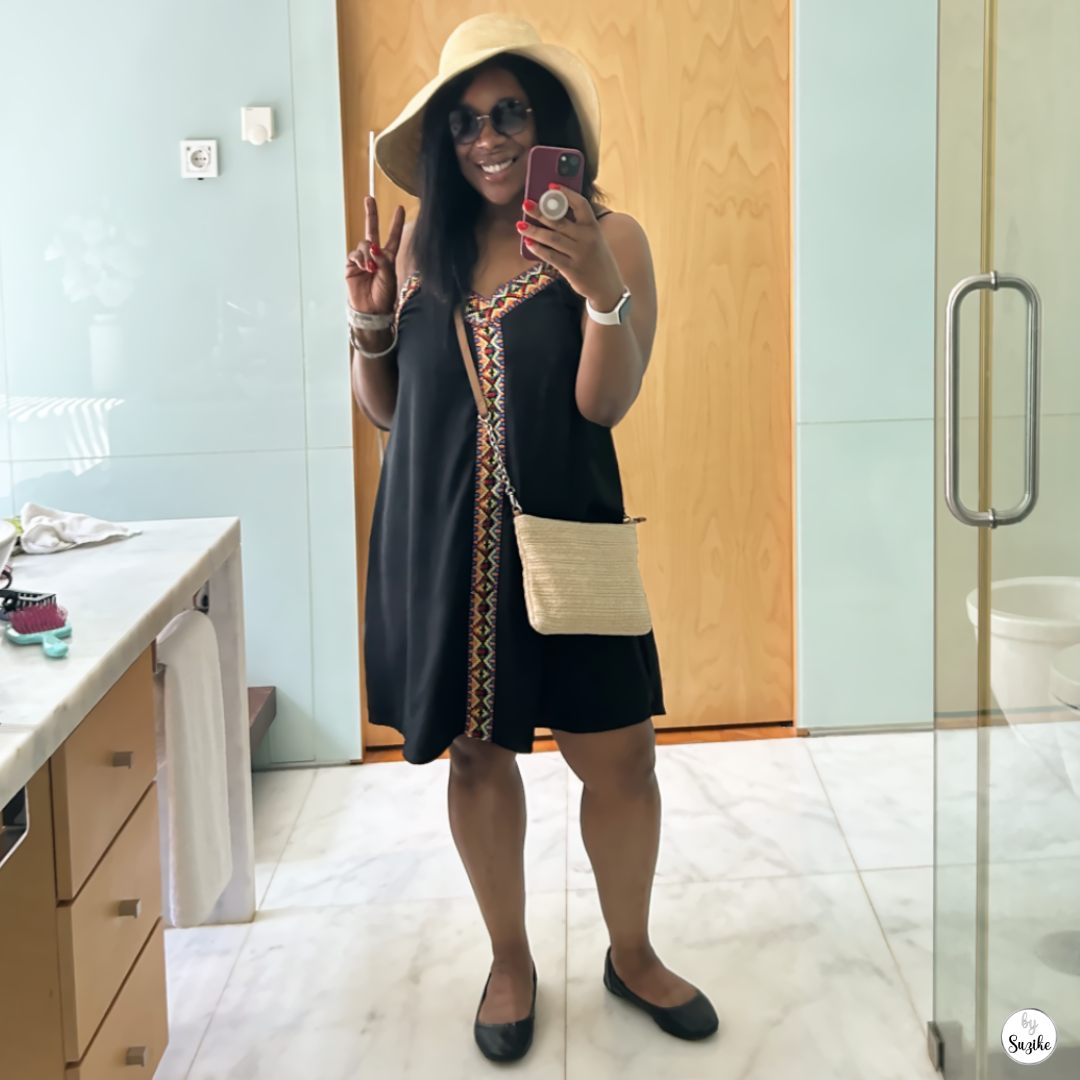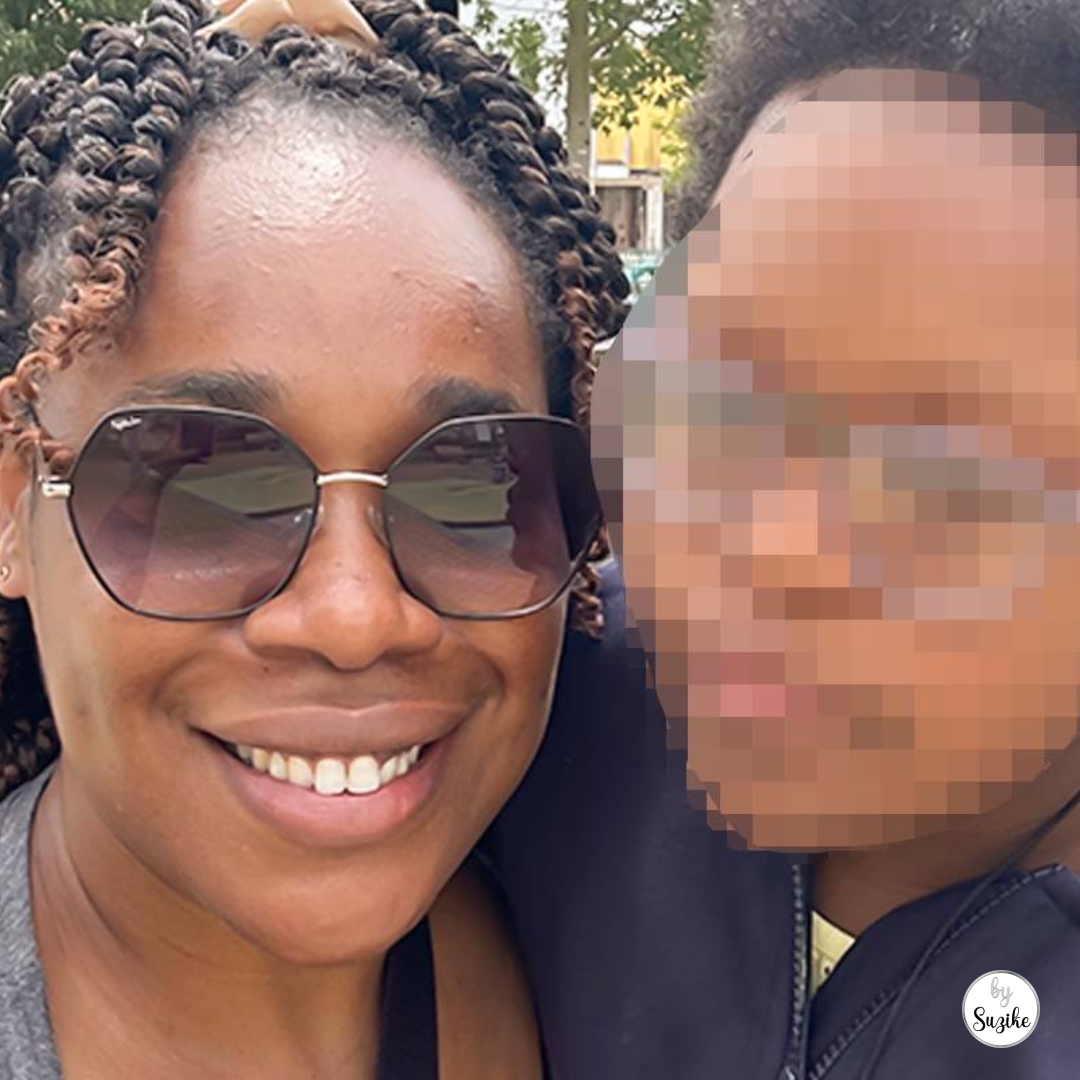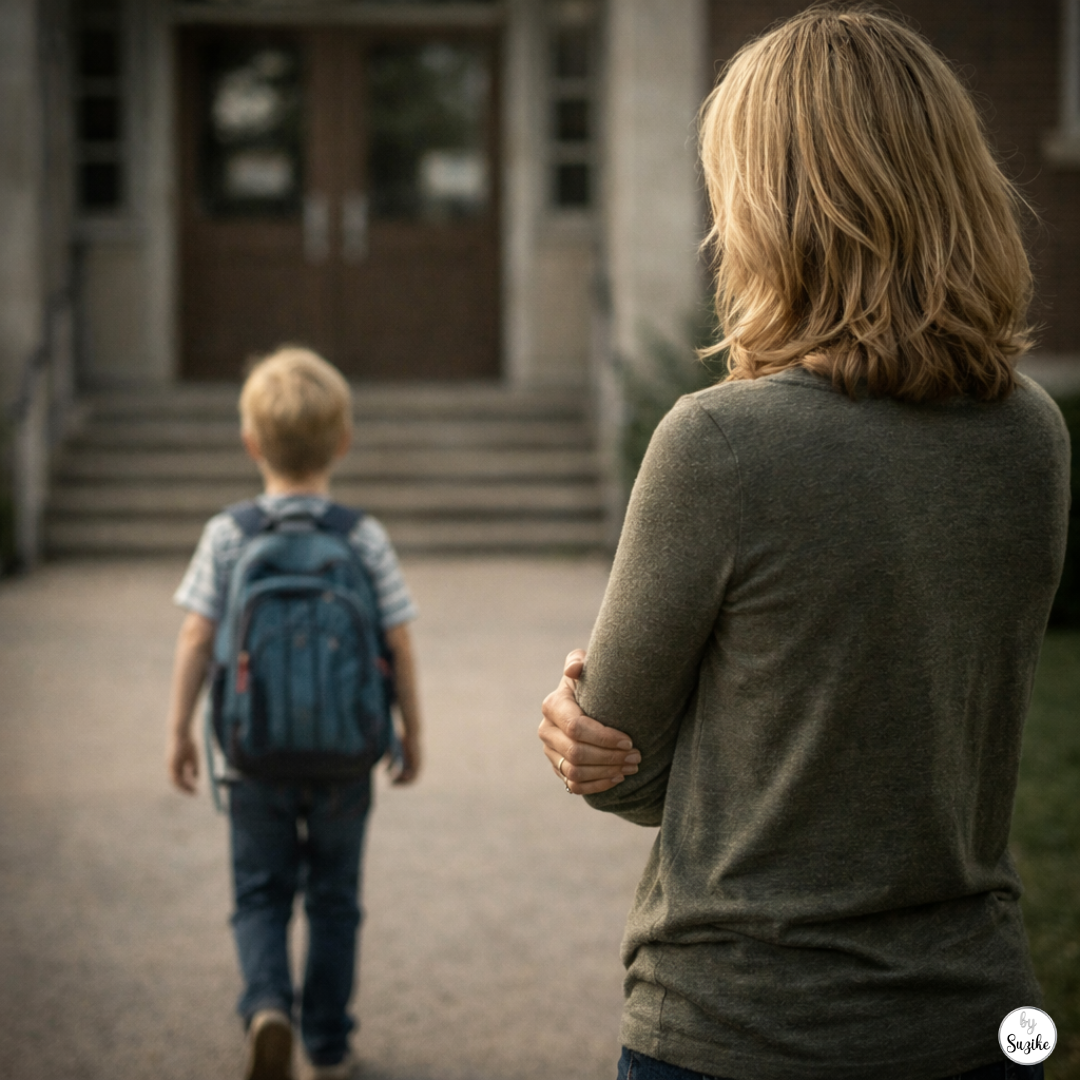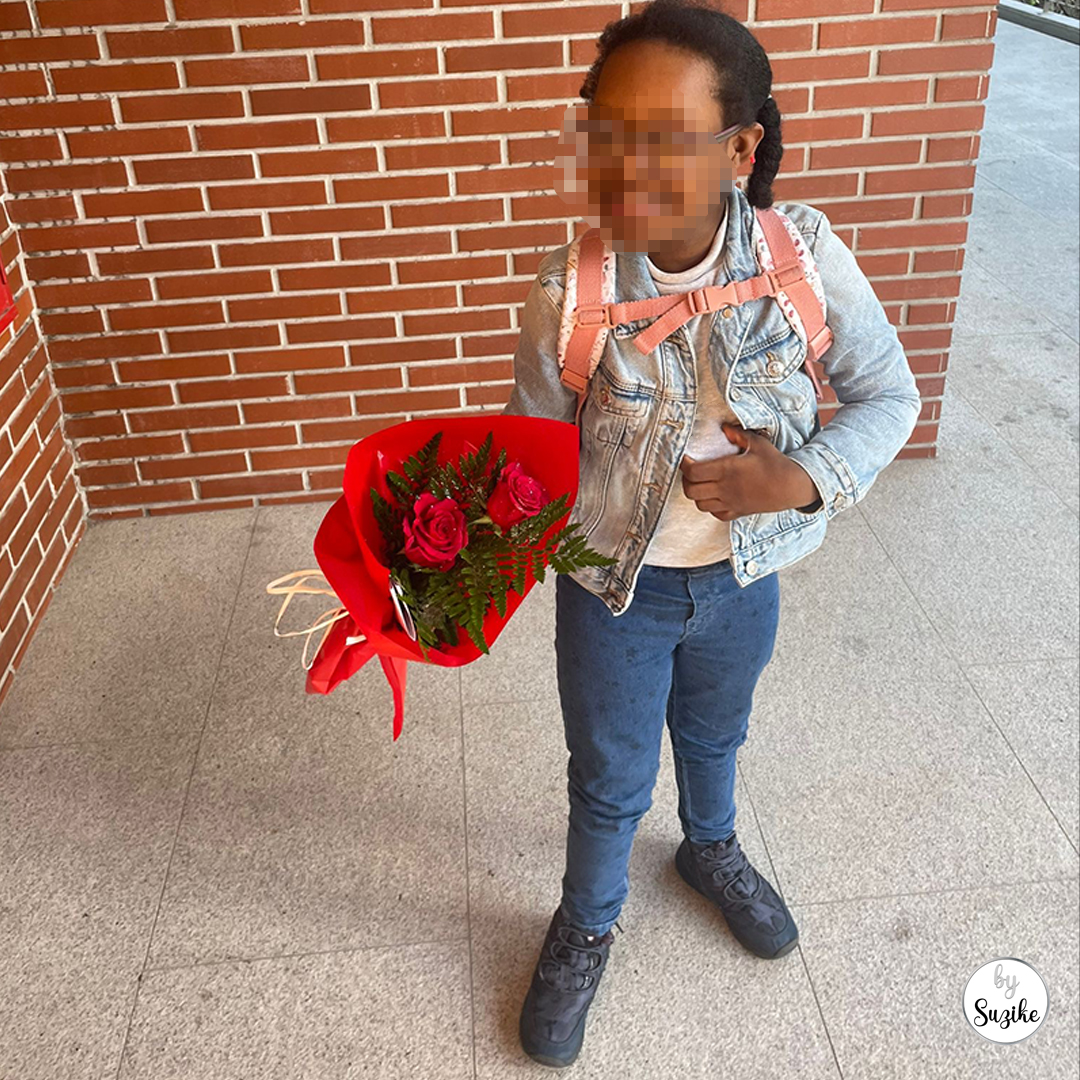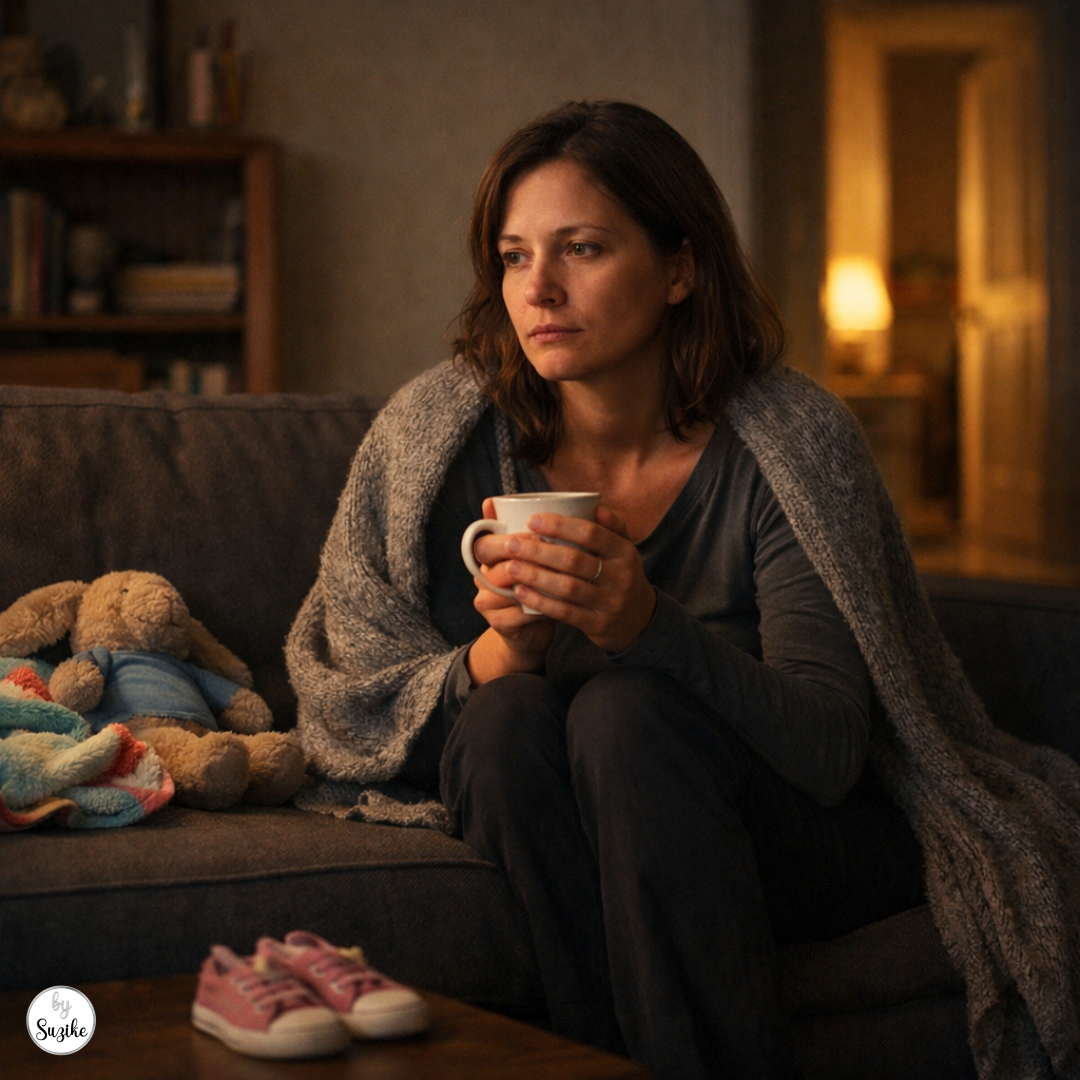
There is a specific kind of quiet that lives in a single mother’s home.
Not peaceful quiet. Not the kind you choose. It is the quiet of being the only adult in the room, every single day, with no one to hand something off to.
The Loneliness No One Talks About
A few years ago, I heard a woman say that when she became a mother, she finally understood the loneliness her own mother must have felt raising her alone. At the time, I did not fully understand what she meant.
I do now. Not in theory. In my kitchen, on a Tuesday evening, when something goes wrong and there is no one to share the look with. No one to say, I will handle this one. No one to be the backup.
You are the backup.
That is what people on the outside rarely see. They see a woman managing her life. They see independence, capability, strength. And yes, that is real too. But strength does not erase the feeling of being alone. In some ways, it makes it quieter. When you become the person who always has it together, others stop checking in. They stop asking how you really are. You become the one they come to for help, not the one they think might need it.
And so the loneliness becomes a private thing. Not dramatic. Not loud. Just always there, running in the background, like a tab that never closes.
What weighs most is not the absence of company. It is the mental load that never gets shared. Every decision, every plan, every reaction to a hard day, it all lands on you. The second-guessing. The pressure to never get sick, never have a bad day, never fall apart, because there is simply no plan B. You are the plan.
Solitude or loneliness by choice?
People sometimes assume that single mothers are lonely because others excluded them. In my case, it has been the opposite. I withdrew. Not because I stopped caring about people, but because I ran out of energy for them.
After giving everything to my daughter, to my work, to the daily logistics of keeping a life running, there is very little left for anyone else. Conversations get shorter. Invitations get quietly declined. Friendships fade, not because they did not matter, but because I have been in survival mode. And survival mode is not very social.
Over time, I made peace with that. It stopped feeling like failure and started feeling like honesty.
On Having a Partner
People often say that having a partner would make things easier. In some ways, yes, it would. But I have become very selective about who I would let into this space, and that selectiveness is not accidental.
My daughter’s wellbeing comes first. I have worked hard to build a calm, stable environment for her, and I will not compromise that for the sake of not being alone. The older I get, the more I value consistency, emotional maturity, and self-awareness in other people. I do not have the energy for chaos dressed up as passion. I have learned, the hard way, that peace is not just a preference. It is a need.
That selectiveness narrows the field considerably. But it also brings clarity. I no longer waste time on maybes. I no longer compromise just to have company. And there is a kind of freedom in that, even if the solitude deepens alongside it.
I would rather be alone in truth than accompanied in frustration.
What people often fail to see
Single mothers are not just doing it all. We are also constantly reflecting, recalibrating, and adjusting. We know our limits. We know when we are burning out. We also know exactly what is at stake if we drop the ball. So we keep going, not because we want recognition, but because there is no other option.
I do not need pity. I do not need to be rescued. What I need, and what I think many single mothers quietly need, is for people to recognise the reality of this life without romanticising it. It is not glamorous. It is not always empowering. But it is real. And within that reality, there is a quiet kind of dignity that does not ask to be seen. It just shows up, every day, and does what needs to be done.
Sometimes that means feeling invisible. Other times, it means feeling proud of how far we have come, without applause, without a safety net, without a partner to share the weight.
The structure we are building, for ourselves and for our children, is solid. And that is worth something. A lot, actually.
Research on single-mother wellbeing consistently shows that social support and internal resilience are the two strongest predictors of long-term stability in solo-parent families. That is not a small thing to carry. But we carry it anyway.
Your Turn
Has solitude shaped your standards, or your sense of self?
Leave a comment below. I always read them.