Women’s mental health is one of the most important conversations we are still not having openly enough. And I know this from the inside.
There was a time when I didn’t even recognise myself. I was functioning, waking up, feeding my daughter, doing what needed to be done, but I wasn’t living. I wasn’t feeling. I wasn’t present with myself. It took me years to understand that I had gone through a silent depression.
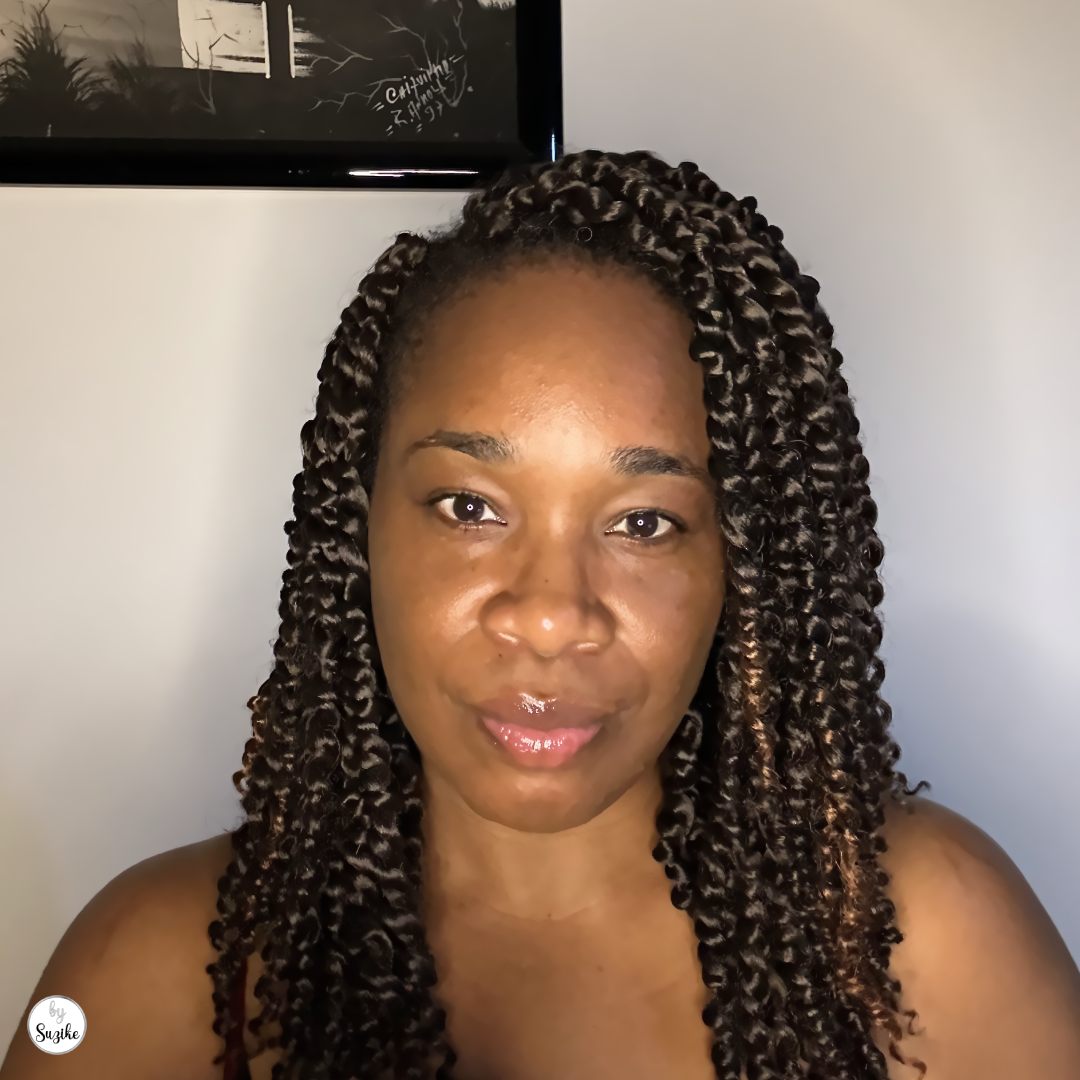
I used to look in the mirror and see a woman who had stopped caring. Not because she didn’t want to, but because she had no energy left for herself. My focus was entirely on my daughter. She needed me, and I gave her everything. But in the process, I forgot I needed me too.
What is terrifying about these phases is how easily they go unnoticed. You don’t always cry. You don’t always break down. Sometimes, depression looks like getting things done on autopilot. Like smiling at people while your internal world is crumbling. Like surviving, not living.
Every time I see a woman who has let go of herself physically or emotionally, I don’t judge. I see her. I remember her. Because I was her.
The Myth of the Strong Woman
We are taught to hold it all together. To be strong for everyone else. To not complain, to push through, to smile, even when we are drowning inside.
Part of reclaiming yourself is learning to protect your energy. If that feels difficult, this is worth reading: How to Set Boundaries and Say No Without Feeling Guilty.
Somewhere along the way, being strong became a burden instead of a choice.
This strength we are praised for can become a mask. And behind it, so many women are hiding pain, exhaustion, fear, and loneliness. The world sees capability. Nobody asks what it costs.
The Invisible Struggles We Don’t Talk About
Women’s mental health isn’t always about dramatic breakdowns. Often it is quiet. Private. Invisible. It hides in the way we stop caring about how we look, in the lack of energy to make even small decisions, in the fake “I’m fine” we say by reflex, in the mental load we carry without complaint, and in the guilt we feel for even thinking of putting ourselves first.
According to Mind.org.uk, women are significantly more likely than men to experience anxiety and depression, and significantly less likely to seek help. The reasons are complex, but one of them is simple: we have been taught that needing help is weakness. And we have believed it for too long.
I Didn’t Know I Was Depressed
Back then, I thought I was just tired. I thought it was normal to feel emotionally numb when life was demanding so much.
But the truth is we often don’t recognise depression when we are still getting things done. That is what makes it so dangerous.
High-functioning depression is real. And many women live with it for years, especially mothers and caregivers who believe self-neglect is part of the role. You keep moving. You keep showing up. And inside, something quietly disappears.
If you are in a season where functioning is taking everything you have, this might offer some grounding: How to Survive Difficult Days Without Feeling Overwhelmed.

How I Started to Reclaim Myself
What changed everything wasn’t a big event. It was a quiet decision: to start loving myself. Not in theory, in real life.
My daughter will always be my priority. But I came to understand something simple and powerful: if I am not well, it is not good for either of us.
Loving myself meant giving myself permission to exist beyond the roles I play. So I started reserving time just for me, not as a mother, not as a professional, not for anyone else. Just me.
That quiet decision to start choosing yourself is also the beginning of something bigger: The Power of Accountability: Taking Ownership of Your Life.
I call it Me Time.
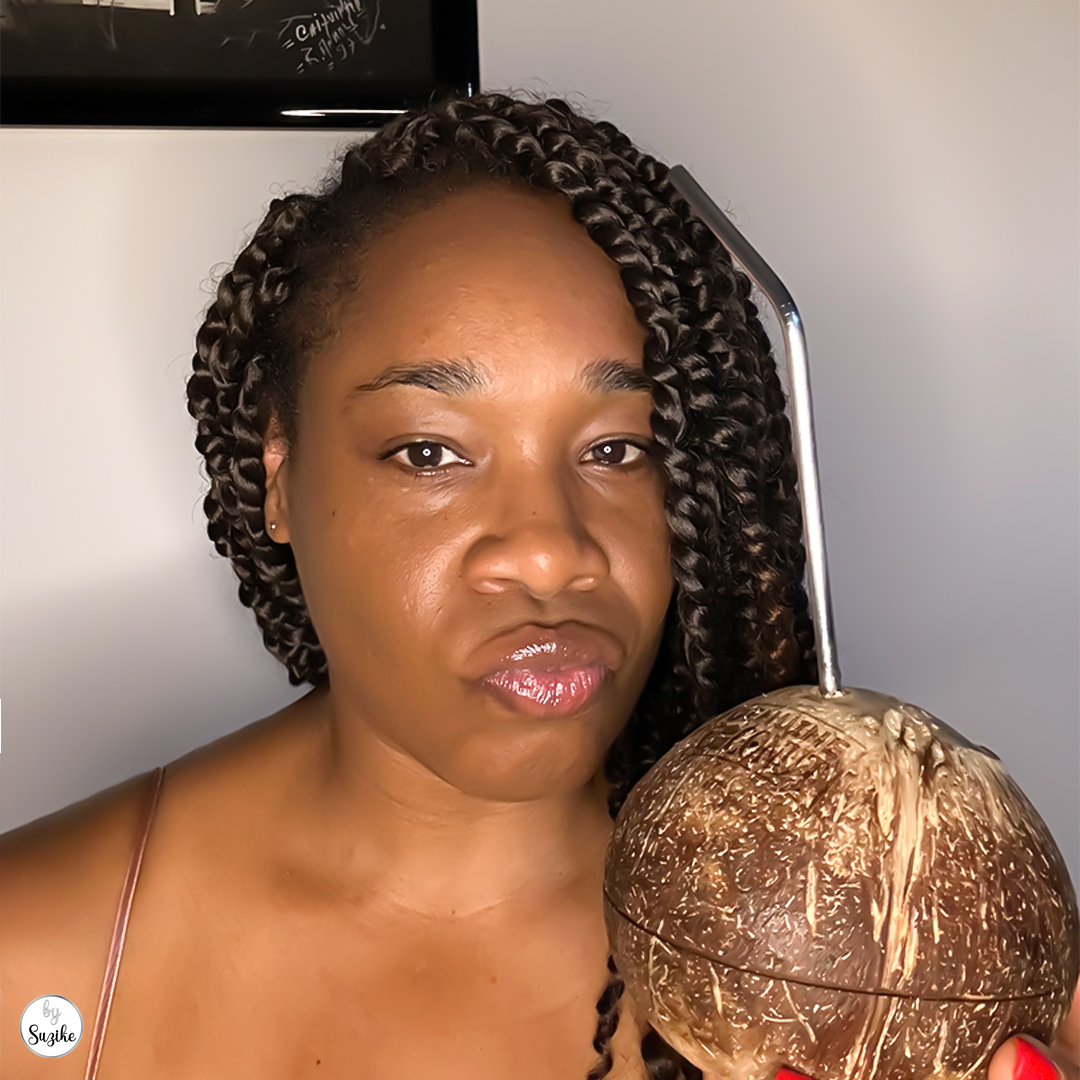
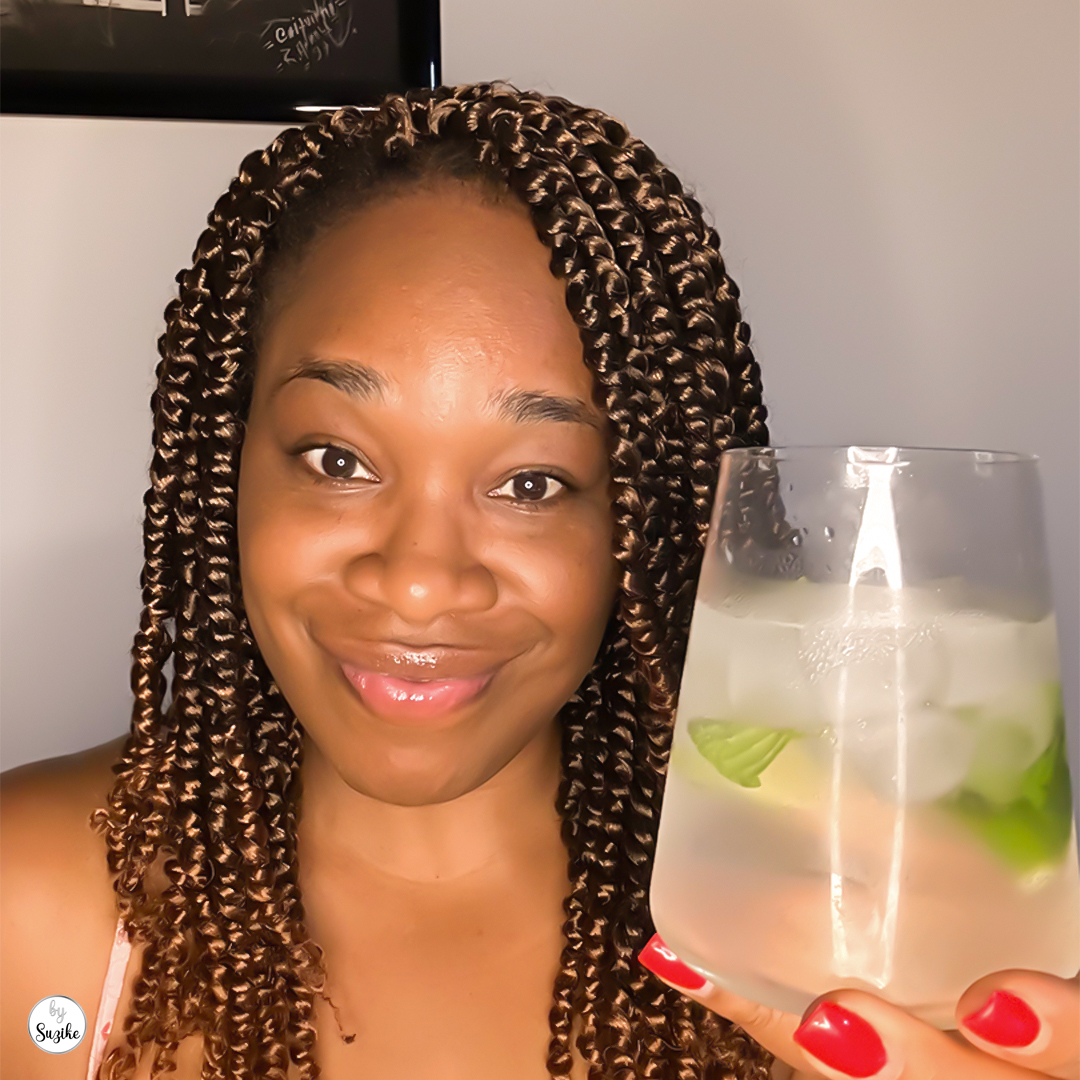
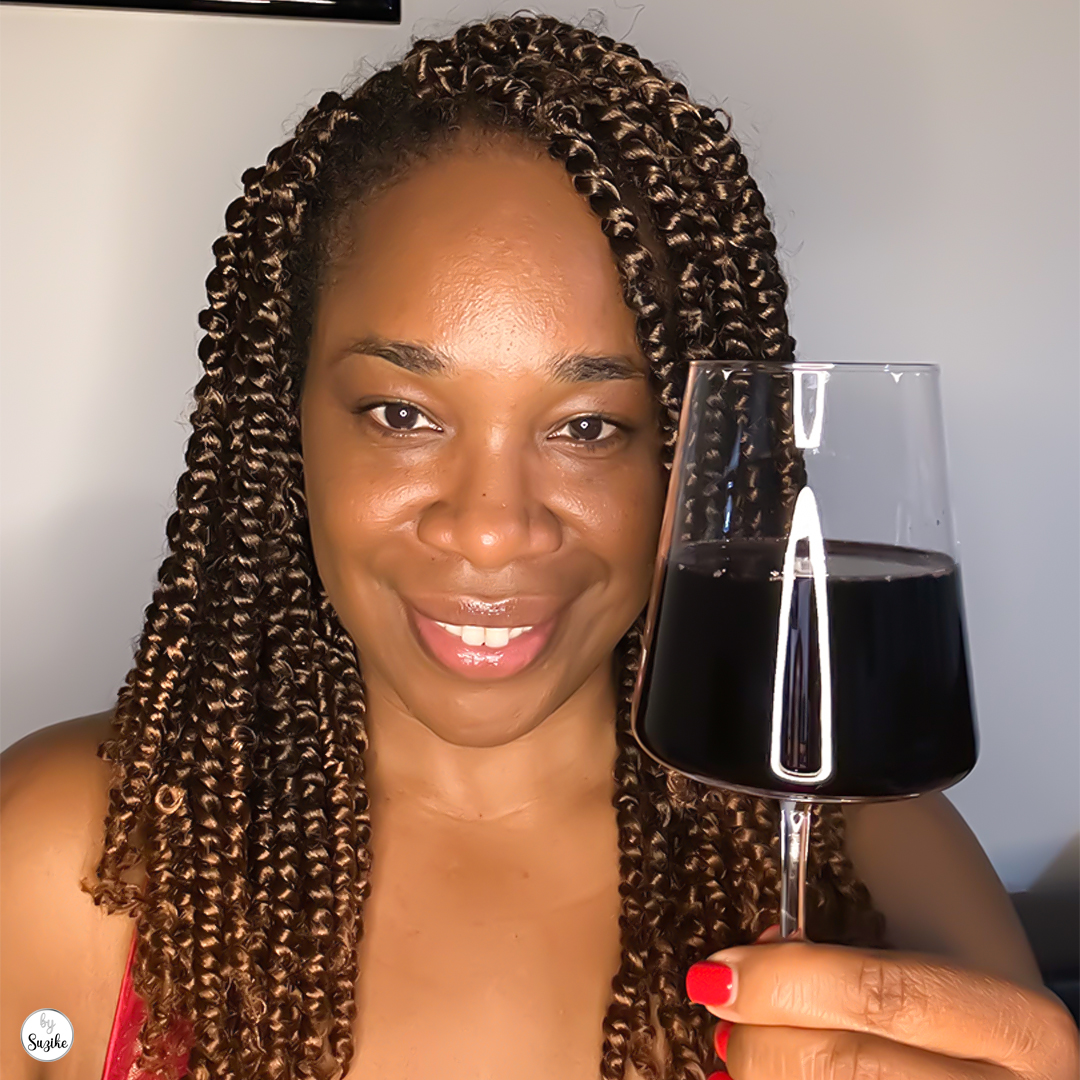
It is not when I exercise or run errands. It is when I sit down, pour a drink, watch a film I love, and stay in my own company. It is a quiet reminder that I exist, not only to serve others, but to enjoy life too.
I also began making better choices. I care for my body through food and movement, yes, but also through rest. I meditate when I feel the noise getting too loud. And I have learned to distance myself from people who, intentionally or not, disrupt my peace.
The more I honour myself, the more I discover who I really am. And with that, self-love keeps growing, quietly, steadily.
As I become more whole, I have noticed something beautiful: I am becoming a better mother too.

To the Woman Who Sees Herself in These Words
If you are in that place now, the numbness, the tiredness, the quiet aching, I just want to say: you are not broken. You are not failing. And you are definitely not alone.
Sometimes being strong looks like finally stopping. Sometimes healing starts with one honest sentence: I don’t feel okay.
Say it. Whisper it. Write it down. And let that be the first step back to yourself.
You matter, not just to others, but to yourself too. Even when you forget who you are, your worth doesn’t disappear. It is still there. Waiting.
Me Time Ritual

 And… there you have it: today is my Me Time day.

Last week’s series didn’t go as I expected, so I’m moving on to something different: The Legend of Tarzan. I have high hopes for this one. 
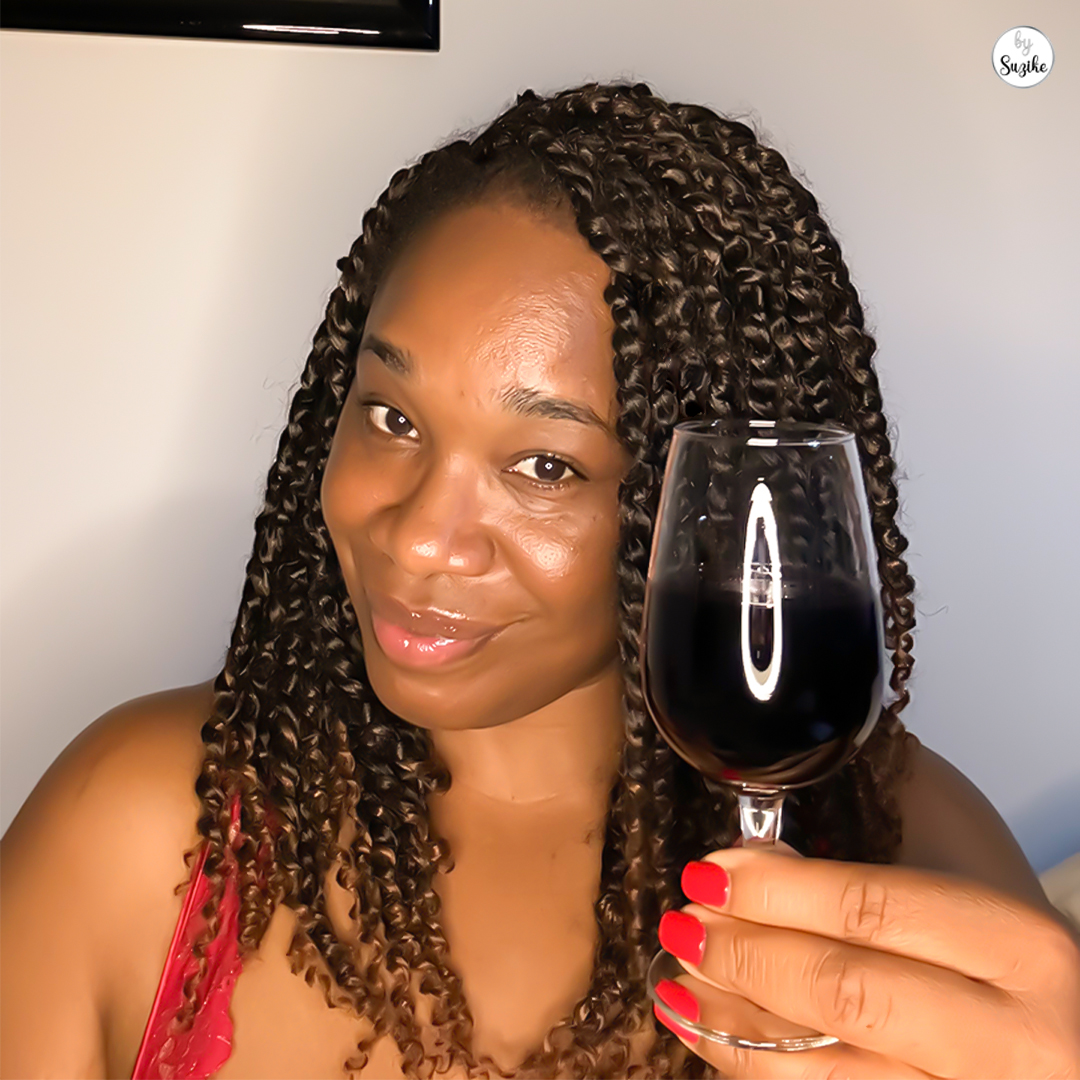
Today’s low carb drink will be a wonderful red wine. LOVE IT! 

Bye-bye!