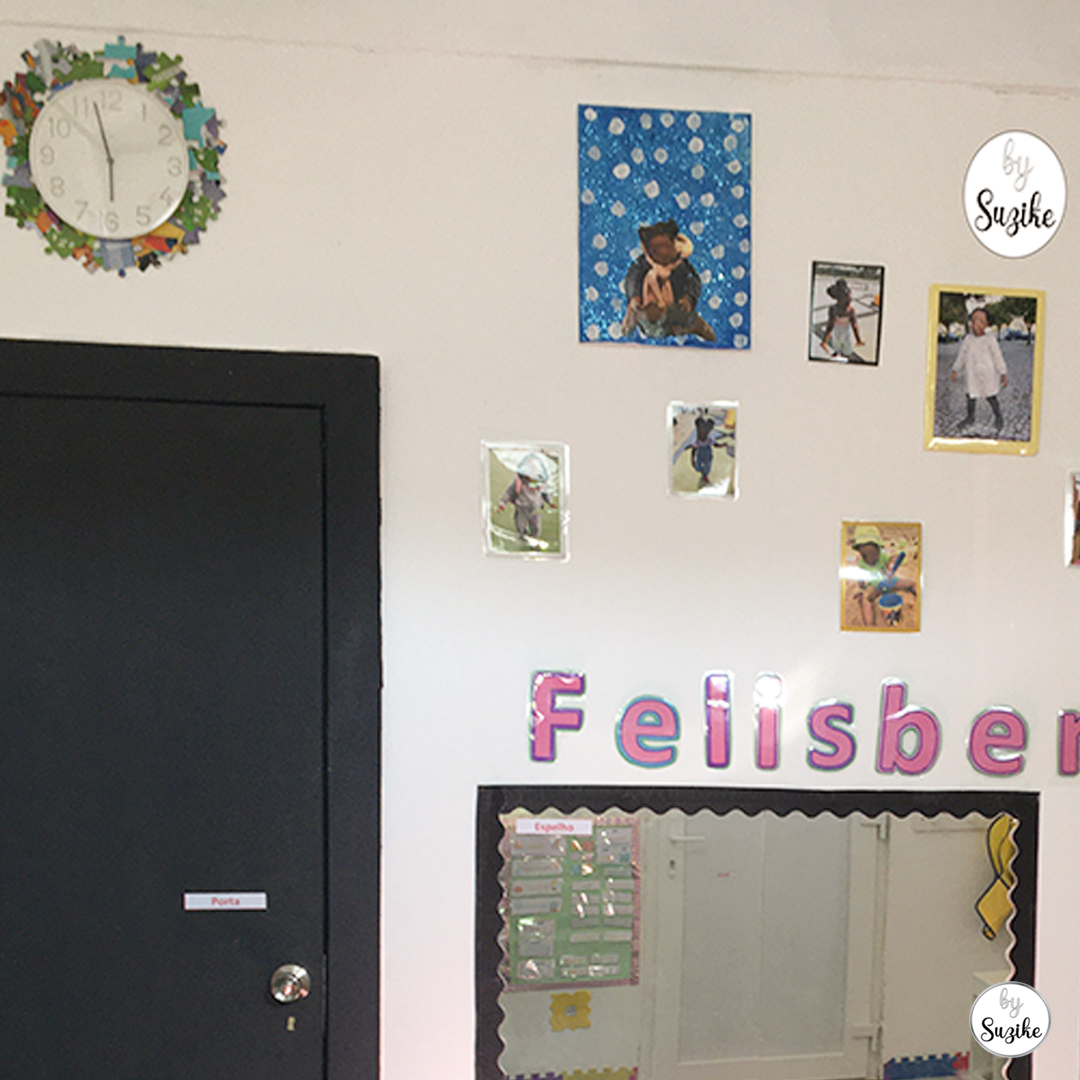
Creating a child study room at home is about understanding your child’s daily routine, personality, and the way your family actually lives.
This study room was designed to be practical, calm, and flexible. A space where my daughter can study, read, play, and move freely, without turning learning into something heavy or forced. Over time, this setup proved to be functional, easy to maintain, and adaptable as her needs changed.
This post is a real-life look at how I organized a child’s study room at home, focusing on family organization, simplicity, and functionality rather than perfection.
Creating organized spaces at home became even more important once I started simplifying our daily routines, especially mornings and evenings.
The Idea Behind This Study Room
The main goal was to create a space that felt welcoming and familiar, not overly structured or institutional. I wanted my daughter to feel that this room belonged to her, a place where she could concentrate but also relax.
Another important aspect was keeping everything organized without filling the room with unnecessary furniture. Every element in this space has a purpose, whether for studying, reading, storing materials, or playing.
Many items were reused or repurposed from other areas of the house, proving that organizing a study room does not require a big budget or a complete redesign.
How the Space Is Divided
The room is divided into simple, clearly defined areas. This helps maintain order and makes it easier for a child to understand what each part of the room is used for.
-
A desk area for focused activities
-
A reading and quiet corner
-
A storage and toys area
-
An open central space for movement and play
This division allows the room to support different moments of the day without feeling cluttered or overwhelming.
Desk Area
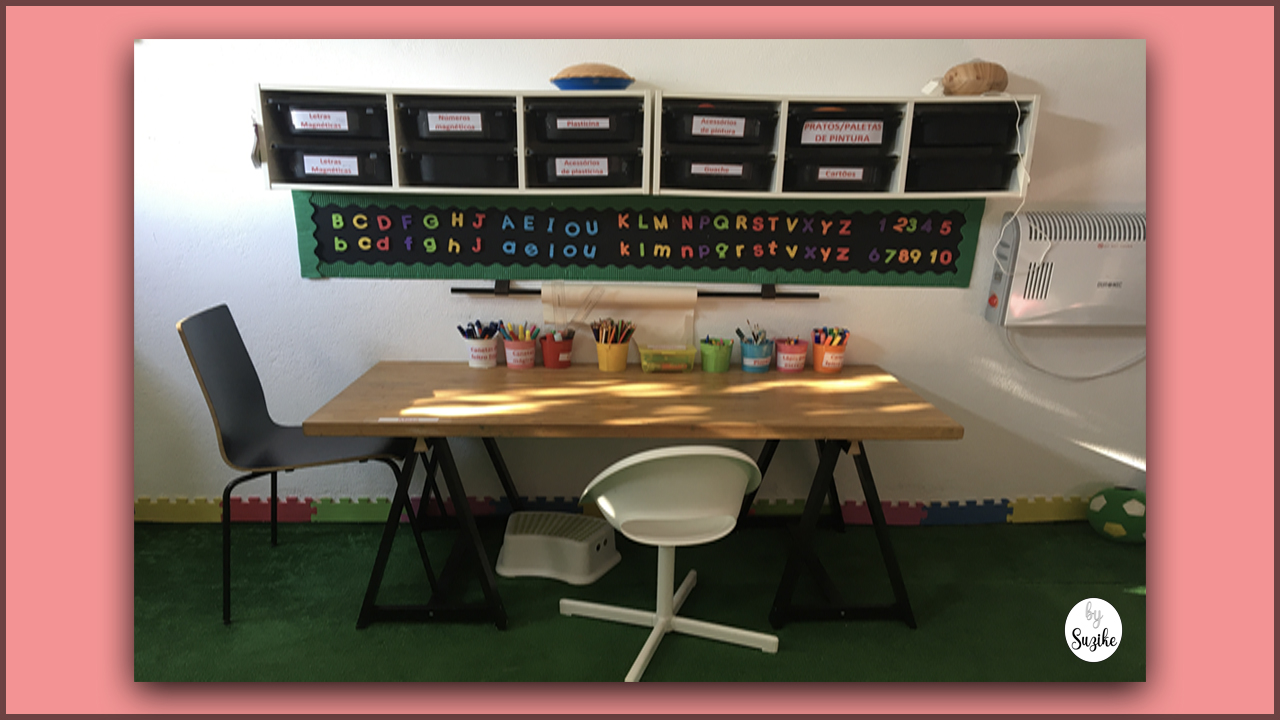
The desk area is designed to be stable, practical, and comfortable. The tabletop was repurposed and placed on simple supports, creating a solid surface that does not move easily. This stability is especially important for children, as it reduces distractions and frustration.
Above the desk, storage is kept visible and accessible. School supplies are organized in containers that make it easy for my daughter to see what she has and put things back in place. This encourages independence and responsibility without constant reminders.
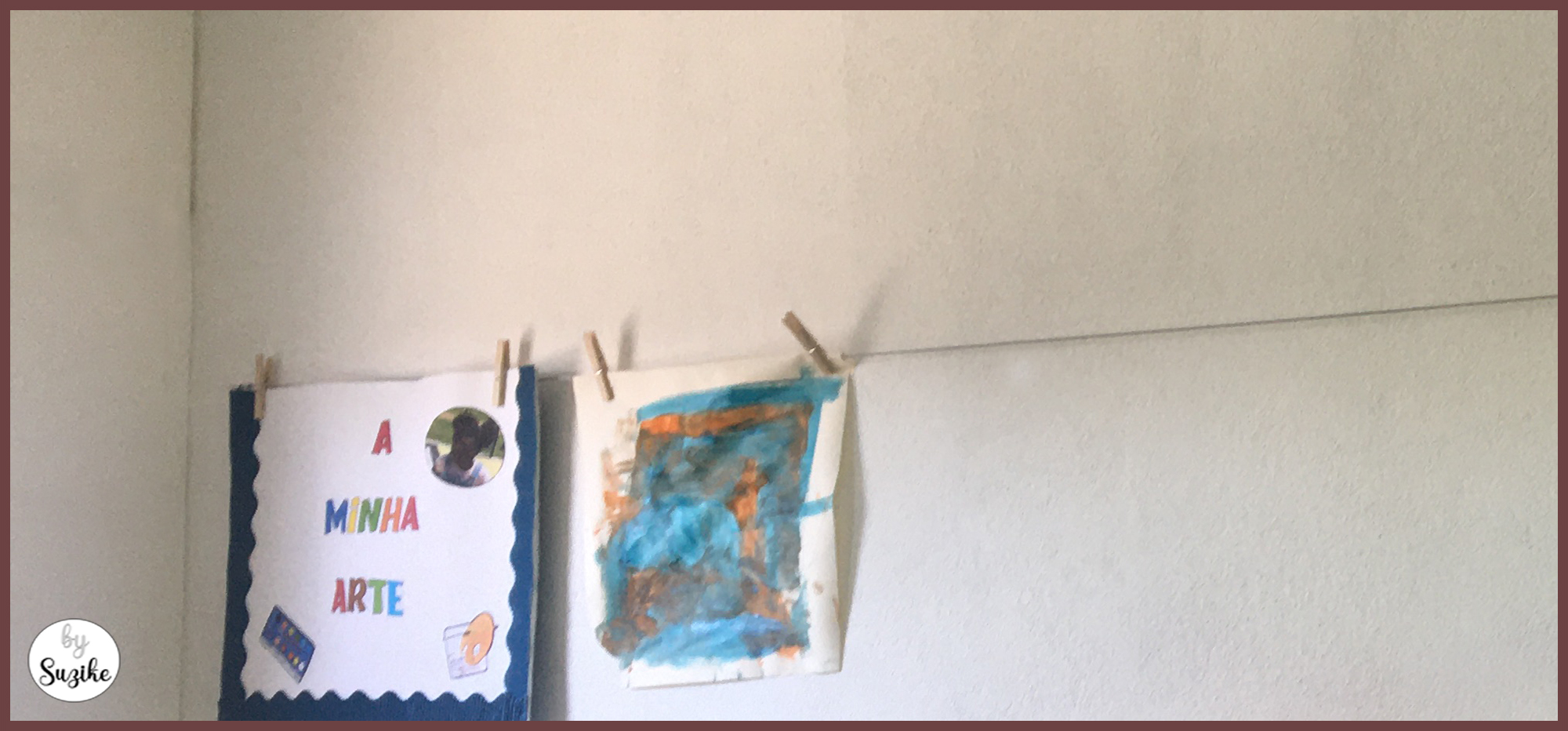
Artwork is displayed above the desk, turning the wall into a small exhibition space. This gives value to her creations and reinforces the idea that the room is hers.
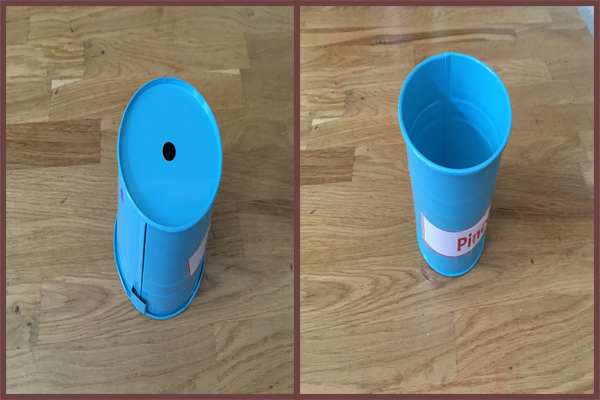
I use these hanging metal cups to keep pencils and supplies organized and easy to reach. You can find the same ones here.
Storage and Organization Details
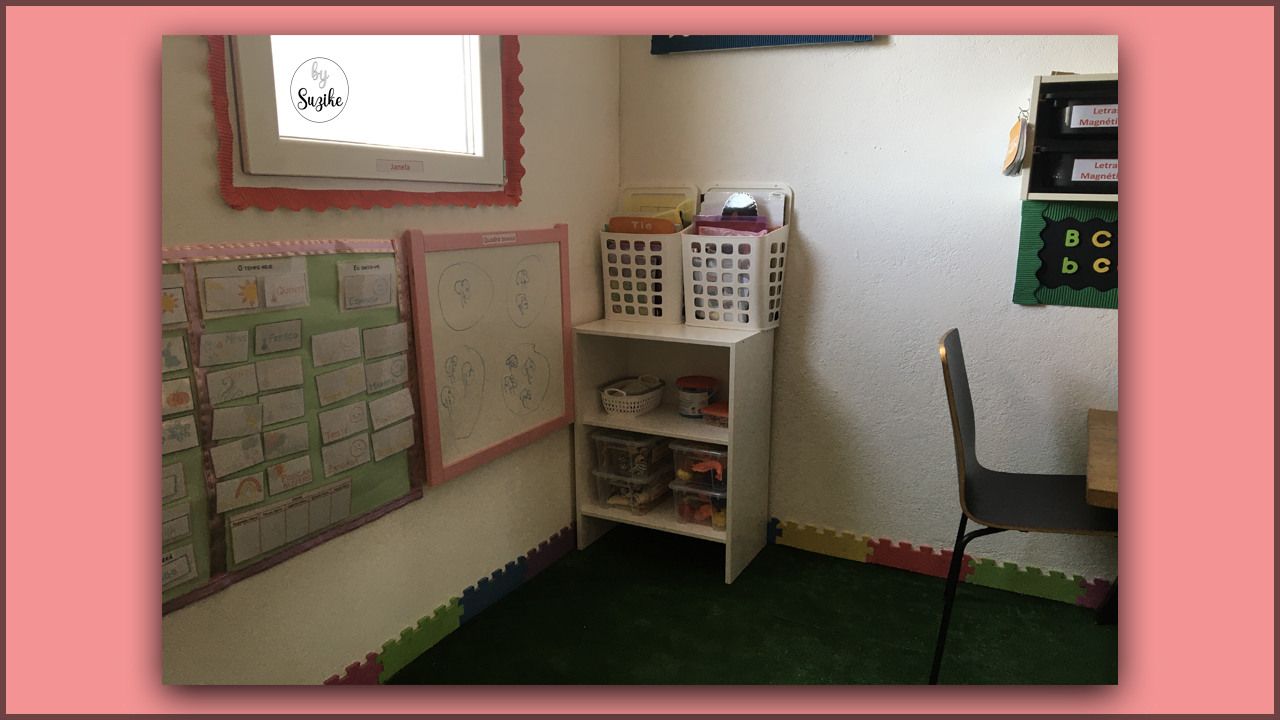
Storage plays a key role in keeping the room functional. Materials are organized in clearly labeled containers, making it easier to maintain order during daily routines.
Small details matter. For example, open containers are covered at the base so that pens and pencils do not fall through. Shelves are positioned at a height that allows my daughter to access items safely without adult help.
Above the desk area, a bookcase holds additional supplies and work materials. This keeps the main surface free and visually clean.
Toys and Play Area
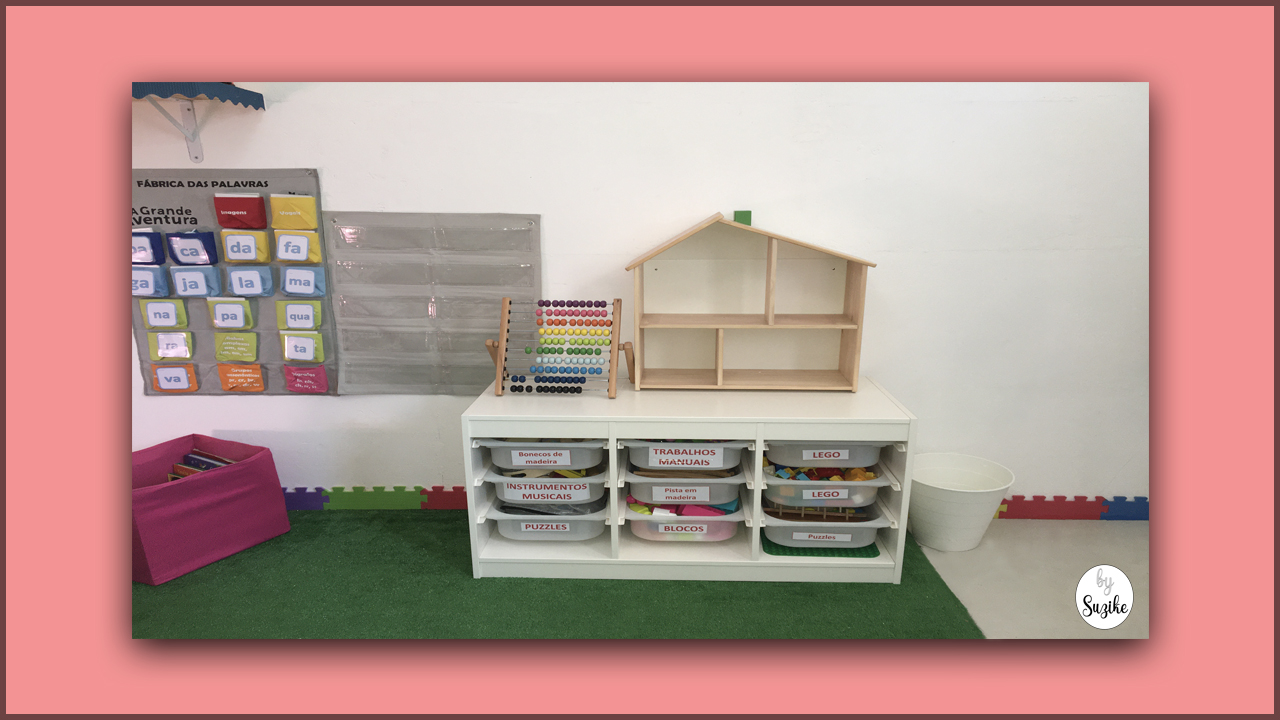
Toys are stored in a dedicated piece of furniture that keeps everything visible and organized. Items such as building toys, wooden dolls, and creative materials are easy to reach and easy to put away.
Above the storage unit, there is a dollhouse that naturally invites imaginative play. This setup allows learning and play to coexist without conflict, which is essential in a child’s daily routine.
The center of the room is intentionally left open. This free space allows movement, floor play, and activities that require space, supporting both physical and creative development.
Toys and Play Area
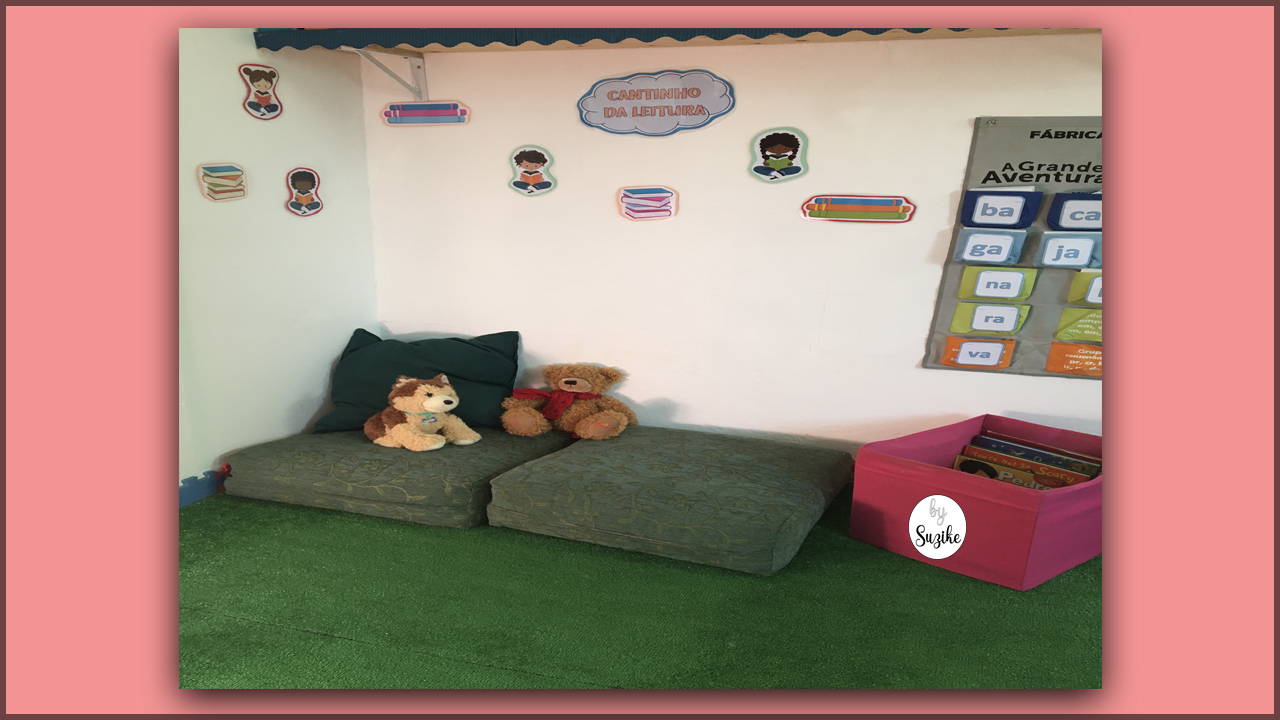
The reading corner is one of the most relaxed areas of the room. It is made using cushions from a sofa that was no longer in use, combined with soft pillows and a simple box for books.
This space is not only for reading. It is also where my daughter spends quiet moments with her tablet, looks through picture books, or simply rests. Having a comfortable, low-pressure area like this helps balance focused activities at the desk.
Books are stored nearby and rotated regularly to keep her interest alive without overcrowding the space.
Why This Setup Works for Family Routines
A dedicated study room is not essential for children to learn. However, having a defined space has helped our family routines significantly.
This setup keeps materials contained in one place, reduces daily clutter in shared areas of the house, and helps establish a natural rhythm between focused time, play, and rest. My daughter knows what the room is for, and that sense of ownership makes a difference in how she uses it.
The room has remained functional over time because it was designed with flexibility in mind, rather than fixed rules.
Having defined spaces at home also supports calmer activities, whether it’s focused time, quiet play, or simple routines like meal prep and planning the week.
Final Thoughts on Creating a Child’s Study Room at Home
Organizing a child’s study room does not require perfection, expensive furniture, or following trends. What matters is creating a space that supports your family’s daily life and your child’s individual needs.
This room is a reflection of how we live, learn, and organize ourselves as a family. It is practical, adaptable, and focused on what truly works in real life.
Organizing spaces at home is only one part of creating smoother family days. The same mindset applies when planning activities outside the house.


Leave A Comment