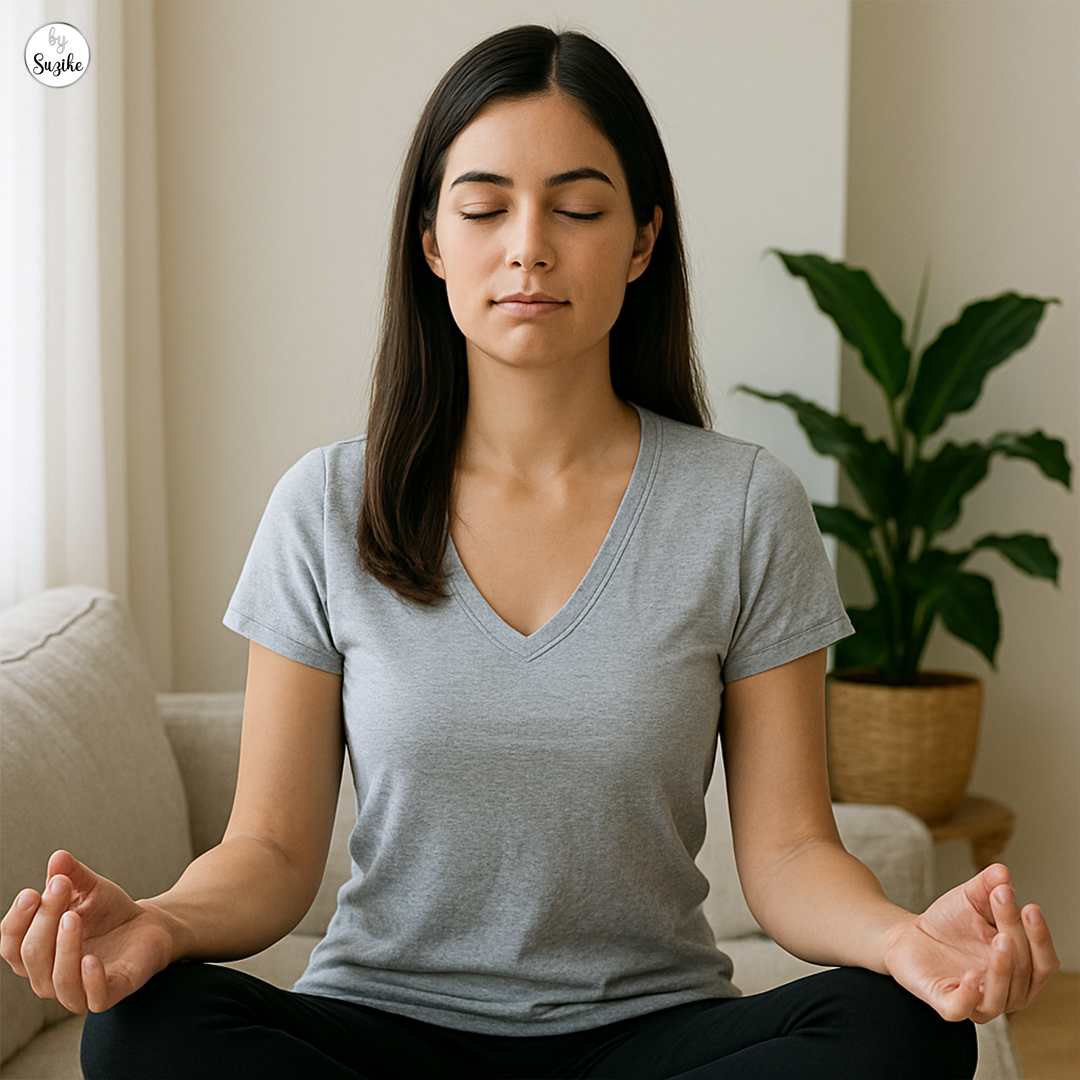
Self-care for women is one of the most searched topics online.
It is also one of the most misrepresented.
The version that gets shared most often involves candles, matching pyjamas, a calm morning routine and a cup of something warm photographed in perfect light. Sometimes that version is genuinely nice. But for most women, especially after 40, self-care looks nothing like that.
It looks like finally going to bed before midnight. Like saying no to something without explaining yourself. Like noticing that your body has been asking for attention for months and you kept ignoring it because everything else was more urgent.
Real self-care for women is connected to mental health because women are expected to function, organise, support, remember, prepare and keep going, with very little space left for themselves. This post is about what that actually looks like in practice, and what genuinely helps.
Why Self-Care Matters for Women’s Mental Health
Self-care is often treated as something extra. Something to do after everything else is done.
The problem is that everything else is rarely done.
There is always another message, another bill, another appointment, another meal, another school thing, another worry, another person needing something. For many women, the mental load is not just mental. It lives in the body too. It can show up as poor sleep, irritability, emotional exhaustion, low patience, brain fog, tension, crying easily or simply waking up already tired.
After 40, this often becomes more obvious. Hormonal changes, perimenopause, work pressure, motherhood, ageing parents, financial responsibilities and identity shifts can all arrive at the same time. Sometimes a woman thinks she is just tired, when in reality her whole system has been asking for attention for months.
That is why self-care for women’s mental health cannot only be about pretty routines. It has to include rest, boundaries, emotional honesty and a better understanding of what is happening inside the body.
Self-Care Starts With Paying Attention
One of the most useful forms of self-care is simply paying attention to yourself again.
That sounds basic. But many women stop doing it.
We notice everyone else. We notice the child who is quieter than usual. We notice the fridge is almost empty, the appointment that needs booking, the email that has not been answered. We notice everything except ourselves.
Then one day we realise we have not really checked in.
How am I sleeping? How am I eating? Am I tense all the time? Am I angry, or am I exhausted? Am I sad, or have I been unsupported for too long? Am I anxious, or is my life genuinely overloaded?
These questions matter. Self-care begins there. Before the routine, before the journal, before the candle. It begins with telling yourself the truth.
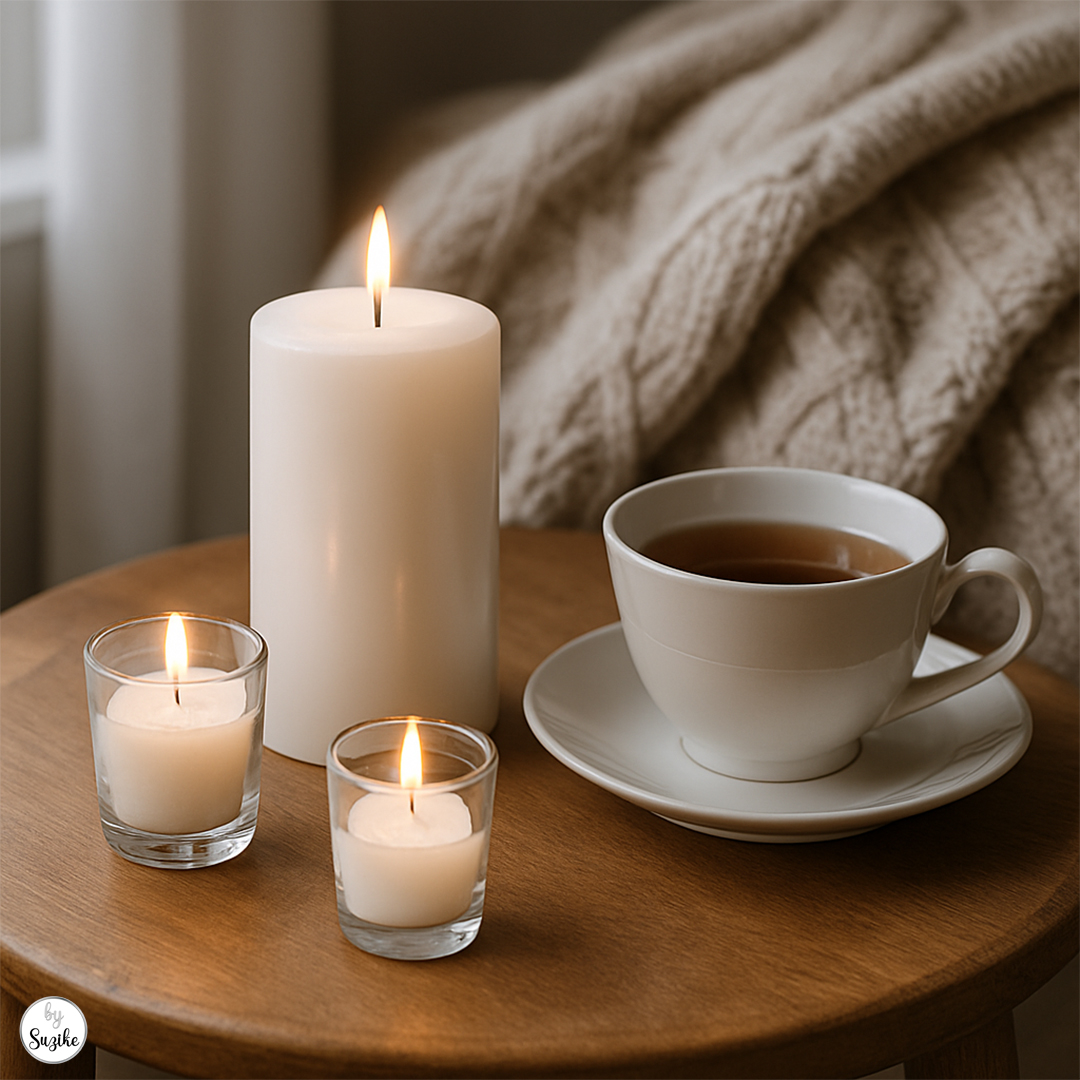
Simple Self-Care Practices That Feel Realistic
Self-care does not have to be complicated or expensive.
For many women, the most realistic practices are small, ordinary and almost invisible. They do not look impressive from the outside, but they can change the way a day feels.
Taking ten quiet minutes before answering messages can be self-care. Going to bed earlier, even if the house is not perfect, can be self-care. Sitting with a cup of coffee without scrolling can be self-care. Writing down what is actually bothering you can be self-care. Moving your body gently can be self-care. Saying no without a three-paragraph explanation can be self-care.
Opening a window, taking a shower, changing clothes, walking outside, drinking water, crying in peace, sitting in silence, leaving the phone in another room.
Simple things. The kind that sound small until you realise you have not been doing them.
Breathing and Quiet Moments
Breathing exercises can sound annoying when someone suggests them at the wrong moment. I get that.
When life is genuinely heavy, being told to just breathe can feel almost insulting. But a few slower breaths can still create a pause. And that pause can stop the day from swallowing you whole.
It does not have to be dramatic. No perfect meditation corner. No special music. No pressure to become a different person.
Just a few minutes where your nervous system receives the message that, for this tiny moment, nothing else is being demanded from you. That can be enough to soften the edge of the day.
Journaling as an Honest Self-Care Practice for Women
Journaling works best when it is honest rather than performative.
No aesthetic pressure. No need to write beautifully. Just a place where the truth can come out.
Some days, that might be one sentence. “I am tired of being needed.” “I feel invisible.” “I need help.” “I am angry because I keep saying yes.” Those sentences matter because they reveal what the mind is trying to process quietly in the background.
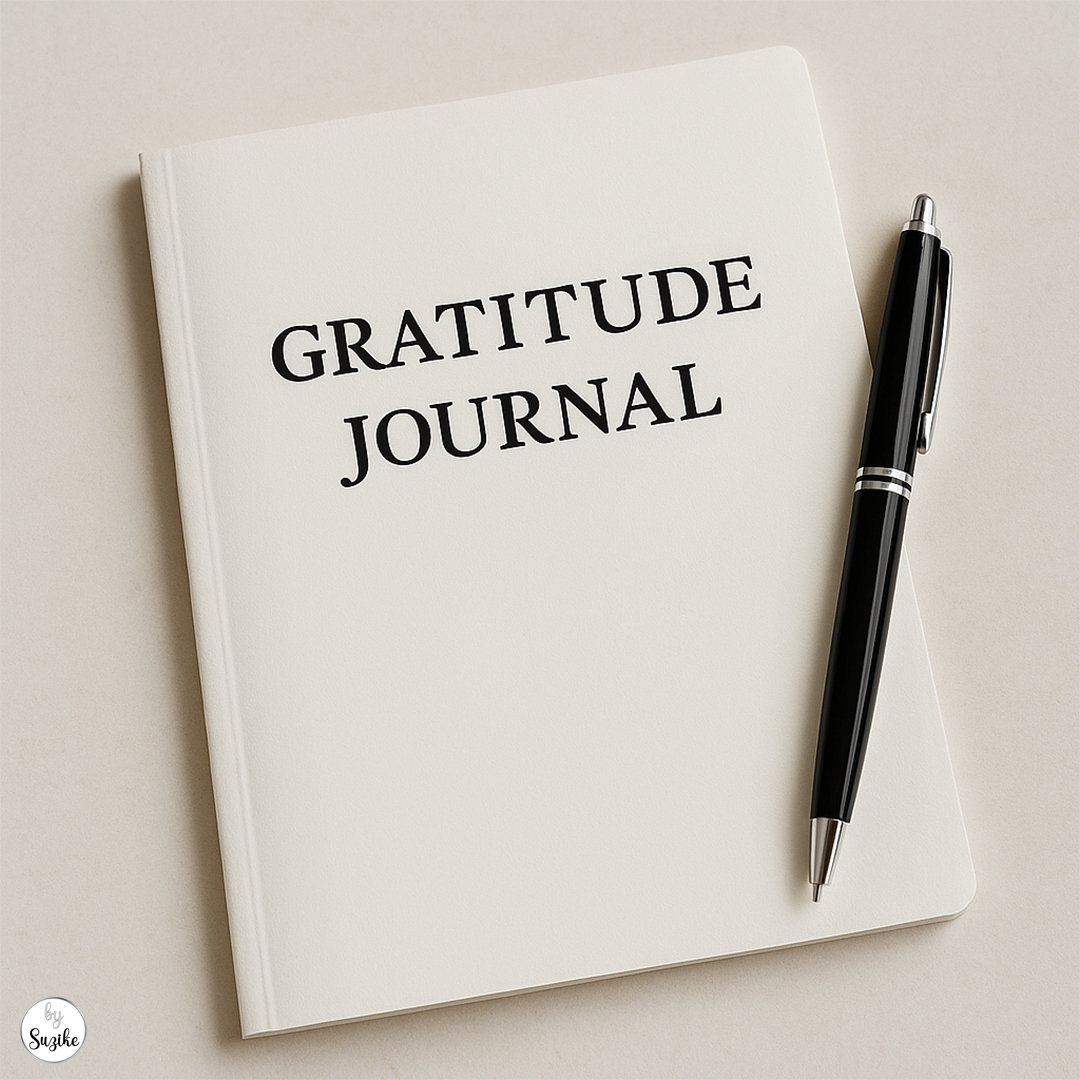
Gratitude journals can be useful too, but only when they do not become another way to silence yourself. A woman can be grateful and still tired. A woman can love her family and still need space. A woman can have a good life and still feel emotionally overwhelmed. Journaling gives those contradictions somewhere to land.
Why Boundaries Are Part of Women’s Mental Health Self-Care
For many women, boundaries are one of the hardest forms of self-care. Because boundaries affect other people.
A candle does not get upset. A journal does not complain. A face mask does not accuse you of changing. But a boundary? That can make people react.
This is why so many women avoid them. They keep saying yes because it feels easier in the moment. Then the resentment arrives later. The tiredness arrives later. The emotional distance arrives later.
Self-care for women’s mental health has to include boundaries because constant availability slowly drains a person. According to research from Greater Good Magazine, setting limits on what we take on is directly connected to emotional sustainability and long-term wellbeing.
Sometimes the boundary is simple. Not answering immediately. Not explaining everything. Not taking responsibility for another adult’s mood. Not making yourself smaller to keep things peaceful.
These are not always easy changes. But they are often necessary ones.
Why Rest Is Part of Self-Care for Women
Rest sounds simple. But many women feel guilty resting.
There is always something that could be done. Something more productive. Something that would make the house better, the family happier, the work more advanced. So rest becomes something that has to be earned.
That is a dangerous place to live.
A tired woman does not always need more discipline. Sometimes she needs recovery. Real recovery. Not scrolling while mentally listing everything left to do. Not sitting down while feeling guilty. Not lying in bed with the brain still working at full speed.
Actual rest. The kind where the body is allowed to stop. The kind where nobody is being managed for a little while. The kind where silence is not filled immediately.
Rest is not a reward for perfect performance. It is part of being able to continue living like a human being.
Self-Care After 40: When Your Body Starts Changing
After 40, self-care also needs to include the body.
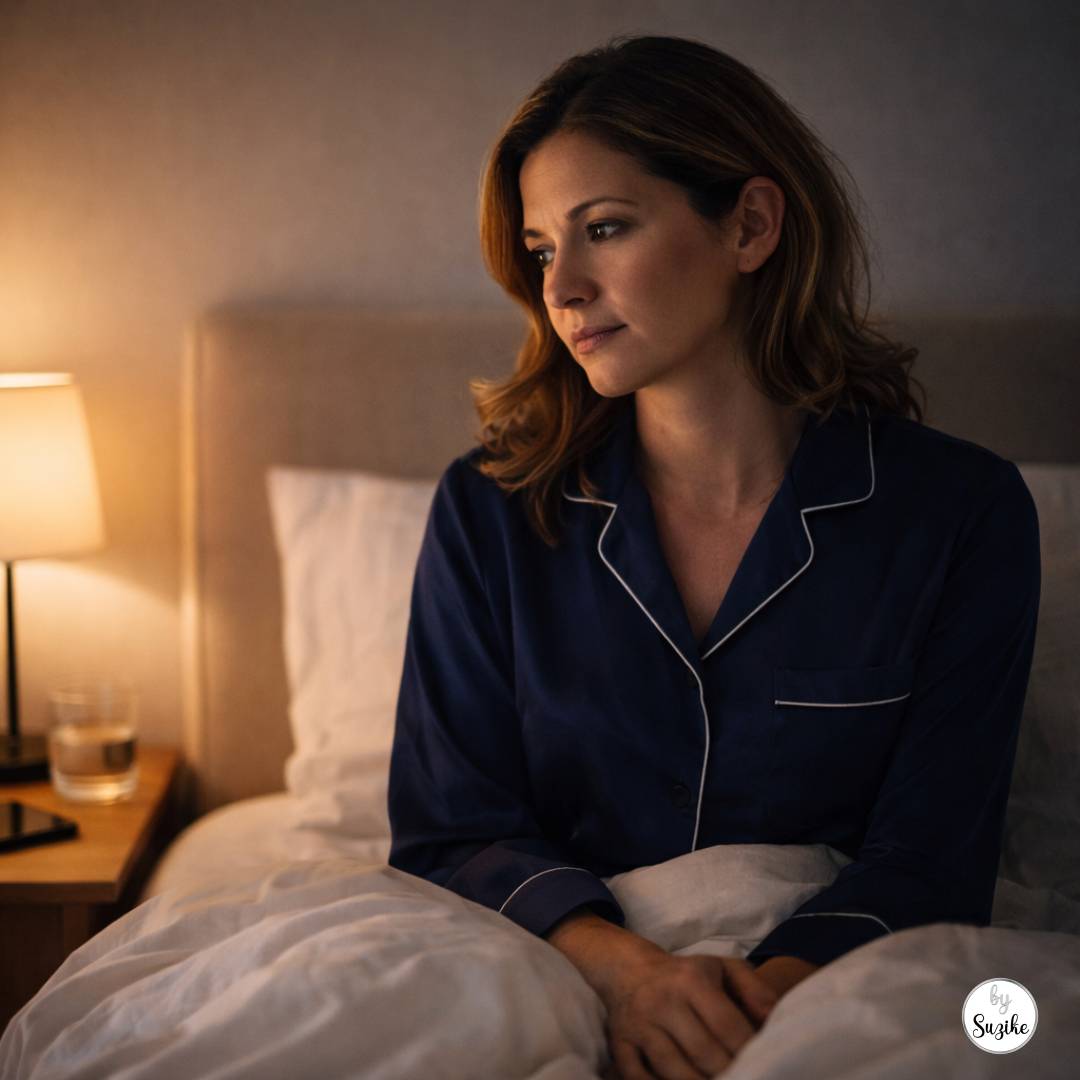
Many women begin to feel changes they were not fully prepared for. Sleep becomes lighter. Weight shifts. Energy feels different. Emotions become sharper or flatter. The body no longer responds the way it did before, and that can feel confusing or even alarming.
If you have been noticing these changes, perimenopause weight gain and why your body feels different after 40 is worth reading. Mental health and physical changes are often closely connected, and understanding what is happening hormonally can reduce a lot of unnecessary self-blame.
If your tiredness feels deeper than a busy week, burnout after 40 may explain why ordinary rest no longer feels like enough.
Sleep belongs here too. If your nights have become broken, lighter or more restless than before, why sleep becomes harder for women after 40 connects directly with self-care and emotional balance.
And if the emotional side feels heavier than the physical one, emotionally drained after 40 is the right place to continue. Some women keep functioning for everyone else while feeling empty inside, and that deserves to be named properly.
Knowing When to Ask for More Support
There are moments when self-care at home is useful. There are also moments when more support is part of the answer.
If sadness, anxiety, exhaustion, panic, hopelessness or emotional numbness become constant, that deserves proper attention. Talking to a doctor, therapist or mental health professional can be part of self-care too.
That does not make a woman weak. It means the situation is being taken seriously. Sometimes the kindest thing a woman can do for herself is stop pretending she can carry everything alone.
FAQ: Self-Care for Women and Mental Health
Small Things Count
Self-care for women is often sold as something soft, pretty and easy to schedule. In real life, it can be much more basic than that.
It can be noticing that your body is changing. Admitting that you are tired. Sleeping earlier, saying less yes, asking for space, booking the appointment, or taking ten quiet minutes before the day asks for everything again.
Small things count. Rest counts. Boundaries count. Understanding yourself counts.
If this resonated, the BySuzike Edit newsletter covers topics like this every week, for women navigating real life after 40.



Leave A Comment