
Loosing your identity after 40: you’re doing everything. Getting up, showing up, handling what needs to be handled. From the outside, your life looks fine. But something feels off. You can’t quite explain it. You catch yourself in the mirror and think: where did I go? It doesn’t happen all at once.
That’s what makes it so disorienting. It’s not a crisis. It’s three years of saying yes when you meant no. It’s dinners made, schedules managed, everyone else’s needs tracked, while somewhere along the way you forgot that you used to have preferences. That you had a life that felt like yours. If you’ve been thinking “I don’t feel like myself anymore,” you’re not being dramatic. You’re being honest about something real.
This post is about what’s actually happening, why it’s so common after 40, and what you can do about it. Nothing theoretical. Just things that work.
What “losing yourself” actually feels like
It’s not necessarily sadness. That’s the confusing part.
It’s more of a quiet numbness. You function, you cope, you manage. But the version of you that was curious, a little spontaneous, sure of what she liked… feels very far away.
It shows up in small things:
- Someone asks what you want for dinner and you genuinely don’t know.
- An old song comes on and hits somewhere you’d forgotten about.
- You get dressed and feel like you’re wearing a costume.
- You see old photos and can’t remember the last time you looked relaxed.
You’re tired in a way that sleep doesn’t fix. Your confidence has quietly slipped, not because of one big thing, but because of a thousand small moments where you chose the safe option, the practical option, the one that kept everyone else okay.
It feels like grief. And in a way, it is.
Why it happens after 40
A few things tend to collide around this age, and they don’t always announce what they’re doing.
The first is role overload. At some point you became the person who handles everything. The mother, the professional, the household manager, maybe already the one keeping an eye on aging parents too. When your entire life becomes output, your identity quietly shrinks from who you are into what you do.
The second is perimenopause, which most women don’t see coming until they’re already in it. Disrupted sleep, brain fog, irritability, lower stress tolerance. None of it is dramatic on its own. Together, it changes how you experience everything. You’re not imagining it. Your nervous system is genuinely working differently now.
And then there are the transitions that pile up quietly. Kids getting older. Friendships shifting. Relationships changing. Your body changing. A new awareness of time passing. These aren’t necessarily bad things, but they trigger something: a quiet re-evaluation of who you are and what you actually want. Even if you never planned on asking that question.
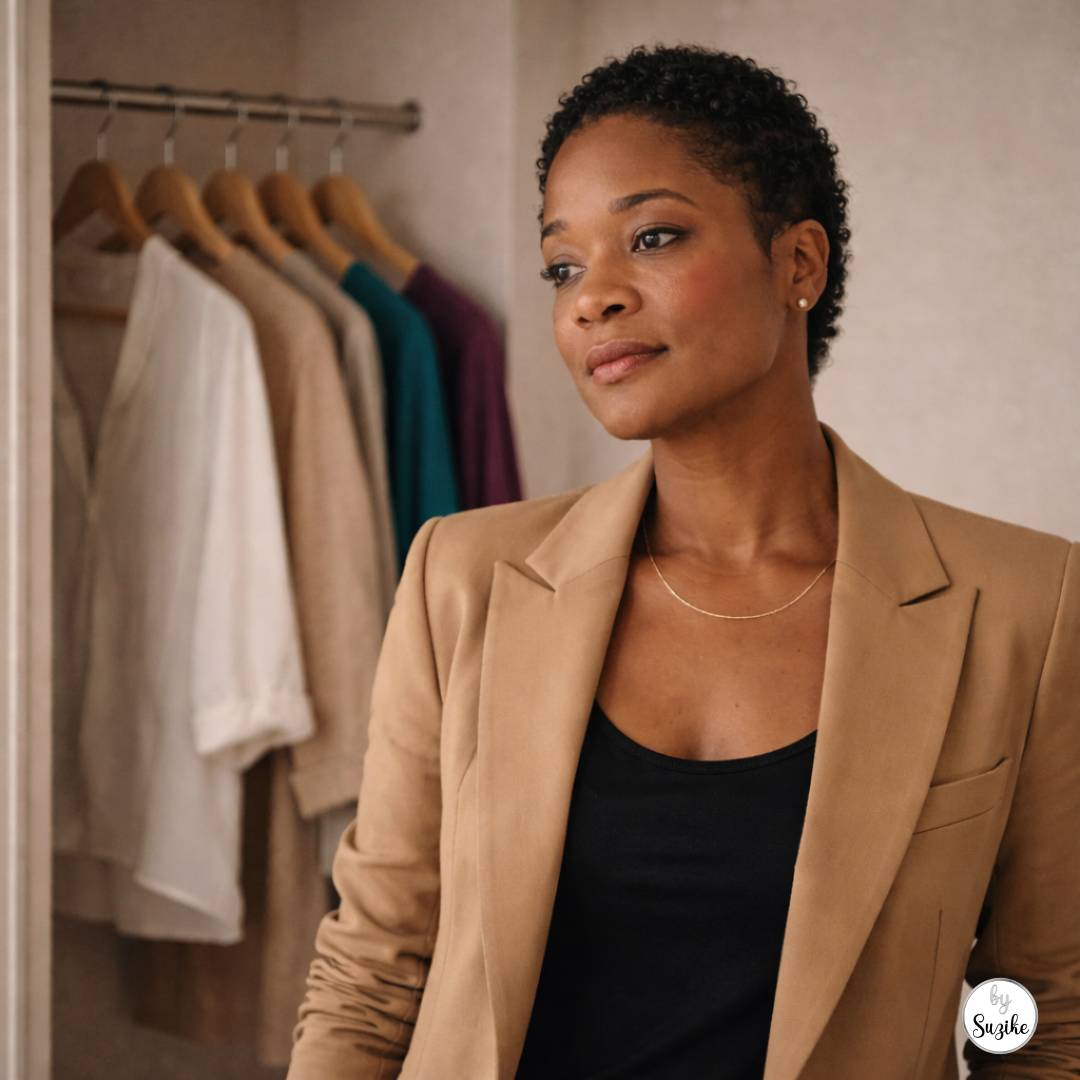
The silent identity trap most women fall into
You become the person who holds it together.
The one people call. The one who keeps everything stable. And slowly, the parts of you that were playful, ambitious, a little unpredictable… stop being useful. So they go quiet.
You don’t lose yourself all at once. You lose yourself in small compromises, one trade-off at a time, until the real version of you becomes someone you barely remember.
Losing your identity after 40 is often a sign of long-term coping mode. You have been carrying too much, for too long, with very little space to hear yourself.
What helps, in a way you can actually do
Not a 30-step plan. Just a few things, done consistently, that tend to work.
1. Start with an identity audit (10 minutes)
Sit with these four questions. Write the answers down, don’t just think them.
- What’s draining me fastest right now?
- What do I miss doing, even if I feel silly admitting it?
- When did I last feel like myself, and what was different then?
- What am I tolerating that I know I shouldn’t be?
It’s not therapy. It’s just a map. And you need a map before you can move.
2. Pick one “self signal” per day
A self signal is one small choice that proves you exist beyond your roles. It doesn’t have to be big.
Wear something that actually feels like you. Make one meal for energy instead of convenience. Go for a ten-minute walk without your phone. Say no to one thing you’d normally accept automatically. Do one small thing that benefits only you.
Small signals rebuild identity faster than big plans. Start there.
3. Reclaim one boundary that gives you time back
Not a dramatic declaration. Just one clean sentence.
“I can’t do that this week.” “I’m not available for that.” “I need a quiet morning.”
No explanation. No apology. Just the sentence.
4. Fix the two foundations that change everything
You can’t rebuild yourself when you’re running on empty. Even small adjustments help: morning light when possible, less caffeine after midday, some movement most days, ten minutes of quiet before bed.
It sounds basic because it is. But it’s the kind of basic that actually works.
Low energy often sits beside this kind of identity loss. I wrote more about that in Why Women Feel Constant Fatigue After 40: What’s Really Behind It.
5. Reconnect with one part of your identity from the past
A hobby. A style. A type of music. A subject that used to make you curious.
You’re not trying to become who you were at 28. You’re just using that version of yourself as a door back in.
When it’s deeper than identity
Sometimes “I don’t feel like myself” goes further. High-functioning depression, chronic burnout, anxiety, grief that was never processed. These things can look like identity loss from the outside.
If you feel numb most days, hopeless, or like you’re disappearing internally, please talk to someone. You deserve support that goes beyond self-management.
For practical mental health support, read: Self Care for Women: Simple Tips to Support Mental Health.
Conclusion
If you’ve read this and thought “that’s me,” that recognition matters. You’re not broken. You’ve been holding too much for too long.
Start with one signal today. Repeat it tomorrow. Small consistency is often what brings you back.
If mornings feel heavy for you lately, read: Why Starting the Day Feels Heavy for So Many Women.



Leave A Comment