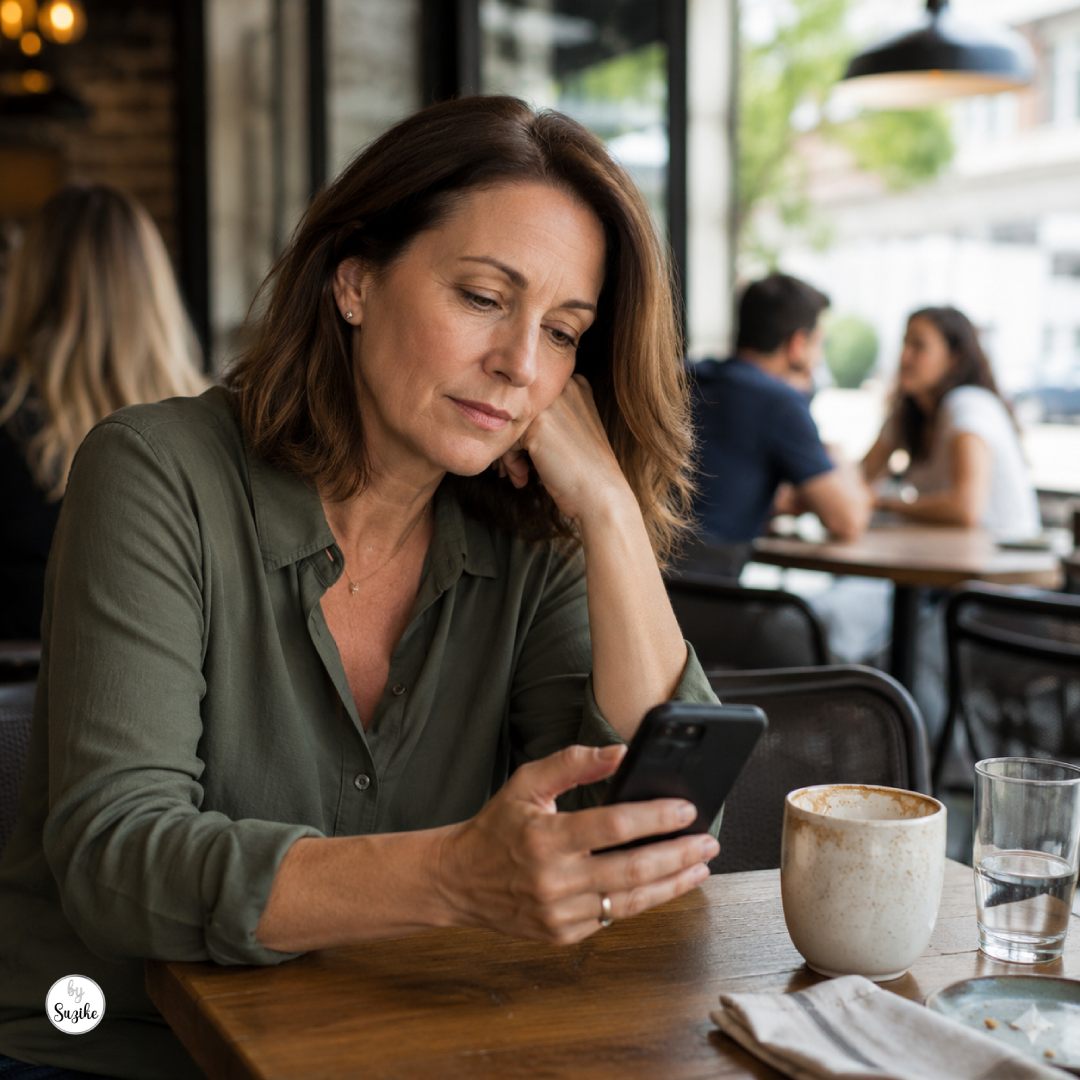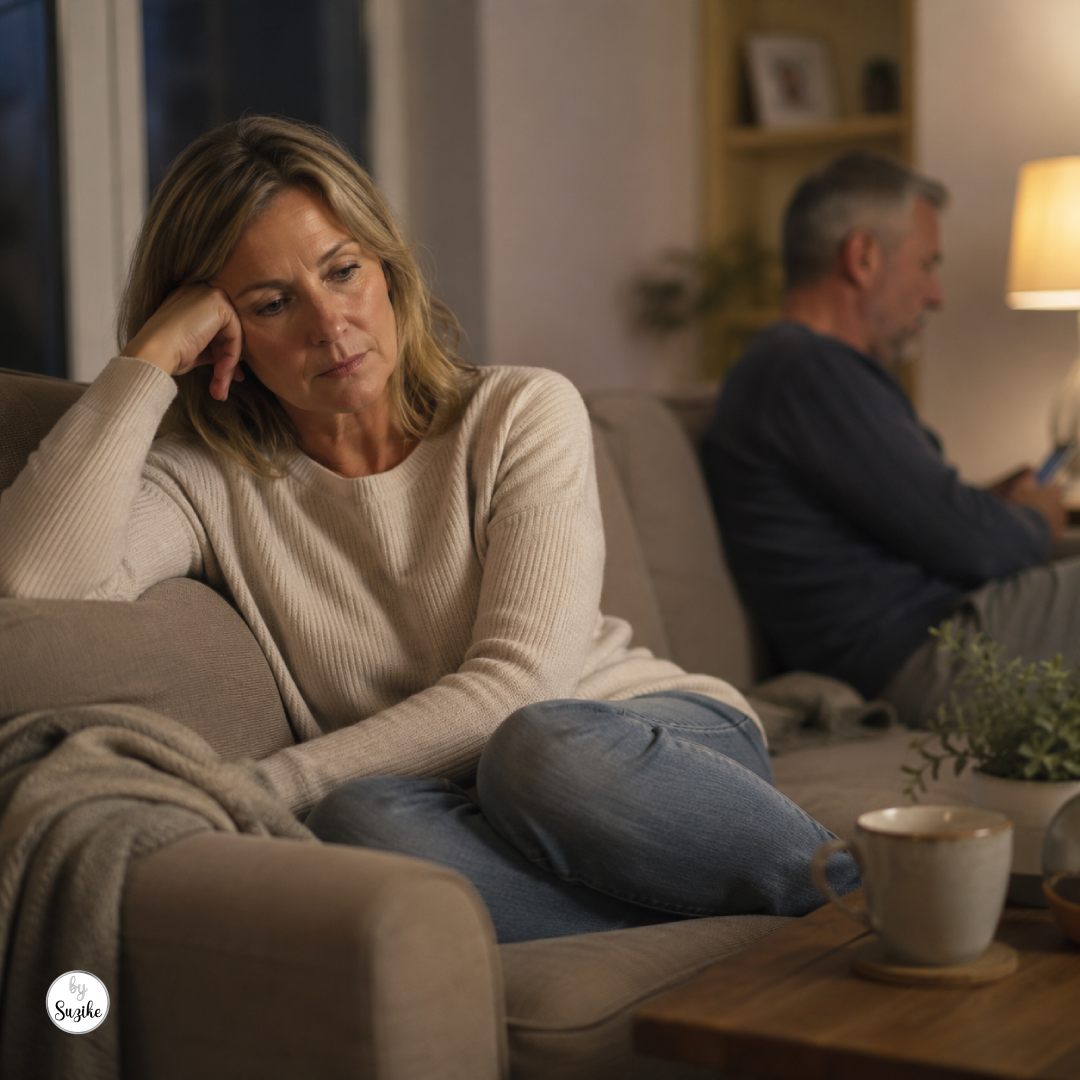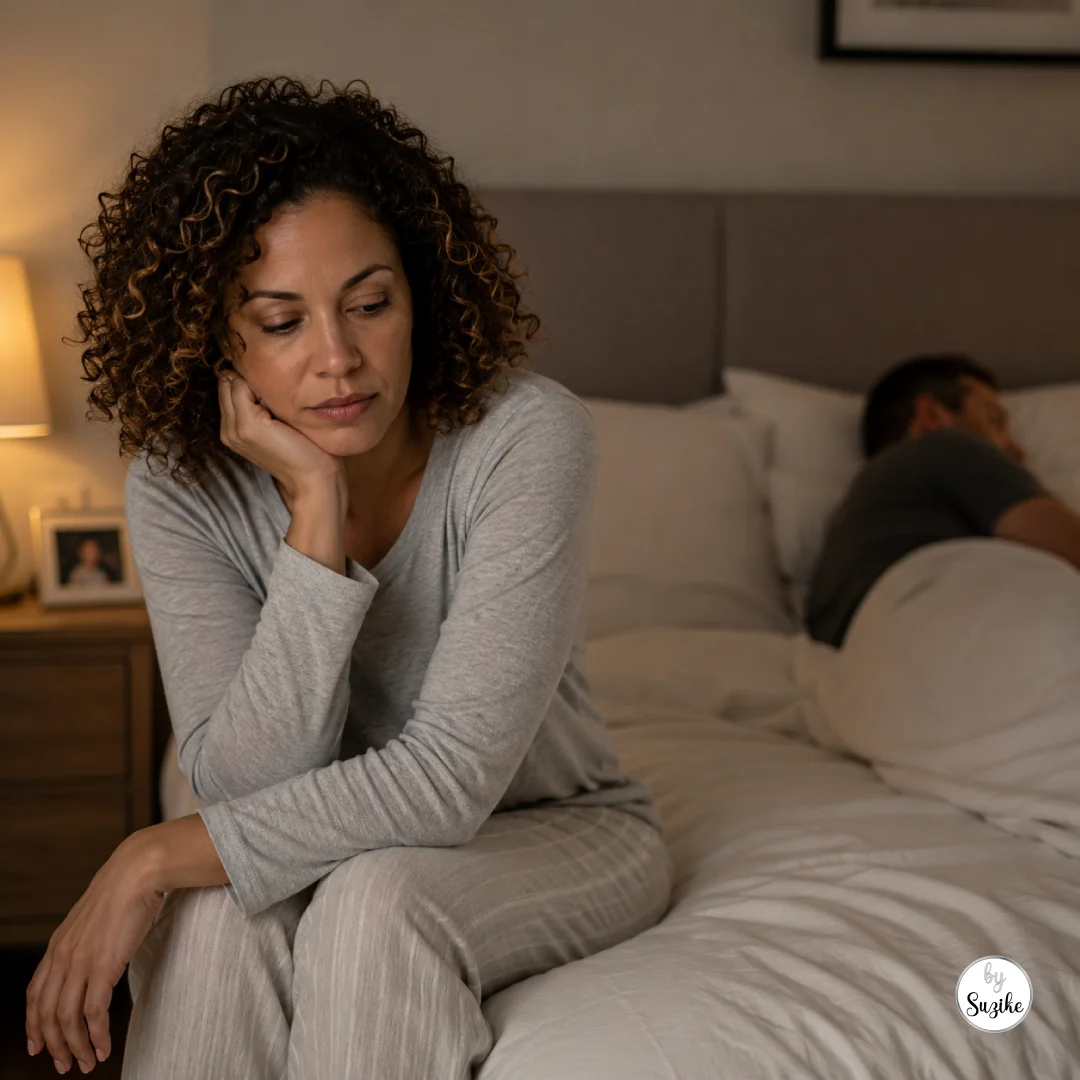
The more time I spend on social media, the more certain I am that I want to keep my relationship off it entirely. My ideal is for my profile to give nothing away about my love life. Whether I am single or not, I want that to be something no one can tell just from scrolling my feed. Because social media relationships simply do not reflect real life, and I stopped pretending they do.
When we feel the urge to share our most intimate moments with people who will scroll past them in two seconds, something about love gets lost. What feels deeply meaningful to me loses its weight the moment it becomes content for an audience.
There was a time when love was something that lived between two people. Shared glances, late-night conversations, memories that belonged to you and no one else. Now it feels almost impossible to be in a relationship without some version of the pressure to document it. Every milestone, every date night, every happy moment seems to come with an unspoken obligation to post it.
Social media relationships are everywhere: stories full of couple goals, carefully written captions, curated date nights, and declarations of love designed to be seen. Sometimes it looks genuine. Sometimes it looks like a competition. And sometimes it looks like people trying to convince themselves as much as anyone else.
But what actually happens to the real thing when so much energy goes into the performance? Are we celebrating our connection, or are we building a brand out of it? And at what cost?
In this post I want to look at why so many couples feel this pressure to perform their love online, what gets lost when they do, and how to get back to what actually matters.
Why Do We Feel the Need to Perform Love Online?
It usually starts with good intentions. You want to celebrate a special moment, share some joy, let people close to you see something that made you happy. But in social media relationships, a simple post can quietly shift into something else: a search for validation, approval, or even proof that your relationship is worth something.
The way these platforms are built does not help. The more likes and comments you get, the more connected and relevant you feel. Over time it becomes easy to crave that external confirmation and to start measuring your relationship’s value by how it performs online. You post not because you genuinely want to, but because it feels like you should. Research on social media and relationships consistently shows that more time spent on these platforms is linked to decreased relationship quality, increased distraction, and higher levels of frustration between partners.
There is also a subtler pressure that is hard to name but very easy to feel. If you do not post about your partner, are you hiding something? If you do not share your anniversary, does that mean it was not important? That kind of silent expectation pushes people to document things they would rather keep private, just to avoid being misread.
And once the habit is there, it takes over. You curate the best moments, edit out everything messy or real or unresolved, and somewhere in that process you lose track of where the performance ends and your actual relationship begins.
What Gets Lost When Love Goes Public?
When your relationship becomes content, three things start to quietly disappear: privacy, authenticity, and presence.
What once felt intimate starts to feel exposed. Like your love belongs to the internet, not just to the two of you. Moments stop being simply lived and start being curated, edited, and posted for approval. The simple thing of being fully present with someone gives way to posing for a photo, checking who liked it, or replaying a beautiful moment through the lens of how others will see it.
You start living with one eye on the camera. Even in your best moments together, there is a small voice somewhere asking whether you should be filming this.
Over time, that costs you things that are hard to get back. The ability to be fully with someone without distraction. The freedom to be messy, vulnerable, or real without worrying about how it looks. The security of knowing that not everything between you has to be public.
And maybe most importantly, you lose the capacity to hold something sacred between just two people. Not everything needs to be seen to be meaningful. In fact, the things we protect and keep private are often what builds the strongest foundation in a real relationship.
The Difference Between Real Intimacy and Online Validation
Real intimacy is quiet. It does not need an audience. It shows up in shared silence, in inside jokes, in knowing someone’s rhythms and needs without having to ask. It is not glamorous. But it is grounding.
Social media relationships chase something different: visibility, approval, performance. You start measuring love by engagement metrics. Was the caption good enough? Did the post get enough likes? Did people comment “goals”? And slowly, without really noticing it, the feeling of being loved gets tangled up with the appearance of being loved.
The danger is subtle. You start looking to strangers for validation instead of to your partner for connection. You worry more about how a moment looks than how it actually feels. You adjust your behaviour not for the person you are with, but for the people watching.
Real intimacy does not require proof. It is not always photogenic. But it is honest. It is messy. It grows in the moments you never post, in the conflict, in the quiet, in the effort.
To build something real, you have to stop asking how your relationship looks and start asking how it feels.
How to Protect Your Relationship From Social Media Pressure
In a world where everything feels shareable, choosing to keep parts of your relationship private can feel like a radical act. But it might be exactly what love needs to survive.
A few things that actually help:
- Set boundaries together. Decide what stays between you and what you are both genuinely comfortable sharing. Not every dinner, gift, or trip needs an audience.
- Be intentional about why you are sharing. Is it to celebrate something real, or is it to meet an unspoken expectation? That question is worth sitting with before you post.
- Keep some things just for yourselves. A funny moment, a deep conversation, a weekend away. These do not have to live online to be real. The fact that no one else saw them does not make them less meaningful.
- Stop comparing. Other couples’ posts tell you nothing about the actual depth of their relationship. What you see is what they chose to show. That is not the full picture.
- Put connection before content. The most meaningful parts of love are usually invisible. That is what makes them worth protecting.
Every couple gets to define what love looks like for them, not based on trends or what other people post, but on trust, honesty, and actually showing up for each other. Social media can be a place to share genuine joy. But it should never be the thing your relationship is built on.
If this made you think, you might also want to read: Women’s Mental Health: The Hidden Struggles Behind Strength, and Why We Repeat the Same Mistakes and How to Finally Break the Cycle.
Ready for a new perspective on relationships? Check out these recommended reads for even more insight:
 Ready for a new perspective on relationships? Check out these recommended reads for even more insight: