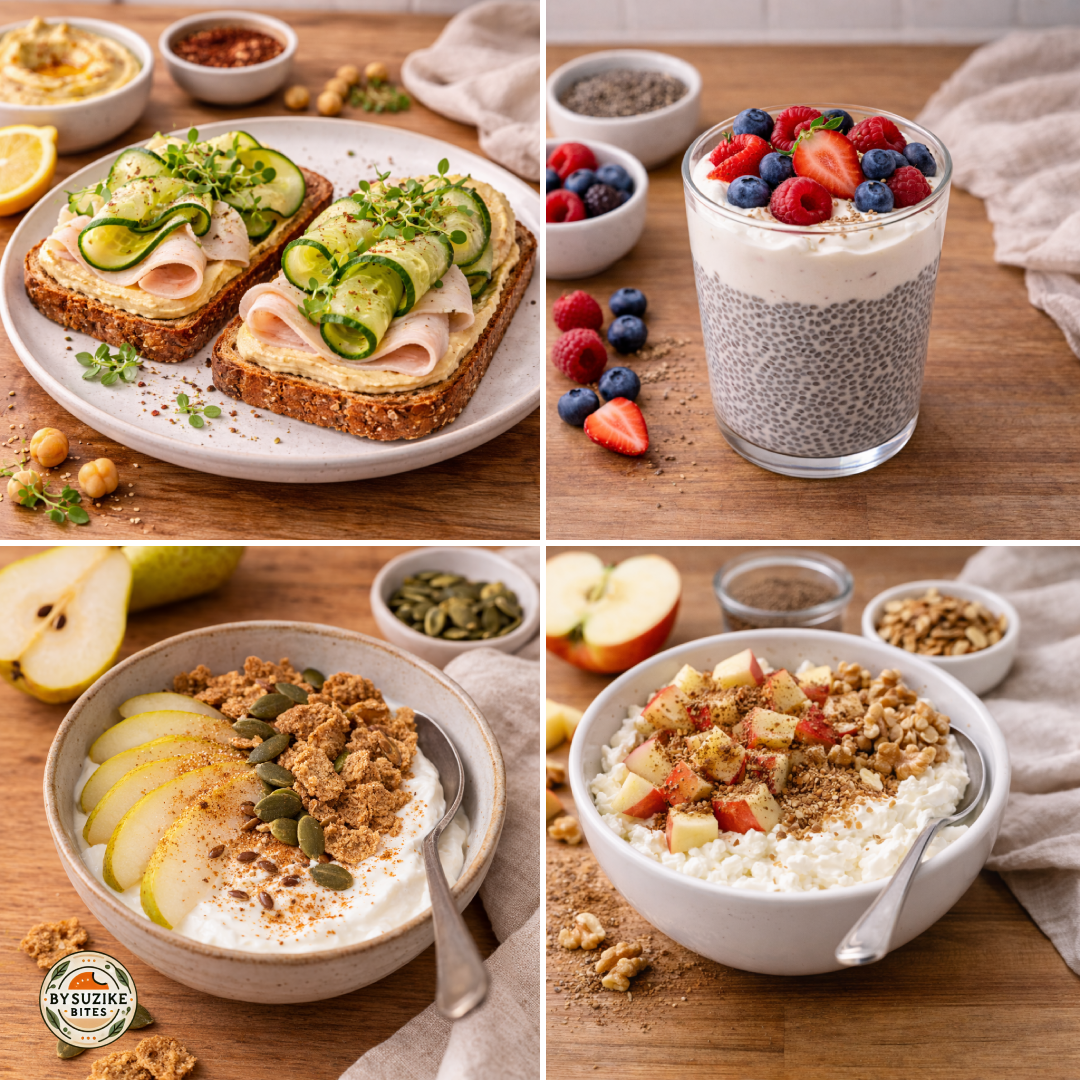
Eating in a way that supports your body does not need to feel complicated. Anti-inflammatory foods are simply everyday ingredients that help you feel lighter, less bloated and with more steady energy. Instead of thinking about rules, this is more about small choices you make at breakfast, lunch or dinner that leave your body calmer and your mind clearer. In this post I am sharing what anti-inflammatory foods look like in real life, what I personally avoid most of the time, and some simple meal ideas you can actually use during a busy week.
What Anti-Inflammatory Eating Looks Like in Real Life
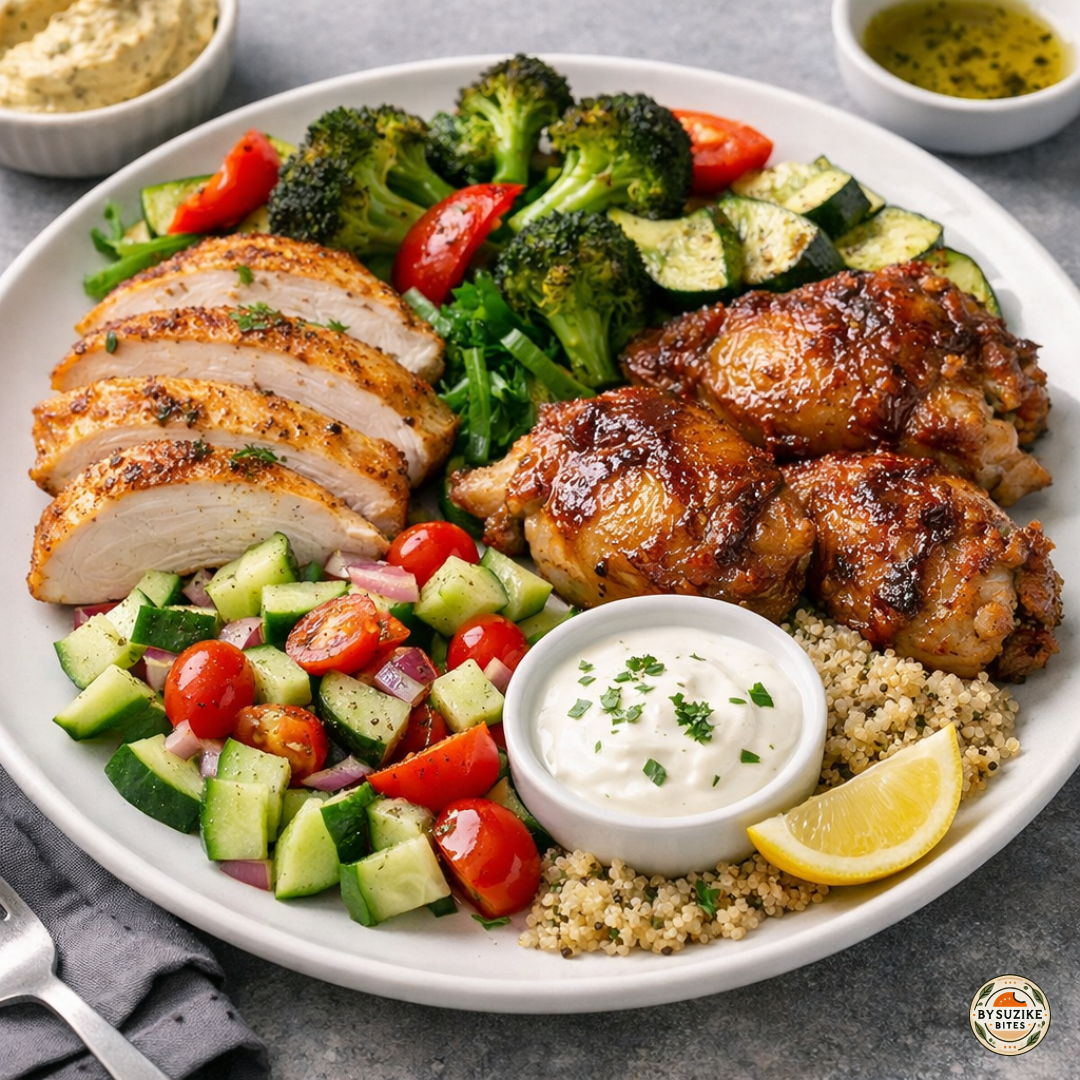
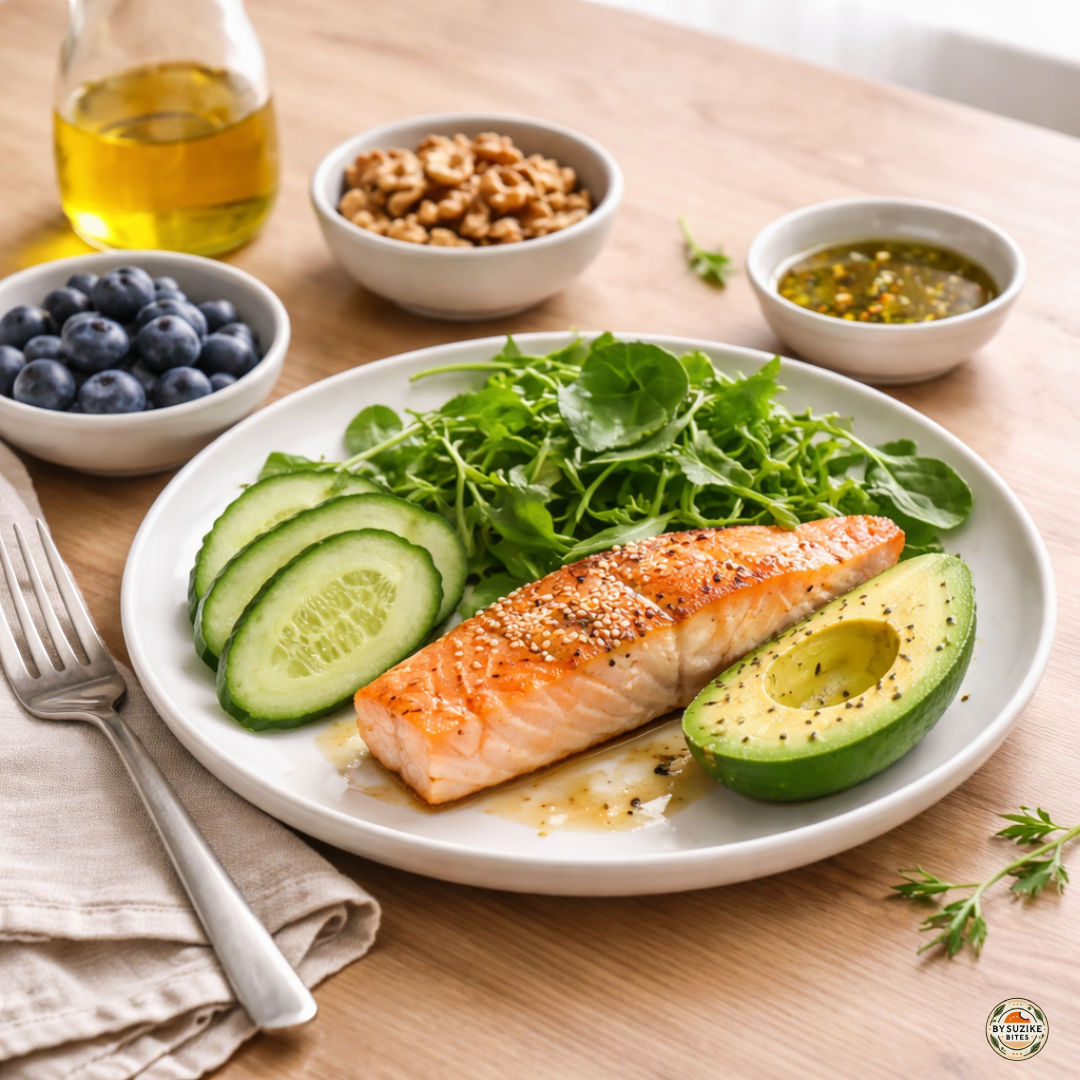
Anti-inflammatory foods are mostly fresh and simple. Think about colorful fruit, vegetables, olive oil, fish, nuts and whole foods you recognise. When most of your meals are based on these ingredients, your body naturally feels less puffy and tired. Many people notice better digestion, fewer headaches and a more stable mood. It is not a diet. It is more a way of arranging your plate so that it supports your lifestyle, training and daily routines.
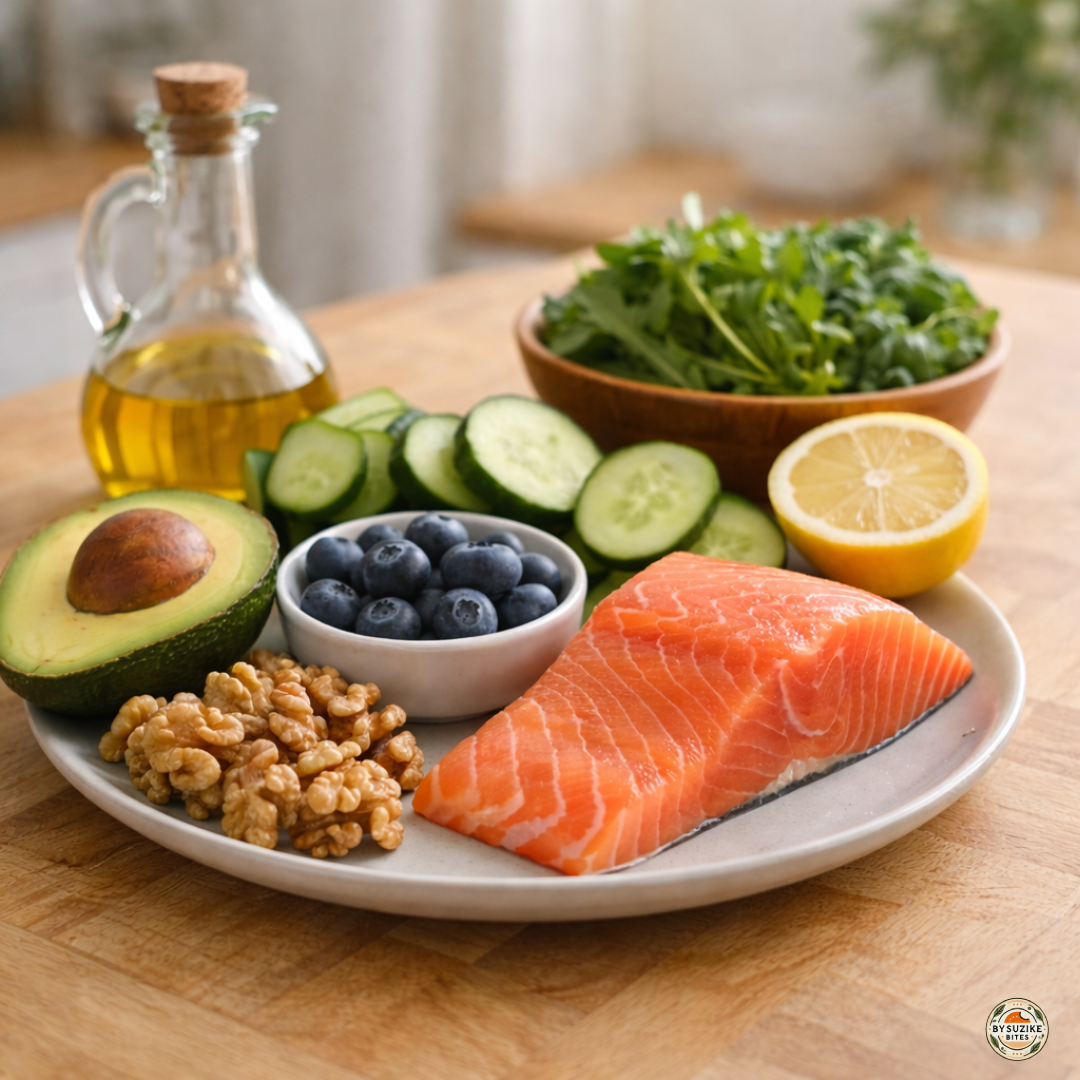
Everyday Foods to Enjoy More Often
Here are some examples that fit easily into a normal family routine:
- Whole grains like oats, quinoa and brown rice
- Beans and lentils for simple soups or salads
- Berries oranges apples and seasonal fruit
- Leafy greens like spinach or kale added to omelettes or bowls
- Olive oil nuts and seeds which are easy to sprinkle on salads or yogurt
- Fish like salmon or sardines once or twice a week
These are ingredients you can mix and match without complicated recipes. A lot of my own meals are very simple combinations of these foods.
Read next My favorite healthy breakfast ideas for busy mornings.
Also read How I plan simple family meals during the week.
Foods That Usually Increase Inflammation
There are also foods that tend to leave the body more inflamed and tired when eaten frequently. Again this is not about perfection but about awareness in daily choices.
Examples include:
- refined sugar sweets and soft drinks
- white bread and pastries
- fried fast food
- ultra processed meats like sausages
- highly processed snacks and packaged desserts
Most people do not need to cut them forever. Reducing the frequency already makes a visible difference in how the body feels.
Simple Anti-Inflammatory Swaps You Can Do This Week
- Instead of white rice try quinoa or brown rice
- Replace seed oils with olive oil in the kitchen
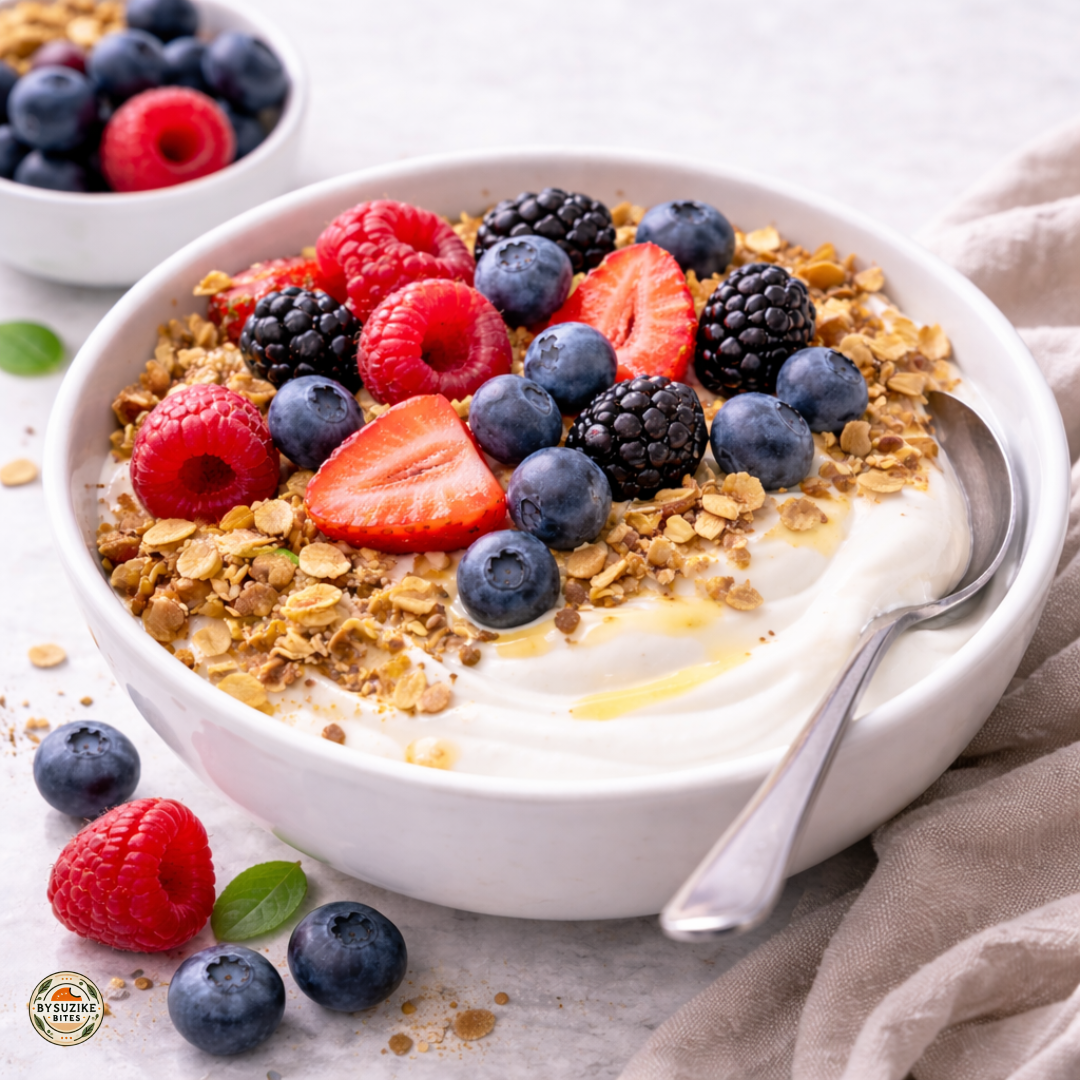
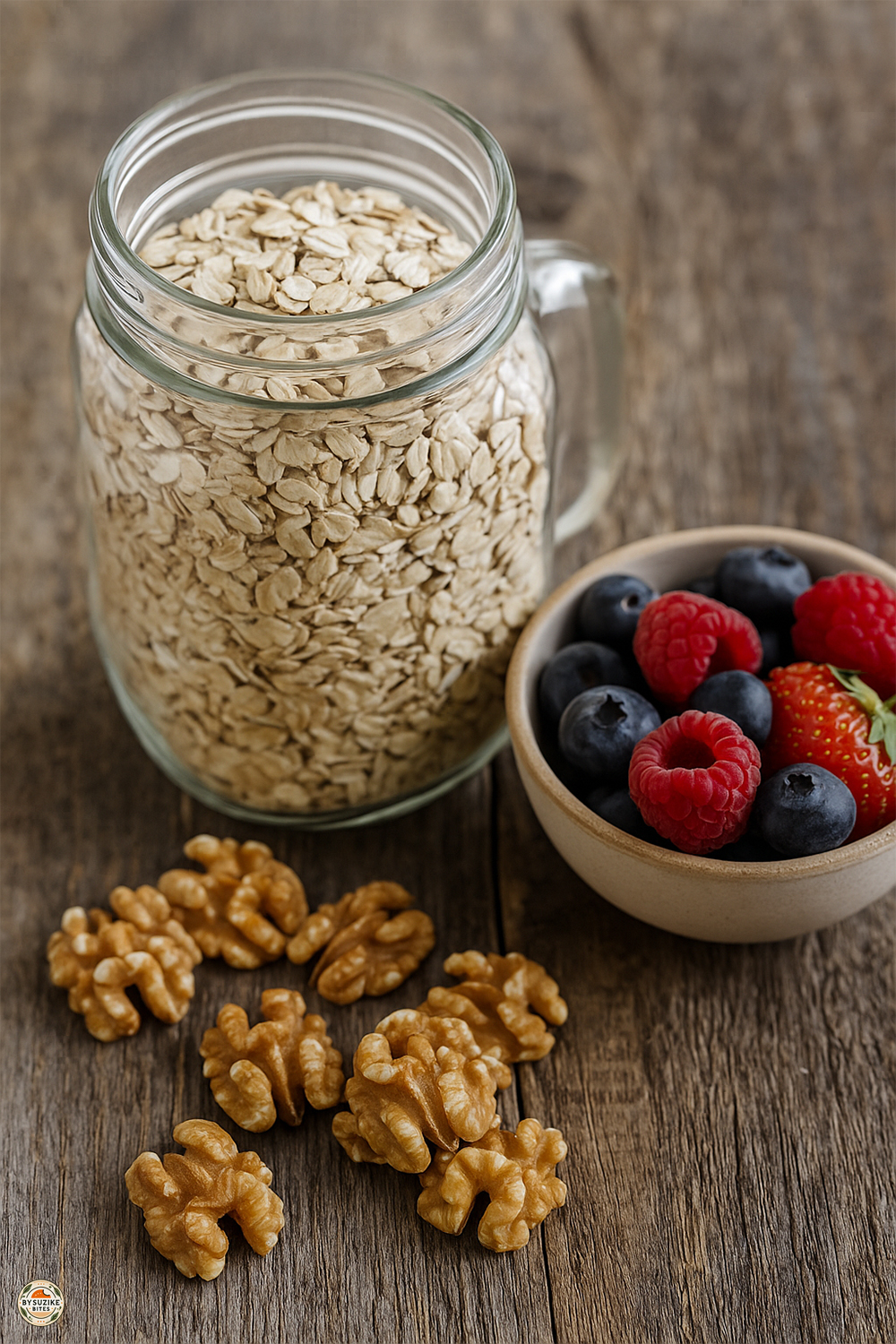
- Have oats with fruit and nuts instead of sugary cereals
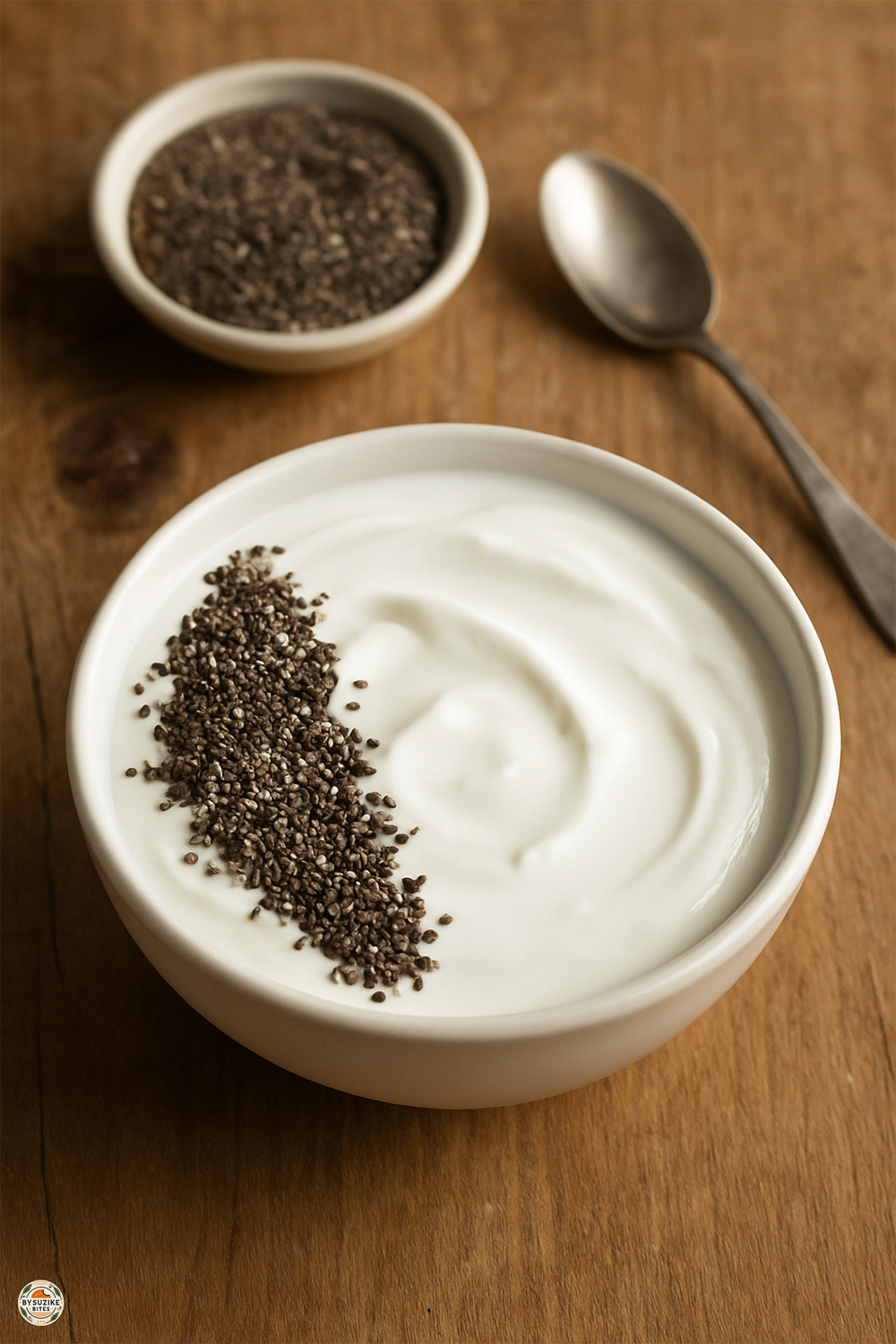
- Choose yogurt with chia seeds instead of very sweet desserts
- Drink water or tea more often than soda
These swaps are realistic for busy days and do not require gourmet cooking skills.
A One Day Anti-Inflammatory Meal Example
Breakfast: Oats with berries and walnuts
Lunch: Chickpea salad with avocado greens and olive oil
Snack: Yogurt with chia seeds
Dinner: Grilled salmon with sweet potato and broccoli
You can repeat the structure and change ingredients according to your taste and season.
How This Fits a Lifestyle Approach
Anti-inflammatory eating is not about being perfect all the time. It fits naturally with walking more, training regularly and sleeping better. It supports weight loss without obsession and helps you feel more comfortable in your own body. The goal is to build habits that you can keep long term and that work for real life with work family and busy days.
Conclusion
If you want to feel lighter in your body and calmer in your mind, paying attention to anti-inflammatory foods is a very simple place to start. Add more of the foods that make you feel good, reduce the ones that drain your energy, and keep things practical and flexible. Small consistent choices create visible results.
Want simple healthy meal ideas Watch my YouTube channel here:
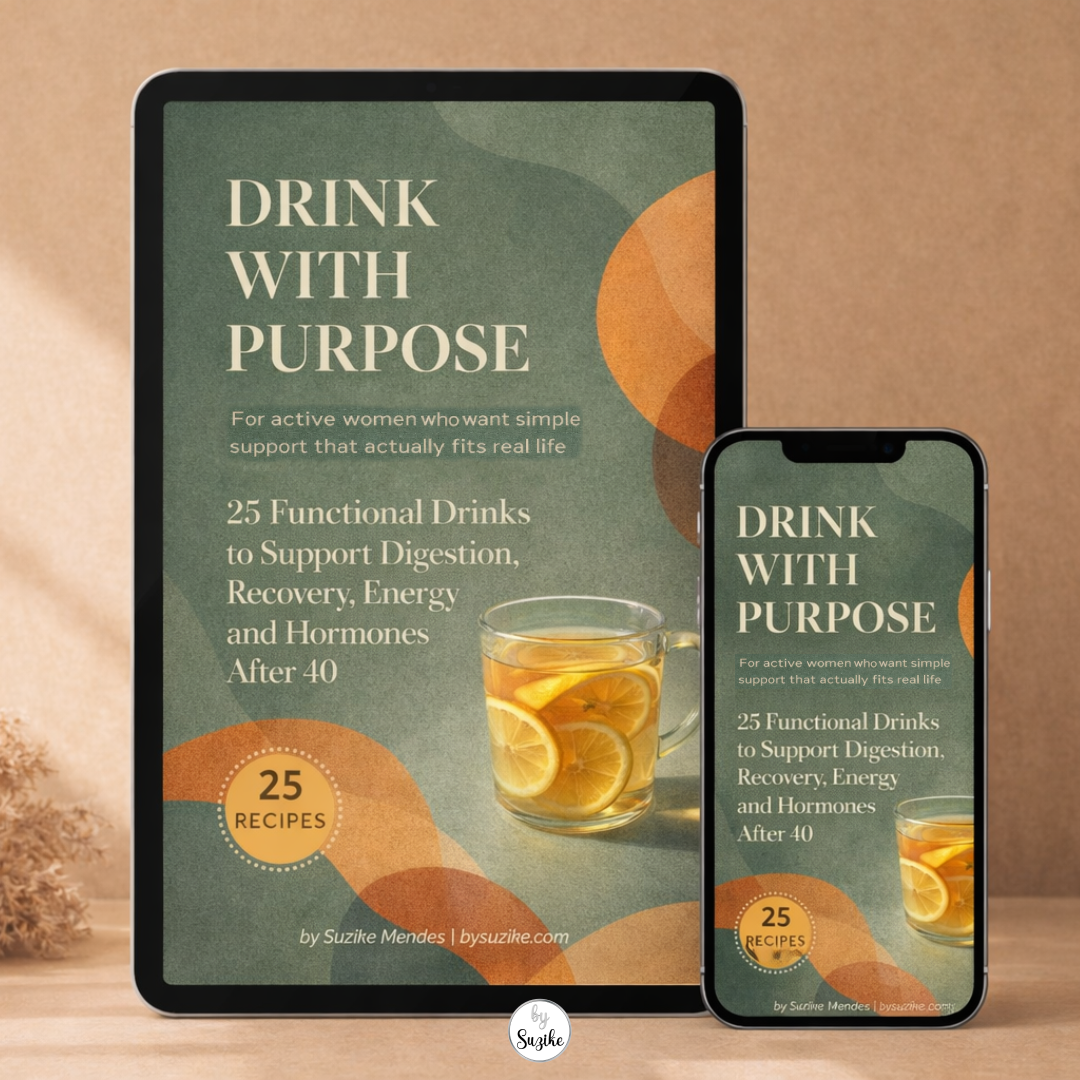
If you pay attention to what you eat, it’s worth paying attention to what you drink too.
Drink With Purpose is a 25-recipe functional drink guide for women over 40 — low carb friendly, no sugar spikes, organized by goal: digestion, recovery, energy, hormones.
→ Get the guide here: Drink With Purpose
FAQ Section
Can anti-inflammatory foods help with weight loss?
They can support weight loss because they are filling and usually less calorie dense. They also reduce cravings and help stabilise appetite across the day.
Do I need to follow a strict diet?
No. It is about choosing mostly whole foods most of the time and keeping balance. You can still enjoy your favourite treats occasionally.