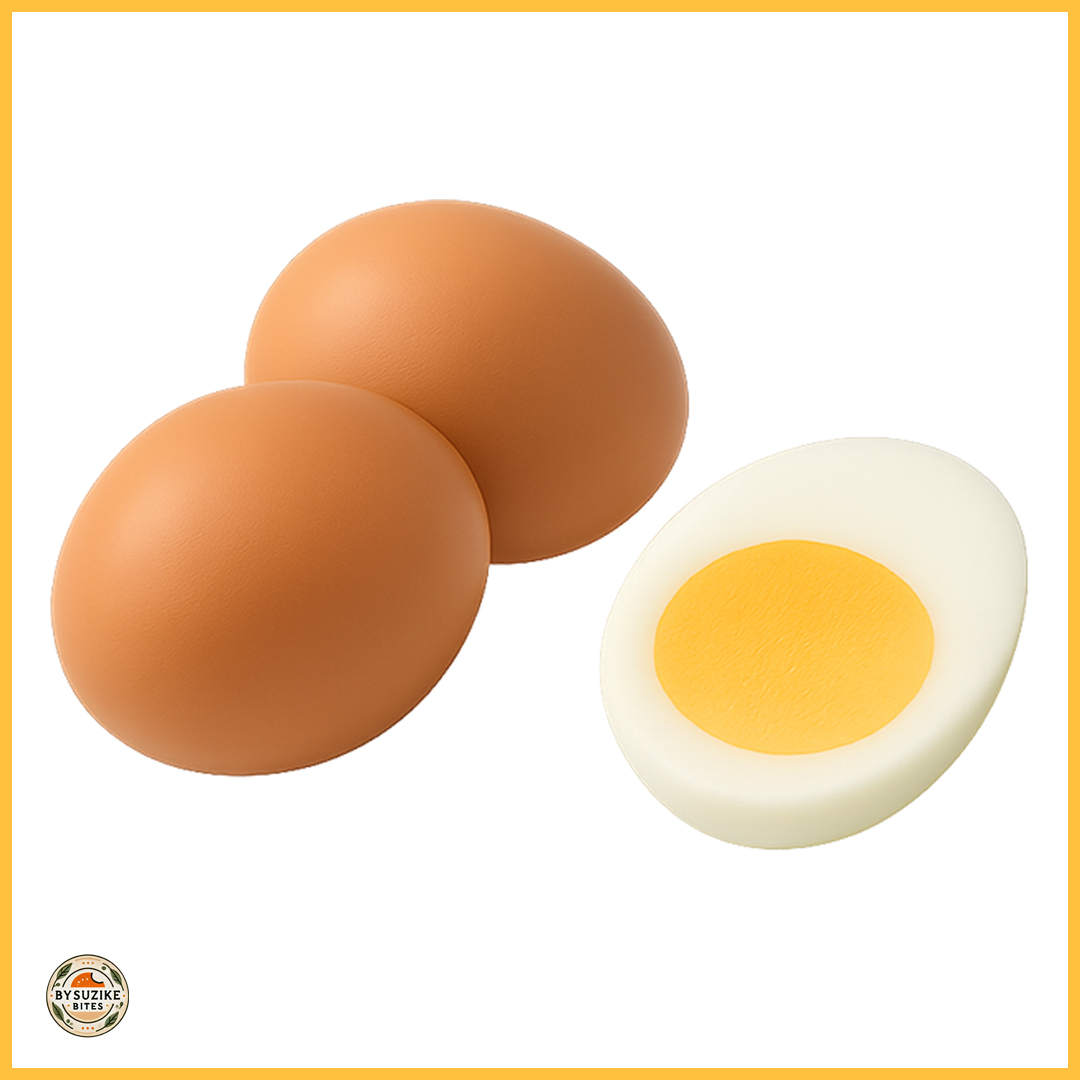
If you are doing eggs on a low carb diet, you are using one of the easiest, most practical staples out there. Eggs are affordable, versatile, and naturally low in carbs, which makes them a strong base for quick breakfasts, simple lunches, and satisfying dinners.
They also work especially well when you want meals that keep you full for longer, without needing complicated ingredients. If you are a busy woman or a busy mom trying to stay consistent, eggs are a smart default.
Nutritional Benefits of Eggs
Eggs bring a mix of nutrients that support everyday health and make low carb meals more balanced.
Healthy fats
Adds satiety and helps low carb meals feel complete.
Choline
A key nutrient involved in normal brain and liver function.
Vitamin D
Supports normal immune function and bone health.
Lutein and zeaxanthin
Antioxidants that support eye health.
If you want more low carb meal ideas you can repeat weekly, find my Low Carb Meals Made Simple section.
Why Eggs Are Perfect for Low Carb
Eggs are naturally very low in carbs and easy to build meals around. You can keep them simple, or you can scale them up into full meals with vegetables, cheese, tuna, chicken, avocado, or salads.
Here is the breakdown for one large egg (50g). Values are approximate and can vary by brand and size.
Table: Nutrition for 1 large egg (50g)
- Calories: 70 kcal
- Protein: 6 g
- Total fat: 5 g
- Saturated fat: 1.6 g
- Cholesterol: 186 mg
- Carbs: <1 g
- Sugar: 0 g
- Sodium: 70 mg
- Vitamin B12: 10% DV
- Vitamin A: 6% DV
- Vitamin D: 6% DV
How to Add Eggs to Your Low Carb Meals
Here are simple ways to use eggs on a low carb diet without getting bored.
- Make scrambled eggs with butter or olive oil, plus avocado on the side.
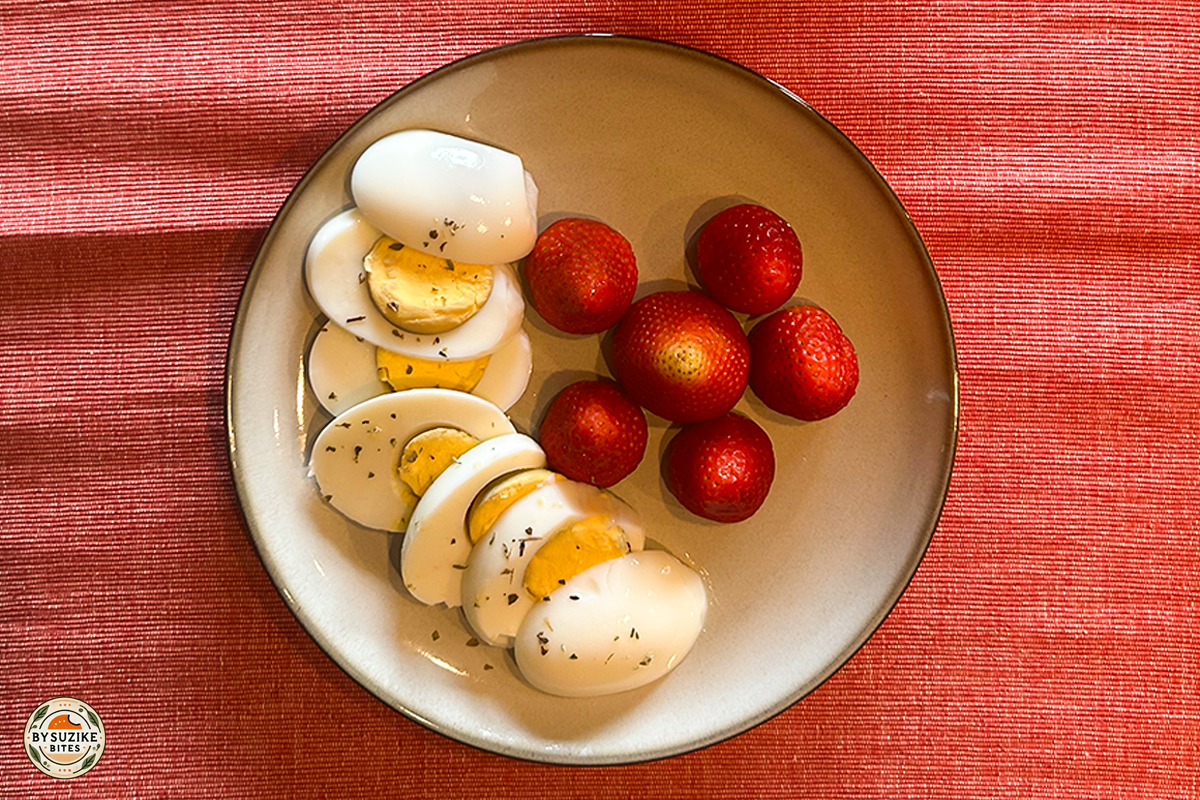
- Boil eggs and slice them into salads or lunch boxes.
- Bake egg muffins in a muffin tin with spinach, cheese, herbs, and leftover veggies.
- Cook sunny side up eggs to top veggie bowls or low carb toast.
- Use eggs to make cloud bread or simple egg wraps.

Extra Tip: Choosing and Storing Eggs
- Look for organic or pasture raised eggs when possible, especially if you want a stronger nutrient profile.
- Store eggs in the fridge to keep them fresh, typically up to three weeks.
- To check freshness, place the egg in water. Fresh eggs sink, older eggs tend to float.
Make Your Low Carb Week Easier
Eggs are an easy low carb staple, but figuring out what to eat for the rest of the week can still take more time and energy than it should.My 7-Day Low Carb Reset for Busy Women gives you a ready-made week of simple meals, recipes and structure to help you stay consistent without planning everything from scratch.
Conclusion
Eggs are one of the easiest staples to keep in your kitchen when you want to stay consistent with low carb. They are nutrient dense, budget friendly, and flexible enough to fit breakfast, lunch, or dinner without requiring a big plan.
Ready to discover more low carb staples like eggs? Low Carb Living