I still remember my very first period. I was 11 years old, it was October 20th, and I was in the bathroom. My mom had already talked to me about it, and at school we had even had one of those special classes, but nothing really prepares you for your own first period.
After that, it became a monthly negotiation with my body: the cramps that made it hard to walk, the heavy flow that left me anaemic every month, and the irregularity that made everything harder to plan. When I heard my family doctor say things would only get better after my first child, I remember my little 11-year-old self thinking: “Seriously? How many years like this?”
For a while, the pill helped me manage things. Later, after pregnancy, my periods became more regular, lighter and almost pain-free. But I know that is not every woman’s experience. For many women, periods remain painful, messy, exhausting, unpredictable or emotionally draining, especially when hormones start shifting after 40.
So, how can we actually make periods less stressful? No drama, no shame, and no pretending we are all floating through life in white linen trousers on the heaviest day of the month. Here are 10 practical ways to make your period easier and feel a little more prepared for those days.
1. Track Your Cycle Before It Surprises You
Knowing roughly when your period is coming can change the whole experience. It gives you time to prepare period products, pain relief, comfortable clothes, extra sleep or simply a slower day if your schedule allows it.
Tracking also helps you notice patterns. Maybe your cramps always start the day before bleeding. Maybe your mood drops three days earlier. Maybe your sleep changes. Maybe your flow has become heavier or more irregular.
That information matters, especially after 40, when cycles can start shifting because of hormonal changes. A simple calendar, app or printable tracker is enough. The point is not to obsess over your body. It is to stop being surprised by the same thing every month.
If sleep is one of the first things that gets disturbed around your cycle, I also wrote about why sleep becomes harder for women after 40 and what is really behind it. That post connects closely with this, because tiredness and hormones often arrive together, like a very annoying little committee.
2. Prepare a Small Period Kit
This sounds basic, but it saves so much stress.
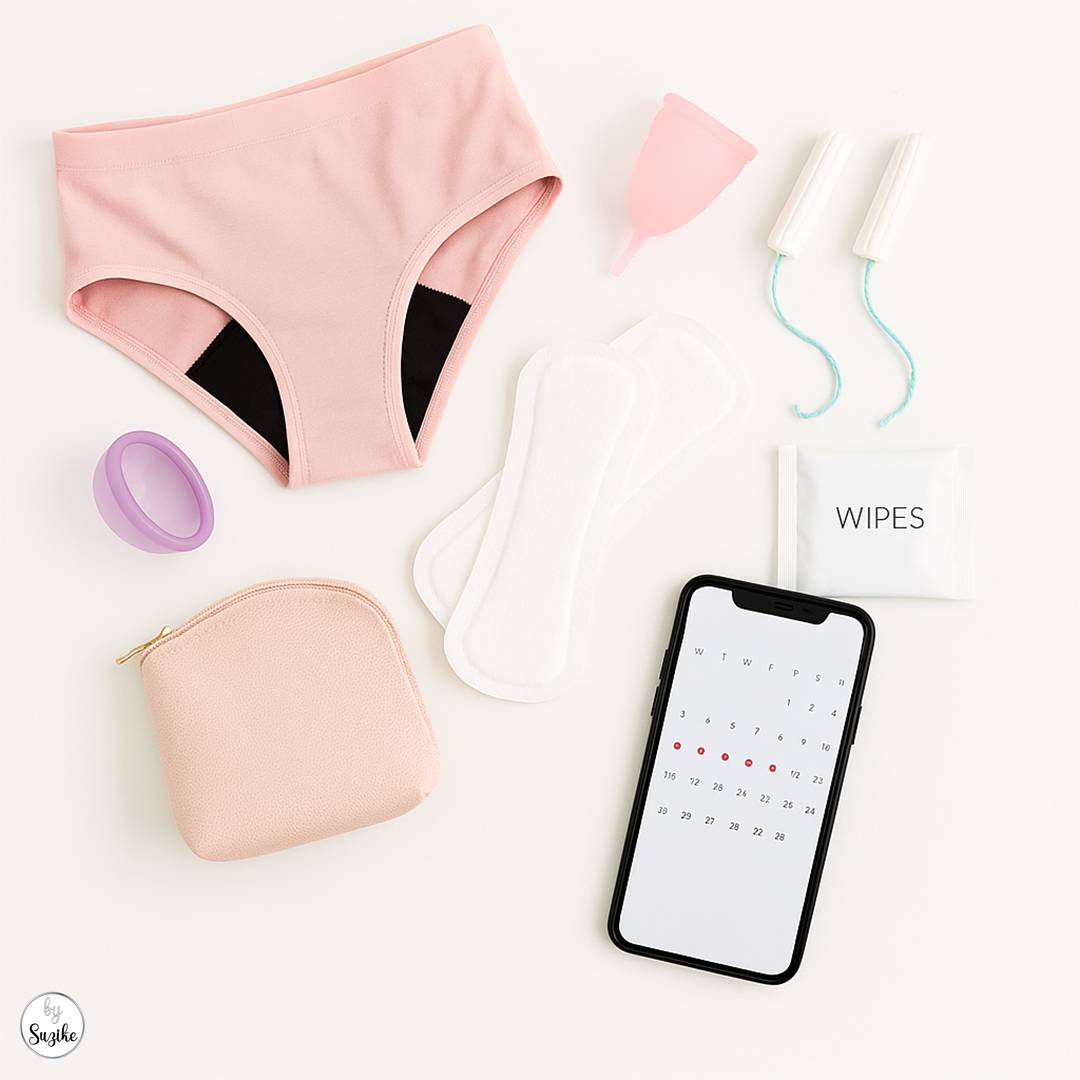
A small period kit can include pads, tampons, period underwear, wipes, spare underwear, a painkiller you know you can safely take, and maybe even a small bag for emergencies. One can stay in your handbag, another in the car, another at work or wherever makes sense for your actual life.
This is especially useful when periods become less predictable. And honestly, there is a special kind of rage that comes from being caught without anything when your period decides to arrive early. We do not need that kind of emotional plot twist.
3. Choose the Period Product That Fits Your Real Life
There are more options now than there were when many of us first started menstruating. Pads, tampons, menstrual cups, menstrual discs and period underwear all have their place.
The best choice depends on your flow, comfort, budget, body, routine and how much mental energy you want to spend managing your period.
Pads can feel simple and familiar. Tampons can be practical for movement or swimming. Cups and discs can work well for some women, although they are not everyone’s favourite. Period underwear can be useful at night, on lighter days or as backup during heavier flow.
There is no medal for using the “perfect” period product. The right one is the one that makes your actual life easier.
4. Use Heat for Cramps
A hot water bottle, heating pad or warm bath can help relax the area and make cramps feel less intense. Heat is one of those simple things that often gets dismissed because it sounds too obvious, but it can genuinely help.
For me, cramps were one of the worst parts of having a period when I was younger. That deep, dragging pain can take over the whole body. Heat gives the body a signal to soften a little, which can make the day feel more bearable.
If cramps are strong, over-the-counter pain relief may also help, depending on what is safe for you personally. Some women use ibuprofen, paracetamol or acetaminophen, but medication depends on your health, medical history and what your doctor or pharmacist recommends.
5. Move Gently, Even If You Do Not Feel Like Exercising
Nobody needs a heroic workout on a painful period day. This is not the moment to prove anything.
But gentle movement can help some women. A walk, light stretching, mobility work, yoga-style movement or simply moving around the house can reduce stiffness and improve mood. The idea is to help the body feel less stuck.
This also connects with energy after 40. Some cycles feel heavier because the body is already tired, sleep is poor, stress is high or hormones are shifting. On those days, gentle movement is enough.
I explored this wider exhaustion in why women feel constant fatigue after 40 and what is really behind it, because sometimes period tiredness is only one part of a bigger body message.
6. Make Sleep Easier During Your Period
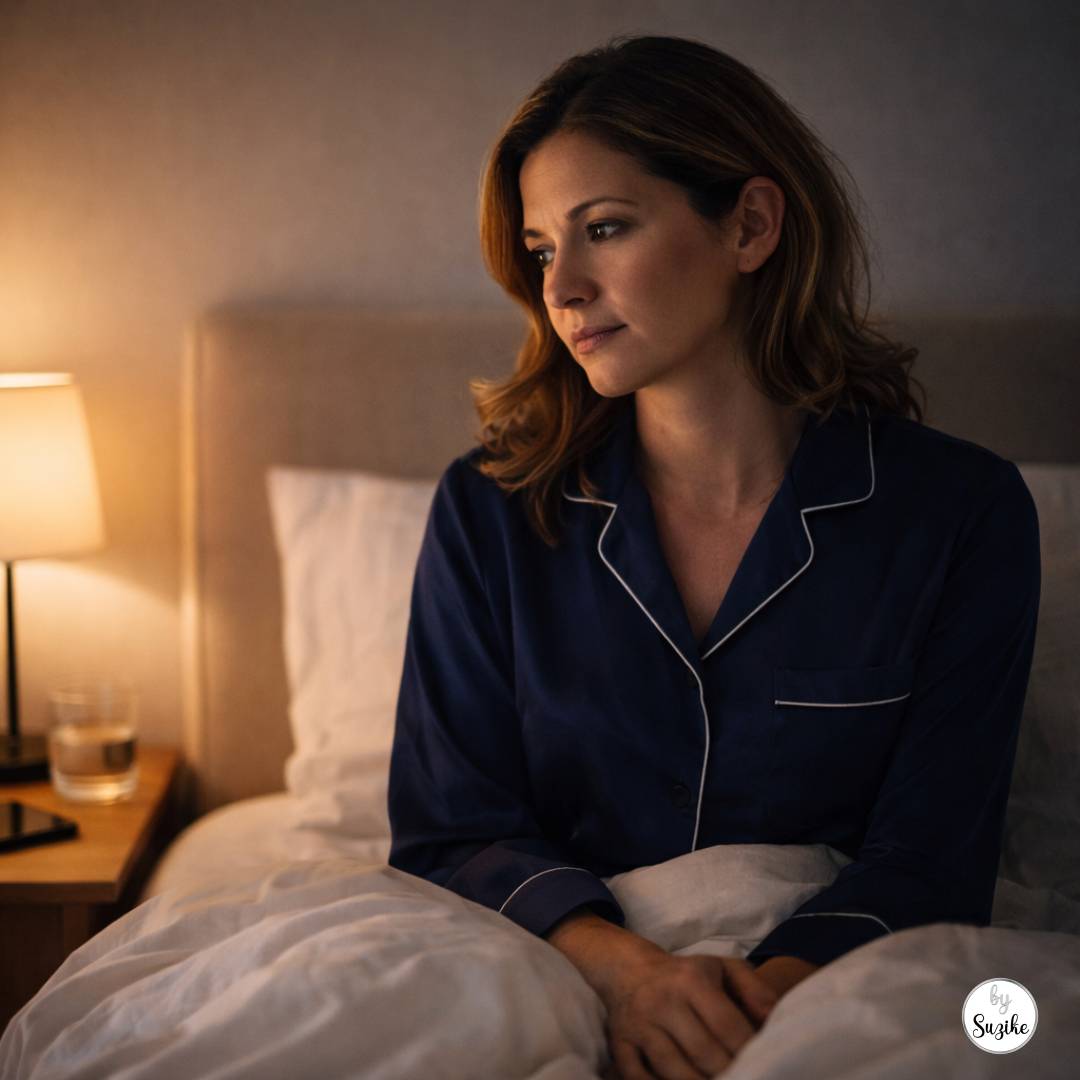
Period nights can be annoying. Leaks, cramps, bloating, temperature changes and restless sleep can all show up at once.
A few small things can help: overnight pads, period underwear, a mattress protector, darker sheets, comfortable pyjamas, a hot water bottle before bed and keeping pain relief nearby if you use it.
This is not about creating a perfect bedtime routine. It is about reducing the little things that make you wake up tense, uncomfortable or worried about stains.
And yes, stains happen. They are annoying, but they are not a personal failure. They are laundry. Irritating laundry, but still laundry.
7. Eat in a Way That Supports Your Energy
Periods can bring cravings, nausea, hunger, bloating or that strange feeling of wanting everything and nothing at the same time.
Eating enough matters. Protein, iron-rich foods, fruit, vegetables, warm meals and enough water can support energy during your cycle. If your periods are heavy, tiredness can feel much worse, especially if iron levels are low.
This does not mean turning your period into a wellness project. Sometimes you will want chocolate. Sometimes you will want soup. Sometimes you will want toast and silence. Fine. The goal is to support the body, not control every bite.
For easy food ideas that work better with real life than with fantasy routines, my food blog BySuzike Bites has simple healthy meal ideas that can be useful during heavier or lower-energy weeks.
8. Rest Without Turning It Into Guilt
Some periods come with a clear message from the body: slow down.
That does not mean cancelling your life every month. Most women cannot do that anyway. Work, children, house, errands and responsibilities continue. But even small adjustments can help.
A slower evening. Earlier bedtime. Fewer unnecessary tasks. Comfortable clothes. Less social pressure. A lower standard for the day.
There is a difference between resting because you are giving up and resting because your body is doing something physically demanding. Menstruation takes energy. Pretending it does not can make the whole experience feel heavier.
I wrote more about this in self-care for mothers without the guilt, because so many women keep functioning through everything, including pain, fatigue and hormonal changes, when stopping feels impossible.
9. Notice When Your Period Changes
Periods can change over time. Flow, pain, cycle length, mood, sleep and energy can all shift, especially in the years leading up to menopause.
Some change can be part of hormonal transition. But very heavy bleeding, severe pain, bleeding between periods, pain that stops normal life, or sudden changes that feel unusual deserve medical attention.
This is where tracking becomes useful again. When you can say, “This changed three months ago,” or “My pain is now stopping me from doing normal things,” the conversation with a doctor becomes clearer.
I wrote more about the body changes many women start noticing in perimenopause weight gain: why your body feels different after 40, and I also covered the importance of regular check-ups in routine doctor visits for women in their 40s. Both posts connect with this because after 40, the body often starts speaking louder.
10. Stop Treating Your Period Like an Inconvenience You Have to Hide
This is probably the emotional part of the whole thing.
So many girls grow up learning to manage periods quietly. Hide the pad. Hide the stain. Hide the pain. Hide the mood. Hide the fact that your body feels different for a few days.
I do not think we need to turn periods into a big dramatic performance, but we also do not need to pretend they are nothing. For some women, they are mild. For others, they are painful, heavy, exhausting and disruptive.
Making your period easier starts with taking your own experience seriously. Not catastrophising it. Not ignoring it. Just being honest enough to say: “This is what happens to me every month, and I can prepare for it better.”
Conclusion
Periods are not exactly fun. Honestly, I still think we should have an on/off switch for when we want children and keep it off for the rest of the time! 
But they do not have to feel chaotic every month. Tracking your cycle, preparing your products, using heat, moving gently, sleeping better, eating in a supportive way and noticing changes can make the whole experience feel less stressful.
And if your period is suddenly heavier, more painful, irregular or difficult to manage, that is information worth taking seriously. Your body is giving you data. Listen to it.
FAQs About Making Your Period Easier
What helps make period cramps easier?
Heat, gentle movement and suitable over-the-counter pain relief can help many women manage period cramps. A warm bath, hot water bottle or heating pad can make the lower abdomen feel more relaxed, and light movement such as walking or stretching can also help. Pain relief depends on your health history, so medication choices are best discussed with a pharmacist or doctor.
Why does my period feel worse after 40?
Periods can change after 40 because hormones often start shifting in the years before menopause. Cycles may become less predictable, and some women notice changes in flow, sleep, mood, cramps or energy. That is why tracking your cycle becomes more useful during this stage.
When should I worry about a heavy period?
A heavy period deserves medical attention if bleeding lasts more than 7 days, if you are soaking through pads or tampons very quickly, if you need double protection, or if the bleeding interferes with normal life. Sudden changes, bleeding between periods or pain that stops you from functioning are also worth discussing with a health professional.
Can food make my period easier?
Food will not magically fix a difficult period, but eating enough and supporting your energy can help you feel more stable. Warm meals, protein, iron-rich foods, fruit, vegetables and enough fluids can be useful, especially when bleeding is heavy or tiredness is worse. For simple food inspiration, I also share easy ideas on BySuzike Bites.
Medical note: This post is for informational purposes only and does not replace professional medical advice. For severe pain, very heavy bleeding, unusual changes or symptoms that interfere with daily life, speak with a qualified health professional.

Leave A Comment