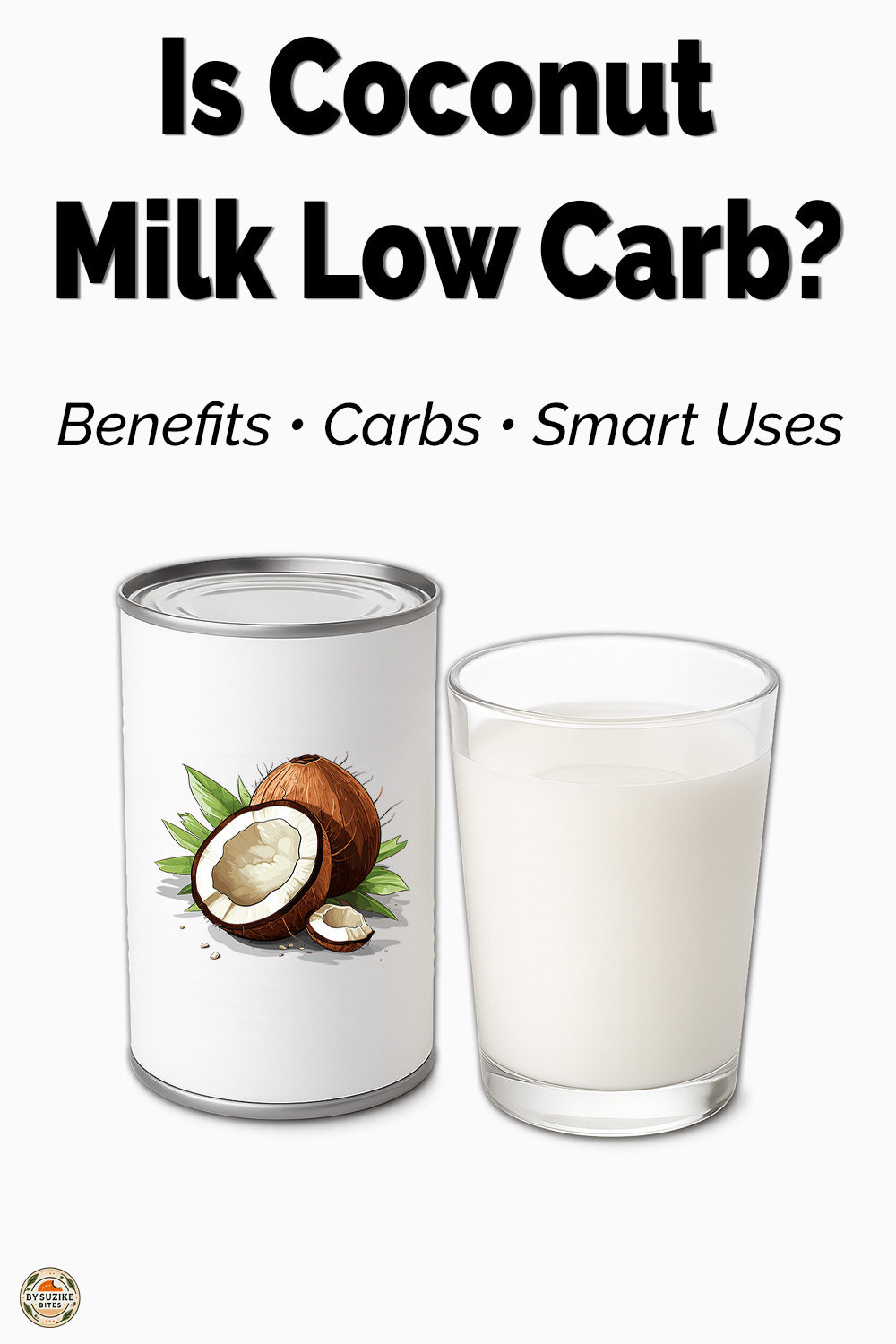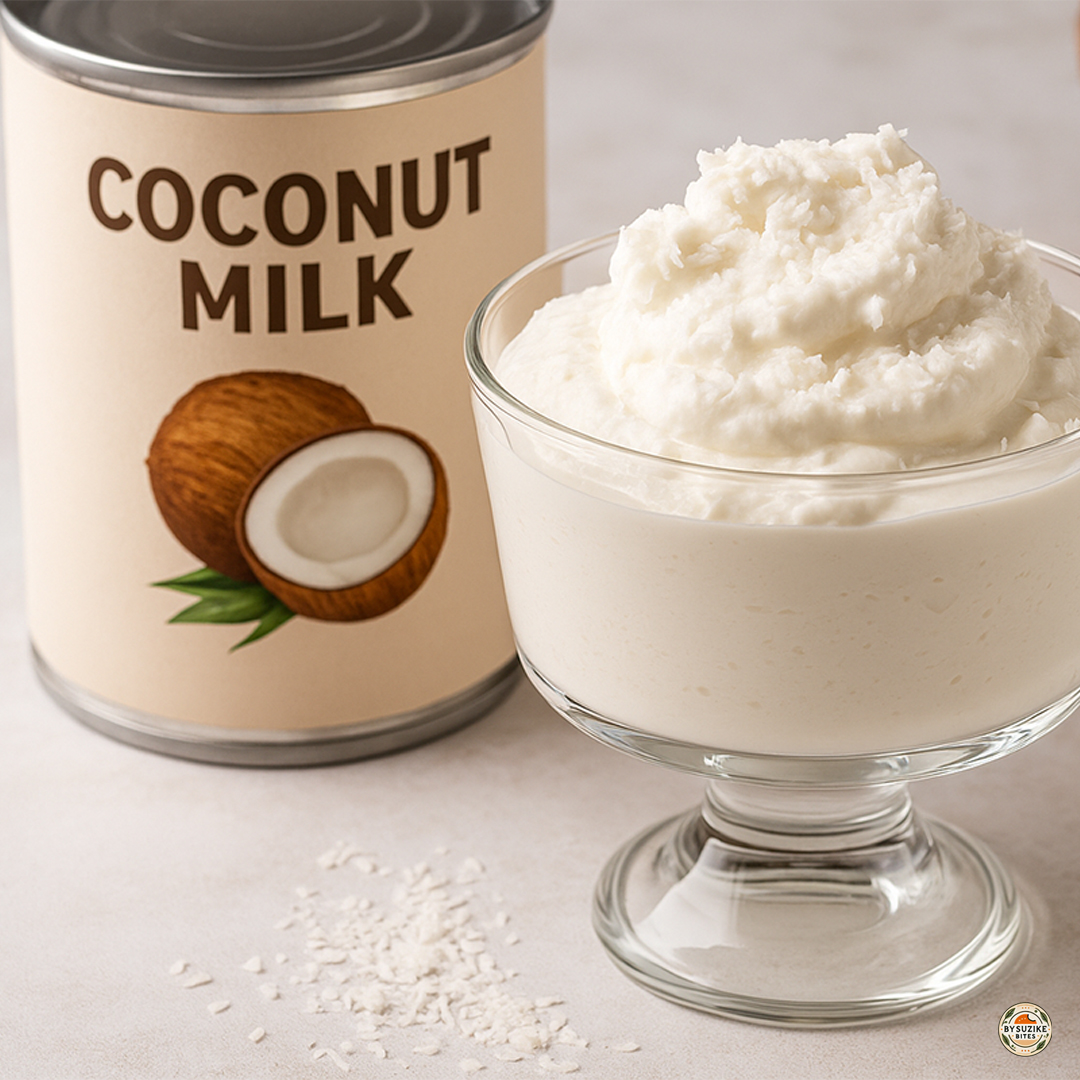
Is coconut milk low carb? Coconut milk can be a creamy, flavourful swap for dairy that fits well into a low carb lifestyle, as long as you choose the right type. In this guide, I break down the carb range, the differences between canned and carton coconut milk, and smart ways to use it in real meals without quietly adding sugar.
If you’re building a simple weekly routine, start here: Evening Prep Routine: How I Prepare Calm Mornings
What Exactly Is Coconut Milk?
Coconut milk is made by blending coconut meat with water, then straining it into a rich white liquid.
You will usually see two main types:
Canned coconut milk: thicker, higher in fat, usually used in cooking.
Carton coconut milk: thinner, often used as a drink or added to coffee and smoothies.
You will also find versions labelled:
- Full-fat
- Light (reduced fat)
- Unsweetened or sweetened
Always read labels. Sweetened versions are often loaded with sugar and do not make sense for a low carb diet.
Nutritional Benefits of Coconut Milk
- Healthy fats (MCTs): often used for steady energy and overall brain support.
- Low in carbs when unsweetened: works well for low carb routines.
- Lactose-free: a useful option for dairy sensitive people.
- Minerals (magnesium, potassium): support hydration and muscle function.
- Anti-inflammatory compounds: coconut contains compounds often associated with reducing inflammation support.
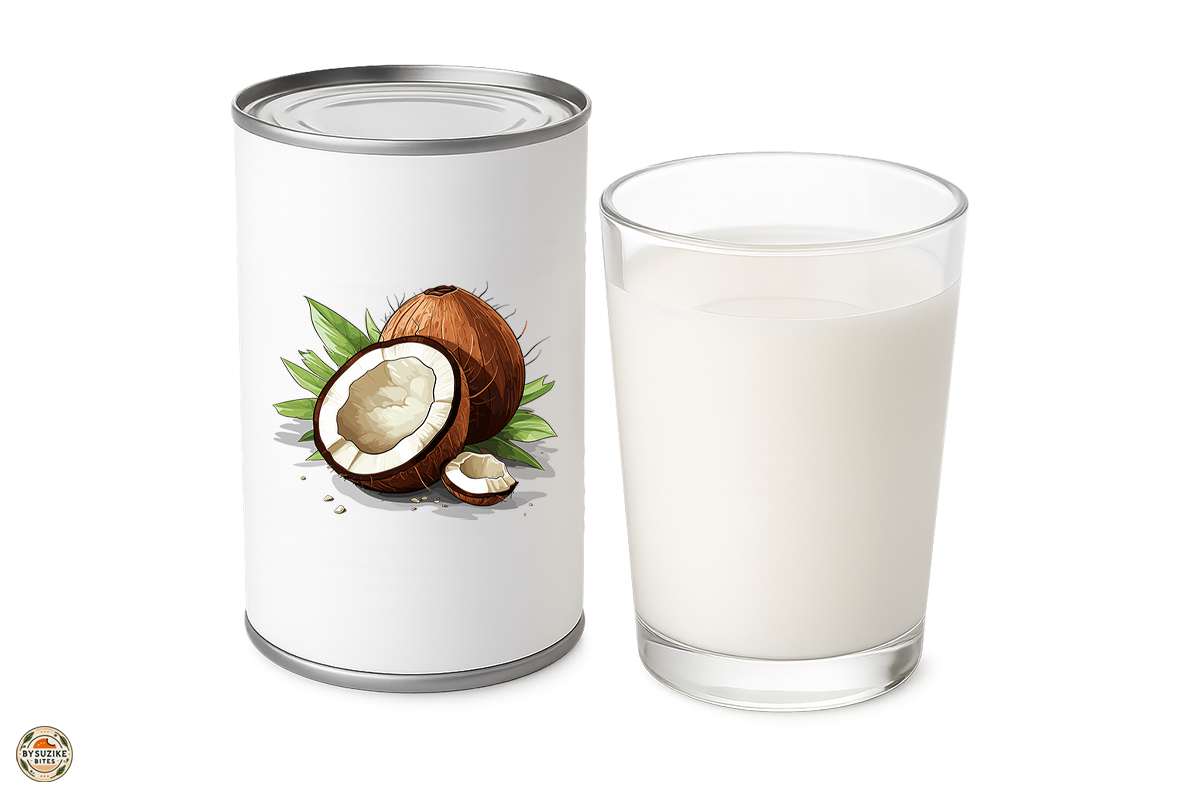
Carb and Nutrition Breakdown of Coconut Milk
Per 100ml, approximate values:
- Unsweetened (carton)
- Carbs: 0.3 to 1g
- Fat: 1 to 2g
Notes: lightest, great for drinking
Unsweetened (canned)
- Carbs: 2 to 3g
- Fat: 20g
Notes: richest, best for cooking or baking
Sweetened (any type)
- Carbs: 5 to 15g
- Fat: varies
Notes: not recommended on low carb
How to Use Coconut Milk on a Low Carb Diet
- Add to coffee for a creamy boost.
- Use in curries or stews for texture and richness.
- Blend into smoothies.
- Make low carb chia pudding. [insert future post link when ready]
- Use in baking muffins, pancakes or bread.
- Add to low carb protein shakes.
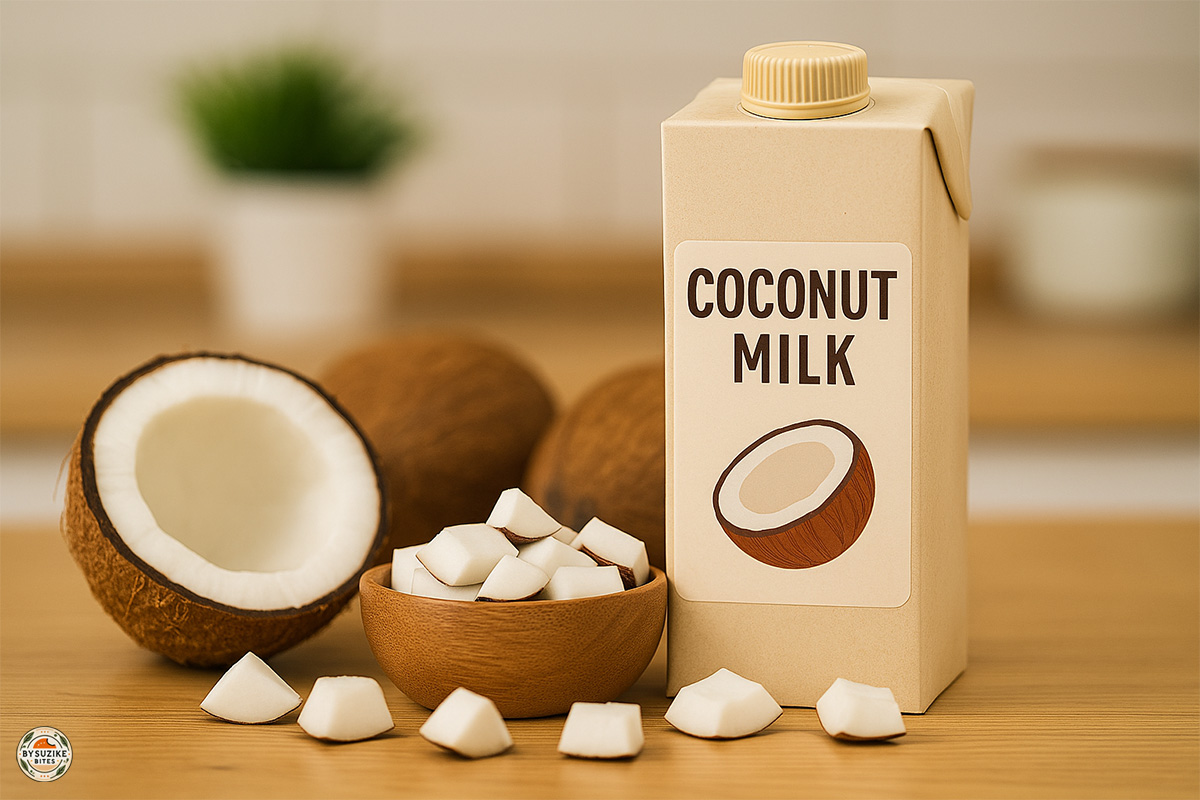
Tips for Choosing the Best Coconut Milk
- Look for “unsweetened” on the label.
- Choose canned full-fat when you need richness for cooking.
- Choose carton versions for drinking or adding to coffee.
- Avoid brands with added sugar, thickeners, or gums when possible.
Storage and Shelf Life
- Canned: refrigerate after opening and use within 4 to 5 days.
- Carton: once opened, keep refrigerated and use within 7 to 10 days.
Tip: shake well before using, natural separation is normal.
Conclusion
Coconut milk can be a strong low carb option when you keep it unsweetened and use it with intention. It is versatile, creamy, and a practical swap for dairy in coffee, cooking, and quick meals. Watch portion size, choose the right type for the job, and you can enjoy coconut milk without pushing carbs up.
Want more low carb food guides like this? Check out the full low carb food list here: Healthy Eating.
If you want a structured reset, you can find my 7-Day Low Carb Reset here:
7-Day Low Carb Reset for Busy Women
Pin this for later!