Peanut butter is a classic favorite, but is peanut butter good for you? Yes, it can be a smart, satisfying choice when you pick the right type and keep portions realistic. In this guide, you will learn what to buy, what to avoid, and the easiest ways to use peanut butter in a healthy diet.
Quick Answer: Is Peanut Butter Good for You?
What Exactly Is Peanut Butter?
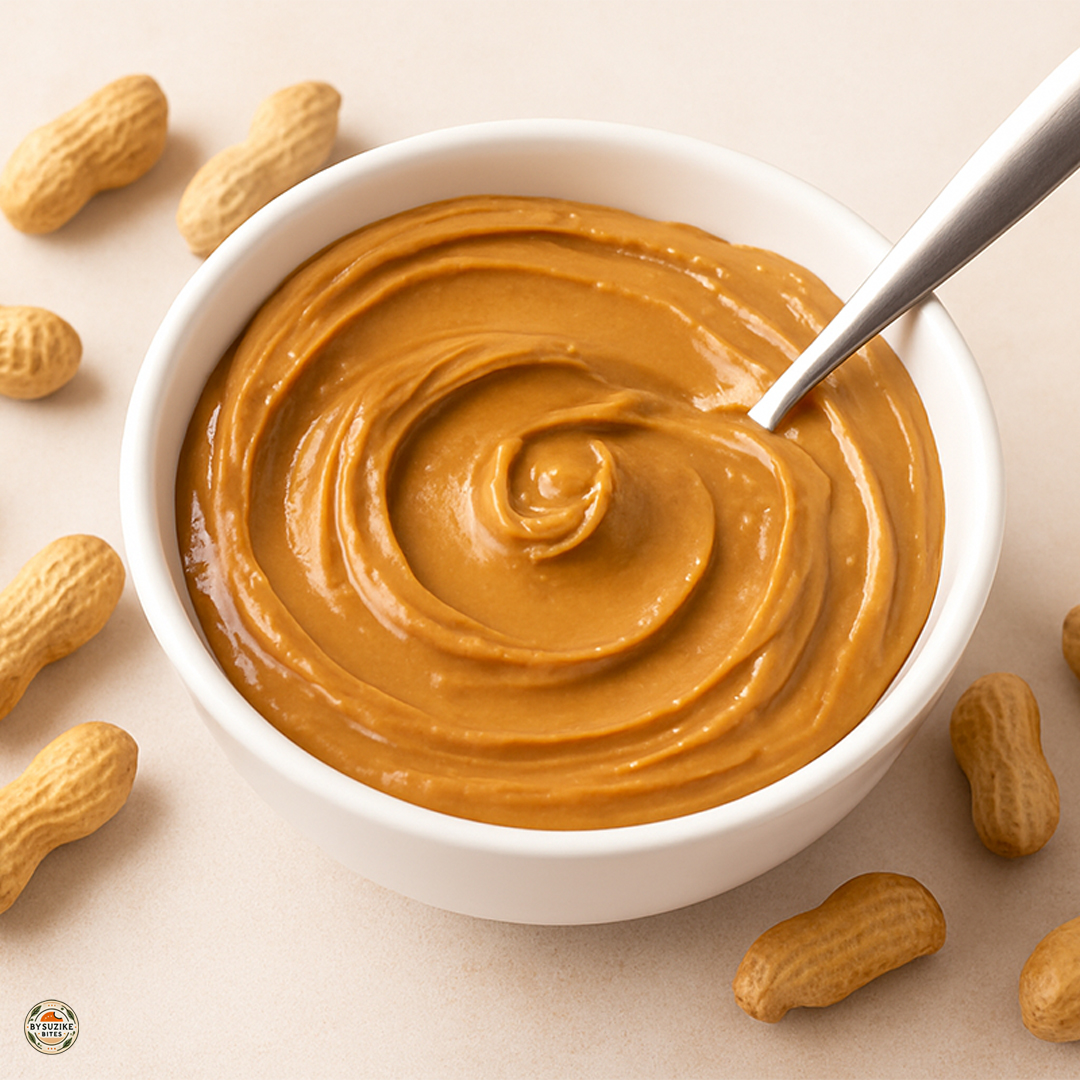
Peanut butter is made by grinding roasted peanuts into a spread. The simplest peanut butter contains peanuts and sometimes salt. Many commercial brands add sugar, oils, and stabilizers, so the ingredient list matters more than the front label.
Main types you will see:
- Natural peanut butter (peanuts, sometimes salt)
- Conventional peanut butter (often with added sugar and oils)
- Creamy or crunchy
- Organic or regular
- Powdered peanut butter (PB2 style products)
Nutritional Facts (per 2 Tbsp, approx.)
Nutrition varies by brand, but a typical serving is around:
- Calories: 180 to 200
- Protein: about 7 to 8g
- Carbs: about 5 to 8g
- Fat: about 15 to 16g
- Fiber: about 1 to 2g
If you use powdered peanut butter, calories and fat are usually lower, but it often includes added ingredients and the taste and texture are different.
Nutritional Benefits of Peanut Butter
Healthy fats
Peanut butter is typically rich in monounsaturated and polyunsaturated fats, which can support satiety and make meals more satisfying.
Plant based protein
A couple of tablespoons can add meaningful protein to snacks and breakfasts, especially if you pair it with fruit, yogurt, or oats.
Vitamins and minerals
Peanut butter can provide small amounts of vitamin E, magnesium, potassium, and niacin, depending on the brand and how it is processed.
A practical benefit: it keeps you full
This is one of the biggest reasons peanut butter works well in a realistic healthy lifestyle. It helps a snack feel complete, which can reduce constant grazing.
What to Watch Out For
Added sugars
Some brands add sugar, honey, or syrups. If you want peanut butter as a daily staple, keep ingredients simple.
Added oils
Look out for palm oil and hydrogenated oils. They are often used to stop separation, but you do not need them.
Calories add up fast
Peanut butter is energy dense. It is easy to turn a serving into three servings without noticing. If your goal is weight loss, portion awareness matters.
Salt
Salted peanut butter can be higher in sodium. It can still fit, but it is worth checking labels.
Allergies and sensitivities
This one is obvious, but important. Peanut allergy can be severe.
How to Choose the Best Peanut Butter
Start with the ingredient list. The best everyday choice is usually: Peanuts (and maybe salt).
If you see a long list of ingredients, it usually means the product is designed for shelf stability and taste, not for simplicity.
If you prefer the cleanest option, look for peanut butter made with peanuts (and maybe salt). If you hate stirring, a peanut butter stirrer tool makes it much easier. For lighter recipes, powdered peanut butter can be a useful pantry option.
A quick buying checklist:
- Ingredients: peanuts, optional salt
- No added sugar
- No hydrogenated oils
- Choose creamy or crunchy based on preference, both work the same nutritionally.
If you hate stirring, store the jar upside down for a day, then stir and refrigerate.
How to Use Peanut Butter in a Healthy Diet
Simple snack ideas:
- Apple slices with peanut butter
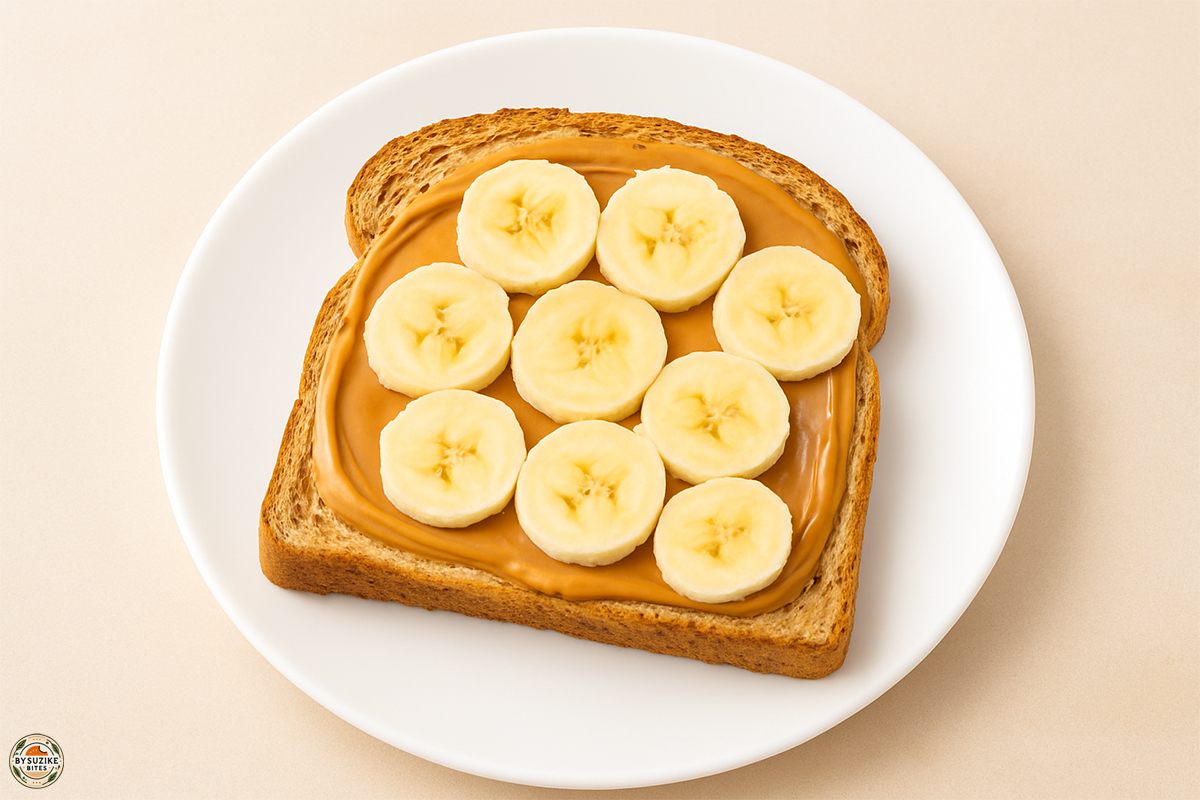
- Banana with a thin peanut butter layer
- Celery sticks with peanut butter and cinnamon
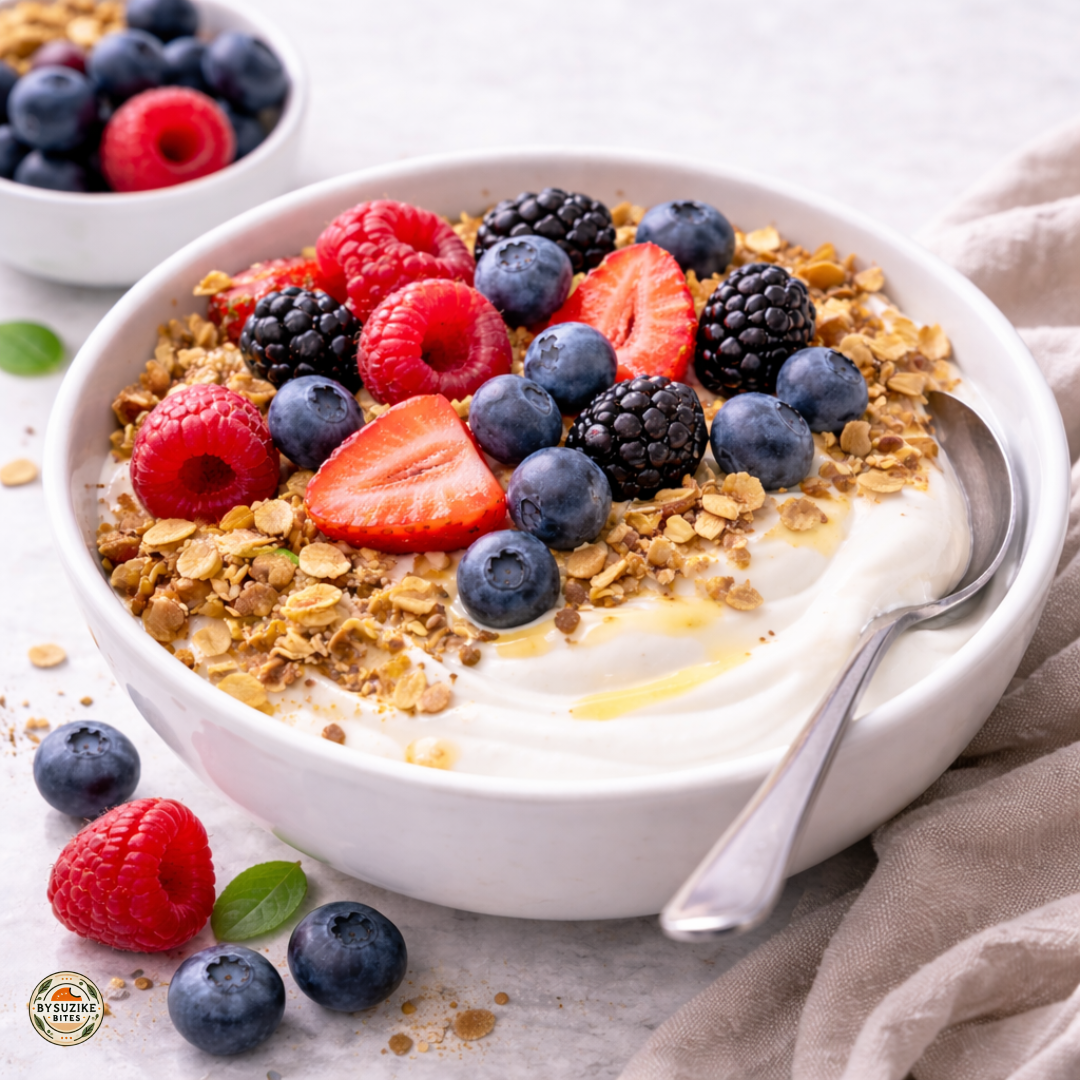
- Greek yogurt with a spoon of peanut butter stirred in
- Rice cakes or whole grain toast with peanut butter
Breakfast ideas
- Stir into oatmeal or overnight oats
- Blend into smoothies for creaminess and satiety
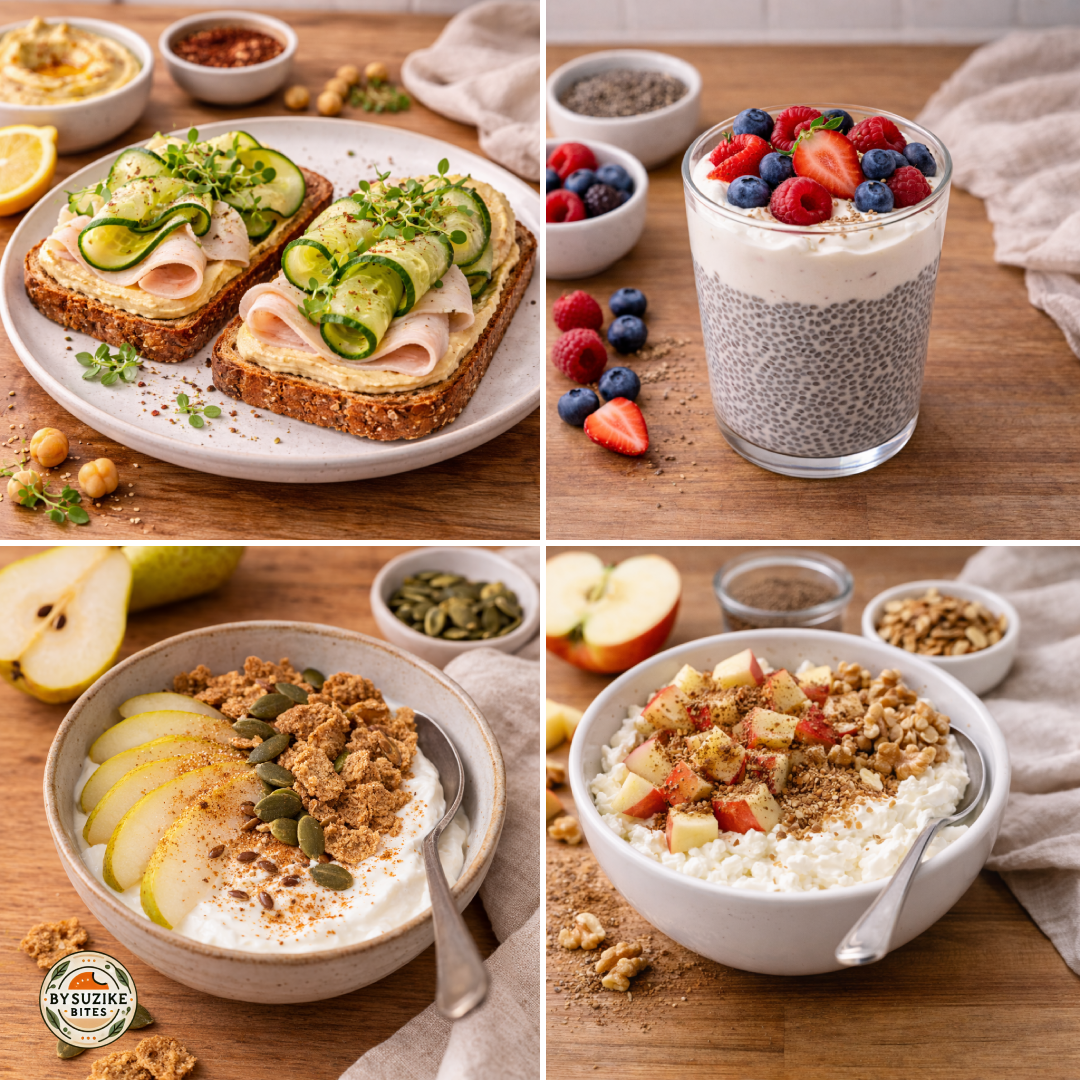
- Spread on toast and top with berries
- Add to a bowl with yogurt, banana, and seeds
Easy savory uses
- Make a quick peanut sauce for chicken, tofu, or salad bowls
- Add to a stir fry sauce for a richer flavor
- Mix with soy sauce, garlic, and lime for a fast dressing
Storage and Shelf Life
- Unopened: store in a cool, dry place.
- Opened: natural peanut butter often keeps best in the fridge, especially after stirring.
- Oil separation is normal in natural peanut butter. Stir well, then store chilled to slow separation.
FAQ
Is peanut butter good for weight loss?
It can be, because it helps satiety. The key is portion control and pairing it with high volume foods like fruit, yogurt, or oats.
Is peanut butter good for diabetics?
Many people include it because it is low in sugar and can help slow digestion when paired with carbs. The best approach is choosing a peanut butter with simple ingredients and keeping portions realistic.
Is powdered peanut butter healthier?
It can be a lower calorie option, but it is not automatically better. It depends on your goals and what ingredients are added.
How much peanut butter should I eat per day?
A common daily portion is 1 to 2 tablespoons. If you are actively cutting calories, keep it closer to 1 tablespoon and use it intentionally.
If you pay attention to what you eat, it’s worth paying attention to what you drink too.
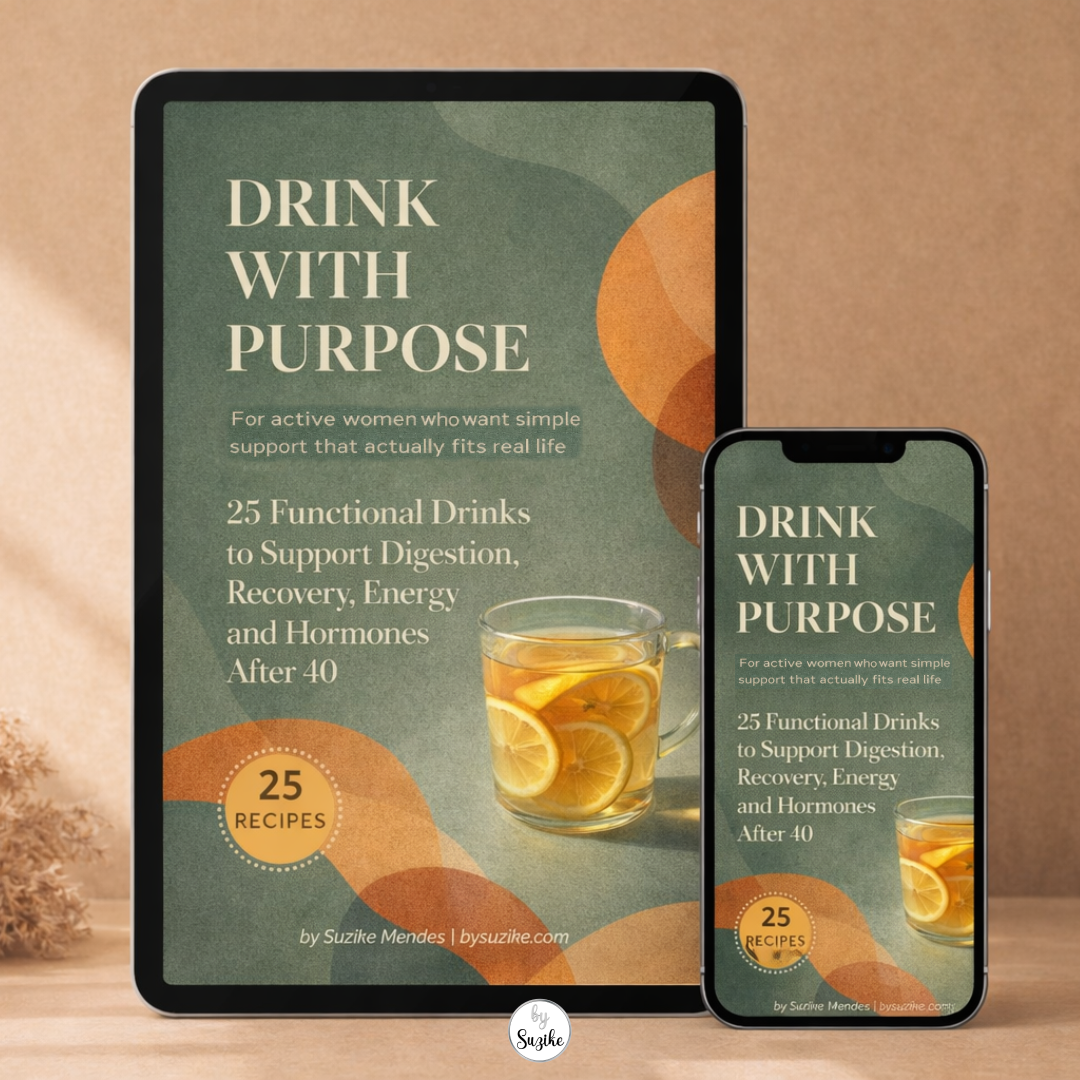
Drink With Purpose is a 25-recipe functional drink guide for women over 40 — low carb friendly, no sugar spikes, organized by goal: digestion, recovery, energy, hormones.
→ Get the guide here: Drink With Purpose
Conclusion
So, is peanut butter good for you? For most people, yes. Choose a simple ingredient jar, keep your portion realistic, and use it in ways that make your meals more satisfying. That is how peanut butter becomes a helpful staple instead of an accidental calorie trap.
If you want more simple, realistic healthy eating posts, explore my Bysuzike Bites section on the main blog and save this post for later.