Separating facts from fiction to help you thrive on your journey
Low carb has become hugely popular, and with that popularity came a lot of noise. These low carb myths spread fast, especially online, and they can make simple nutrition choices feel confusing.
Whether you are just getting started or you have been eating this way for a while, you have probably heard confident claims like “you cannot eat fruit” or “you will have no energy.”
This post clears up the most common low carb myths so you can make smart choices, keep your meals enjoyable, and stay consistent in real life.
If you want a structured reset, you can find my 7-Day Low Carb Reset here: 7-Day Low Carb Reset for Busy Women | Simple Meal Plan & Real-Life Results
1. Low carb equals no carb
Myth: You have to eliminate all carbs completely.
What’s true: Low carb is mainly about reducing refined, high glycemic carbohydrates and focusing on better choices and better portions. Many people eating low carb still include vegetables, berries, and even some legumes depending on their goals and tolerance. The point is control and consistency, not perfection.
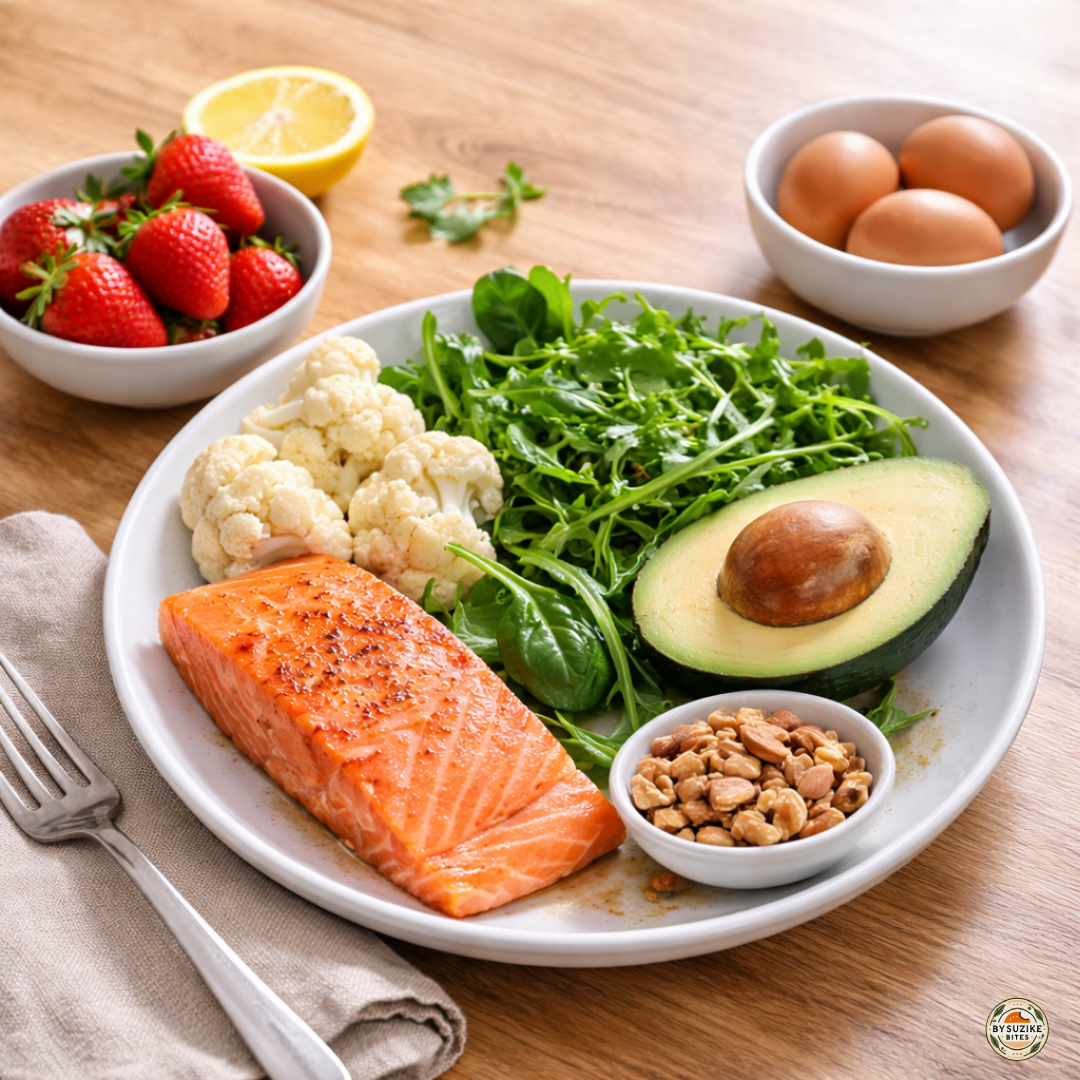
For me, berries are a great example. A small portion of strawberries with breakfast feels fresh and satisfying, and it fits easily into a low carb routine when the rest of the day is balanced.
2. You will have no energy without carbs
Myth: You cannot function without a constant supply of carbs.
What’s true: Once your body adapts, it can use fat more efficiently for fuel, and many people notice steadier energy and fewer crashes. The first days can feel uncomfortable while your body adjusts, especially if you drop sugar and processed carbs quickly. Hydration, salt, and enough protein make that transition much smoother.
Personally, I feel more stable throughout the day when I keep carbs lower, and I can train without feeling heavy or sleepy after meals.
If you want to see how my energy and training changed over time, read my My Recovery Journey After Injury.
3. Low carb is only for weight loss
Myth: This way of eating is only a quick fix to drop a few pounds.
What’s true: Weight loss can be a benefit, but many people choose low carb for appetite control, simpler meal planning, steadier mood and energy, and a more structured relationship with food. It can also support healthier routines because it naturally nudges you toward more protein, more vegetables, and fewer processed foods.
The biggest advantage is sustainability. When meals are satisfying, consistency becomes realistic, and that is where long term results usually come from.
4. You can’t eat fruit on a low carb diet
Myth: All fruit is forbidden because it is full of sugar.
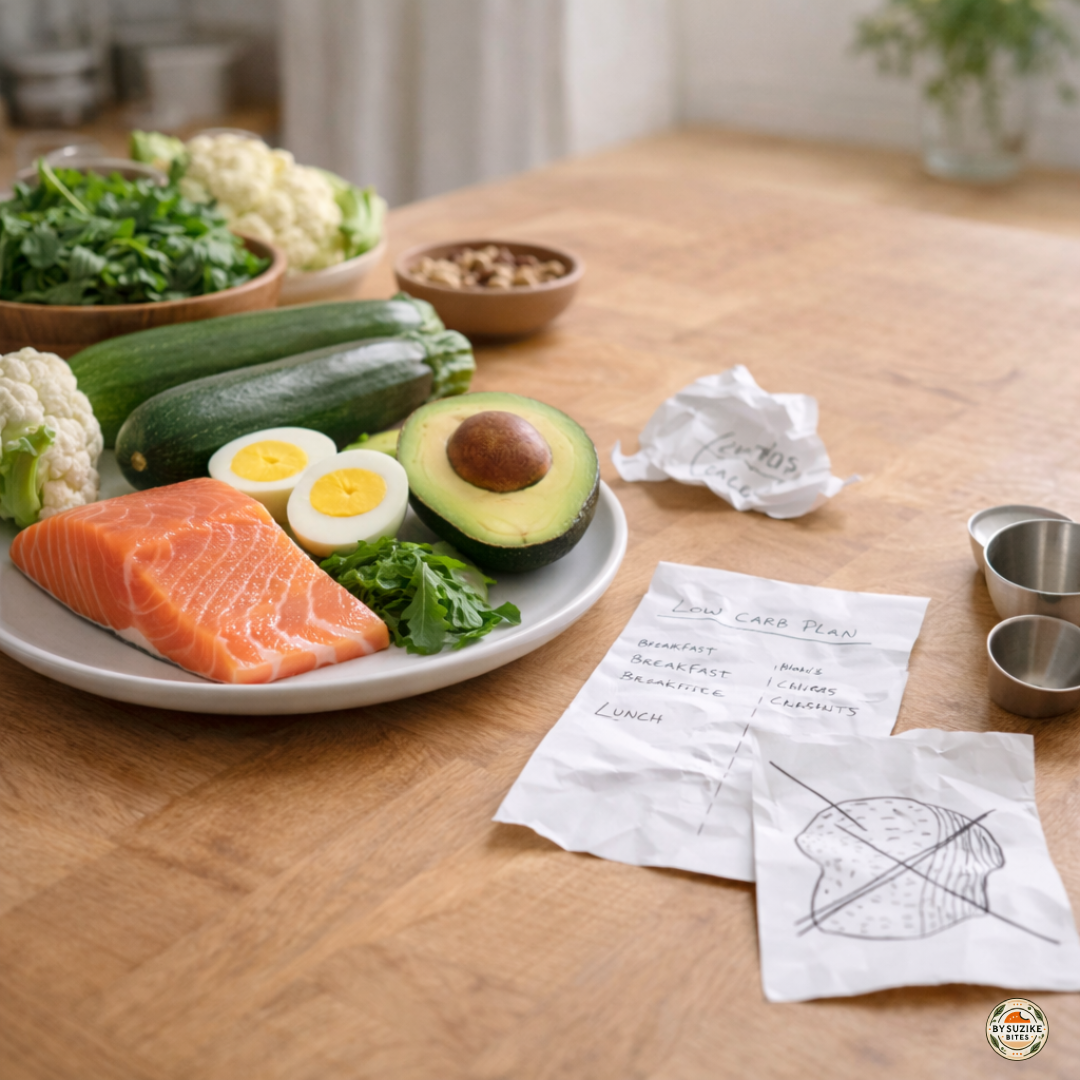
What’s true: Fruit choices matter, and portion size matters. Berries are usually the easiest fit. Other options like kiwi, oranges, or a small apple can also work for many people when portions are sensible and the fruit is paired with protein or fat. Tomatoes, avocado, and olives are technically fruits and tend to fit very comfortably.
A simple rule that helps: treat fruit like a planned portion, not a free for all snack bowl.
5. It’s too restrictive and hard to maintain
Myth: You will get bored and give up.
What’s true: Low carb can stay interesting when you build variety into your proteins, sauces, and sides. There are plenty of satisfying meals that do not feel like “diet food,” especially when you focus on real ingredients and simple swaps. Over time, many people stick with it because they feel better and they enjoy the structure.
For me, it became a lifestyle that fits perfectly with my love for cooking. I genuinely enjoy creating meals that taste great and still align with my goals.
If you pay attention to what you eat, it’s worth paying attention to what you drink too.
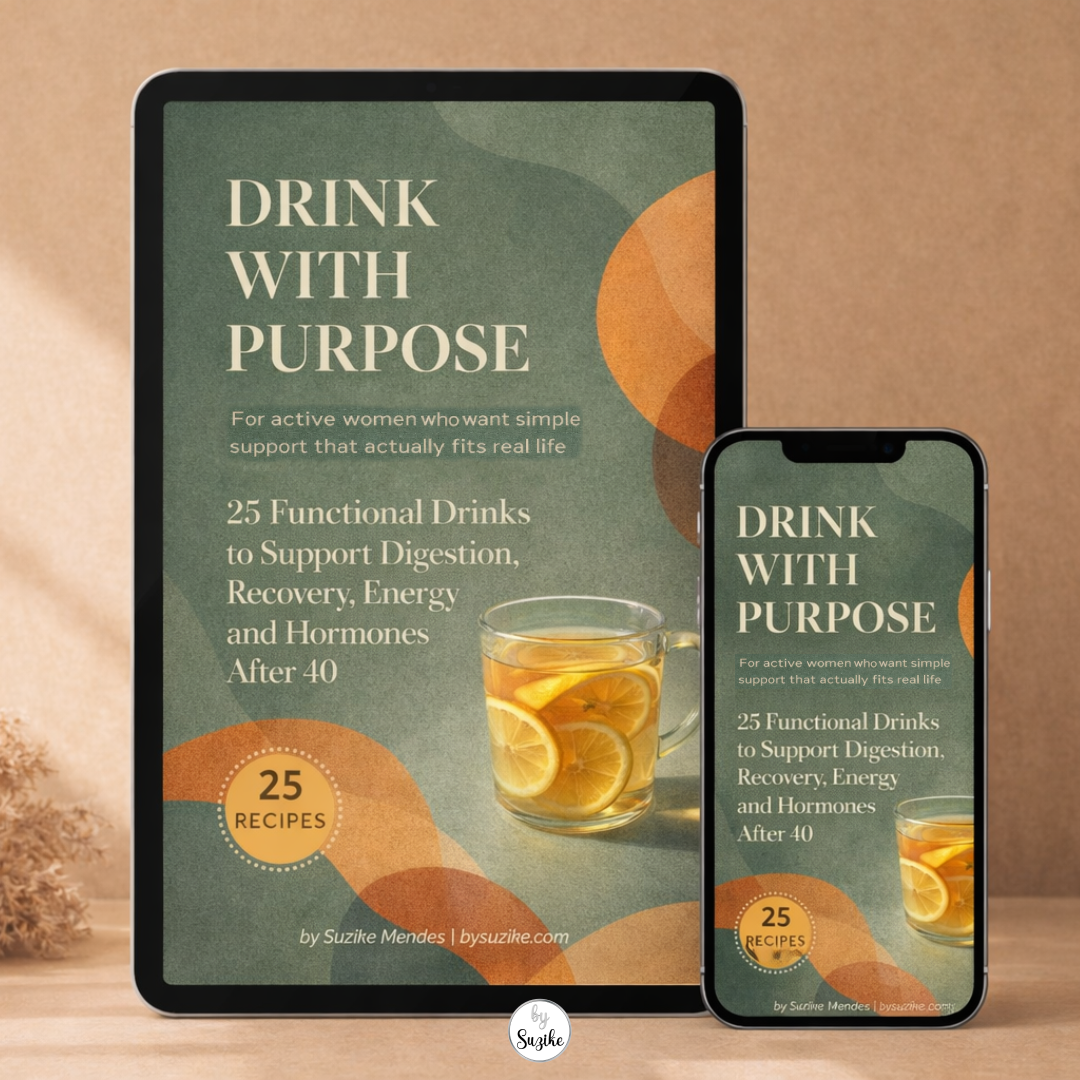
Drink With Purpose is a 25-recipe functional drink guide for women over 40 — low carb friendly, no sugar spikes, organized by goal: digestion, recovery, energy, hormones.
→ Get the guide here: Drink With Purpose
Final Thoughts
Low carb can be a realistic, sustainable approach when you keep it practical. If you are unsure where to start, begin by cutting refined sugar and heavily processed carbs, then build from there with meals you actually like.
Ready to get ideas you can use immediately? Start here: Low Carb Meal Ideas