Matcha vs apple cider vinegar for weight loss is one of the most searched comparisons right now, but most advice online skips the details that actually matter.
People want “weight loss drinks” because it feels like the easiest lever to pull. Pour, sip, results. The problem is that most of these drinks only work in two very specific ways: they either help you stick to a calorie deficit, or they do almost nothing meaningful and just add a new ritual to your day.
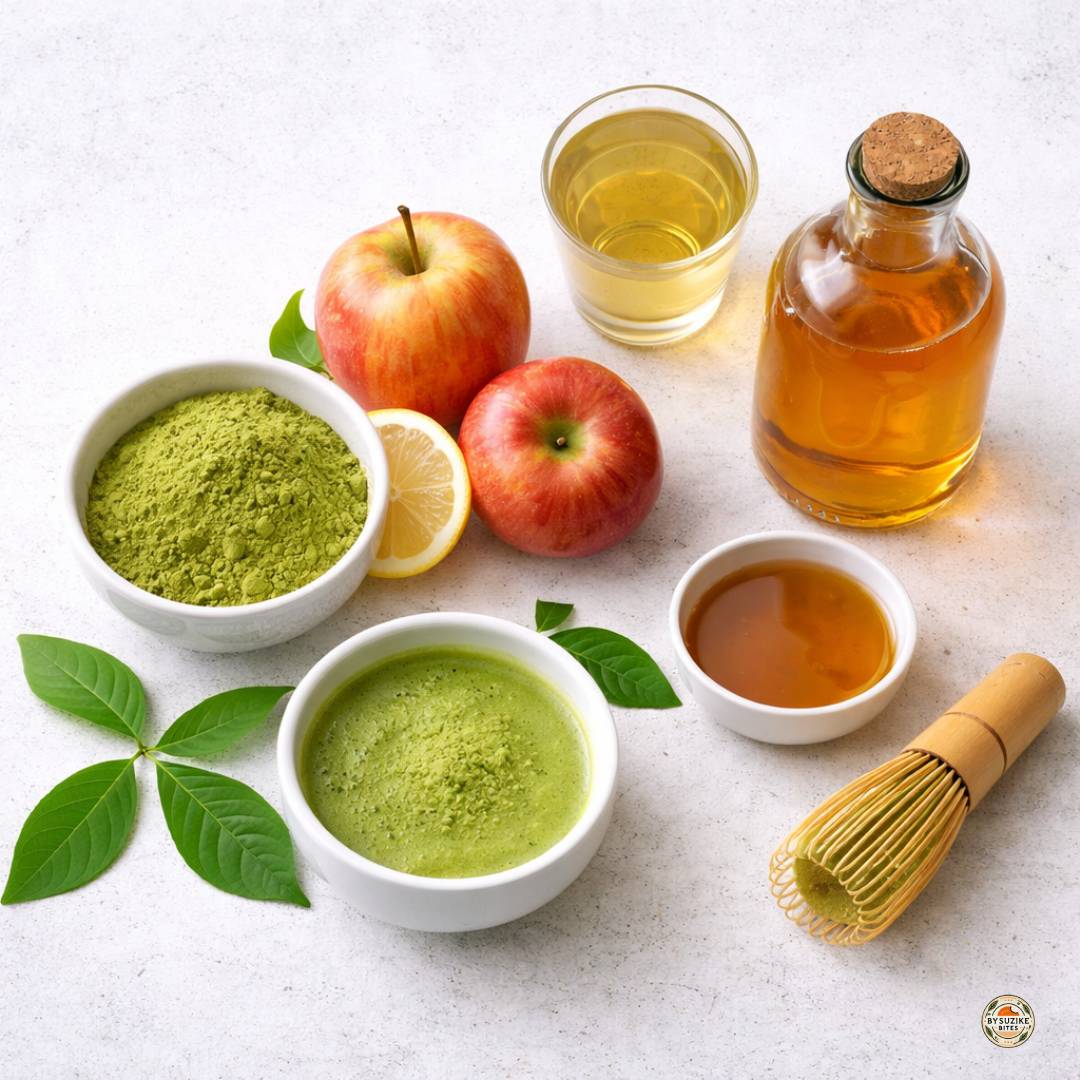
Today we’re putting two of the most searched “boosters” under the microscope: matcha and apple cider vinegar. You’ll see what the research actually suggests, what got exaggerated online, and exactly how to use them (safely) if you still want them in your routine.
By the end, you’ll know:
-
Whether matcha is worth it for fat loss, or just a wellness trend.
-
What happened with the apple cider vinegar hype and the retracted study.
-
The only scenarios where either one can realistically help.
-
Safe, practical “how to use” guidelines that won’t wreck your stomach or teeth.
Why “weight loss drinks” feel so convincing
Because they offer control without discomfort. You do something small and visible, and it feels like progress. But fat loss is still driven by the boring stuff: consistency, calorie balance, protein, sleep, movement, stress management.
So the real question is simple: does this drink help you stay consistent with the boring stuff, or is it just noise?
Matcha for weight loss
What matcha is, in one sentence
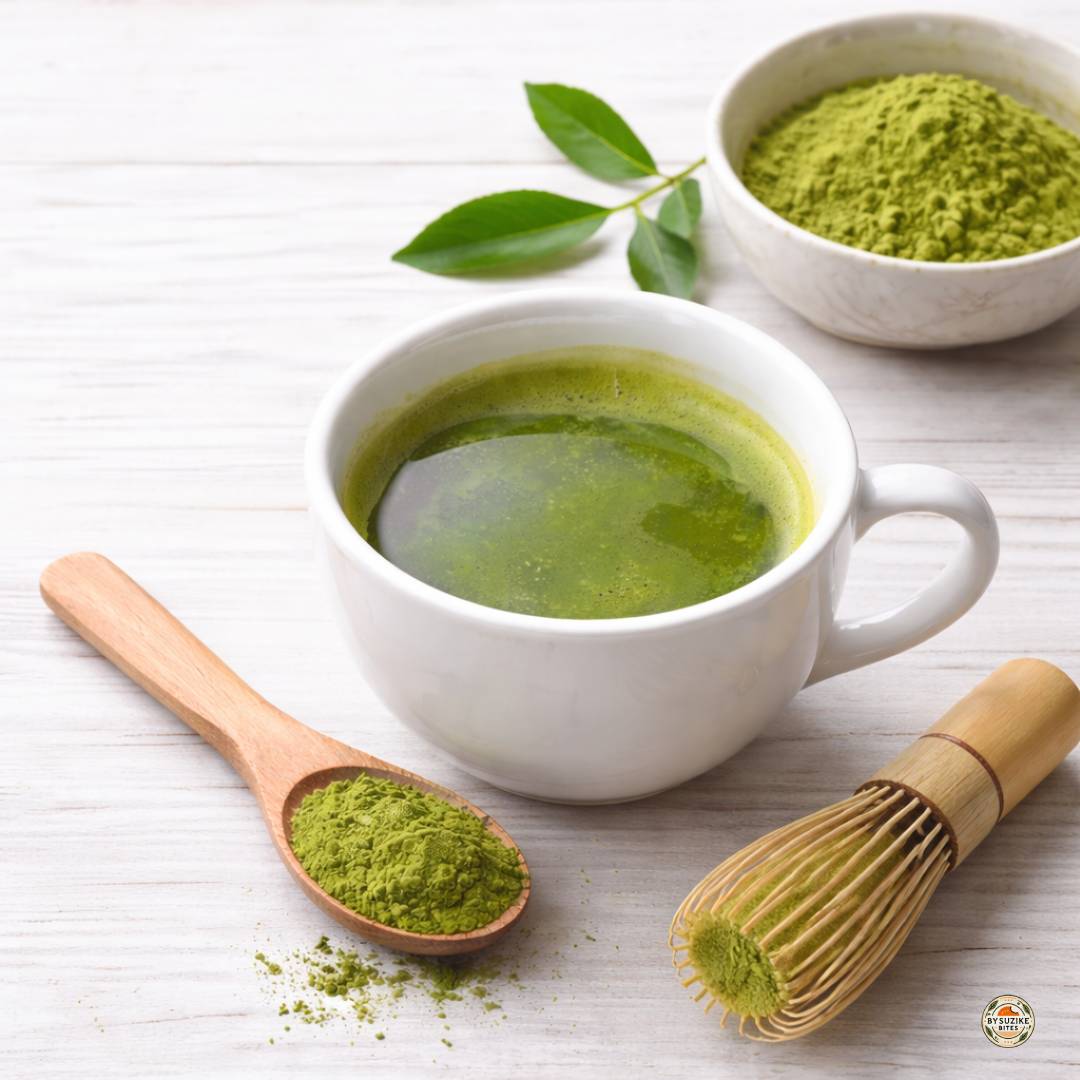
Matcha is powdered green tea. You drink the whole leaf, so you generally get more caffeine and catechins than typical steeped green tea.
What research suggests (realistic version)
Most of the “fat loss” discussion around matcha is borrowed from research on green tea catechins and caffeine. Some trials on catechin rich green tea show modest effects like small reductions in visceral fat and body weight over time, especially when paired with an overall structured routine. That effect, when it exists, is usually measured in small numbers, not dramatic transformations.
Also important: a lot of matcha specific research is not the kind that proves real world weight loss for most people. You will see animal data, lab data, and “promising” language that does not automatically translate into visible fat loss in humans.
When matcha actually helps (the 3 practical mechanisms)
-
Appetite and routine control: if it replaces a sugary coffee drink or constant snacking, it helps indirectly.
-
Energy and training consistency: caffeine can make you more likely to train or move.
-
A “clean” ritual that sticks: if matcha becomes your consistent morning anchor, that can support better decisions all day.
When matcha does nothing for weight loss
If you add matcha on top of everything else and your calorie intake stays the same, matcha does not “force” fat loss.
How to use matcha, without turning it into a calorie bomb
-
Keep it simple: matcha + water, or matcha + unsweetened milk. If you want a straightforward option, here’s the matcha I recommend on Amazon (unsweetened, easy to mix). This matcha whisk set on Amazon makes matcha smoother and more consistent, with fewer clumps.
-
If you’re adding honey, syrups, sweetened oat milk, whipped cream, you just created dessert.
-
Timing: morning or early afternoon. Too late can wreck sleep, and bad sleep wrecks fat loss.
If your main issue is snacking and tired decision making, this will help more than any drink: How to Stay Low Carb When You’re Tired, Busy or Just Not in the Mood.
Who should be cautious with matcha
If you’re sensitive to caffeine, anxious, or already struggling with sleep, matcha can backfire.
Apple cider vinegar for weight loss

Why it stays viral
Because it sounds like a “shortcut” and it’s cheap. That’s exactly why misinformation spreads fast here.
The problem with the hype (and the retraction)
A study that fueled a lot of recent excitement about dramatic weight loss with apple cider vinegar was retracted by BMJ Group, and they explicitly advised that journalists and others should not keep referencing it. This matters because a lot of the internet content you see was built on that headline effect.
What the broader evidence suggests (realistic version)
There are reviews and meta analyses looking at randomized trials that explore apple cider vinegar and body measurements. The overall conclusion is usually in the “maybe modest, short term, inconsistent” zone. Even when there is an effect, it is not remotely comparable to medication, and it is not a substitute for diet consistency.
The only ways apple cider vinegar could help
-
Satiety: some people feel they snack less when they take it before meals.
-
Habit stacking: using it as a pre meal ritual can reduce impulsive eating.
-
Behavioral substitution: if it stops you from reaching for something caloric, it helps indirectly.
How to take apple cider vinegar safely (non negotiables)
If you use it, do it like this:
-
Always dilute in water.
-
Never sip slowly for long periods. Drink it, rinse your mouth, move on.
-
Consider using a straw to reduce acid contact with teeth.
-
Do not take it on an empty stomach if it triggers reflux or nausea.
Who should avoid or be cautious
If you have reflux, gastritis, sensitive stomach, or you’re on medications that affect blood sugar or potassium, you should be cautious and ideally check with your clinician. The “it’s natural so it’s harmless” idea is how people get problems.
Matcha vs Apple Cider Vinegar for Weight Loss: Which One Works Best?
If your goal is weight loss, neither drink is a proven solution. Matcha may be the more practical option if it replaces a sugary drink or helps you feel more alert, but any effect on body weight is likely to be modest.
Apple cider vinegar is optional and has not been shown to produce meaningful weight loss on its own. If you use it, always dilute it and stop if it irritates your stomach or teeth.
The truth most people avoid
Neither drink compensates for:
-
liquid calories
-
constant snacking
-
low protein meals
-
poor sleep
-
no strength training or no daily movement
If you want a “booster” that actually moves the needle, the best “drink” is usually boring: water. This water tracker makes it easier to hit your daily target. Plus a routine that keeps your appetite stable and your training consistent.
Simple routine that makes these work (if you insist on using them)
- Morning: matcha (plain, low sugar).
- Before your biggest meal: diluted apple cider vinegar only if your stomach handles it.
- Non negotiable: protein at each meal and a daily walk or training session. If you want the easiest option that still works, use this: 20-Minute Kettlebell Workout at Home: Swings, Goblet Squats and Deadlifts.
If you do that, these drinks can support the structure. If you do not, they are just content.
Make Everyday Drinks Work Harder for You
Some days you want something refreshing. Other days you want a drink that fits your energy, digestion or recovery goals.
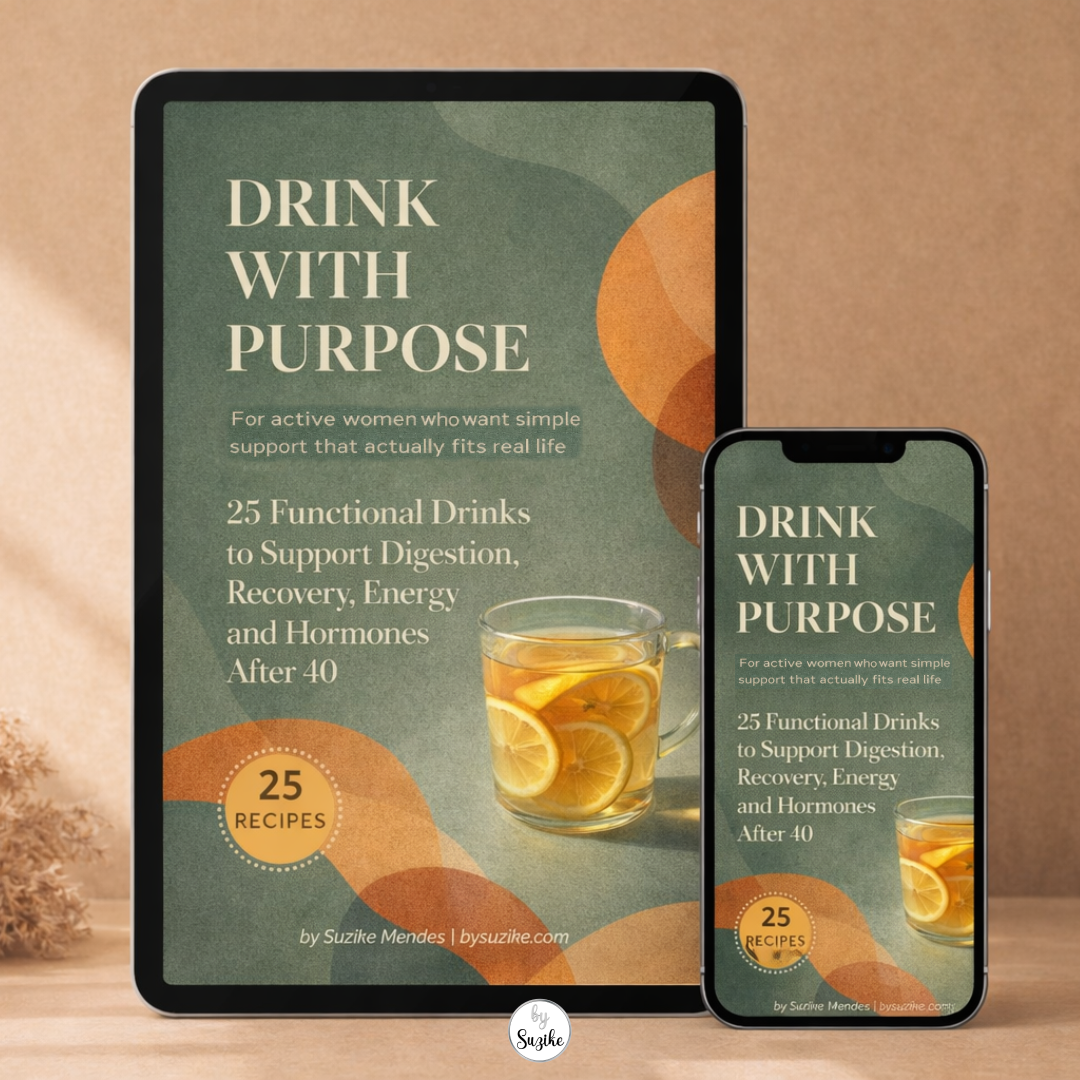
I created Drink With Purpose for women over 40 who want simple functional drinks made with everyday ingredients. It includes 25 recipes organized by goal: digestion, recovery, energy and hormones, with easy options you can make in under 5 minutes.
FAQ
Does matcha burn belly fat?
No drink targets fat loss in one area. Some green tea catechin research shows modest changes in visceral fat in certain settings, but it’s not a magic switch.
Can apple cider vinegar replace Ozempic?
No. And the study that helped push that comparison got retracted.
Which one should I choose if I only pick one?
Matcha, because it’s easier to integrate without downsides for most people and can support training consistency.
This post is for informational purposes and does not replace medical advice. If you have reflux, digestive issues, diabetes, kidney issues, or take medication that affects blood sugar or potassium, speak to a qualified health professional before using apple cider vinegar regularly.
If you want a no drama reset you can actually follow, start here: 7-Day Low Carb Reset for Busy Women.
This post may contain affiliate links. If you buy through them, I may earn a small commission at no extra cost to you.
Sources: NCCIH, Green Tea: Usefulness and Safety; Mayo Clinic, Apple Cider Vinegar for Weight Loss.