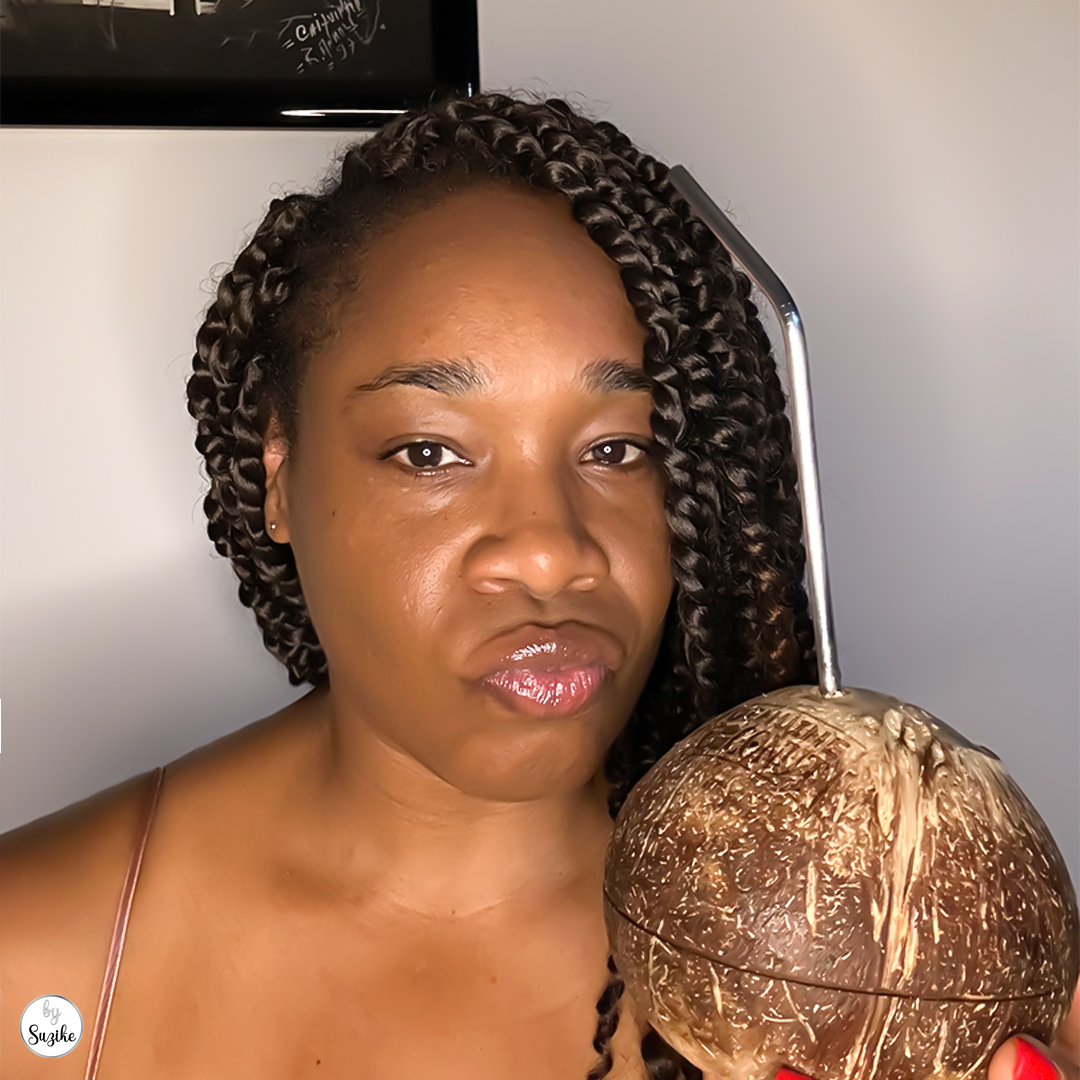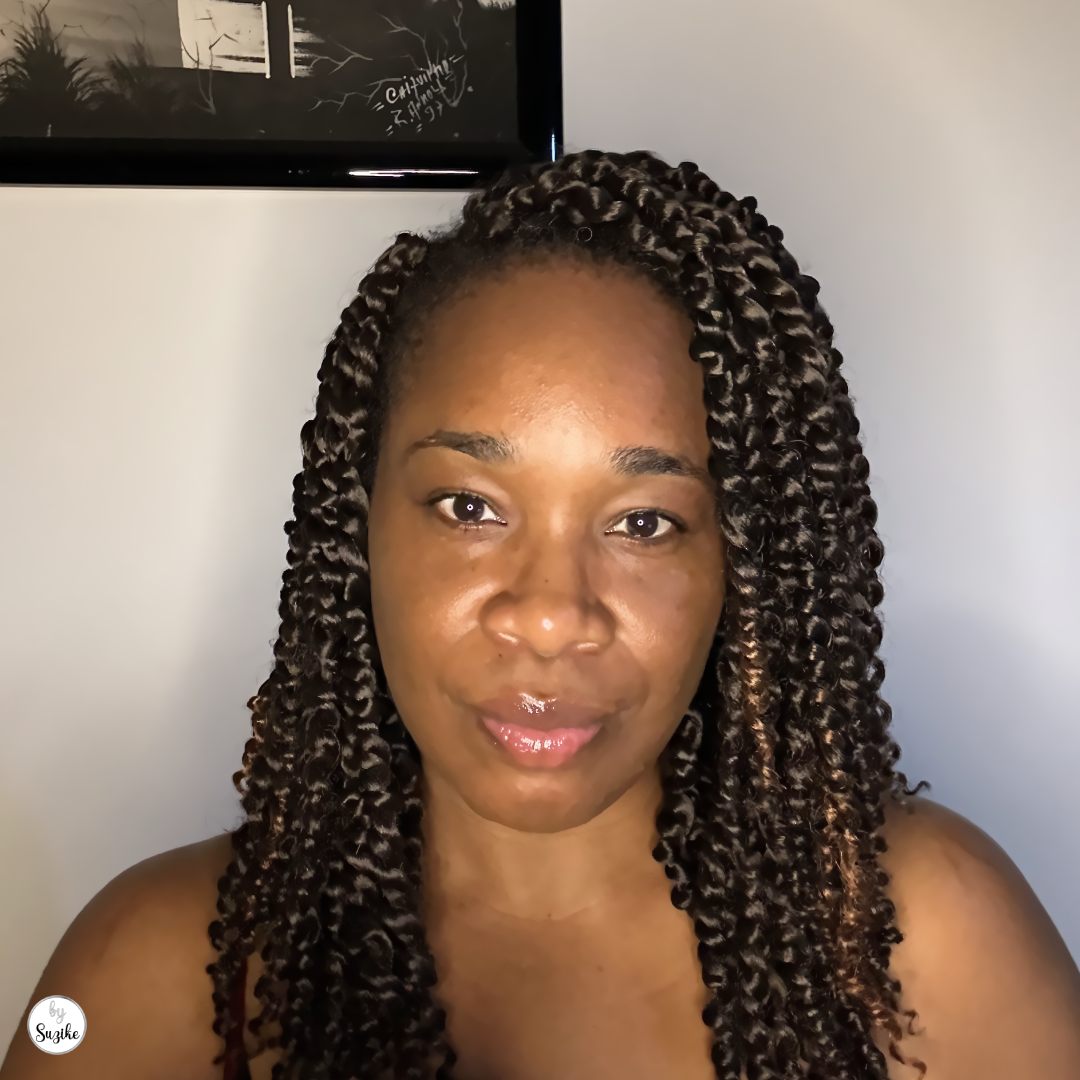
When people see me, they make assumptions. Before I say a word, before I introduce myself, before I share anything about who I am or how I live, the judgment is already formed. And I know this not because I’m paranoid, but because I’ve lived it, repeatedly, in different countries, in different contexts, in different languages.
Why do people judge you before they know you? The honest answer is uncomfortable: because it’s easier. Because our brains are wired to categorize, and because the categories we use are rarely our own, they’re inherited, absorbed, passed down through culture and silence and assumption. Understanding prejudice means looking at that process without flinching, including when we’re the ones doing it.
What Prejudice Looks Like in Real Life
Let me be specific, because “prejudice” as a concept is easy to nod along to. The lived experience of it is something else.
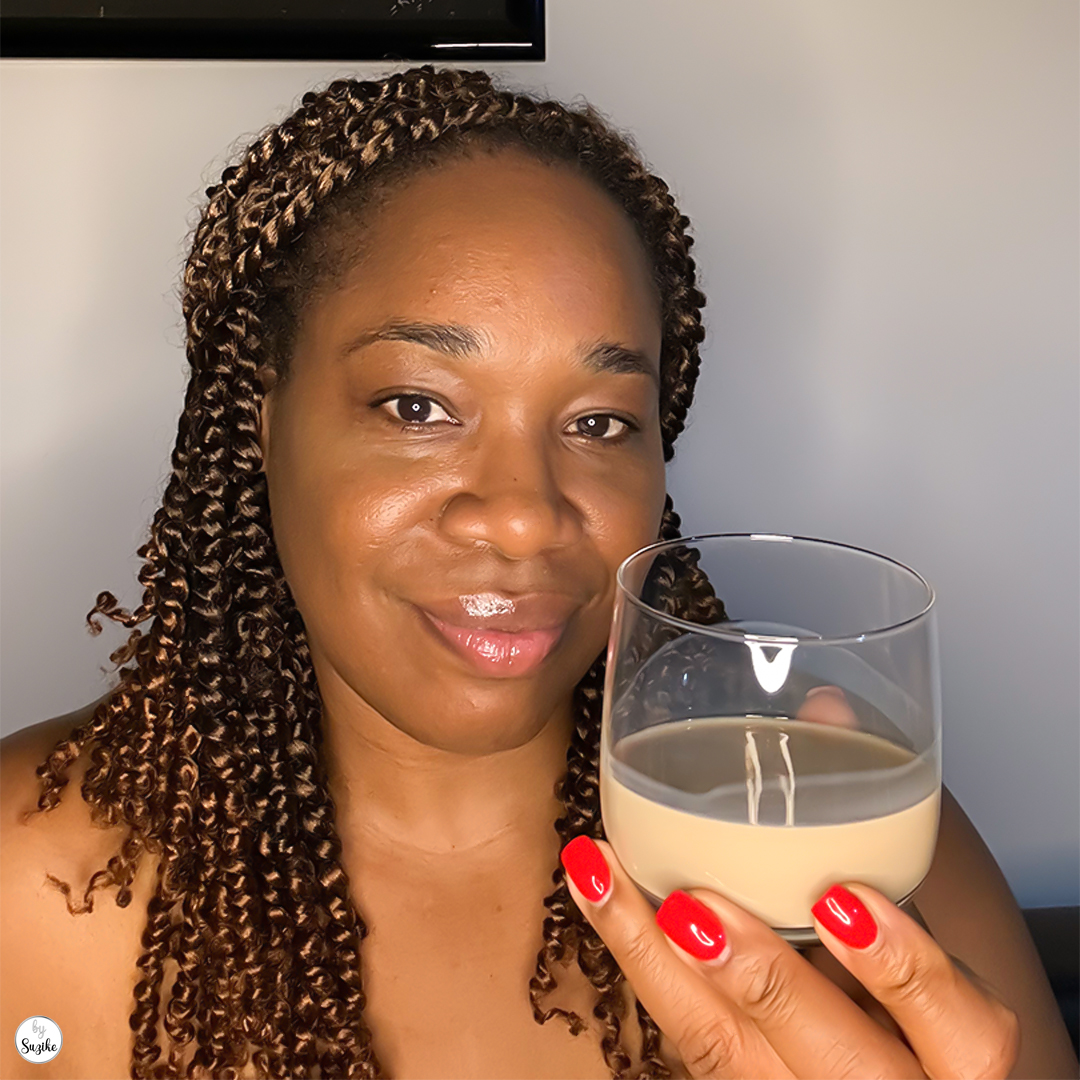
Because I’m overweight, people assume I must be lazy and love to eat. Well, I do love to eat (I’m not going to pretend otherwise), but I probably consume more fruits and vegetables than most people who’ve made that assumption. And the lazy part? I’d love to invite some of those people to one of the intense burpee sessions I’ve been showing up to lately. Let’s see who taps out first.
Because I’m Black, people assume I must be uneducated, lack culture, or have multiple children. The number of languages I speak means I can travel almost anywhere in the world and hold a real conversation. I’ve lost count of the books I’ve read and the documentaries I’ve watched. And kids? I have one. I’m happy with that.
These are not dramatic, exceptional moments. They are the background noise of my daily life, and the lives of millions of people who move through the world carrying labels they never asked for.
The stereotypes form before I speak. Before I share my story. Before anyone sees who I actually am. That’s the essence of prejudice: it replaces truth with assumption and reality with a narrative that was never mine to begin with.
Prejudice Goes Far Beyond Race and Gender
When most people hear the word “prejudice,” they think of race, and yes, racial stereotypes are real and damaging and worth talking about directly. But prejudice is far broader than that, and understanding its full reach matters.
People are judged constantly based on body size, accent, postcode, job title, relationship status, and how they choose to spend their time. The woman who prioritizes fitness is “obsessed.” The woman who doesn’t is “letting herself go.” The single mother is “too independent” or “couldn’t keep a man.” The stay-at-home parent is “unambitious.” The person who works long hours is “neglecting their family.” The person who leaves at five is “not serious.”
Every one of these is a prejudice. Every one of them operates on the same mechanism: an assumption made in the absence of information, dressed up as common sense.
Body image stereotypes are particularly insidious because they often masquerade as health concerns. When someone looks at an overweight person and assumes they’re unhealthy, lazy, or undisciplined, they’re not making a medical observation. They’re making a social judgment, and coating it in the language of concern to make it feel acceptable.
Why We All Carry Biases We Don’t See
Here’s the part that’s easier to skip over: prejudice isn’t just something other people have.
We tend to think of ourselves as the exception. We’re the open-minded ones, the ones who judge people on merit, who don’t see color or size or background. And yet. We cross the street. We make the joke. We raise an eyebrow at the accent. We assume.
The reason for this isn’t that we’re all secretly malicious. It’s that biases are largely unconscious. They’re formed early, reinforced constantly, and very rarely challenged because the social environments we move through tend to confirm what we already believe. Psychologists call this confirmation bias, and it applies to how we see people just as much as how we interpret information.
Social bias also tends to be invisible to those who benefit from it. If you’ve never been followed around a shop, talked over in a meeting, or had your CV discarded because of your name, it can genuinely be hard to believe it happens. That invisibility is part of what makes prejudice so durable.
The question worth sitting with is not “am I prejudiced?” (the answer, for all of us, is yes, to some degree). The more useful question is: which of my assumptions have I actually examined?
How to Start Unlearning Prejudice
Awareness gets mentioned a lot in conversations about bias, and it’s not wrong, but it’s incomplete. Knowing you have biases and actually doing something about them are two very different things.
A few things that actually make a difference:
Notice the story before you tell it. When you catch yourself forming an opinion about someone based on how they look, where they’re from, or what they do, pause long enough to ask where that opinion is coming from. Not to shame yourself, just to look at it.
Get curious instead of certain. Most prejudice thrives on the conviction that we already know. The antidote to that is genuine curiosity. Ask questions. Listen to the answer instead of confirming what you already thought.
Expose yourself to perspectives that aren’t yours. Read books by authors whose lives don’t resemble yours. Watch documentaries that take you somewhere unfamiliar. Follow people online who challenge your assumptions, not to argue, but to understand.
Be willing to be wrong. This is the uncomfortable one. Unlearning a bias means accepting that a belief you’ve held, possibly for a long time, possibly one that felt like common sense, was built on something false. That’s not a failure. It’s what growth actually looks like.
Prejudice thrives in the absence of real contact. It weakens when we actually know people, when they stop being a category and become a person. That’s not a grand political statement. It’s just how it works.
Final Thought
Why do people judge you before they know you? Because judging is fast and knowing takes time. Because assumptions feel like shortcuts, and shortcuts feel efficient, until you realize what they cost, in missed connections, in wrong conclusions, in opportunities never given.
I’ve been on the receiving end of those shortcuts my whole life. And I’ve given them too, which is the part I have to keep working on.
The labels people put on us say almost nothing about who we are. They say quite a lot about what the person doing the labeling has never had to question.
What assumption has someone made about you that couldn’t have been more wrong? Leave it in the comments. I’d genuinely like to know.
Me Time Ritual
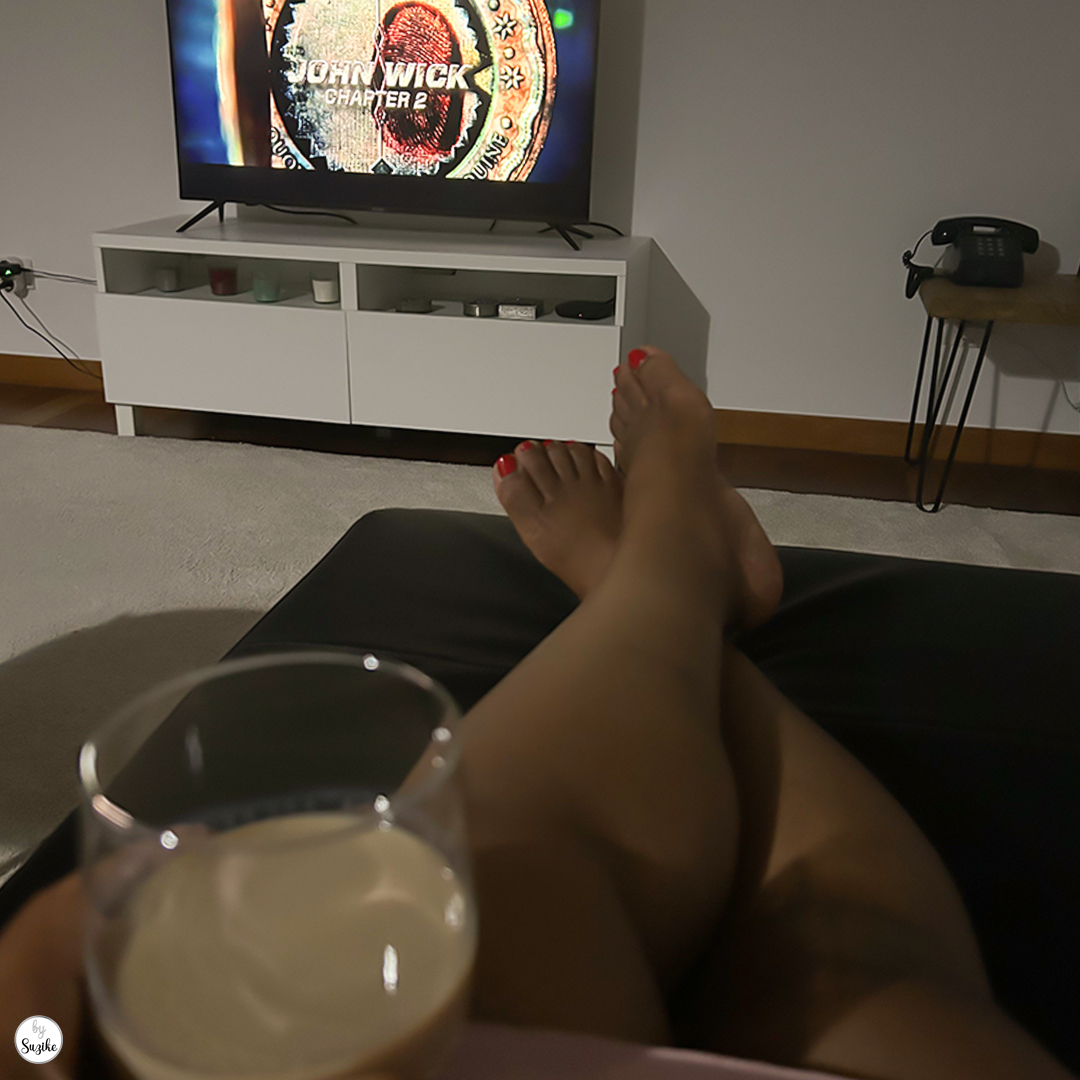
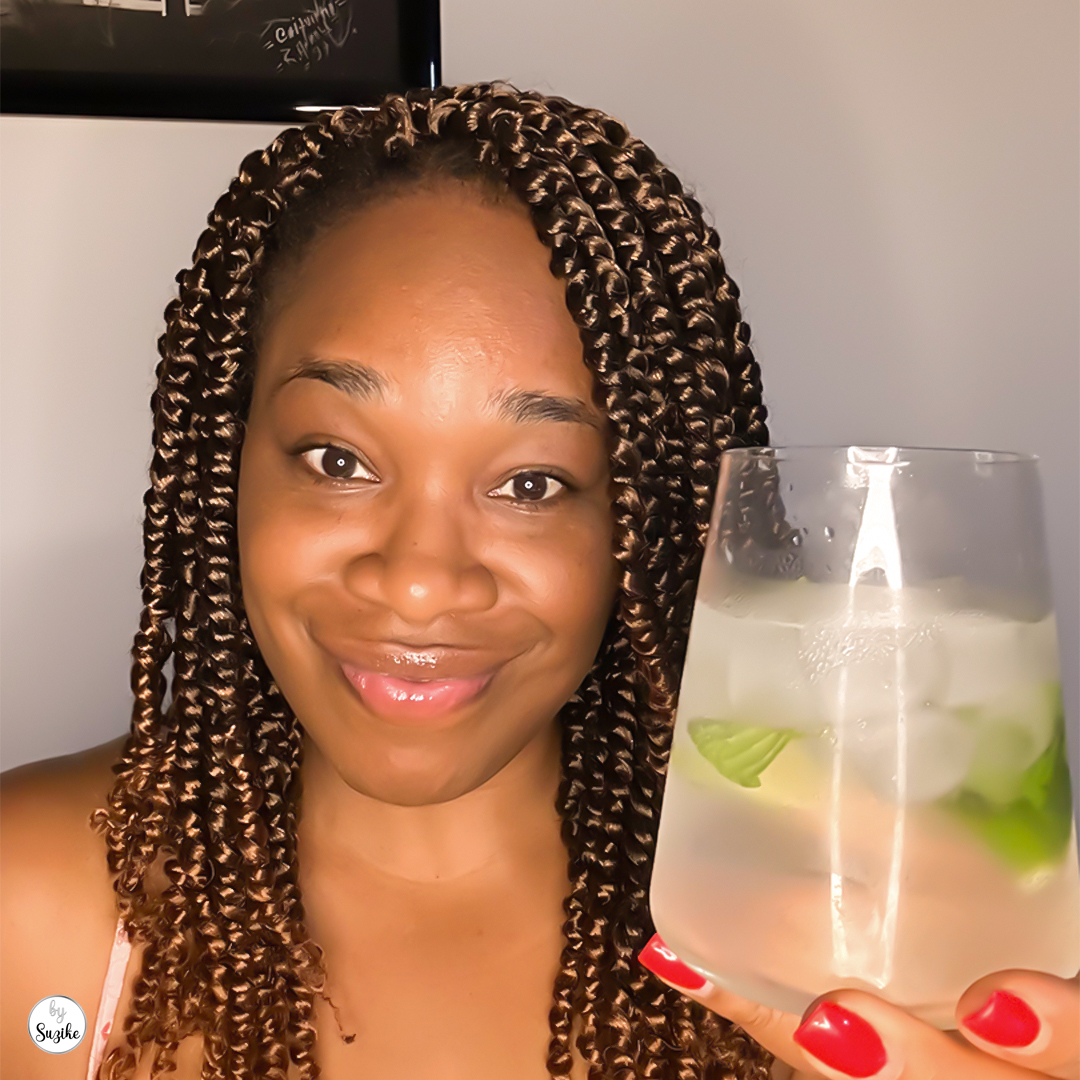
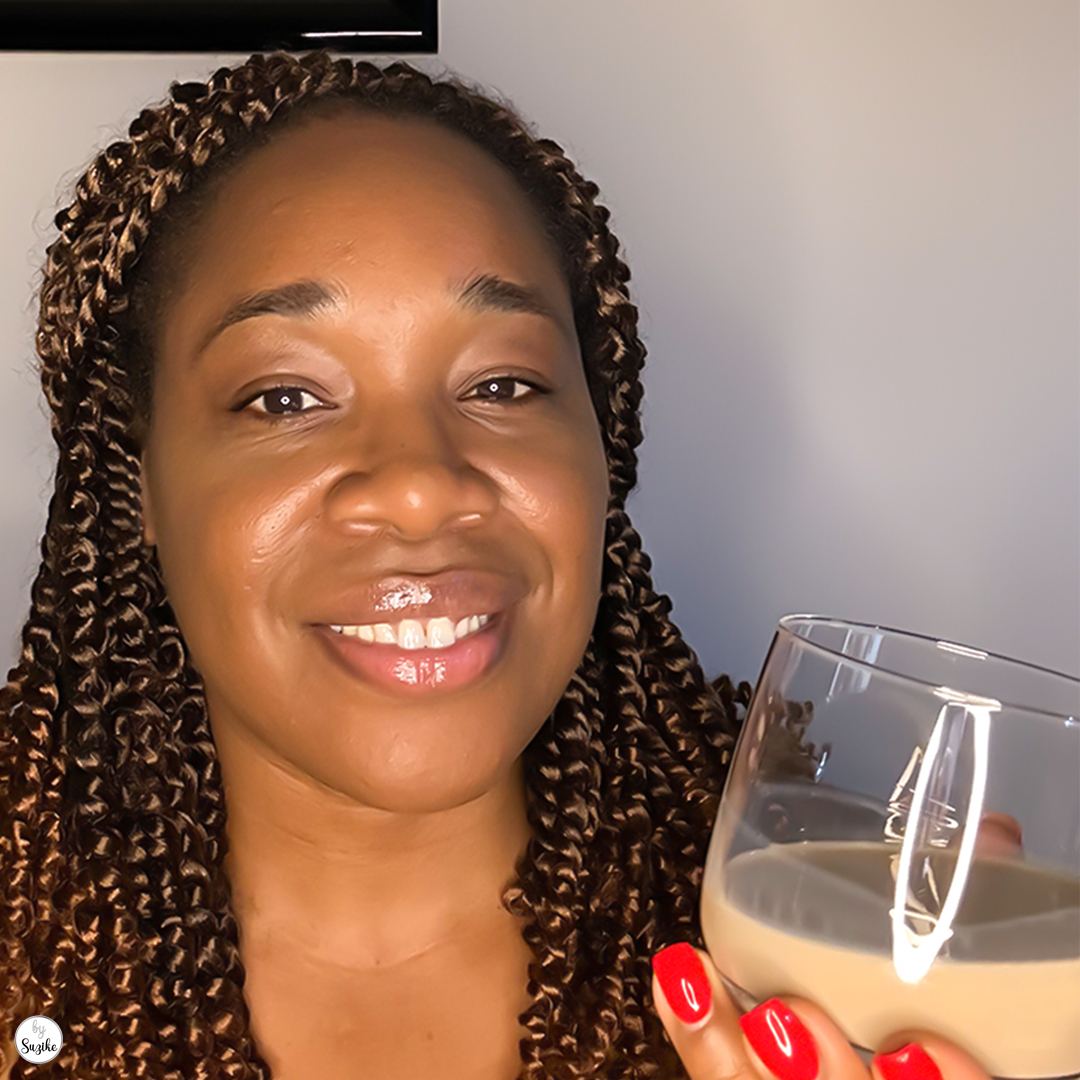
 And today is… Saturday!!! Which means… ME TIME!
Last week was all about work  , so I didn’t get to enjoy my drink and movie.
But tonight… I’M BACK! The movie of choice? “John Wick: Chapter 2”! The first one set the bar high, and I can’t wait to see what’s next. Let’s go! 

And what better way to enjoy it than with Carolans Irish Cream? So tasty!!! 

Bye-bye!