If you are planning to homeschool in Portugal, there is one document that matters more than most parents realize: the Collaboration Protocol (Protocolo de Colaboração). This is the agreement that formalizes how your child’s learning will be followed by the school where they are enrolled, and it is one of the steps that keeps your homeschooling fully aligned with the legal framework in Portugal.
In this post, I will explain what the Collaboration Protocol is, why it matters, what it typically includes, and what to double check before signing. I will also share a practical checklist you can use to avoid delays.
What is the Collaboration Protocol?
The Collaboration Protocol (Protocolo de Colaboração) is a mandatory agreement between the parent (or legal guardian) and the school where the child is officially enrolled. It details how the homeschooling process will be managed, monitored, and supported throughout the school year.
Why Is It So Important?
Without a properly signed protocol, your homeschooling setup is not legally recognized. This can put your child’s educational status at risk and may have serious consequences if inspected by educational authorities.
What Must Be Included in the Protocol?
According to Article 12 of the Portuguese Homeschooling Law, the protocol must clearly state:
-
The subject of the agreement: That is, the fact that your child will be homeschooled.
-
All parties involved: Who is responsible for each part of the educational process (parents, tutors, school, etc.). Thinking of hiring a tutor? Here’s what the tutor’s role legally looks like in Portugal: Thinking of Hiring a Homeschooling Tutor in Portugal?
-
How the curriculum will be managed: You need to explain how you will guarantee that your child will cover all the required competencies, including essential learnings and citizenship education.
The protocol should specify:
-
How and when your child’s learning will be monitored (at least one in-person session per year at the school is mandatory).
-
How Portuguese language will be guaranteed as the main teaching language (with bilingual or foreign language options in specific cases).
-
That all documentation about the student’s progress and evaluation (such as portfolios or learning logs) will be updated and shared.
-
The protocol’s period of validity (usually one school year, renewable).
Monitoring and Support
The law requires that at least one in-person monitoring session is scheduled each year, usually at the end of the school year, where the parent and student meet with school staff. In exceptional situations (with proof), this can be done via videoconference — but you must explain why the in-person visit is not possible and show all the learning records.
What About Final Exams and Assessments?
The protocol also covers:
-
Equivalency exams and final exams: Your child must attend official assessments, just like regular students.
-
Annual national tests: These are mandatory if applicable to your child’s grade.
-
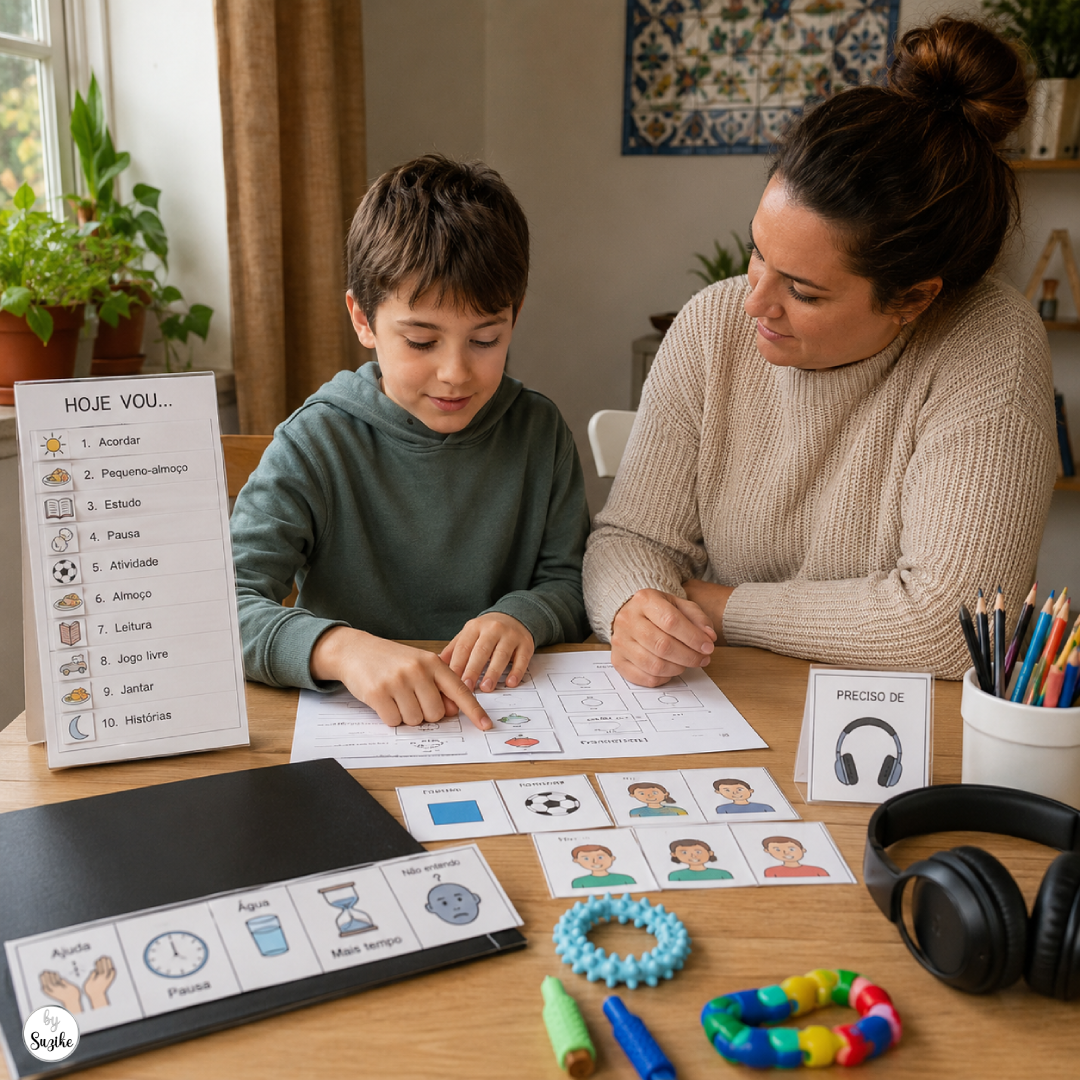
Support for special needs: If your child requires special educational support, the protocol should include advice from the school’s multidisciplinary team. For the latest update affecting SEN homeschoolers, read this: New Law Update: SEN Homeschoolers in Portugal Now Exempt from Exams.
Other Details
-
Use of school facilities: The protocol can also allow your child to access the school library or educational resources if needed.
-
Duration and updates: It lasts for one school year and must be updated and sent to the DGEstE (the national educational authority) within 10 days of signing.
Why Does It Matter?
Having a clear and detailed collaboration protocol protects your rights as a homeschooling parent and ensures your child receives a recognized and quality education. It also clarifies expectations for both the family and the school, reducing misunderstandings and legal risk.
Final Tips
-
Review Carefully: When you receive the draft protocol from the school, read it in detail. Make sure all information is correct and that the responsibilities, meeting schedule, and language requirements are clear.
-
Ask Questions: If you have any doubts or something isn’t clear, don’t hesitate to contact the school and ask for clarification before signing. Want quick clarity before you contact the school? Watch the full Homeschooling in Portugal legal FAQ video here: Homeschooling in Portugal | Is It Legal? Legal FAQ for Parents.
-
Keep a Copy: Once signed, always keep a copy of the protocol for your records.
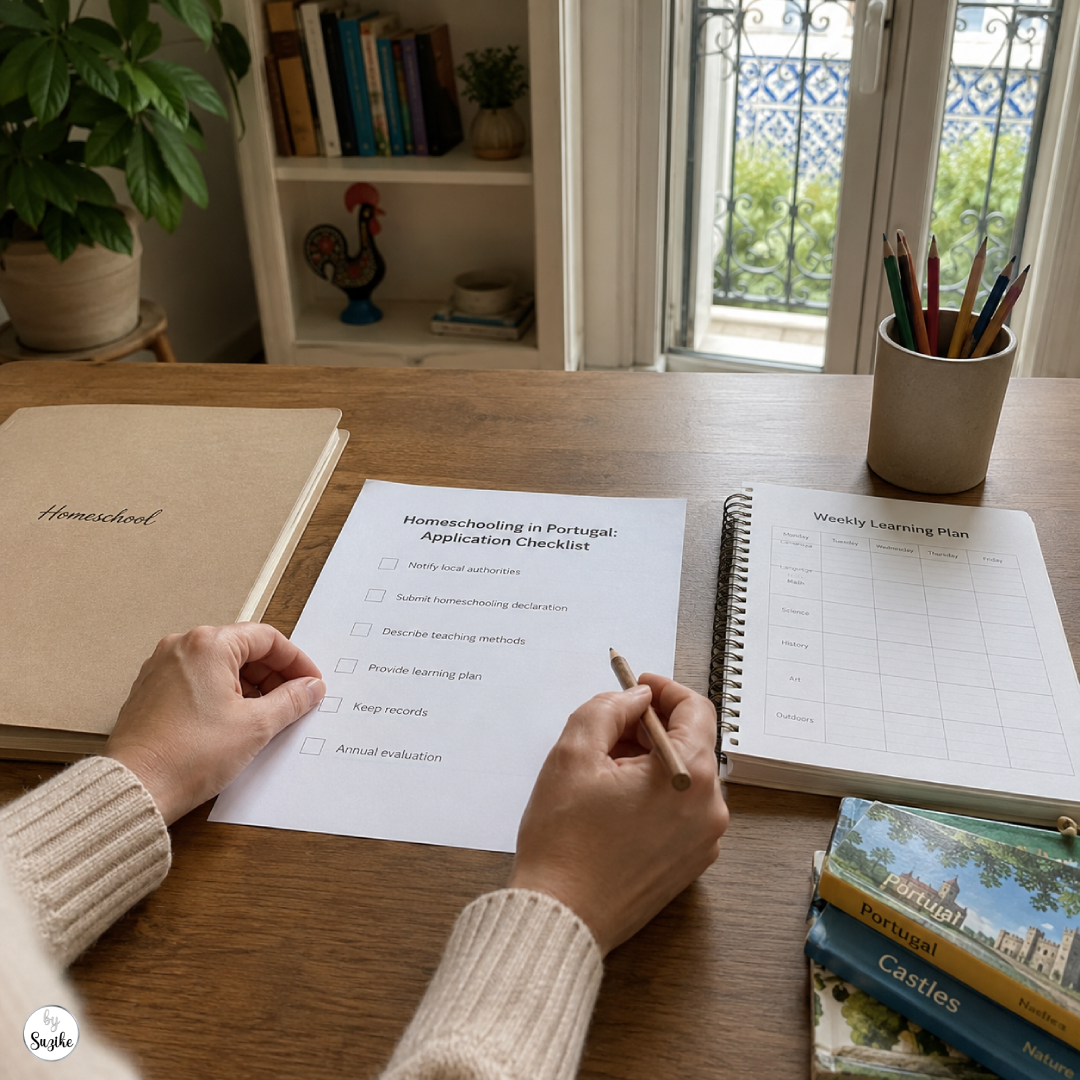
If you want a full step by step flow of the whole process, use this: Practical Guide to Homeschooling in Portugal (Step by Step).

Leave A Comment