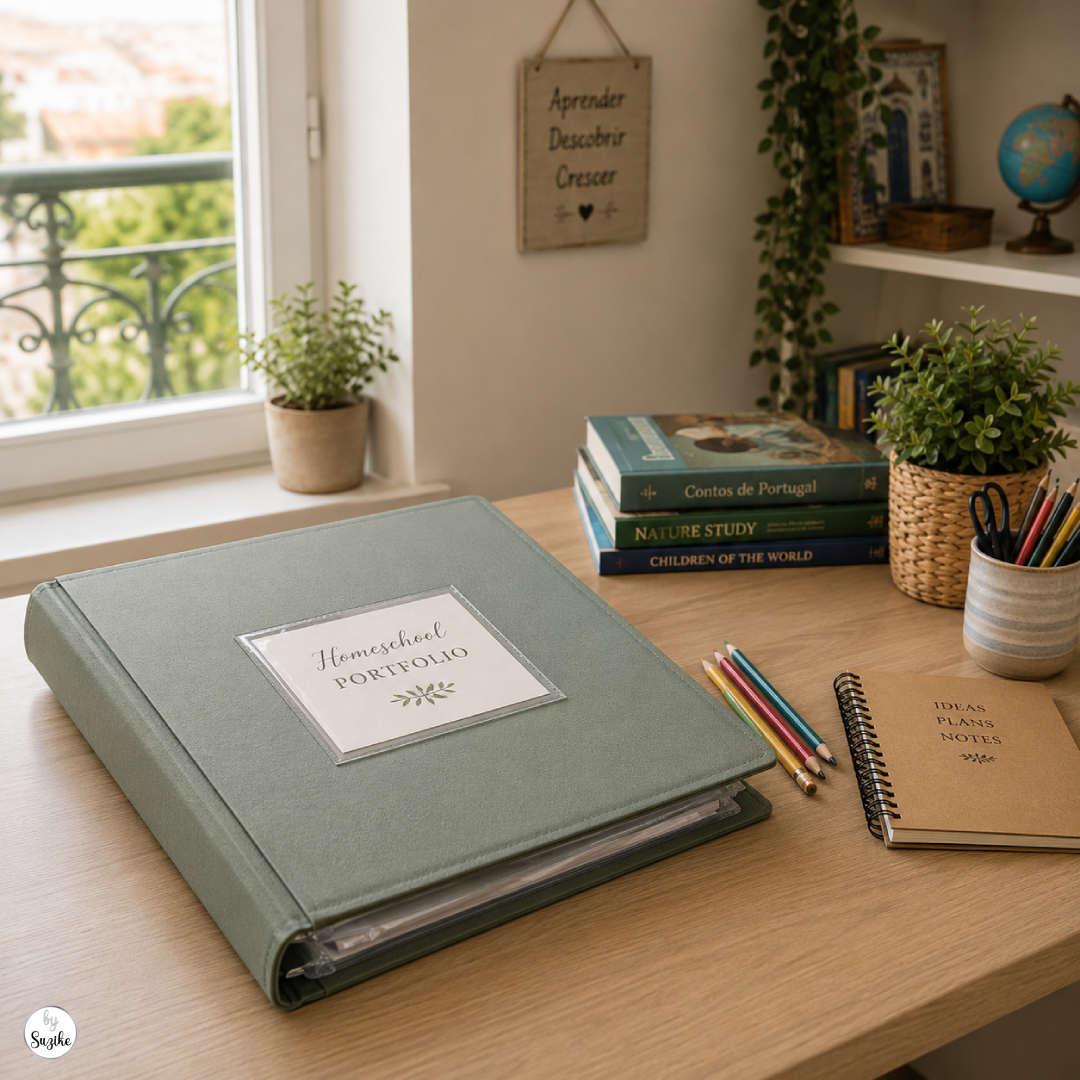
Updated in May 2026: this homeschool portfolio in Portugal guide reflects the current homeschooling framework in Portugal.
A homeschool portfolio in Portugal is more than a nice folder with your child’s work. It is one of the main tools used to document learning, organize evidence and support the monitoring process with the school.
If your child is homeschooled in Portugal, the school remains part of the process. The child is enrolled in a school, a teacher-tutor follows the educational path, and the portfolio helps show what has been learned throughout the year.
This guide explains what a homeschool portfolio is, why it matters in Portugal, what to include and how to keep it organized without becoming overwhelmed.
What Is a Homeschool Portfolio?
A homeschool portfolio is a collection of materials that show your child’s learning process over time.
It can include written work, projects, reading records, photos of activities, assessments, reflections, subject work, learning plans and other evidence of progress.
The portfolio can be physical, digital or a mix of both. Some families prefer binders and printed worksheets. Others prefer scanned documents, folders on the computer or cloud storage. The best format is the one you can maintain consistently.
In Portugal, the portfolio matters because it helps the school and the teacher-tutor understand how the child’s learning is developing.
New to Homeschooling in Portugal?
Before organizing your portfolio, make sure you understand how homeschooling works legally in Portugal, including enrolment, school monitoring, assessment and the collaboration protocol.
Why the Portfolio Matters in Portugal
In Portugal, homeschooling remains connected to the Portuguese education system.
The school of enrolment is responsible for monitoring and certifying the child’s learning. The teacher-tutor follows the process and discusses the portfolio with the student and the family according to what was agreed in the collaboration protocol.
This means the portfolio should be organized with a clear purpose. It should help show what the child has worked on, how learning has progressed and how the educational path is being followed.
A good portfolio can make communication with the school easier because everything is already documented and structured.
For an even more structured homeschooling experience, check out my Homeschool Planner 2024/2025, designed to keep lessons, schedules, and assessments perfectly organized. Get your planner now on Amazon!
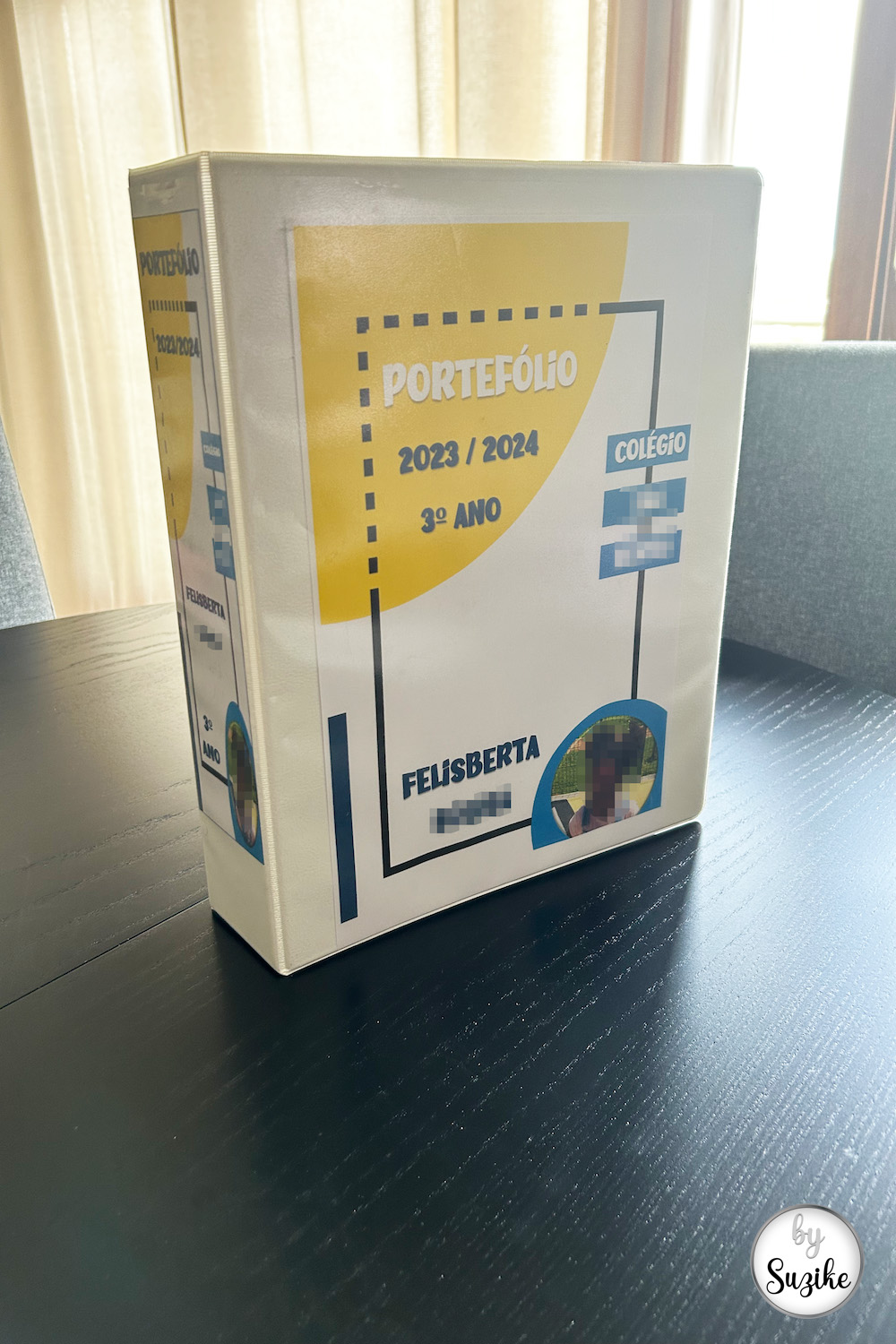
Plus, I personally use this white binder to keep my homeschool portfolio neat and easy to manage!
What to Include in a Homeschool Portfolio
The exact content of the portfolio may depend on your child’s year, subjects, educational project and collaboration protocol.
In general, these are useful sections to include:
- Student information: Include basic information about the student, school year, school of enrolment and education level.
- School details: Keep a section for school contacts, teacher-tutor information, relevant dates and communication with the school.
- Collaboration protocol: The collaboration protocol is one of the most important documents in the homeschooling process. Keep a copy in the portfolio or in a clearly labelled folder.
- Calendar and planning: Include your weekly or monthly planning, important school dates, monitoring dates, portfolio review dates and assessment periods.
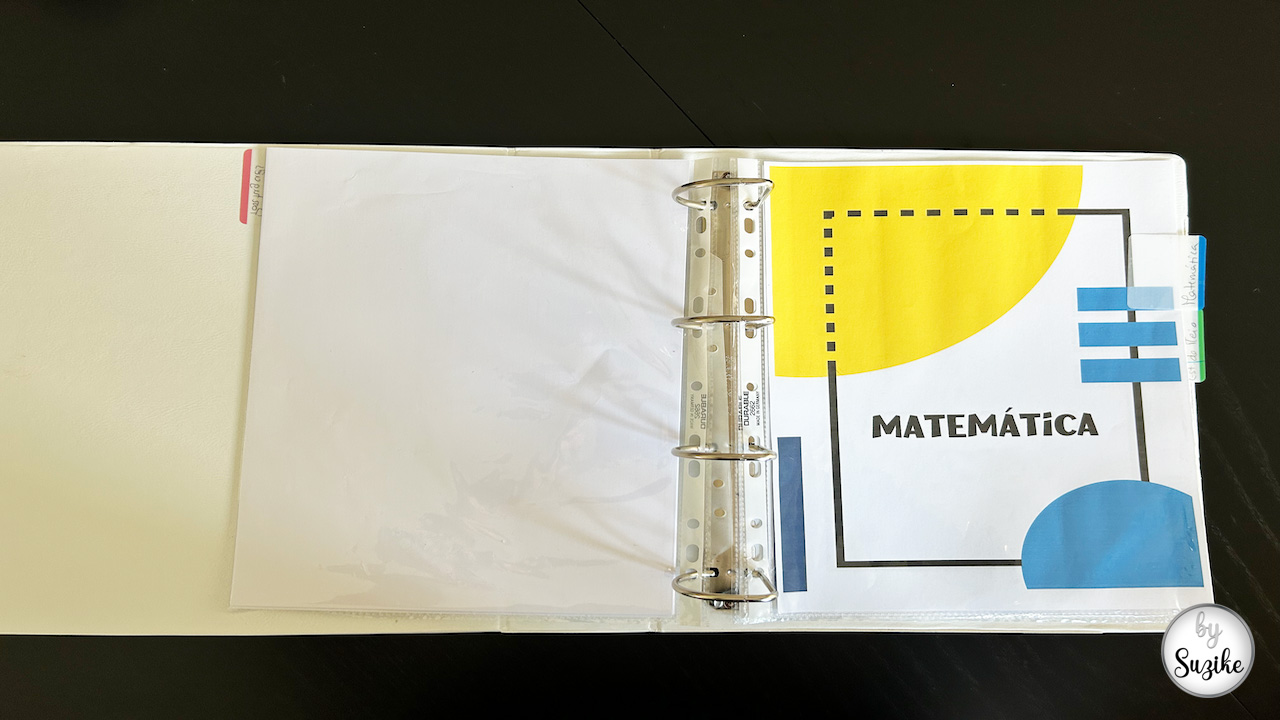
- Subjects: Create a section for each subject. This makes it easier to find work when you need to review progress or prepare for a meeting with the school.
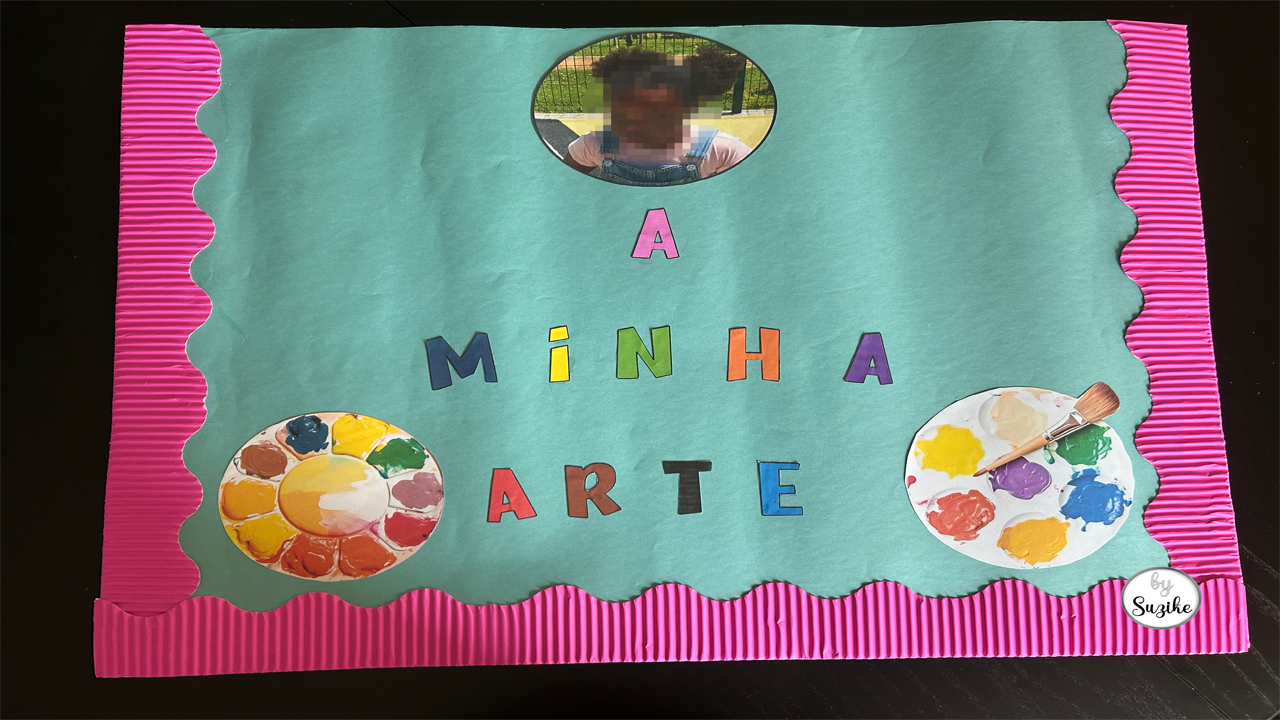
- Learning evidence: This is the core of the portfolio. Include examples of written work, exercises, projects, activities, reading, research, practical tasks and other materials that show what the child has learned.
- Projects and activities: Keep evidence of larger projects, hands-on activities, museum visits, field trips, experiments, creative work and real-life learning.
- Reading records: If reading is part of your routine, keep a simple reading log with book titles, dates, notes and any related work.
- Assessment and progress notes: Include tests, quizzes, reviews, corrections, progress notes and any feedback that helps show development over time.
- Student self-assessment: When possible, include simple reflections from the student. This can be a written note, a checklist, a short comment or another age-appropriate format.
- Responsible educator notes: The responsible educator can add short notes about the child’s work, progress, difficulties, improvements and next steps.
Understand the Collaboration Protocol First
Your homeschool portfolio should reflect what was agreed with the school in the collaboration protocol. If you are not sure what that document includes or why it matters, read the full guide before organizing your portfolio.
How I Organize a Homeschool Portfolio
The easiest way to organize a homeschool portfolio is to keep it simple from the beginning.
I would divide the portfolio into clear sections:
- Student information
- School details
- Collaboration protocol
- Calendar
- Subjects
- Projects
- Reading
- Assessment
- Student self-assessment
- Responsible educator notes
For a physical portfolio, a binder with dividers works well. Each subject can have its own section, and important documents can stay at the front.
For a digital portfolio, create one main folder for the school year and then separate folders by subject or category. Use clear file names so you can find everything quickly later.
The goal is not to make the portfolio perfect. The goal is to make it usable, clear and consistent.
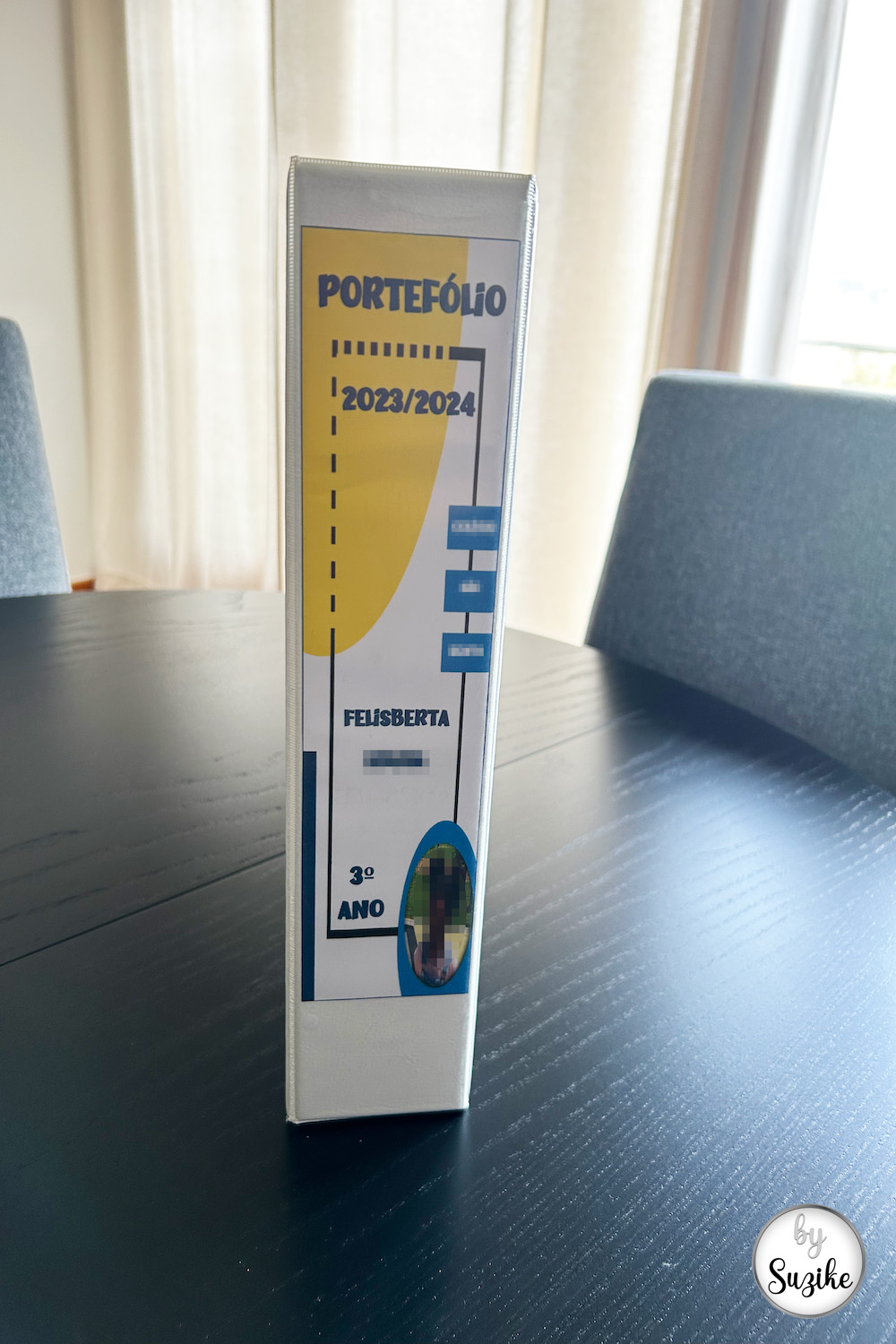
Physical Portfolio or Digital Portfolio?
Both formats can work.
A physical portfolio is useful because you can quickly browse through the child’s work. It is also easy to bring to a meeting if needed.
A digital portfolio is useful because it saves space, protects documents and makes it easier to store photos, videos and scanned work.
For many families, the best solution is a mixed system. You can keep original work in a binder and save photos, scans and digital files in an online folder.
The important thing is to avoid scattering evidence everywhere. Choose a system and keep using it throughout the year.
How Often Should You Update the Portfolio?
A homeschool portfolio becomes stressful when everything is left until the end of the year.
A simple weekly or biweekly routine is enough for most families.
At the end of each week, choose a few examples of work to keep. Add notes if needed. Save photos of practical activities. Update the reading log. File important documents.
You do not need to keep every single worksheet. Choose evidence that shows learning, progress and variety.
A strong portfolio usually includes a balanced selection, not a pile of everything the child has ever completed.
What Counts as Learning Evidence?
Learning evidence can include many different types of work.
Written assignments, worksheets and tests are obvious examples, but they are not the only ones.
You can also include:
- Photos of projects
- Reading logs
- Practical activities
- Art work
- Science experiments
- Math practice
- Research tasks
- Writing samples
- Oral presentation notes
- Field trip records
- Museum or library activities
- Student reflections
- Responsible educator comments
If an activity shows learning, progress, effort or development, it can be useful evidence.
Tips to Keep the Portfolio Organized
- Keep the system simple.
- Use clear sections.
- File work regularly.
- Do not wait until the end of the term.
- Keep important school documents together.
- Add dates to student work.
- Save photos of practical activities.
- Write short notes when something matters.
- Keep digital backups of important documents.
- Review the portfolio before meetings with the school.
- The portfolio should help you feel more organized, not create more pressure.
Final Thoughts
A homeschool portfolio in Portugal is an important part of the homeschooling process.
It helps organize evidence, document learning and support communication with the school. It also gives parents a clearer view of what has been done, what still needs attention and how the child is progressing.
The best portfolio is not the most beautiful one. The best portfolio is the one that is clear, consistent and useful.
Start simple. Keep it updated. Save meaningful evidence. Make sure the portfolio reflects your child’s learning and the expectations agreed with the school.
If you are still trying to understand the full homeschooling process in Portugal, start with the main guide next.
Leave A Comment