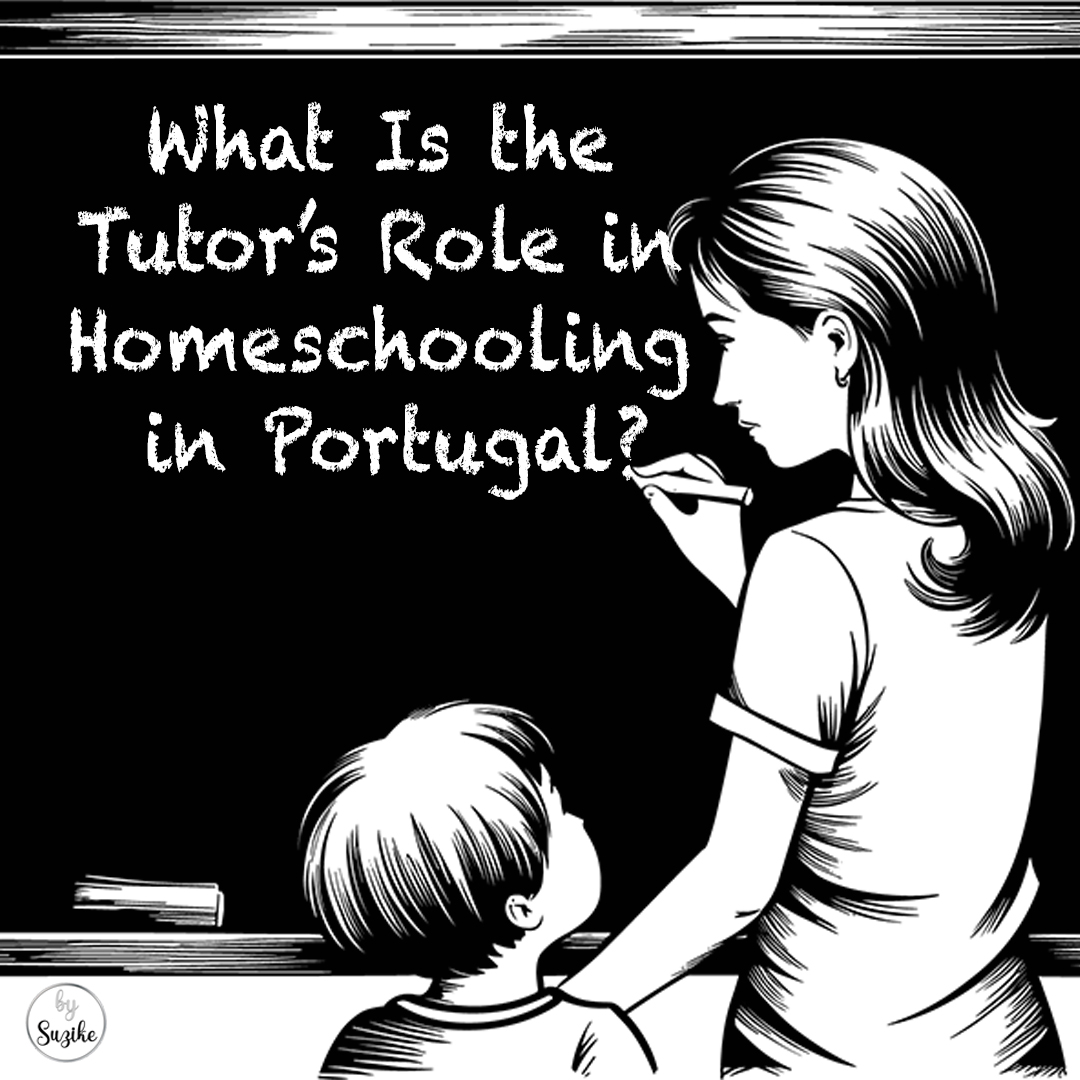
If you are thinking of hiring a homeschooling tutor in Portugal, it is important to understand that Portuguese law makes a clear distinction between informal learning support, ensino doméstico and ensino individual. In practice, a “tutor” in this context is not simply someone who helps your child with schoolwork. Depending on the legal route you choose, the adult responsible for teaching may need to be a qualified teacher.
For many international families, this can feel confusing at first because the English word “tutor” is used in different ways. In Portugal, however, the legal meaning depends on the type of home education arrangement being followed.
This post explains the tutor’s role in homeschooling in Portugal, especially in the context of ensino individual, so that families and teachers can understand what is involved before making a decision.
Homeschooling in Portugal: Two Different Legal Routes
In Portugal, families can choose between two legal forms of home education: ensino doméstico and ensino individual. Both allow a child to be educated outside a traditional school setting, but they are not the same.
The main difference is the person responsible for teaching.
What Is Ensino Doméstico?
Ensino doméstico is home education provided in the student’s home by a family member or by someone who lives with the student.
This route is usually more closely associated with family-led homeschooling. The responsible adult does not need to be a qualified teacher in the same way as in ensino individual, but the official framework requires the responsável educativo to hold at least a licenciatura.
This means that ensino doméstico is not an informal arrangement outside the education system. The child remains connected to a school of enrolment, and the learning process is still monitored according to the legal framework.
What Is Ensino Individual?
Ensino individual is different.
In ensino individual, the child is taught by a qualified teacher outside a school setting. This is the route where many English-speaking families may naturally use the word “tutor”, although the legal role is more formal than occasional private tutoring.
According to the Portuguese legal framework, ensino individual is teaching provided by a qualified teacher to one student outside a school establishment.
So, in this context, the tutor is not just helping with homework or offering extra lessons after school. The tutor is the qualified teacher responsible for developing the student’s learning outside the classroom.
For a step-by-step guide to the process, read this post: Homeschool in Portugal: A Step-by-Step Practical Guide.
So What Does This Mean in Practice for the Tutor?
In ensino individual, the tutor is the qualified teacher responsible for guiding the child’s learning outside the classroom. This can include planning lessons, following the agreed curriculum, keeping records of progress and communicating with the school when needed.
The child remains enrolled in a school, known as the escola de matrícula. The school is responsible for monitoring, supporting and certifying the student’s learning. The home education arrangement is therefore connected to the school, even when teaching happens outside the school building.
This is one of the most important points for families to understand before hiring someone.
A private tutor can support a child academically. A tutor in ensino individual has a more formal educational role.
What Does the Tutor Actually Do?
The tutor’s role in ensino individual usually goes beyond occasional lessons. Because the child remains connected to a school of enrolment, the tutor may need to plan learning, support assessment preparation and keep the learning process organised throughout the school year.
The exact details may depend on the student, the school, the year group and the collaboration protocol, but these are the main areas usually involved.
Lesson Planning
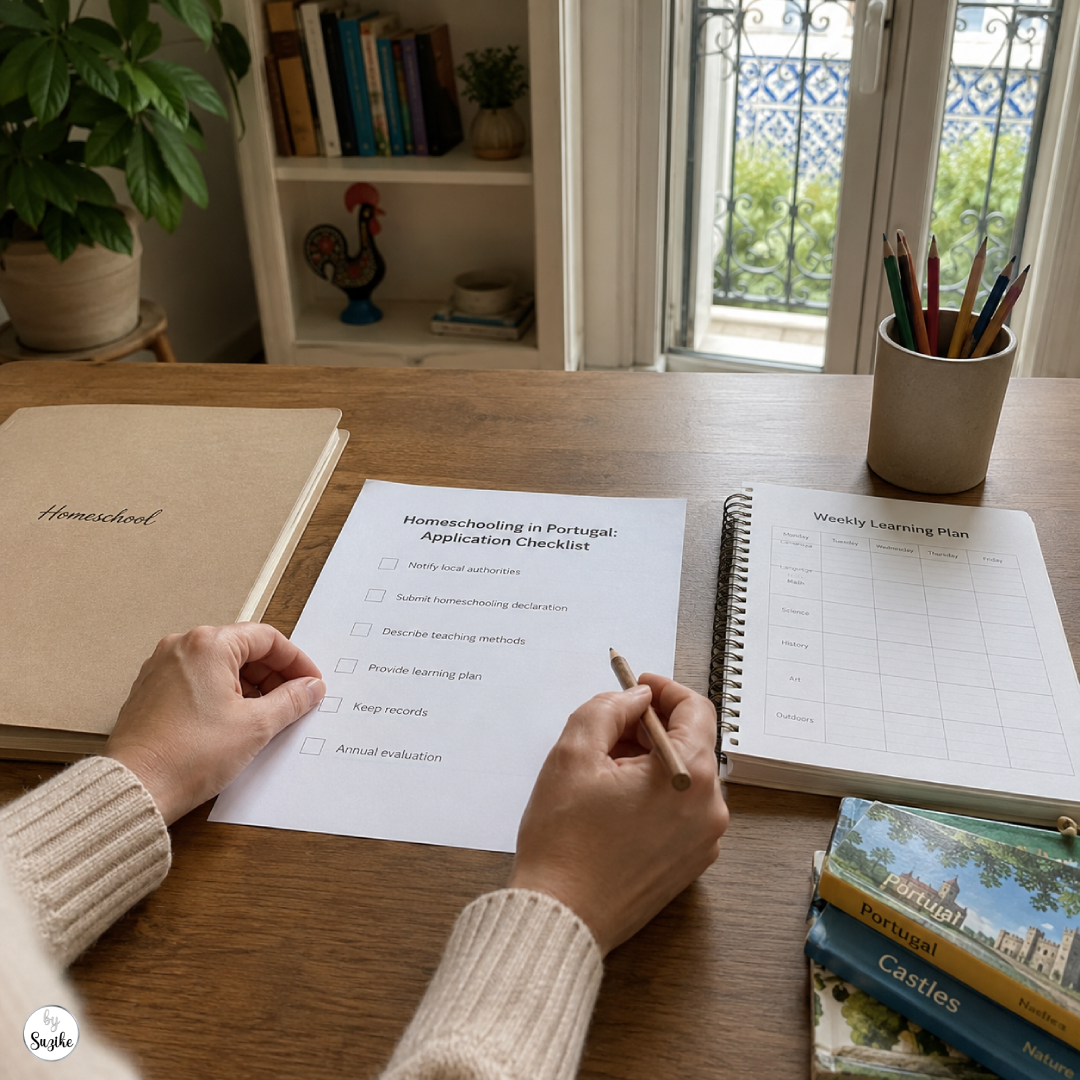
The tutor prepares a structured learning plan based on the national curriculum or on the agreed learning framework for the student.
This may include:
- Defining clear learning objectives
- Creating a realistic timeline for each subject
- • Making sure the main learning areas are covered throughout the term or school year
- • Organising materials and activities according to the student’s level
- • Adjusting the rhythm when the student needs more time or more challenge
For families, this matters because home education is not just about having lessons at home. There needs to be a clear structure behind the learning process.
For teachers, this also means understanding that the role may involve more than teaching isolated sessions.
Teaching and Methodology
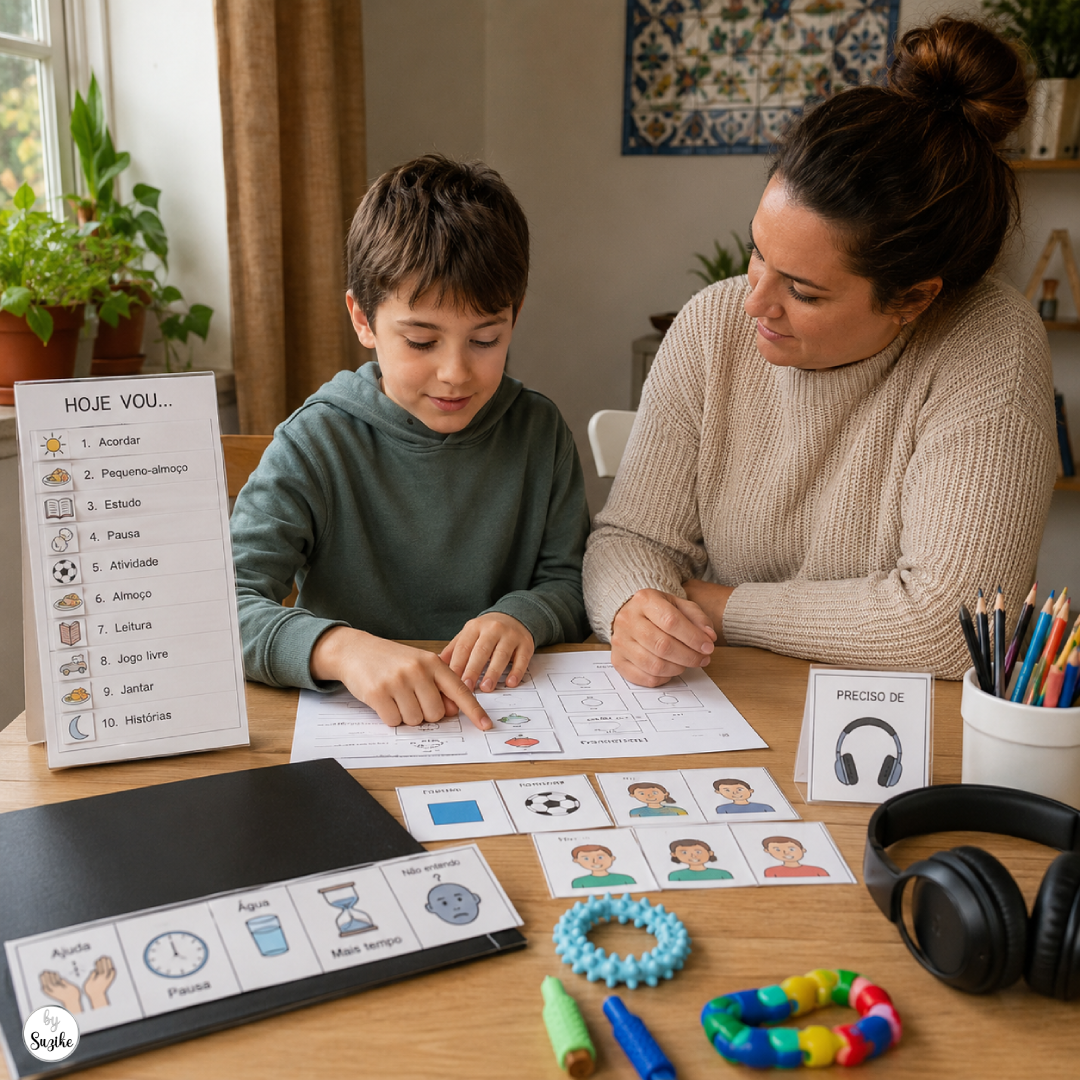
The tutor delivers regular lessons adapted to the student’s pace, level and learning style.
A good teaching arrangement may include:
- Lessons suited to the child’s needs
- Different materials, such as books, exercises and online resources
- Clear explanations adapted to the student’s level
- Adjustments when the student needs extra support
- A realistic rhythm that allows learning to move forward without unnecessary pressure
This does not mean that every child needs the same type of teaching. One of the reasons families consider home education is precisely the possibility of a more personalised learning rhythm.
However, personalisation still needs structure. The tutor’s role is to create that balance.
Tracking and Adjusting
Keeping track of progress helps everyone understand how the student is doing.
This may include:
- Notes on the student’s progress
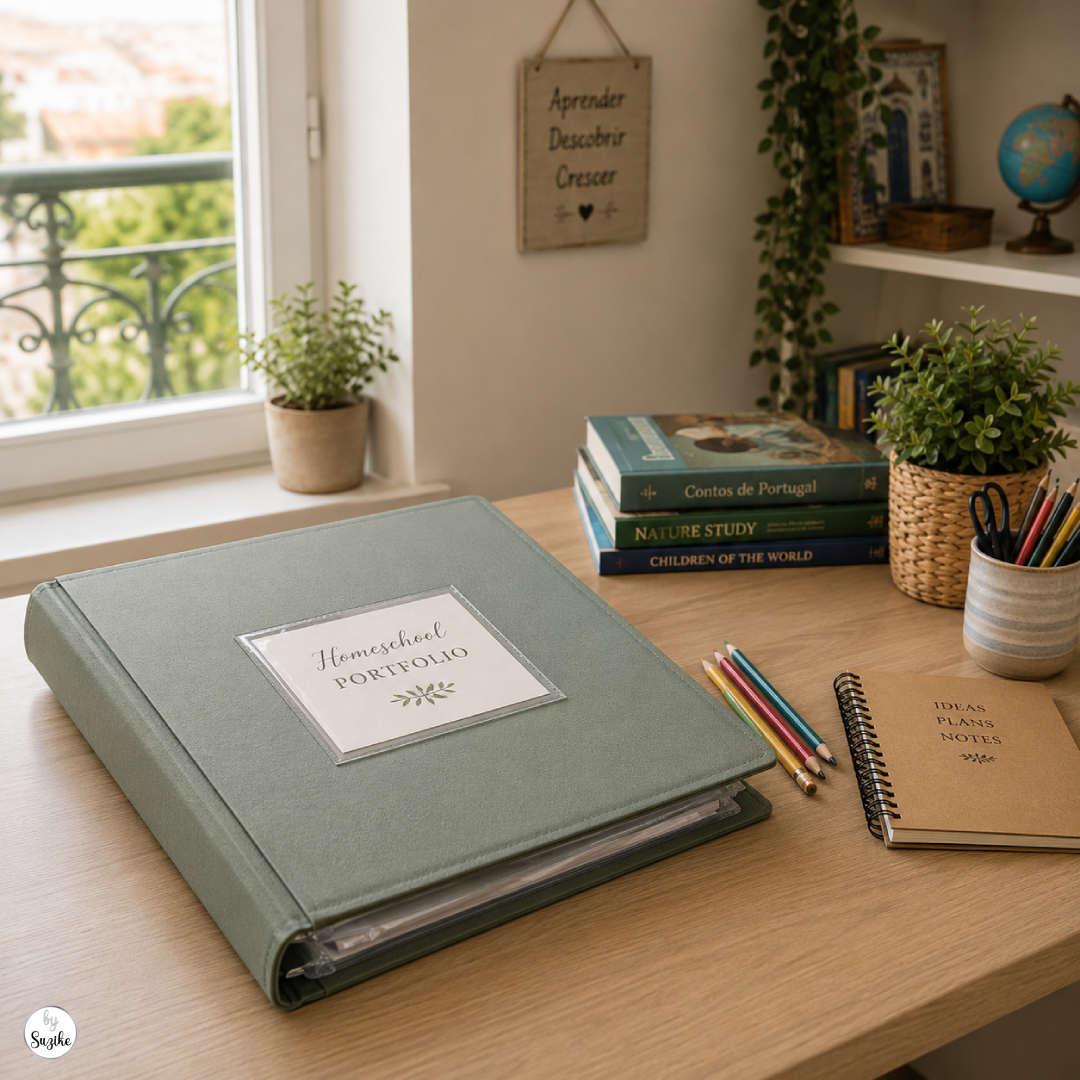
- Evidence of learning, such as exercises, written work, projects or portfolios
- Adjustments to the learning plan when needed
- Regular reflection on what is working and what needs to change
- Preparation of relevant information for the school when requested
This part is especially important because the school of enrolment remains involved in the process. The student’s learning needs to be visible, organised and connected to the agreed educational path.
A tutor who works well in this context is not only teaching. They are also helping to keep the learning process coherent.
Communication with the School
Although the teaching happens outside the school building, the child remains enrolled in a school.
For that reason, communication with the school may be part of the process. This can include:
- Sharing updates or documents when requested
- Helping the student stay prepared for assessment moments
- Keeping school dates and requirements in mind
- Understanding what the school expects under the collaboration protocol
- Supporting the family in keeping the learning process organised
This does not mean that the tutor replaces the school. The school continues to have its own role in monitoring and certification.
The tutor’s role is to support the learning process outside school while keeping it aligned with the agreed framework.
Preparing for Evaluation
Tutors do not replace the school’s assessment role. Their work is to help the student stay prepared and aligned with what will be assessed.
This may include:
- Reviewing the content the school may assess
- Helping the student feel prepared and confident
- Organising revision throughout the year
- Responding to school requests when collaboration is needed
- Making sure the student understands what is expected
In Portugal, students in ensino doméstico and ensino individual are still subject to assessment and certification of learning under the applicable framework. The school of enrolment plays a central role in that process.
For families, this means that hiring a tutor is not only about finding someone who teaches well. It is also about finding someone who understands the educational structure around the child.
Is a Private Tutor the Same as a Tutor in Ensino Individual?
Not necessarily.
A private tutor can help a child with maths, Portuguese, English, science or another subject. That can be useful for school support, exam preparation or confidence building.
A tutor in ensino individual has a different role. In that context, the tutor is the qualified teacher responsible for developing the student’s learning outside a school setting.
This distinction matters because many families use the word “tutor” in a broad way. In everyday English, the word can mean almost any private teacher. In the Portuguese homeschooling framework, the role can carry a much more specific responsibility.
Who Can Be the Tutor in Ensino Individual?
In ensino individual, the responsible teacher must be qualified to teach according to the applicable rules.
This is one of the key differences between ensino doméstico and ensino individual. In ensino doméstico, the responsible adult is a family member or someone who lives with the student. In ensino individual, the responsible educator is the teacher indicated by the parent or guardian from among those developing the curriculum with the student.
For families, this means that before hiring someone, it is useful to clarify whether you are looking for:
- Informal tutoring support
- Extra lessons alongside school
- Ensino doméstico
- Ensino individual
These are not all the same thing.
Questions to Clarify Before Hiring a Homeschooling Tutor in Portugal
Before hiring a tutor, families may want to clarify a few practical points.
- Is the tutor expected to provide occasional subject support, or to take responsibility for the child’s learning under ensino individual?
- Does the tutor have the required teaching qualifications?
- Which school will the child be enrolled in?
- What does the school expect in terms of documents, monitoring and assessment?
- How will the learning plan be organised?
- How will progress be recorded?
- How often will the tutor teach?
- Will the tutor communicate directly with the school, or will the family handle that communication?
These questions are not about making the process more complicated. They help everyone understand the role clearly from the beginning.
Why This Matters for International Families
For international families living in Portugal, the terminology can easily create confusion.
In many countries, “homeschooling” means that parents take full responsibility for teaching their children at home. In other contexts, “tutor” simply means someone who gives private lessons. In Portugal, the legal terms ensino doméstico and ensino individual describe specific arrangements with specific responsibilities.
Understanding those terms makes the process easier to navigate.
It also helps families choose the route that actually matches their situation, rather than assuming that all forms of home education work in the same way.
Important Note
In ensino individual, the tutor is not simply someone giving extra lessons after school. The role belongs to a qualified teacher within the formal arrangement made with the school.
For families, this means that choosing a tutor is also choosing the person who will guide the child’s learning process throughout the school year.
For teachers, it means understanding the educational and practical expectations involved before accepting this role.
This is why it is worth clarifying the route, the school’s requirements and the tutor’s responsibilities before making a decision.
Final Thoughts
Hiring a homeschooling tutor in Portugal can make sense for some families, especially when they are considering ensino individual. However, the word “tutor” needs to be understood carefully in this context.
If you simply need academic support, a private tutor may be enough.
If you are considering ensino individual, the tutor’s role is more formal and needs to fit within the Portuguese education framework.
The clearer this distinction is from the beginning, the easier it becomes to choose the right path, speak with the school and understand what kind of support your child actually needs.
FAQ
Can I hire a homeschooling tutor in Portugal?
Yes, but it depends on what kind of support you need. A private tutor can offer academic support, but in ensino individual the tutor is a qualified teacher with a formal role in the student’s learning process.
Is ensino doméstico the same as ensino individual in Portugal?
No. Ensino doméstico is taught at the student’s home by a family member or someone who lives with the student. Ensino individual is taught by a qualified teacher to one student outside a school setting.
Does a homeschooling tutor need to be a qualified teacher in Portugal?
If the child is enrolled under ensino individual, the responsible teacher must be qualified according to the applicable framework.
Can a private tutor replace the school?
No. In ensino doméstico and ensino individual, the child remains enrolled in a school. The school continues to monitor and certify the student’s learning.
Is a private tutor enough for homeschooling in Portugal?
A private tutor can support learning, but that is not automatically the same as being legally responsible for the child’s education under ensino individual.
What is the difference between tutoring and ensino individual?
Tutoring usually means extra academic support. Ensino individual is a formal home education route where a qualified teacher teaches one student outside a school setting.
Should I speak with the school before hiring a tutor?
Yes. Since the school of enrolment remains part of the process, it is useful to confirm expectations before making arrangements.

Leave A Comment