If you are wondering how much walking for weight loss after 40 is actually enough, the answer is simpler than it feels: start with 150 minutes of brisk walking per week, then build from there. Walking is realistic, low-impact and easier to repeat than intense plans that collapse after a few days.
Walking is one of the most realistic ways to lose weight because it is simple, low impact, accessible, and much easier to repeat than intense training plans that look good on paper but fall apart after a week. Public health guidance still uses 150 minutes of moderate activity per week as the baseline target for adults, and brisk walking counts toward that goal. Many official examples translate that into about 30 minutes on 5 days per week or roughly 22 minutes a day, depending on how you spread it across the week.
150 minutes is a smart baseline, especially if you are rebuilding consistency, managing lower energy, or trying to lose weight without turning your week into a fitness project. Some people will need more movement overall, especially for weight management, and the better approach is to start with a weekly walking target you can actually maintain, then build from there. The CDC also notes that people vary in how much activity they need for weight management.
If you are trying to build a routine that feels realistic instead of extreme, my Running Journey shows what starting and sticking with movement can look like in real life.
So, if your real question is “What can I actually keep doing in real life?”, this is where to begin.
Quick Answer
A good starting point for how much walking for weight loss after 40 is 30 minutes of brisk walking, 5 days a week. That gives you 150 minutes per week, which is a realistic baseline for building consistency, increasing activity and supporting weight loss without extreme workouts.
For some women, that may be enough to start seeing changes in energy, routine and body composition. For others, especially when weight management is the goal, progress may come from gradually increasing your total weekly walking time, walking more briskly, adding hills or pairing walking with strength training.
The most useful target is the one you can repeat: start with 150 minutes per week, make most walks brisk, stay consistent, and build from there.
Is walking enough to lose weight?
Yes, walking can absolutely support weight loss.
Walking helps you burn more energy, improve consistency, reduce sedentary time, and build a routine that is easier to keep than punishing workouts. NHS guidance also explicitly describes walking as a simple way to get more active, burn excess calories and lose weight, especially when done briskly.
What matters is the full picture:
-
how often you walk
-
how long you walk
-
how briskly you walk
-
how active you are during the rest of the day
-
whether your food intake matches your goals
Walking is not weak. Walking is effective because people actually do it.
According to Harvard Health, a 70 kg person walking briskly burns around 300 calories per hour. Add inclines, and that number climbs. The body does not need to be suffering to be working.
That is why it works so well for women who want something sustainable, especially if they are busy, tired, returning to exercise, or simply done with all-or-nothing fitness.
So, how much walking for weight loss is enough?
A very solid starting target is:
150 minutes per week of brisk walking
That can look like:
-
30 minutes, 5 days a week
-
25 minutes, 6 days a week
-
45 minutes, 3 to 4 days a week
-
two shorter walks per day that add up to your target
This baseline matches current public health guidance for moderate activity and gives you a realistic structure to work from.
But for actual weight loss progress, many people do better when they gradually move beyond the bare minimum. A practical range looks more like this:
Beginner level
90 to 150 minutes per week
Best for:
-
complete beginners
-
people coming back after a long break
-
women with low energy or low fitness
-
anyone who struggles with consistency
Fat loss support level
150 to 210 minutes per week
Best for:
-
building visible progress
-
improving calorie burn without extreme effort
-
creating a stronger weekly routine
Stronger results level
210 to 300 minutes per week
Best for:
-
people who already walk regularly
-
those wanting to increase output without high-impact training
-
anyone combining walking with better nutrition and strength work
Official guidance commonly frames 150 to 300 minutes of moderate activity per week as the recommended adult range, with walking being one valid option for reaching it.
What kind of walking counts?
Not every walk needs to feel like a workout. But if your goal is weight loss, brisk walking is what you want most of the time.
A brisk pace generally means:
-
your breathing is faster
-
you feel warmer
-
you can still talk
-
you would struggle to sing comfortably
That aligns with how health guidance describes moderate intensity activity.
A slow stroll is still better than sitting all day, but it will usually not have the same effect as a purposeful walk where your body actually has to work.
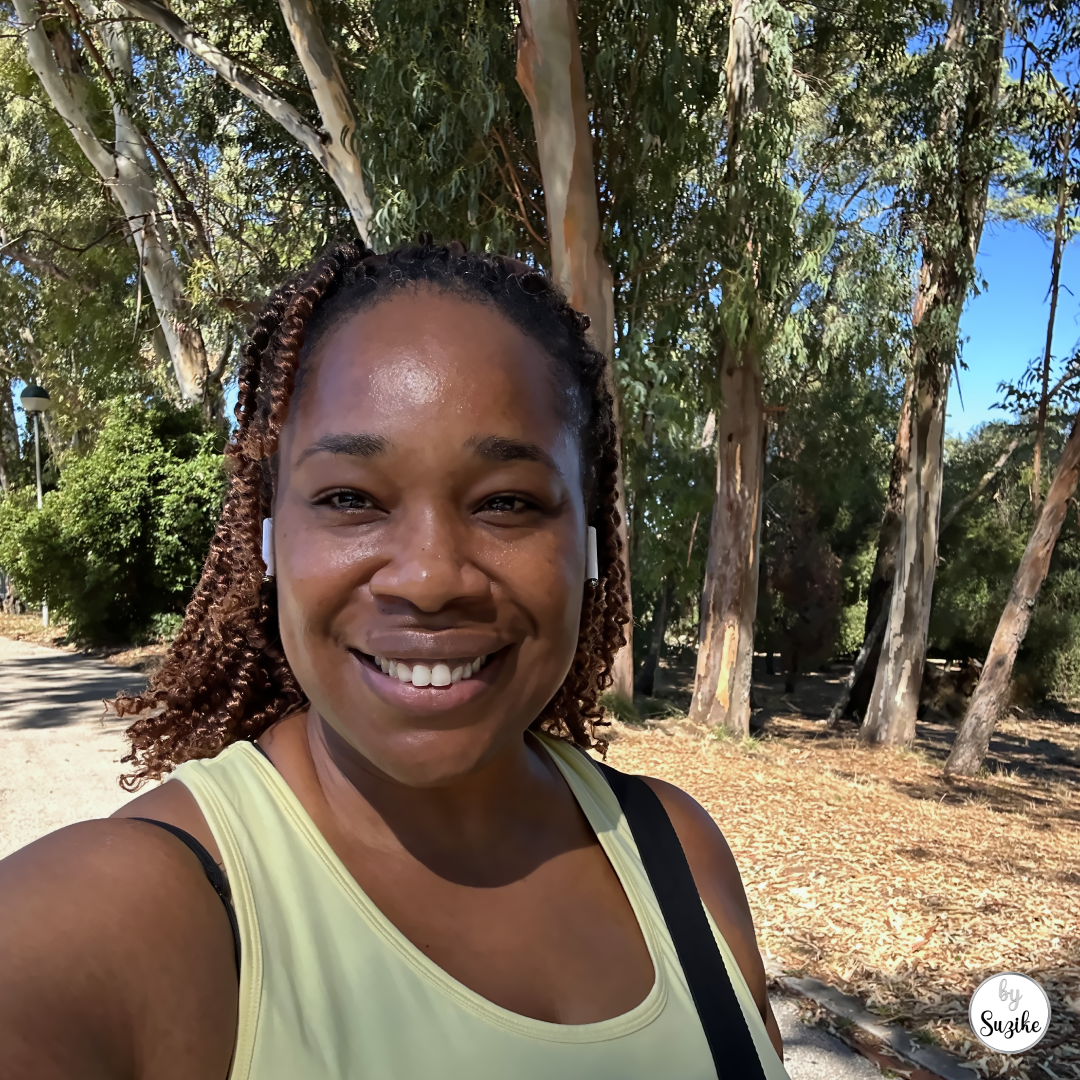
A simple weekly walking plan for weight loss
Here is a practical weekly structure that most people can follow:
Option 1: Beginner walking plan
Total: 115 minutes
This is enough to build momentum without making the routine feel heavy.
| Monday | 20 minutes brisk walk |
|---|---|
| Tuesday | 20 minutes brisk walk |
| Wednesday | Rest or light easy walk |
| Thursday | 25 minutes brisk walk |
| Friday | 20 minutes brisk walk |
| Saturday | 30 minutes relaxed but steady walk |
| Sunday | Rest |
Option 2: Balanced fat loss walking plan
Total: 170 minutes
This is one of the best ranges for women who want realistic fat loss support without turning life into a fitness boot camp.
| Monday | 30 minutes brisk walk |
|---|---|
| Tuesday | 30 minutes brisk walk |
| Wednesday | Rest or easy walk |
| Thursday | 35 minutes brisk walk |
| Friday | 30 minutes brisk walk |
| Saturday | 45 minutes walk |
| Sunday | Rest |
Option 3: Stronger walking routine
Total: 215 to 235 minutes
This works well if walking is becoming your main cardio method.
| Monday | 35 minutes brisk walk |
|---|---|
| Tuesday | 30 minutes brisk walk |
| Wednesday | 40 minutes brisk walk |
| Thursday | Rest |
| Friday | 35 minutes brisk walk |
| Saturday | 45 to 60 minutes walk |
| Sunday | 30 minutes easy walk |
If you also want to add one short home workout alongside your walks, this 20-minute kettlebell workout at home is a simple option for days when you want a bit more intensity without overcomplicating your routine.
Is daily walking better?
Daily walking can be excellent, but it is not mandatory.
Some people do better with a daily habit, even if a few walks are shorter. Others stay more consistent with 4 or 5 longer sessions per week.
If daily walking helps you stay in rhythm, great. If it starts to feel like pressure, use a weekly target instead.
How many steps a day for weight loss?
A lot of people want a step number, but steps are only one way to track movement.
There is no single magic step target that guarantees weight loss. What matters more is whether your total activity is increasing over time.
That said, these ranges are useful:
-
4,000 to 6,000 steps for someone starting from a very sedentary routine
-
7,000 to 9,000 steps for a more active daily baseline
-
10,000+ steps for those who enjoy step goals and want extra daily movement
A step goal can help motivation, but time + pace + consistency matter more than chasing an arbitrary number.
How to make walking more effective for weight loss
If you want better results from the same habit, focus on these:
1. Walk briskly
A slow wander is fine for mental health, but brisk walking is more useful when the goal is fat loss support.
2. Walk longer when you can
Adding 10 extra minutes to a few walks each week makes a difference over time.
3. Add hills or incline
Incline walking and treadmill walking trends continue to attract attention because they increase the challenge without requiring running. Structured walking formats are still showing strong momentum in 2026 fitness coverage.
4. Break up sedentary time
Even if you do one main walk per day, long periods of sitting still are still worth interrupting. NHS and CDC guidance both encourage more movement across the day, not just one isolated workout.
5. Pair walking with strength training
Adults are also advised to include muscle-strengthening activity on at least 2 days per week. That matters because keeping or building muscle supports body composition and overall health.
Pairing your walks with a short strength session can make your routine more complete. For example, this full body kettlebell workout at home is a good option if you want to build strength without needing a gym.
6. Keep your food realistic
You cannot outwalk chaotic eating habits. Walking helps, but it works best when paired with meals that support your goals.
How long does it take to see results?
This depends on:
-
your starting point
-
your walking pace
-
your weekly total
-
your food intake
-
your sleep and stress levels
-
whether you are also doing strength work
Some women notice better energy, less bloating and improved routine within the first 1 to 2 weeks. Physical activity can also bring immediate health benefits from a single session, while regular activity builds longer-term benefits over time.
Visible fat loss usually takes longer. The real win in the beginning is this: you are building a habit that can actually last.
That is far more valuable than doing something aggressive for ten days and then stopping.

Common mistakes that stop walking from working
Going too hard too fast
Starting with long daily walks when you are not used to moving often leads to fatigue or inconsistency.
Walking too slowly all the time
Not every walk needs to be intense, but some level of effort matters.
Doing it without any structure
A vague plan usually becomes no plan. A weekly target works better.
Expecting instant physical changes
Walking is effective, but it is still a consistency game.
Ignoring food entirely
Even a strong walking routine gets undermined by constant overeating, snacking without awareness, or “reward” meals after every walk.
The simplest answer
If you want the simplest possible answer to how much walking for weight loss, start here:
Walk briskly for 30 minutes, 5 days a week.
That gives you 150 minutes per week, which is the baseline target widely used in health guidance. Then, once that feels normal, increase either:
-
the number of days
-
the duration
-
the pace
-
the incline
-
or your overall daily movement
That is how walking becomes a real fat loss tool instead of just a nice idea.
And if you enjoy low-impact training that still helps you stay active and consistent, you might also like my Body Balance 101 morning workout as part of a more balanced weekly routine.
Final thoughts
Walking for weight loss works best when you stop treating it like a small thing.
It is one of the easiest ways to become more active, more consistent and more in control of your routine. It can fit around motherhood, work, low energy days, busy schedules and real life. That is exactly why it is worth taking seriously.
FAQ: Walking for Weight Loss After 40
Is walking enough to lose weight after 40?
Yes, walking can support weight loss after 40, especially when it is done consistently and at a brisk enough pace. It helps increase daily movement, supports calorie burn, and is easier to repeat than many intense workout plans.
For better results, walking usually works best alongside realistic eating habits, enough protein, good sleep, and some form of strength training.
Is 30 minutes of walking a day enough for weight loss?
Thirty minutes of brisk walking a day is a strong starting point. If you walk 30 minutes, 5 days a week, you reach 150 minutes of moderate activity per week, which is a widely used baseline for adult health.
For fat loss, some women may need to build beyond that over time by walking longer, increasing pace, adding hills, or moving more during the rest of the day.
How many days a week should I walk to lose weight?
A realistic starting target is 5 days a week. That gives your body regular movement without making the routine feel too extreme.
Some women prefer shorter daily walks. Others do better with 4 or 5 longer walks per week. The best structure is the one you can repeat consistently.
Is brisk walking better than slow walking for weight loss?
Brisk walking is usually more useful for weight loss support because it raises effort, increases calorie burn, and counts as moderate activity when your breathing is faster but you can still talk.
Slow walking is still valuable for movement, mood, digestion, and reducing sedentary time. For weight loss, most walks will usually be more effective when they have some pace and purpose.
How long does it take to see results from walking?
Some women notice better energy, less bloating, better mood, and improved routine within the first 1 to 2 weeks. Visible fat loss usually takes longer and depends on your starting point, walking pace, weekly total, food intake, sleep, stress, and strength training.
Walking is a consistency habit. The more repeatable it is, the more useful it becomes.
Should I combine walking with strength training after 40?
Yes, combining walking with strength training is one of the strongest approaches after 40. Walking supports movement, heart health, and calorie burn. Strength training helps maintain muscle, support body composition, and keep the body stronger as you age.
Even short home workouts can make a difference when they are repeated consistently.