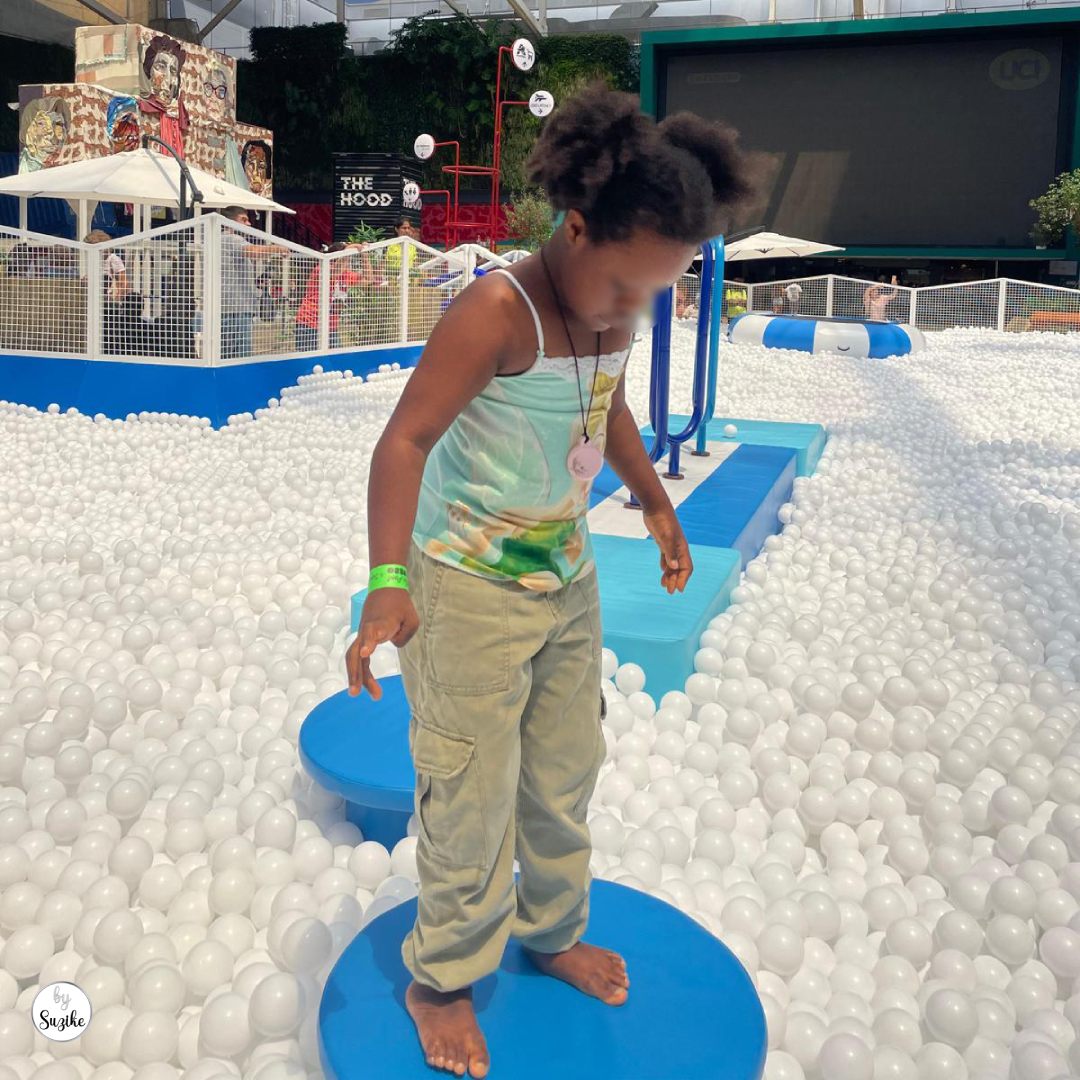
Kids’ activities before parents go on holiday become a very real part of June family life, especially when the school year is ending but most parents are still working.
The weather is getting warmer, everyone starts talking about summer holidays, beach days and slower mornings, but children are almost free and parents are very much not free.
This is the awkward gap between the end of school and the beginning of the actual family holiday. It may only be one or two weeks, but when there is work, house routines, meals, enrolments, school papers and tired children involved, those weeks can feel much longer.
Not everything has to be expensive, complicated or spectacular. Sometimes the best option is simply something local, practical and realistic.
The gap between school and family holidays
In Portugal, the end of the school year usually brings a lot at once. Children finish classes, parents still have work, schools start sending information, summer plans need to be organised, and the house begins to shift into holiday mode before the adults are ready.
For families with grandparents nearby, this period may be easier. For others, it becomes a proper logistical puzzle.
The useful question is not “How do we create the perfect summer?” The useful question is much simpler: what can keep the children occupied, safe, active and reasonably happy until the family holiday starts?
That answer will look different for every family, but there are a few options that tend to work well.
ATLs and summer programmes
ATLs are often the most practical solution, especially for younger children. They usually offer structure, regular hours, group activities, outdoor play, crafts, games and sometimes small outings.
For working parents, the practical details matter more than the pretty description. Location, schedule, meals, price and transport can decide whether an activity is actually useful or just another source of stress.
A nearby ATL with simple hours may be more valuable than a beautiful programme across the city. By June, most families are not looking for extra complications. They need something that works.
Local councils, schools, parish councils, associations and private centres often organise summer programmes at this time of year. Some are full day options, others work by week or half day, which can be useful when the family only needs support before the main holiday period.
Sports activities
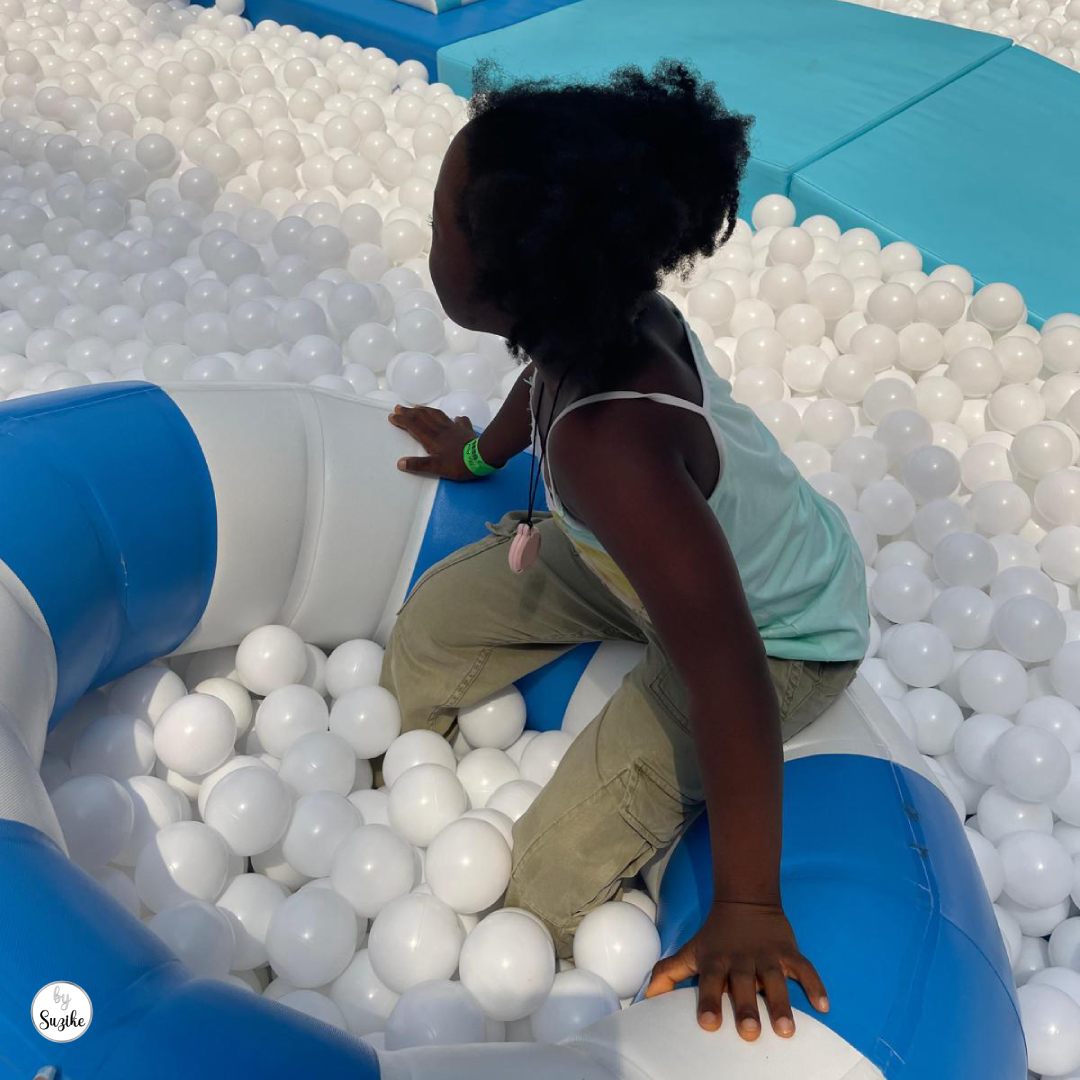
Some children need movement more than entertainment. Sports activities can be a good fit during this pre holiday period, especially when the weather is warmer and they have extra energy after school ends.
Swimming, football, gymnastics, dance, martial arts, tennis, athletics, skating and multi sport camps are common options. Many gyms, pools and sports clubs offer short summer programmes, often organised by week.
These activities can help children spend energy, be with other children and keep some rhythm without feeling like school. For children who get restless at home, this can make a real difference.
And honestly, movement helps the whole house. A child who has moved, played and been outdoors is usually a very different child by the end of the day. Parents know. 😊

Libraries
Libraries are underrated in summer.
They are calm, usually free, local and often have children’s activities during school breaks. Storytelling sessions, reading challenges, creative workshops and small exhibitions can fill a morning without turning the day into a major production.
This is a good option for quieter children, tired children, book loving children, or simply for families who want something slower between more active days.
A library visit gives structure without noise. It also gives children a different kind of summer experience, one that does not depend on shopping centres, screens or constant stimulation.
Sometimes that is exactly what the week needs.
Museums and cultural activities
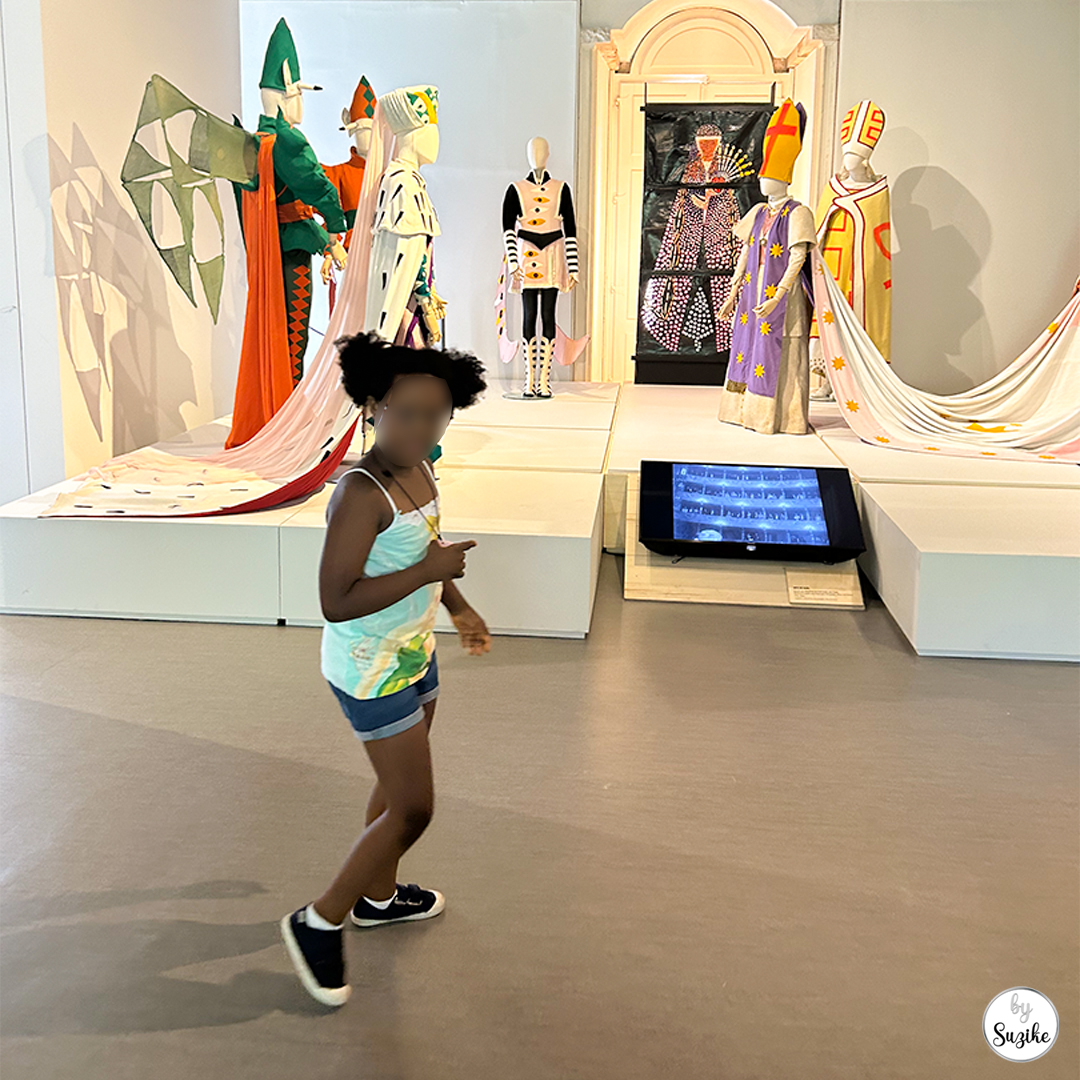
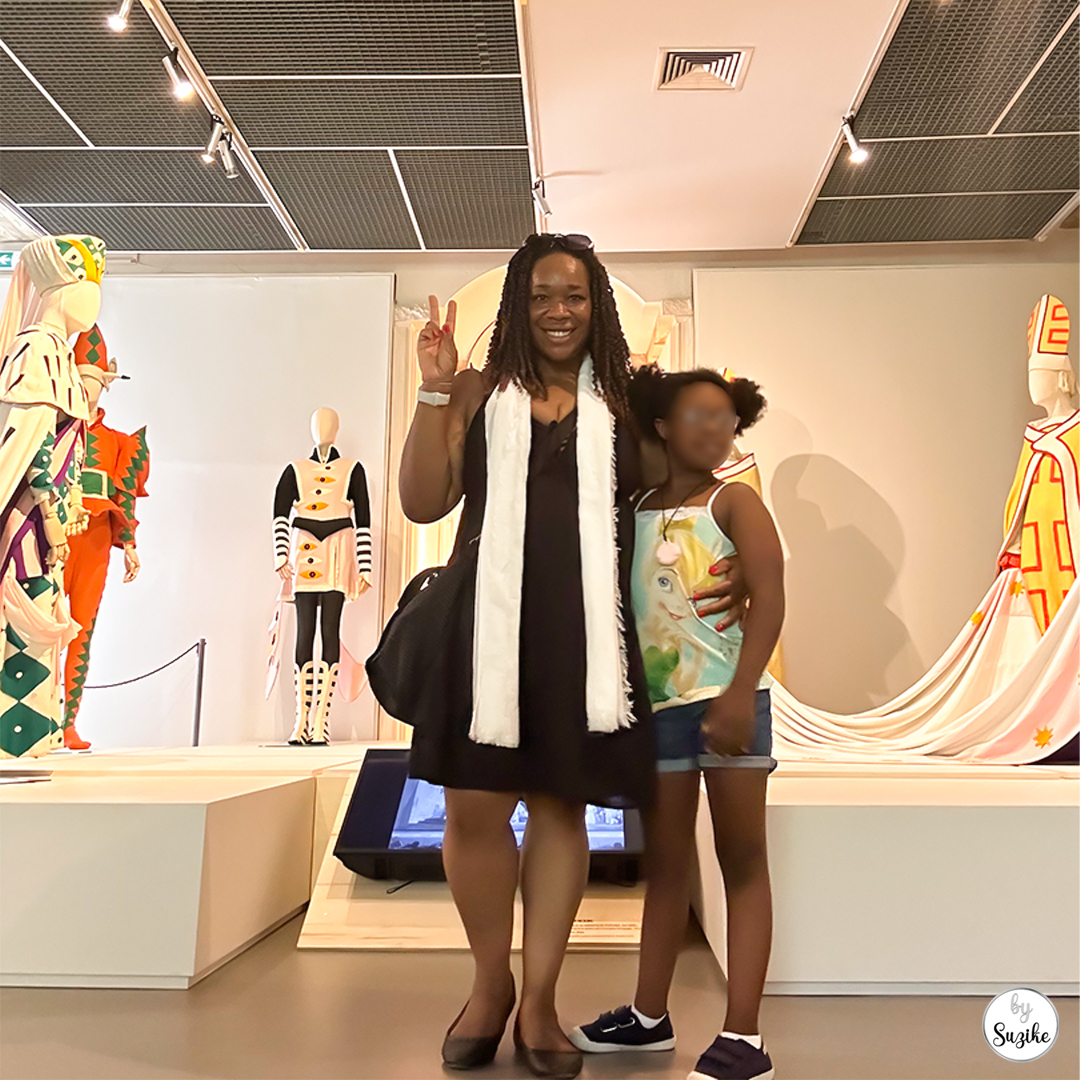
Museums can also be useful before parents go on holiday, especially in cities or areas with strong cultural programmes for children.
Many museums offer workshops, family visits and creative activities connected to art, science, history, nature or local culture. These can work well as occasional activities, even if the child is already enrolled in an ATL or sports programme.
A museum morning can break the week, give children something new to explore and add a different rhythm to the summer routine.
It does not have to be a full educational mission. Children can simply walk, look, ask questions, touch what they are allowed to touch, draw something, build something, discover one new thing and go home.
That already counts.
Beach mornings and outdoor time
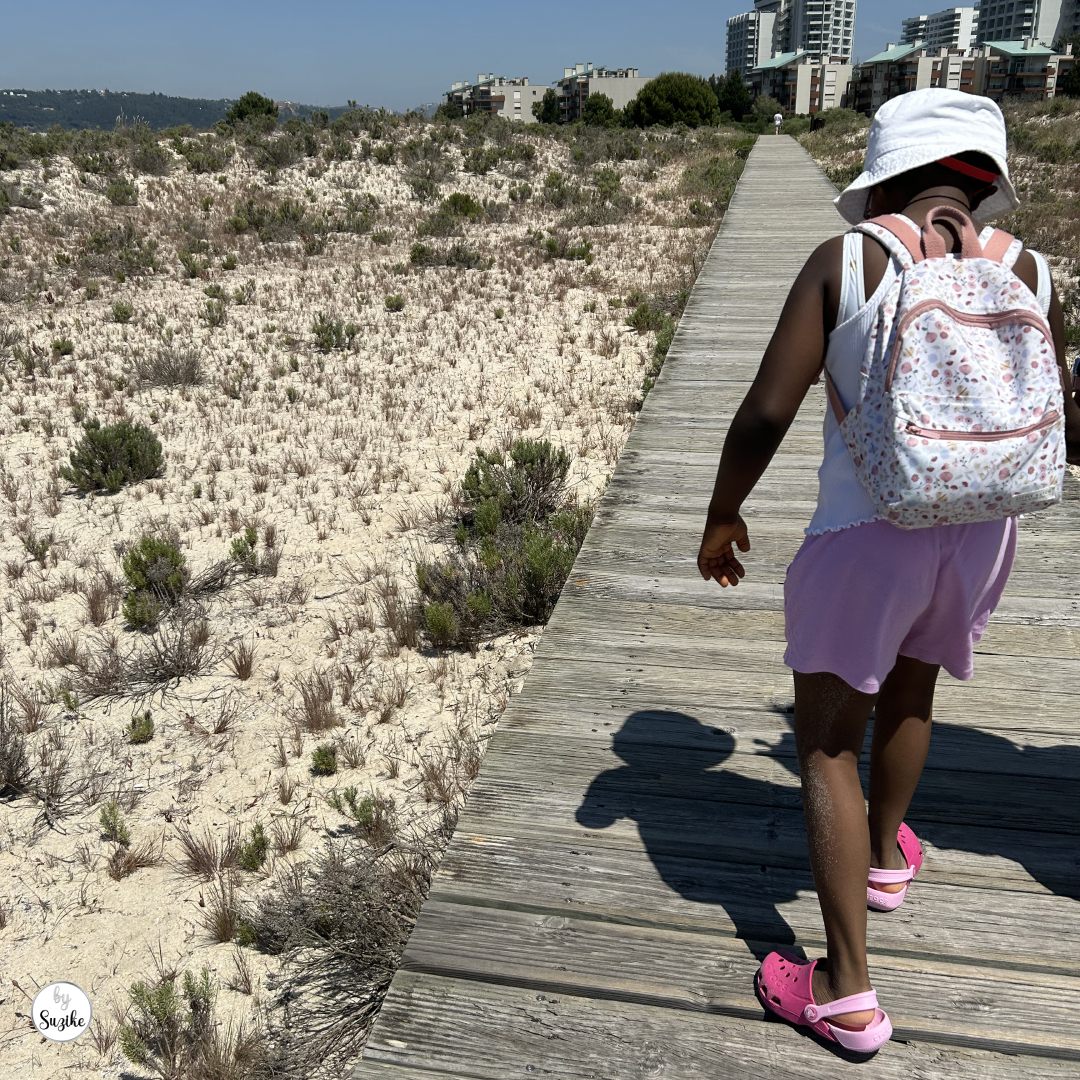
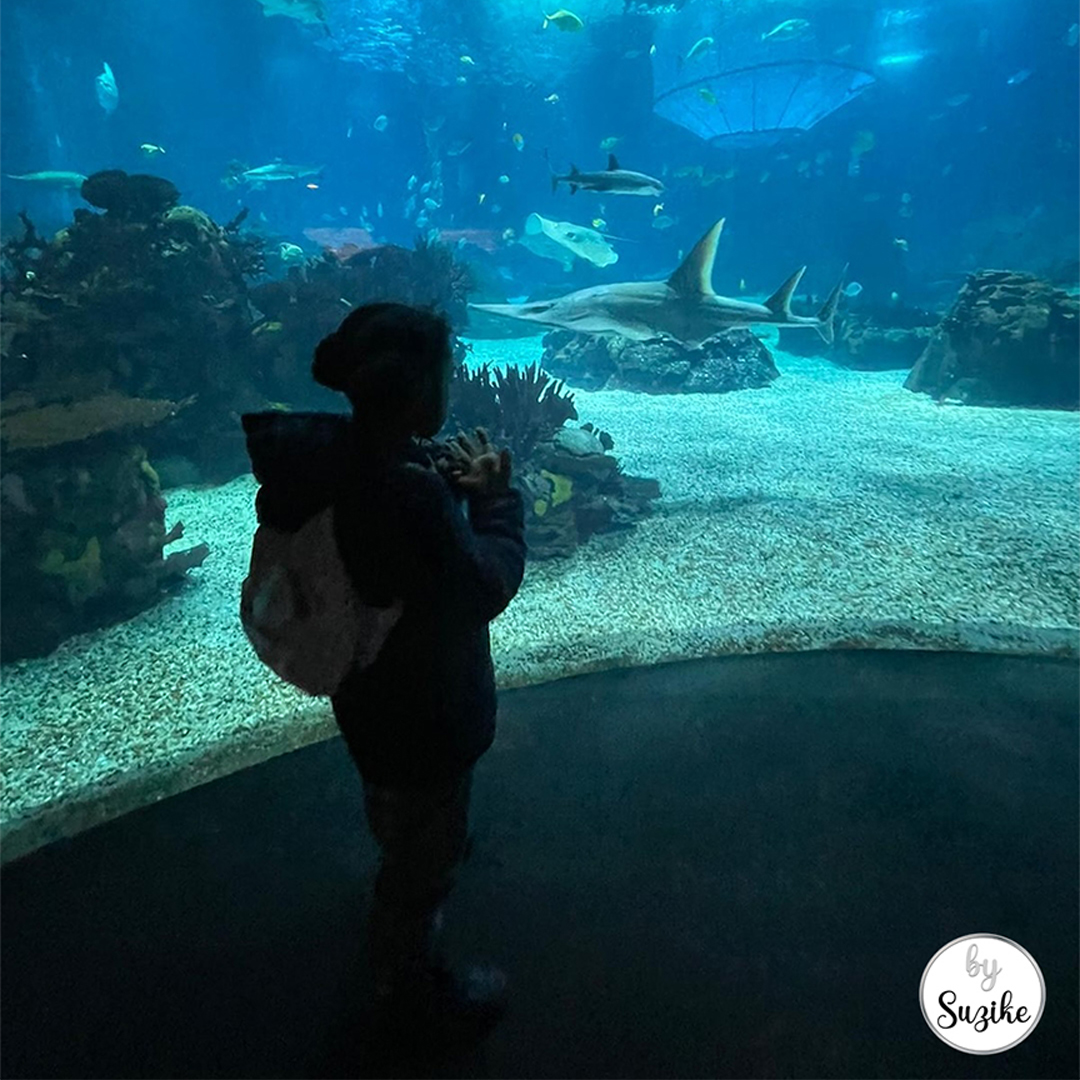
For families who live near the coast, beach mornings can be one of the simplest ways to make children feel that summer has started.
Not necessarily a full beach day with half the house packed into bags. A short morning can be enough.
Some local programmes include beach activities, surf lessons, outdoor games or nature activities. For families with flexible mornings, even a walk near the sea or a simple park visit can help children release energy and change the mood of the day.
Parks, playgrounds, gardens and short family walks are also valid. Children do not always need a big plan. Sometimes they need air, space and time to move.
I feel this a lot with Felisberta. A walk can change the rhythm of the day completely. It is simple, but it works.
Local workshops and small activities
Not every activity has to be a full camp.
Art studios, dance schools, music schools, parish councils, community centres and local associations often create short workshops during this period. Painting, crafts, theatre, music, cooking, dance or nature activities can be useful for filling one or two mornings.
These smaller activities are especially helpful when a full week programme is too much or when the child needs variety.
They also make sense for families trying to keep costs under control. One workshop, one library morning and one outdoor activity can already give shape to the week without creating a heavy schedule.
A realistic mix works better
The best solution is often a mix.
One family may use ATL for a full week. Another may choose swimming in the morning and home in the afternoon. Another may combine grandparents, library activities, a museum visit and a few park mornings.
There is no perfect formula.
Children are different. Work schedules are different. Budgets are different. Energy levels are very different, especially at the end of the school year.
What matters is creating enough structure so the days do not become completely loose, but also enough space for children to rest after a long school year.
June is already full. The activity plan does not need to become another burden.
Simple ideas for the pre holiday gap
Some useful options to consider during this period are ATLs, local summer programmes, sports camps, swimming, library activities, museum workshops, beach mornings, park visits, art workshops, music activities, dance classes and short local outings.
A few well chosen activities can make the transition from school routine to summer holiday feel smoother. They give children something to do, give parents some breathing room and help the whole family move into summer without everything happening at once.
Because that is the real challenge of June.
School ends before family life is ready to slow down.
So the goal is not to create the most magical summer calendar. The goal is to make those in between weeks work.
And if the plan is simple, local and realistic, even better.


Leave A Comment