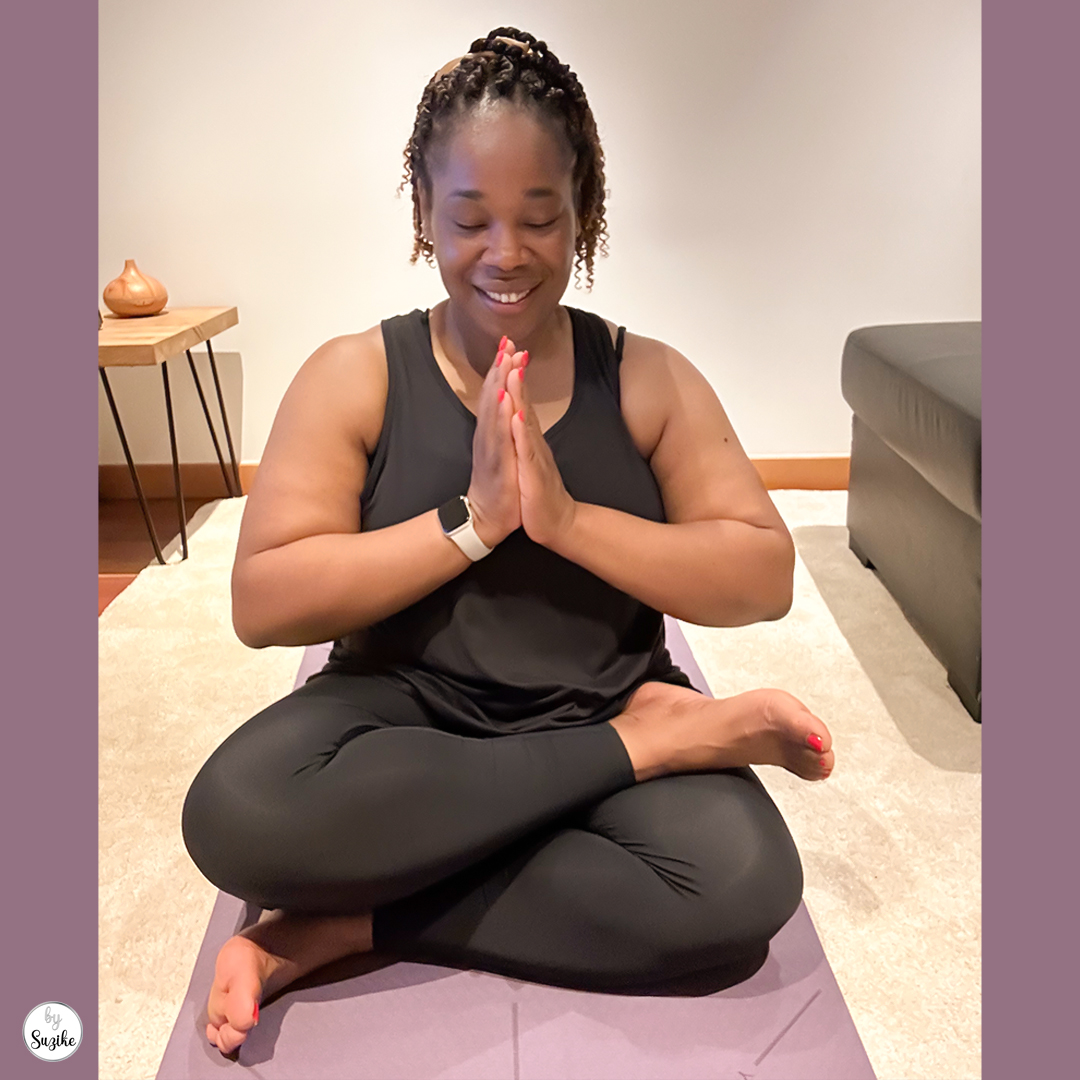
My 2 week recovery after knee injury did not begin with a wellness plan or a graceful decision to slow down. It started with a knee injury, a loud click during a run, and the clear realisation that I needed to stop and recover properly.
After a run that included hills and stairs, I turned too quickly, heard a loud click in my knee, and later realised something was wrong when the pain became strong enough to affect how I walked. A physiotherapist assessed it, told me it did not seem serious, but made one thing very clear: I needed to stop training immediately and focus on recovery before a manageable issue turned into a bigger one.
That is how these two weeks began.
This post brings together what those 2 weeks of recovery taught me about pain, progress, movement, strength, mobility and what it really means to listen to your body before things get worse.
If you are in a recovery phase yourself, especially after ignoring warning signs or pushing through discomfort, this may help you recognise what progress actually looks like in real life.
How the injury happened and why the pause mattered
The injury itself happened in a very ordinary moment. I had gone out for a run, did hills and stairs, turned suddenly, heard a click, and kept going. At first, it did not seem dramatic. I finished the workout, stretched, came home and carried on with my day.
The stronger pain only showed up later, after sitting down to work and then getting up again.
That part matters.
A lot of women dismiss early signs because the body does not always react fully in the moment. Sometimes the real message appears afterwards, when stiffness, pain or movement restriction sets in more clearly.
The key lesson here is simple: just because you can finish the session does not mean the body is fine.
One of the most important lessons: early intervention matters
One of the best things in this story was getting professional input early.
The physiotherapist’s message was direct: stop now, recover properly, and do not turn something manageable into something serious.
That is one of the most useful lessons for any reader. Recovery often becomes longer and more frustrating when people try to negotiate with pain, minimise what happened or keep training because “it is probably nothing.”
In my case, the pause was frustrating, but it was also protective. It created the chance for recovery to actually work.
What these 2 weeks showed me about real recovery
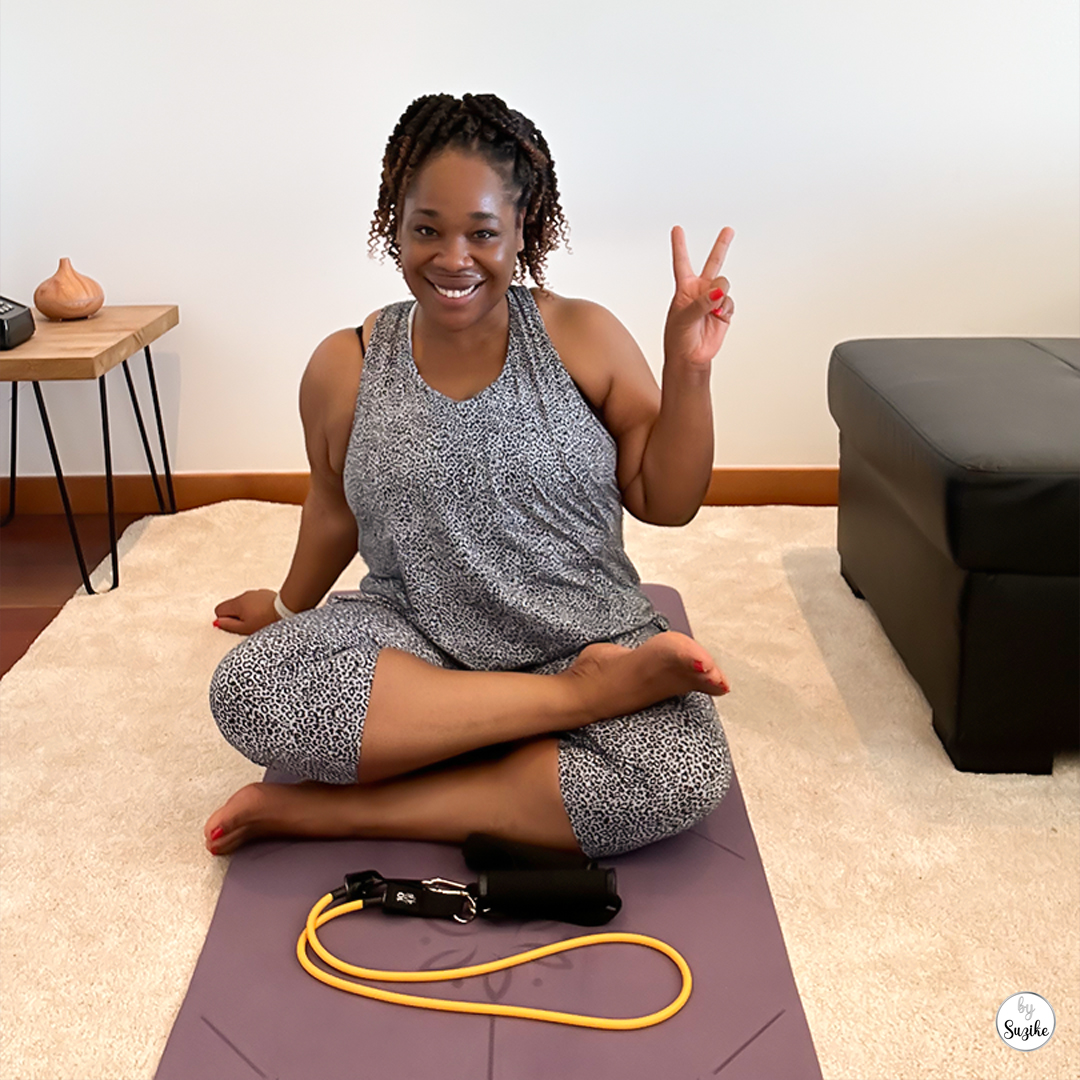
Over these two weeks, recovery did not look dramatic or polished. It looked practical.
It looked like:
- changing the plan instead of forcing the original one
- using mobility and stretching as real tools, not “lesser” training
- paying attention to what movements felt safe
- noticing when balance, confidence and control were improving
- allowing strength back in gradually
- tracking pain-free sessions instead of obsessing over perfect performance
That is what made these two weeks valuable. They turned recovery into something observable.
What actually improved across the 2 weeks
Looking back, the progress was clear.
Over the course of these two weeks, I noticed:
- less fear around movement
- more confidence during sessions
- better balance and control
- pain-free Body Balance and stretch sessions
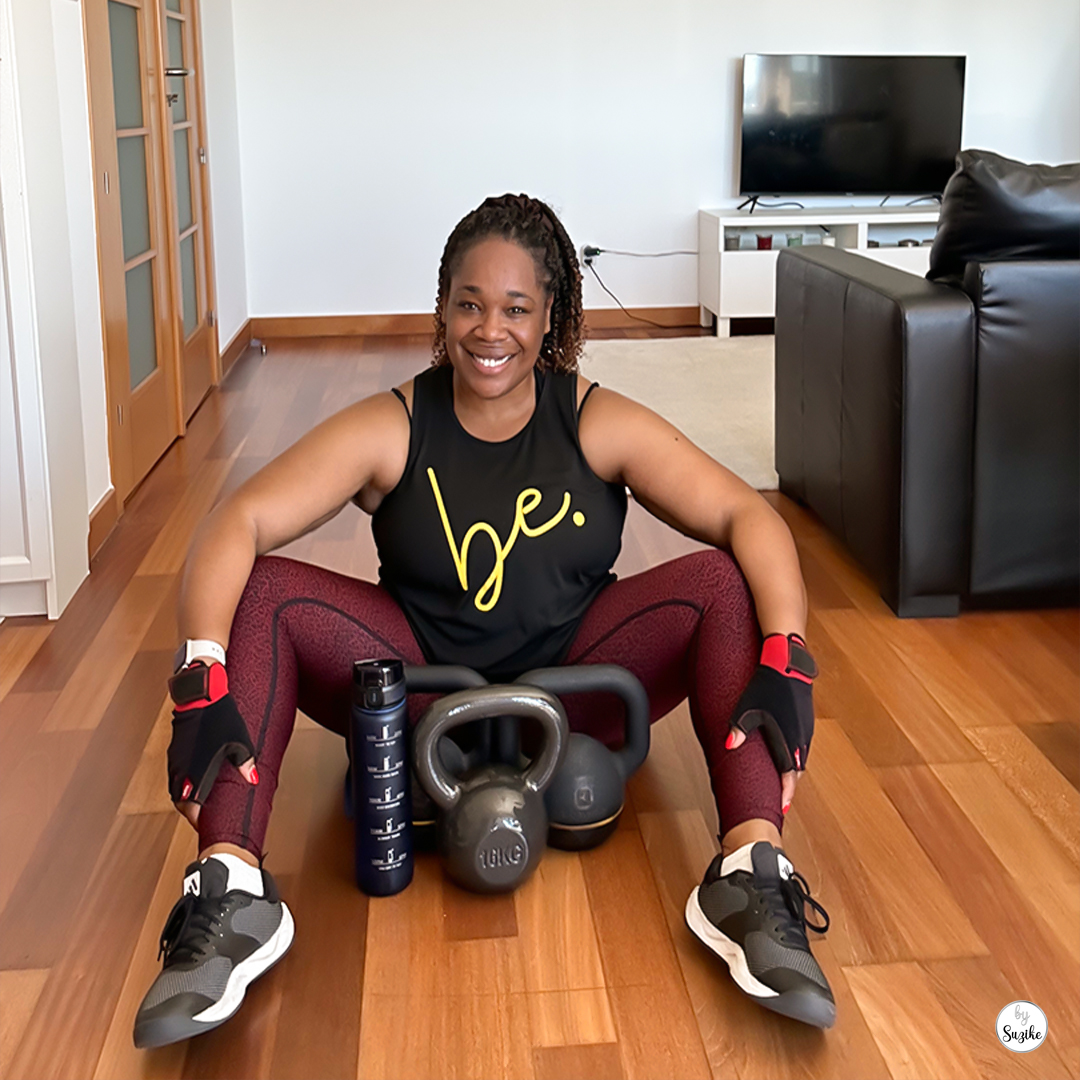
- a pain-free kettlebell workout
- less tension in the knee
- more trust in my body’s response
- a better ability to choose the right session for the right day
This is the kind of progress readers need to notice in their own recovery too. Improvement does not always arrive as one dramatic turning point. It often appears through repeated, practical signs.
What helped most during recovery
Several things clearly supported this phase.
1. Stopping before it became worse
This was the foundation of everything else. If I had ignored the advice and continued training normally, the story could have gone very differently.
2. Using mobility and stretch work properly
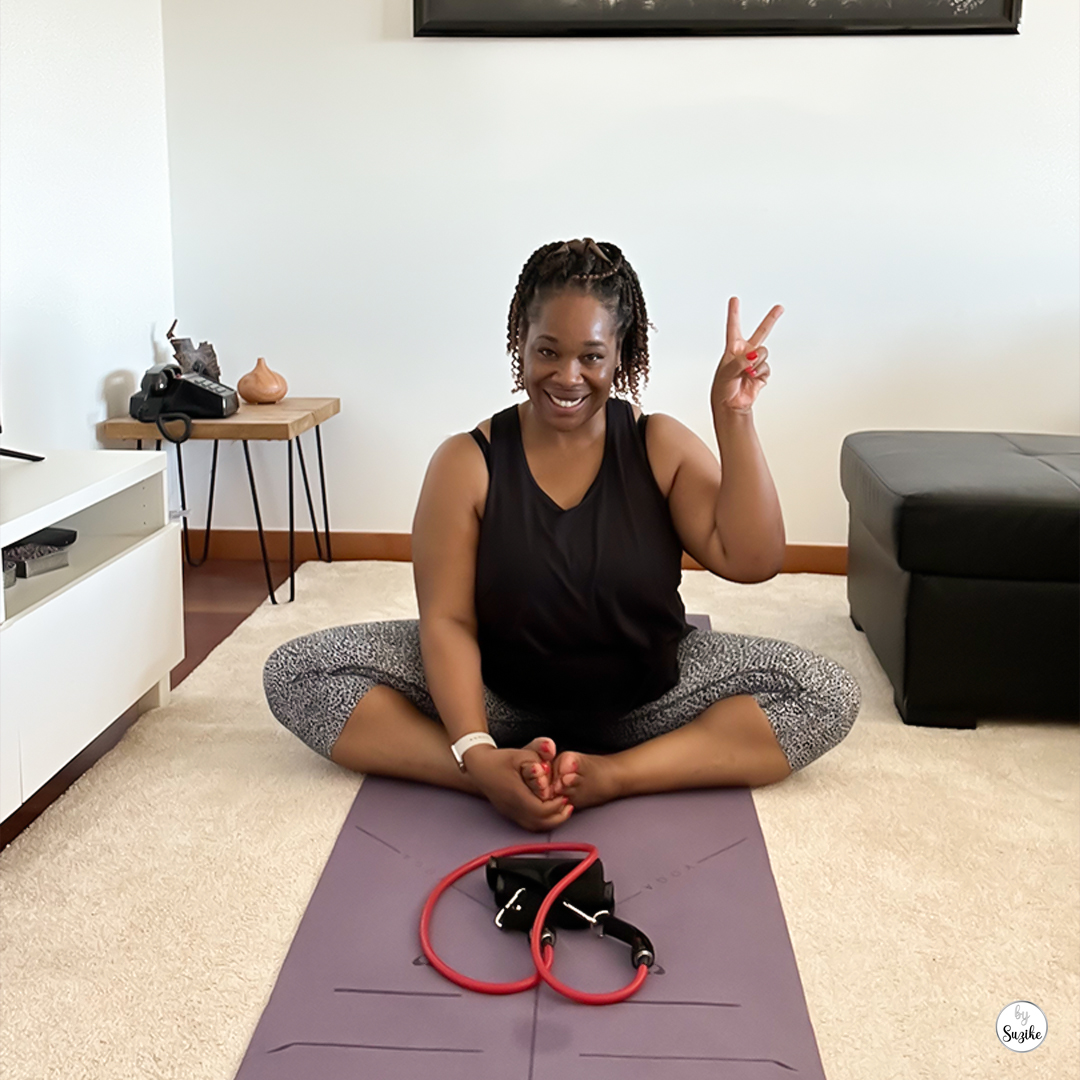
Body Balance, upper body stretch and gentler sessions helped restore movement, reduce tension and rebuild confidence without unnecessary load.
3. Reintroducing strength carefully
When kettlebell work came back in, it gave useful feedback. I could see whether the body was tolerating effort again, and on that day, it did.
4. Keeping meals simple
The food across these two weeks was basic, repeatable and realistic. Eggs, beef, vegetables, omelets, coffee, water, simple meals that supported the routine without draining energy.
5. Tracking what was happening
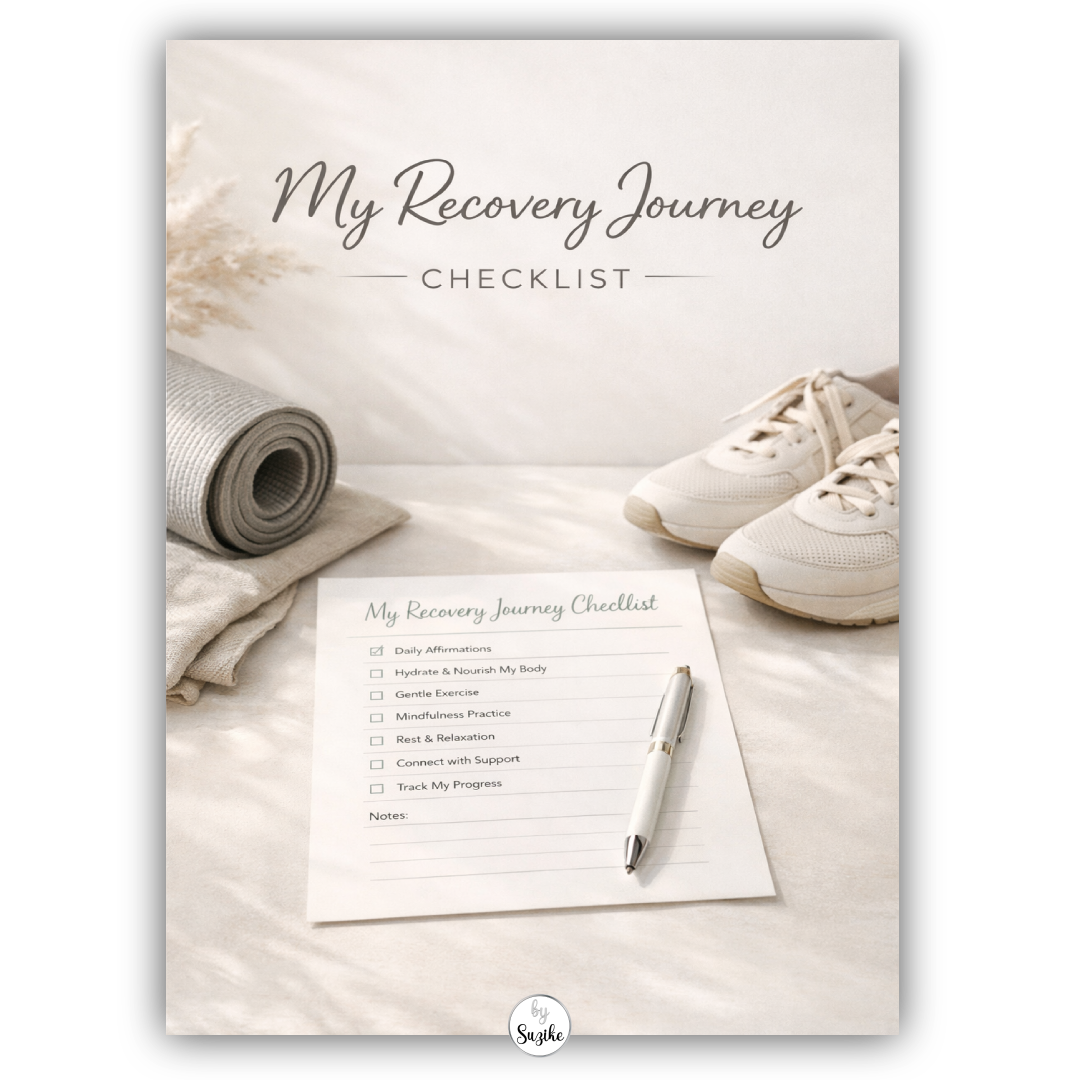
The checklist helped turn vague impressions into visible progress. Pain-free days, lighter sessions, stronger days and better recovery responses became easier to recognise.
What surprised me most
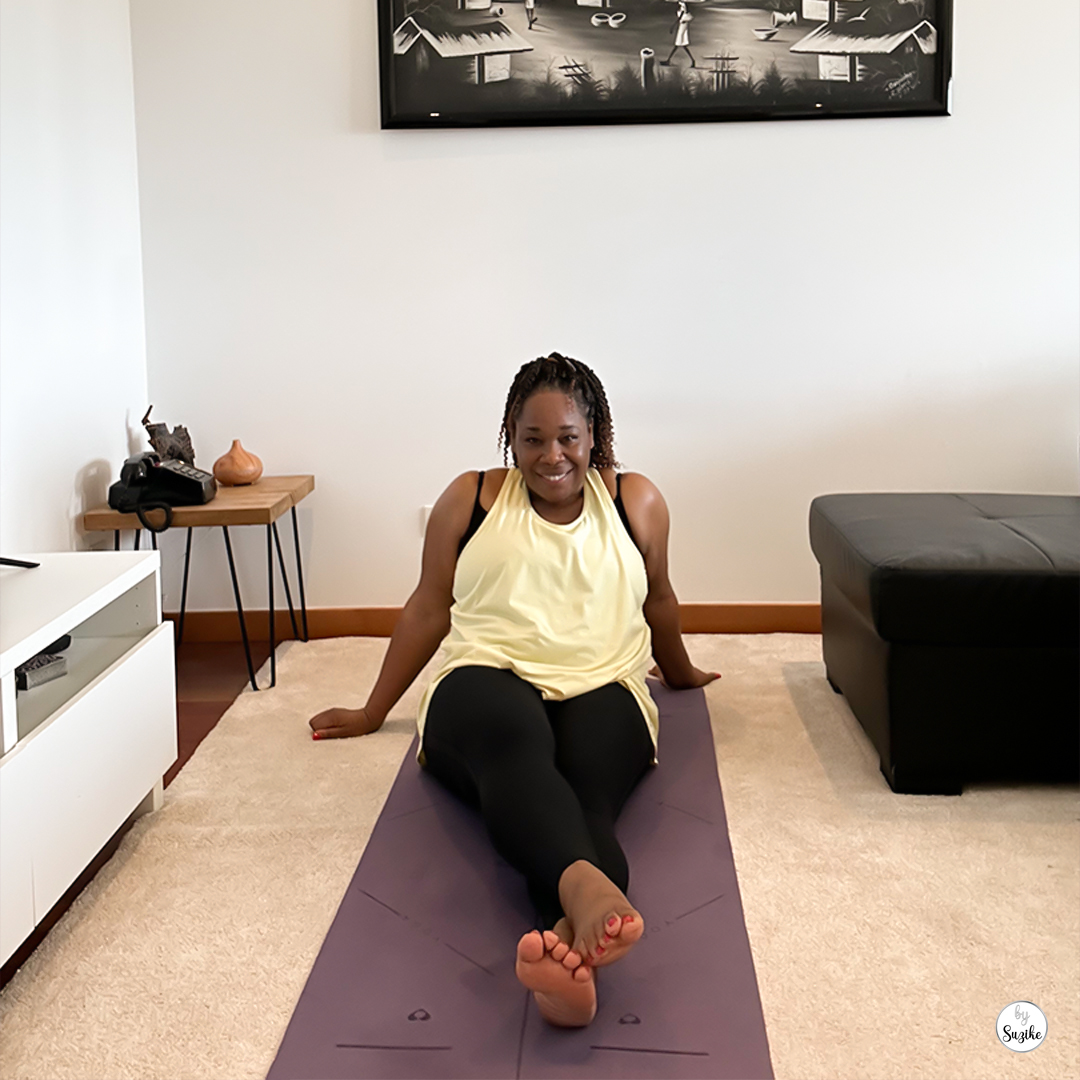
What surprised me most was not just that the body improved. It was how recovery revealed itself.
Not through perfection. Not through dramatic transformation. Through smaller signals:
- a session with no knee pain
- feeling stable again
- being able to move without panic
- finishing a workout happy
- needing softness one day and strength another
- realising that listening to the body is not weakness, but skill
That is where this series became useful beyond my own experience. These are the kinds of signs other women can look for too.
The last day did not go to plan, and that matters too
On the final day, I could not do the planned Body Balance session.
And that belongs in the recap.
Because this is exactly where many women misunderstand recovery. They think the value of the process depends on finishing every step exactly as planned. It does not.
The last day was not a failure. It was part of the truth.
Recovery is not proved by a perfect ending. It is proved by the overall pattern: whether pain reduced, movement improved, confidence returned and the body responded better over time.
Across these two weeks, that happened.
What this 2-week recovery phase may help you recognise in your own life
If you are dealing with a recent injury, post-workout pain or a body that suddenly forced you to stop, these are some useful questions to ask:
- Did the discomfort appear later rather than during the activity itself?
- Are you assuming it is fine just because you finished the session?
- Have you actually adjusted your training, or are you trying to negotiate with pain?
- Is your body responding better to a mix of mobility, strength and rest?
- Are you noticing progress through control, confidence and reduced pain?
- Are you allowing recovery to be honest rather than performative?
Those questions are useful because they shift the focus from frustration to observation.
What I would say to anyone in a similar phase
If your body interrupts your plans, do not rush to frame it as failure.
Sometimes the smartest thing you can do is pause early, listen properly and give recovery a real chance.
That does not mean giving up. It means protecting what you want to return to.
I wanted to keep training. I had classes booked. I had plans. I was excited. But these two weeks reminded me that respecting the pause is sometimes what protects the comeback.
What I am taking from these 2 weeks
At the end of this 2-week recovery journey, this is what feels most true:
Following a similar recovery phase? Download my free 2-Week Recovery Checklist here.