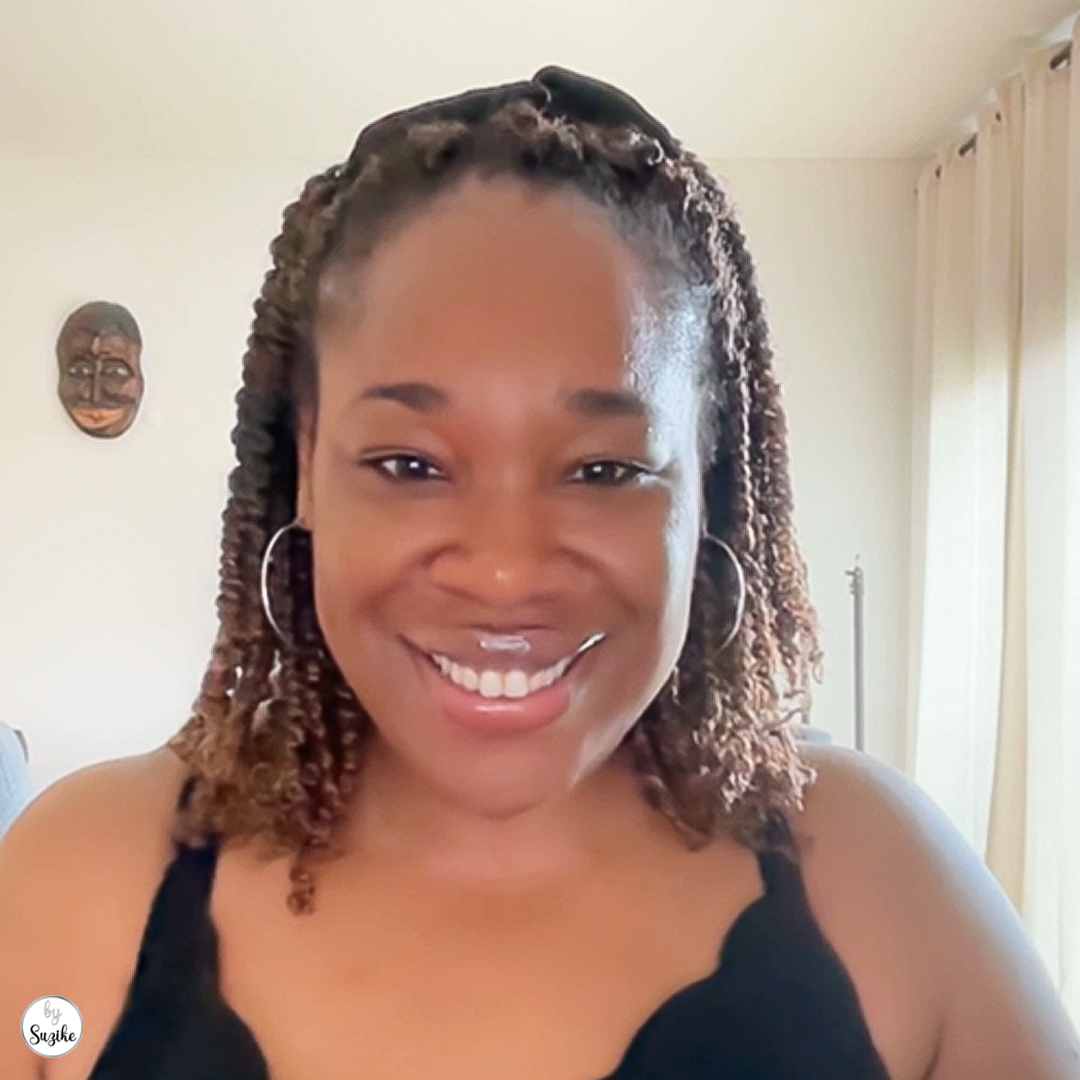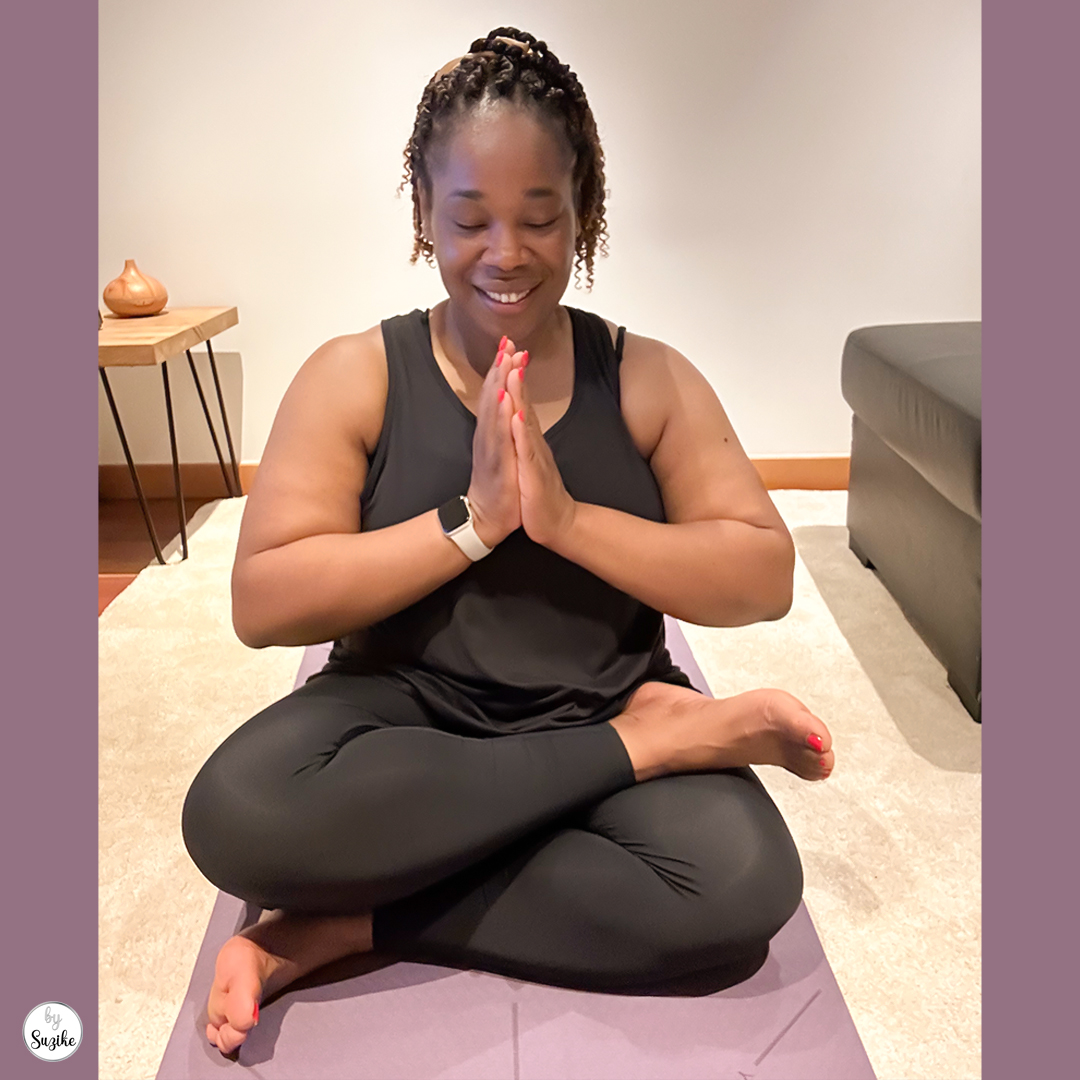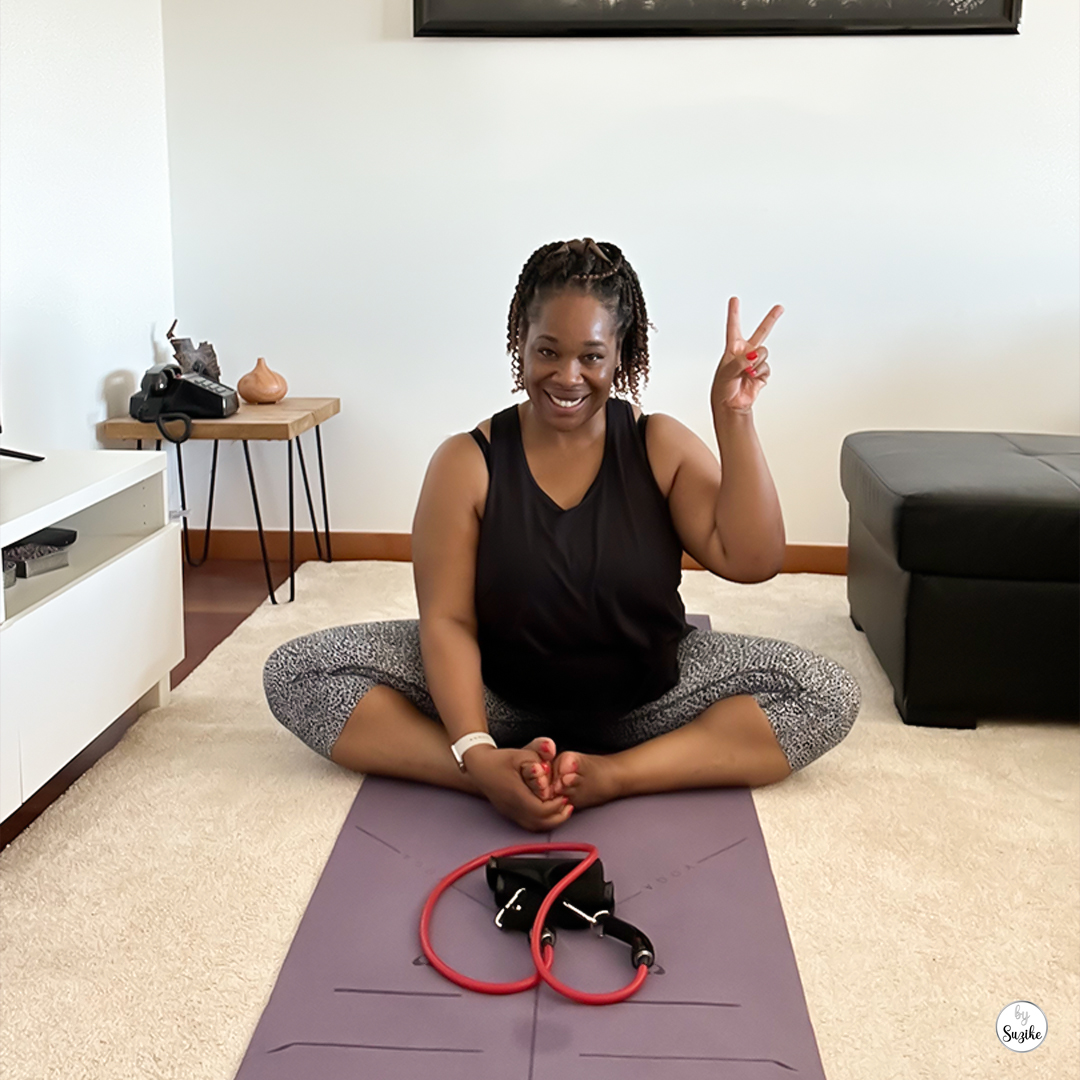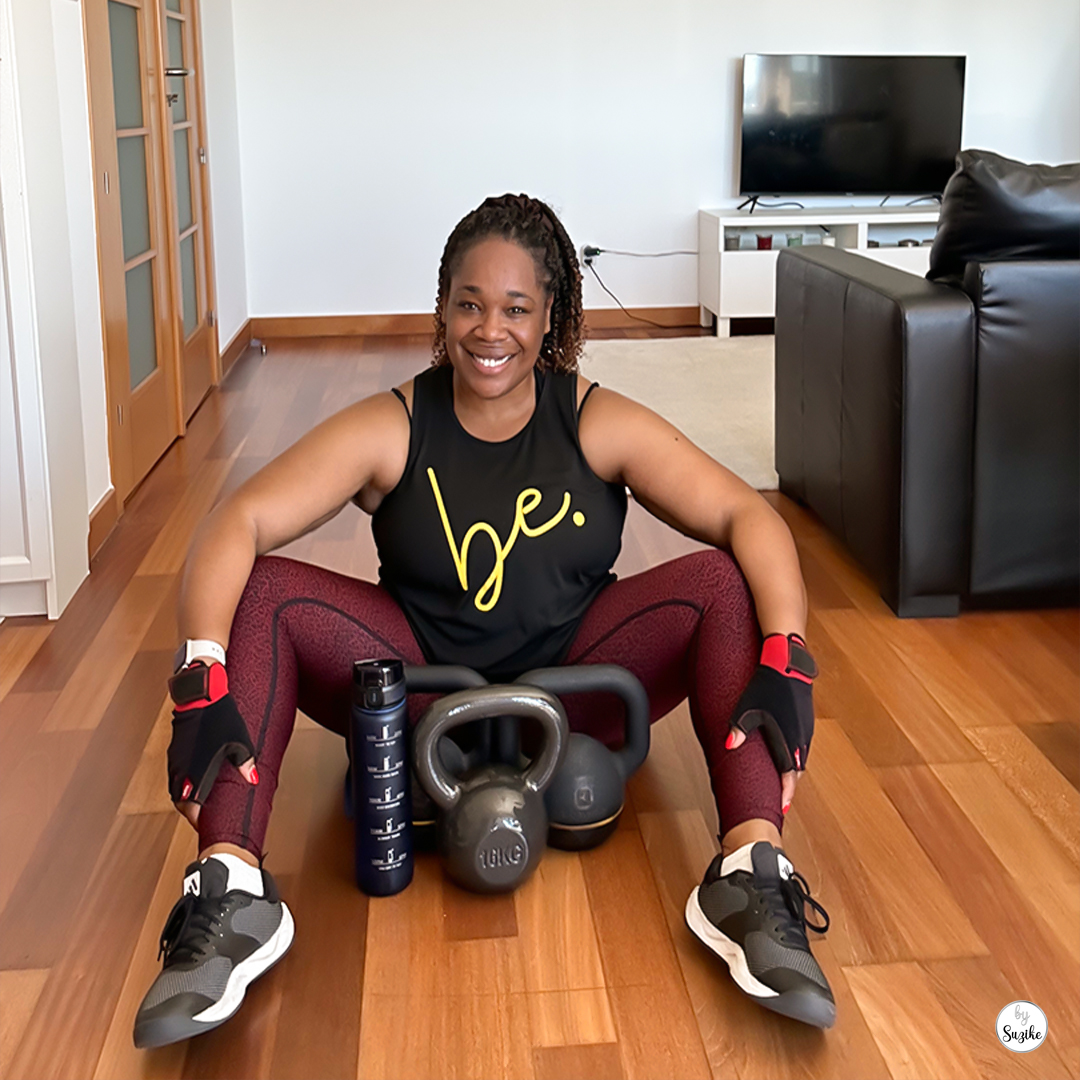
This was Recovery Day 8, and it showed something important: recovery is not only about slowing down. At the right moment, it is also about testing strength again and seeing how the body responds.
That is what made this day useful. I followed a kettlebell session, moved with energy, felt strong throughout and, most importantly, had no knee pain, no joint discomfort and no sense of limitation while training.
This post is part of my Recovery Journey series, where I’m documenting what recovery looked like day by day, while also highlighting what may actually help other women returning to movement after pain, weakness or a loss of confidence in their body.
Start here: How My Recovery Journey Started
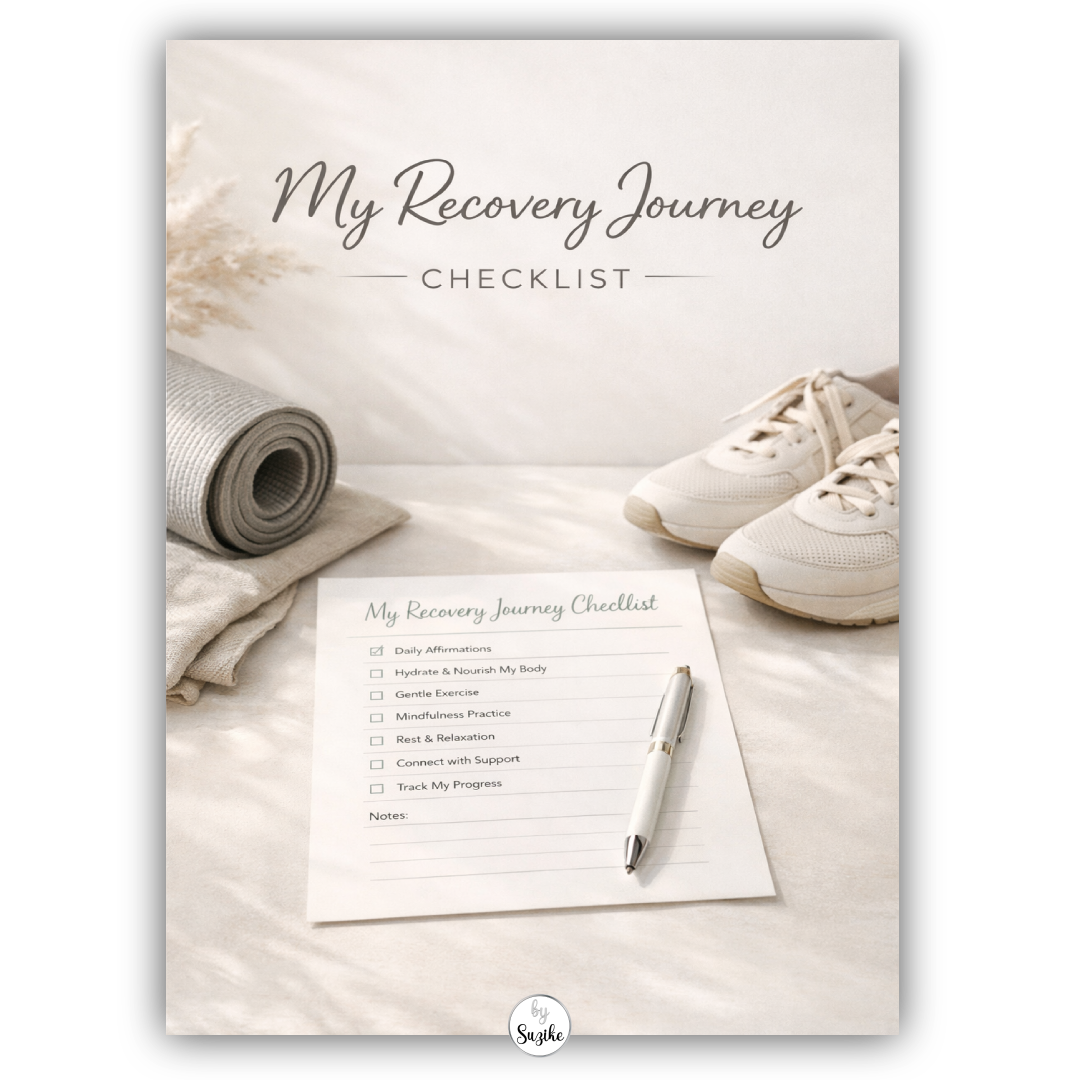
Get the free 2-Week Recovery Checklist
Why strength work matters during recovery
A lot of women associate recovery only with rest, stretching or very light movement. Those things matter, but recovery also needs progression.
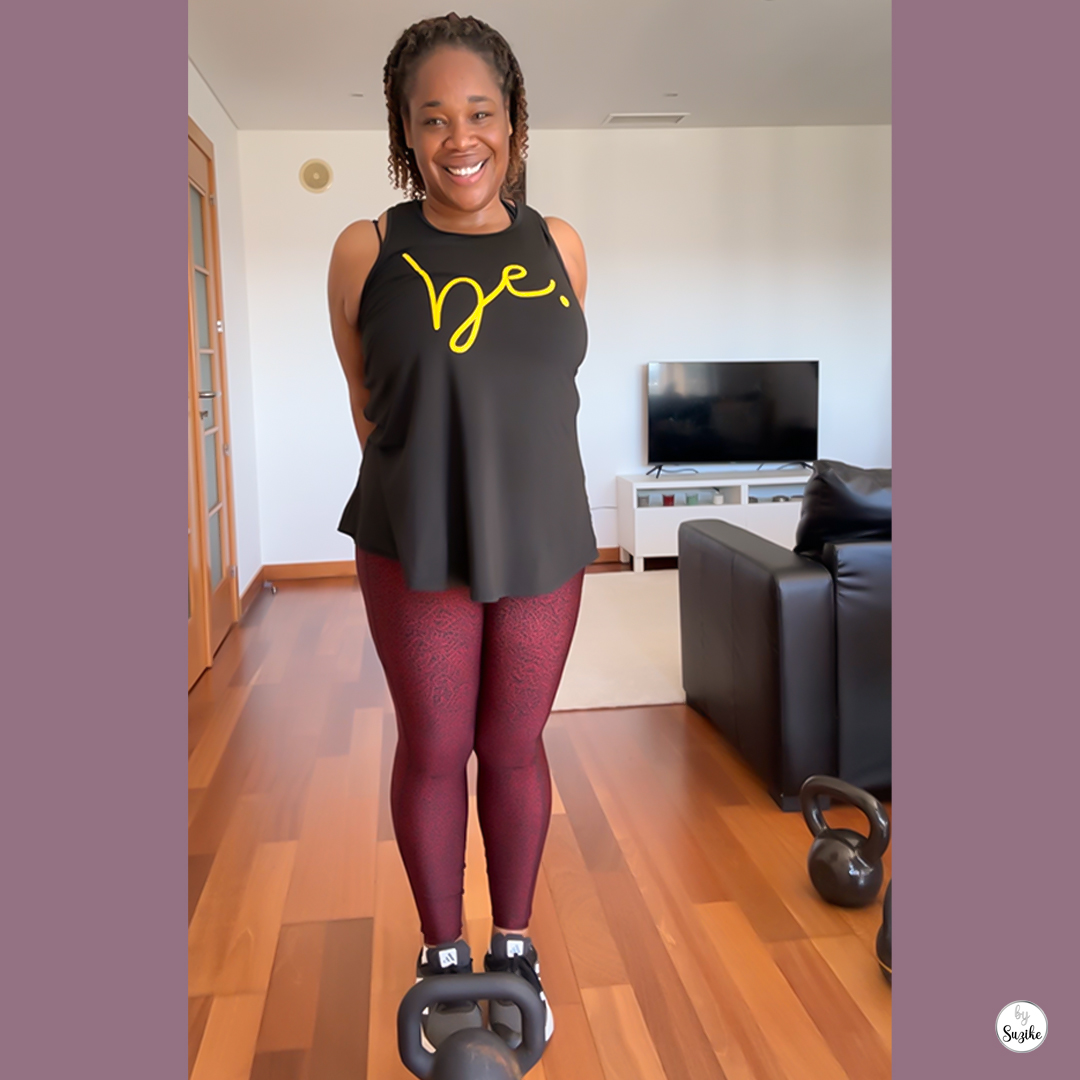
Day 8 mattered because it brought strength back into the picture in a more obvious way. The session focused on kettlebell work, controlled movement and full-body effort without triggering pain.
That is useful because one of the clearest signs of progress is not only feeling better at rest. It is being able to do more without the body pushing back.
What this kettlebell session may help you notice in your own body
This workout was useful because it challenged strength, coordination and control at the same time.
That combination can reveal whether recovery is becoming more solid.
During this kind of session, it helps to notice:
- whether your joints feel stable under effort
- whether you can move with control instead of bracing
- whether one side still feels weaker or more guarded
- whether strength work creates pain, tension or confidence
- whether your body feels capable again, not just careful
That is what made Day 8 important. It was not only a workout. It was feedback.
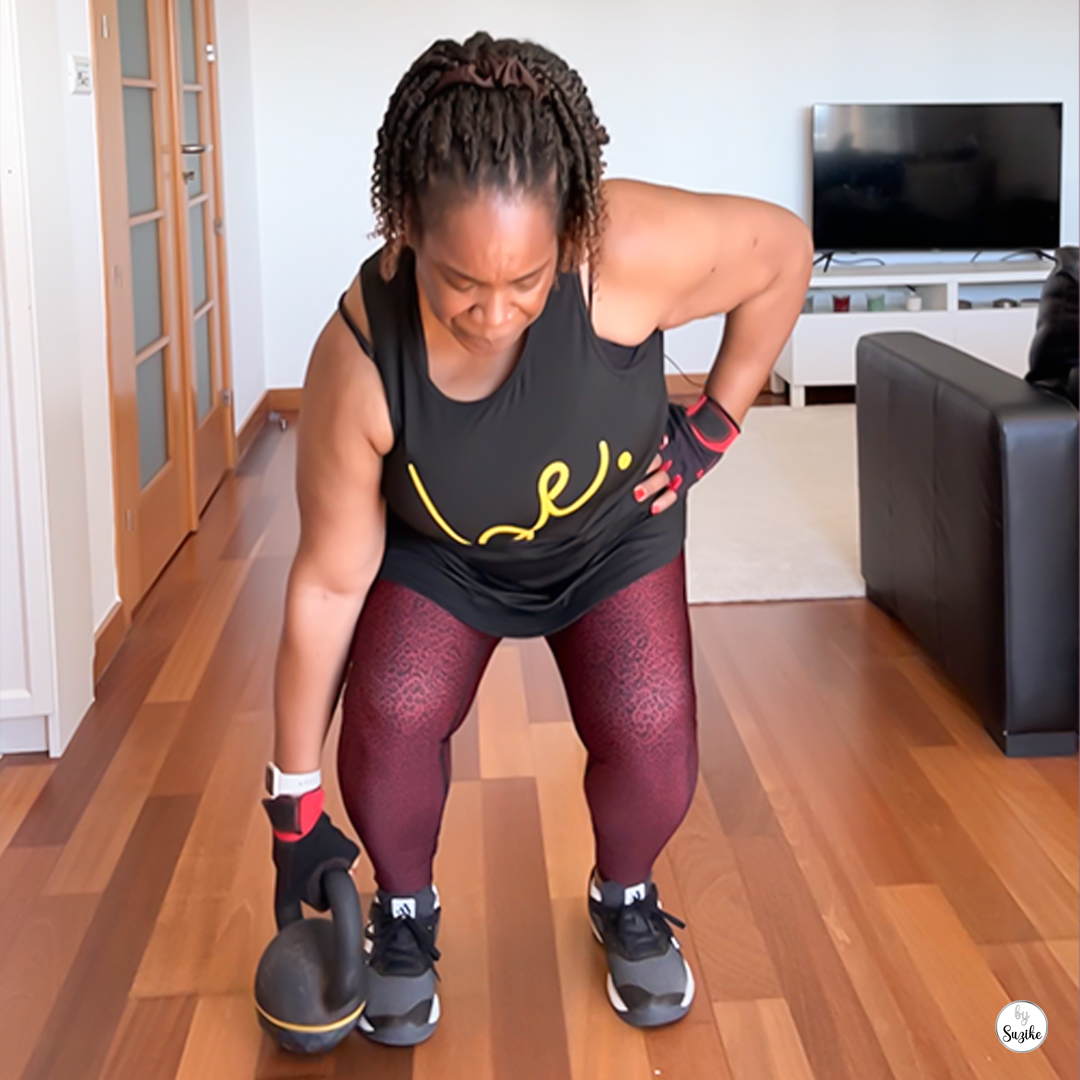
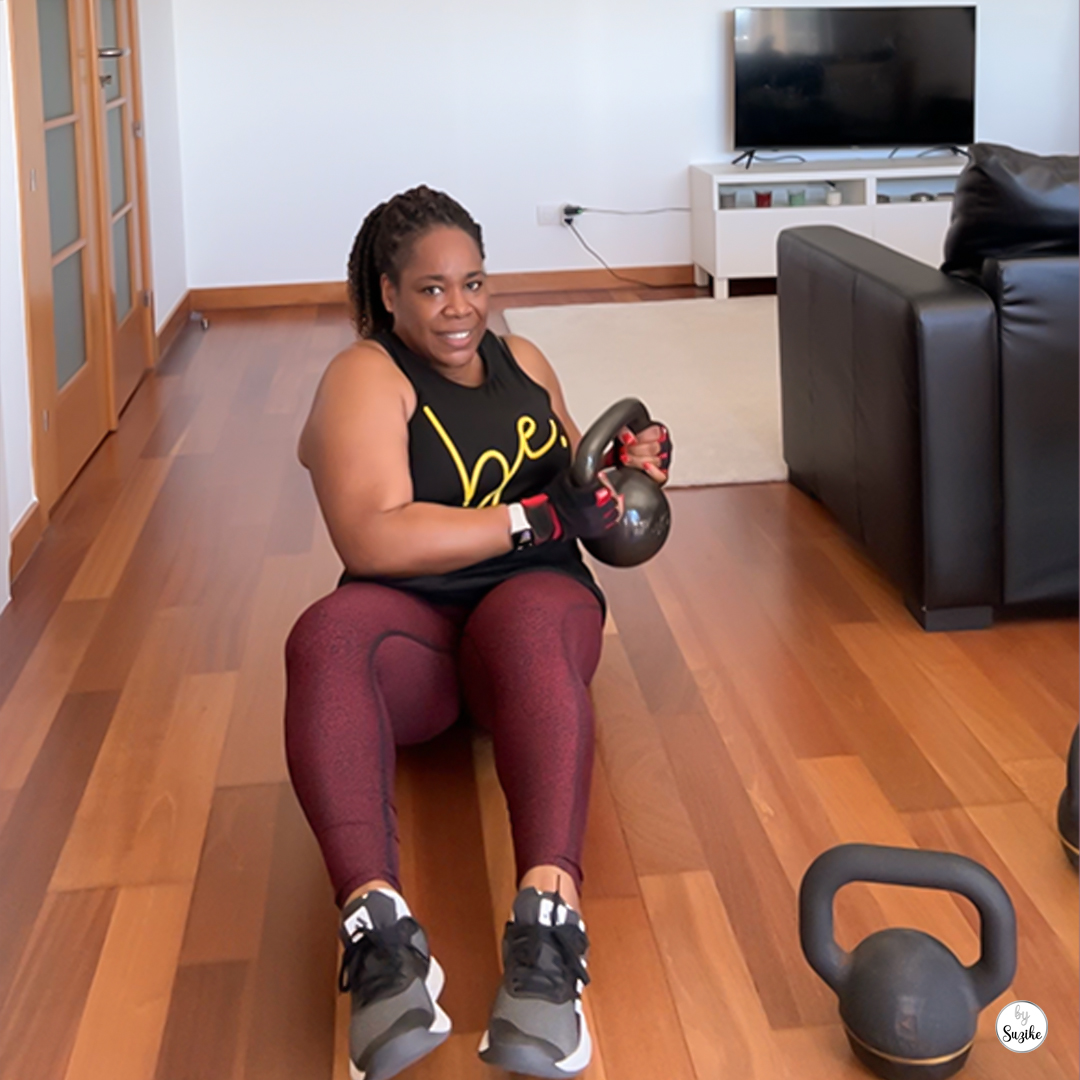
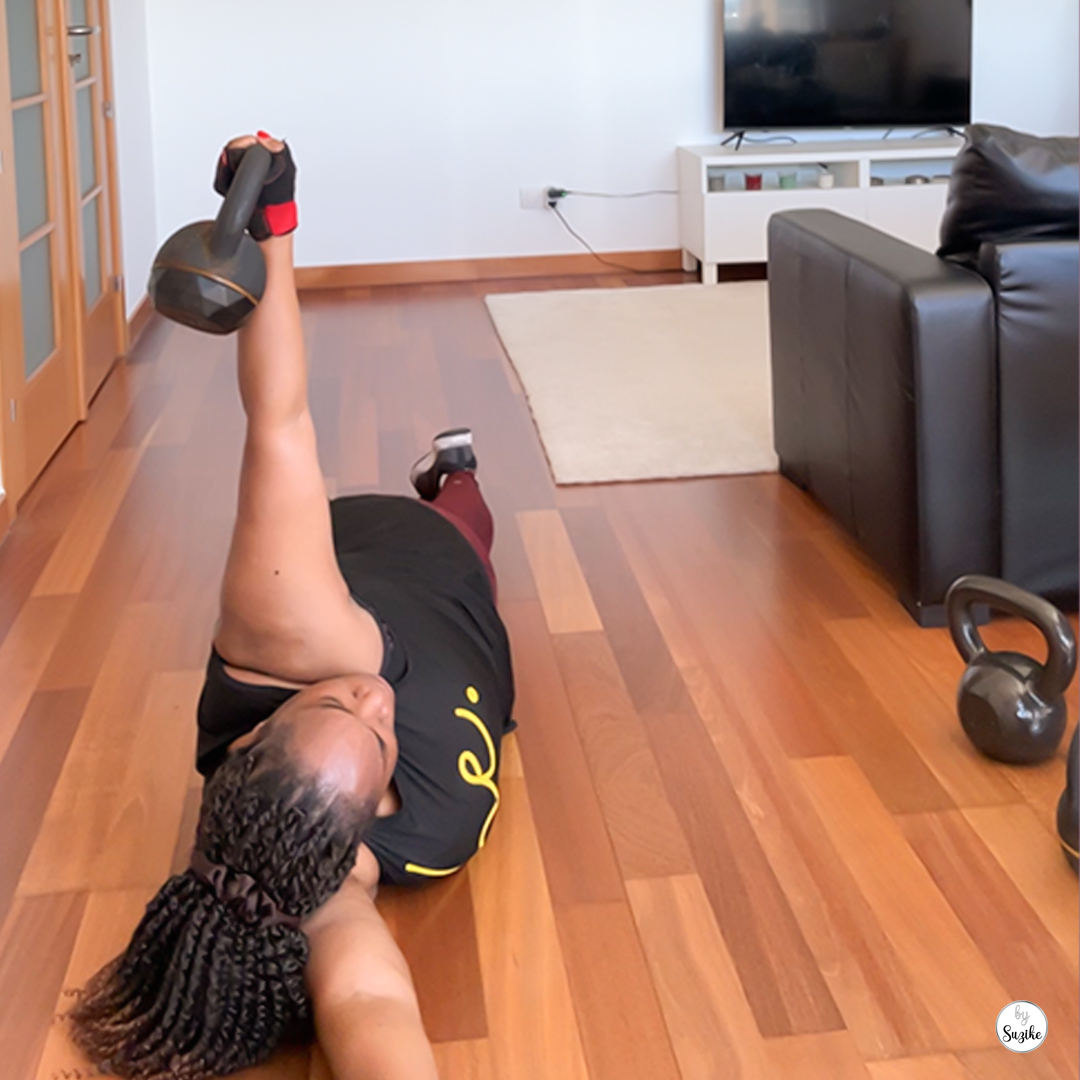
One major recovery sign: pain-free strength training
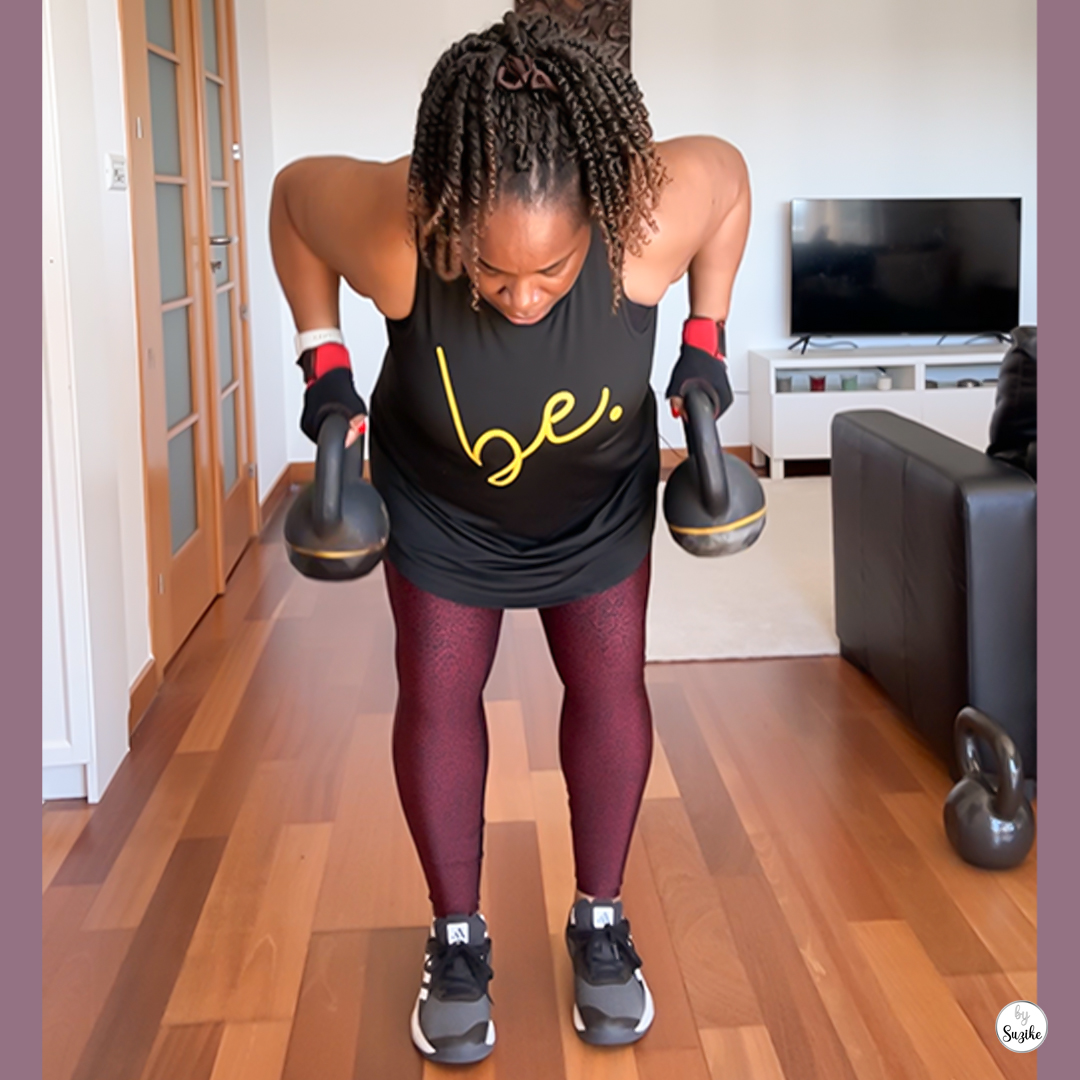
The clearest takeaway from Day 8 was this: I felt strong, happy and completely free of joint pain.
That is valuable information.
Many people think recovery progress only counts when the body feels good during gentle movement. But when strength training starts to feel safe again, that tells you something deeper. It suggests the body is tolerating load better.
That does not mean everything is finished. It means recovery is becoming more functional.
For readers going through recovery, this is worth paying attention to. A pain-free strength session can be one of the most reassuring signs that progress is becoming real.
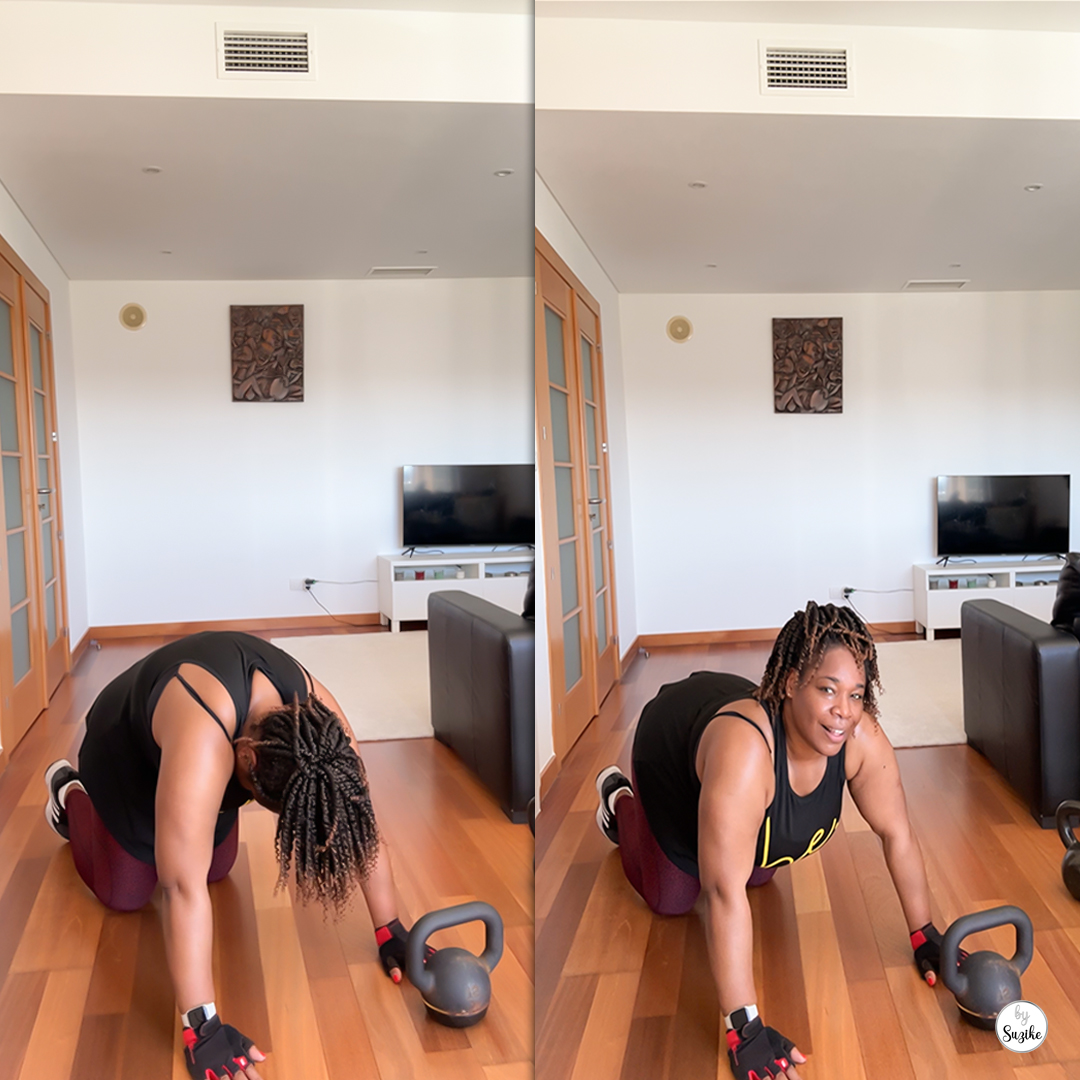
Why controlled kettlebell work can be useful in a recovery phase
The post already points to three useful benefits of this kind of training:
- activating large muscle groups without overstressing the joints
- improving posture and coordination through compound movements
- supporting fat loss and metabolic health with strength-based effort
That makes this kind of session especially useful for women who want to rebuild strength without jumping straight into chaotic or high-impact training.
The key point is not the kettlebell alone. It is the way the workout is done. Controlled, grounded movement gives the body a chance to work hard without feeling threatened.
Joy is useful data too
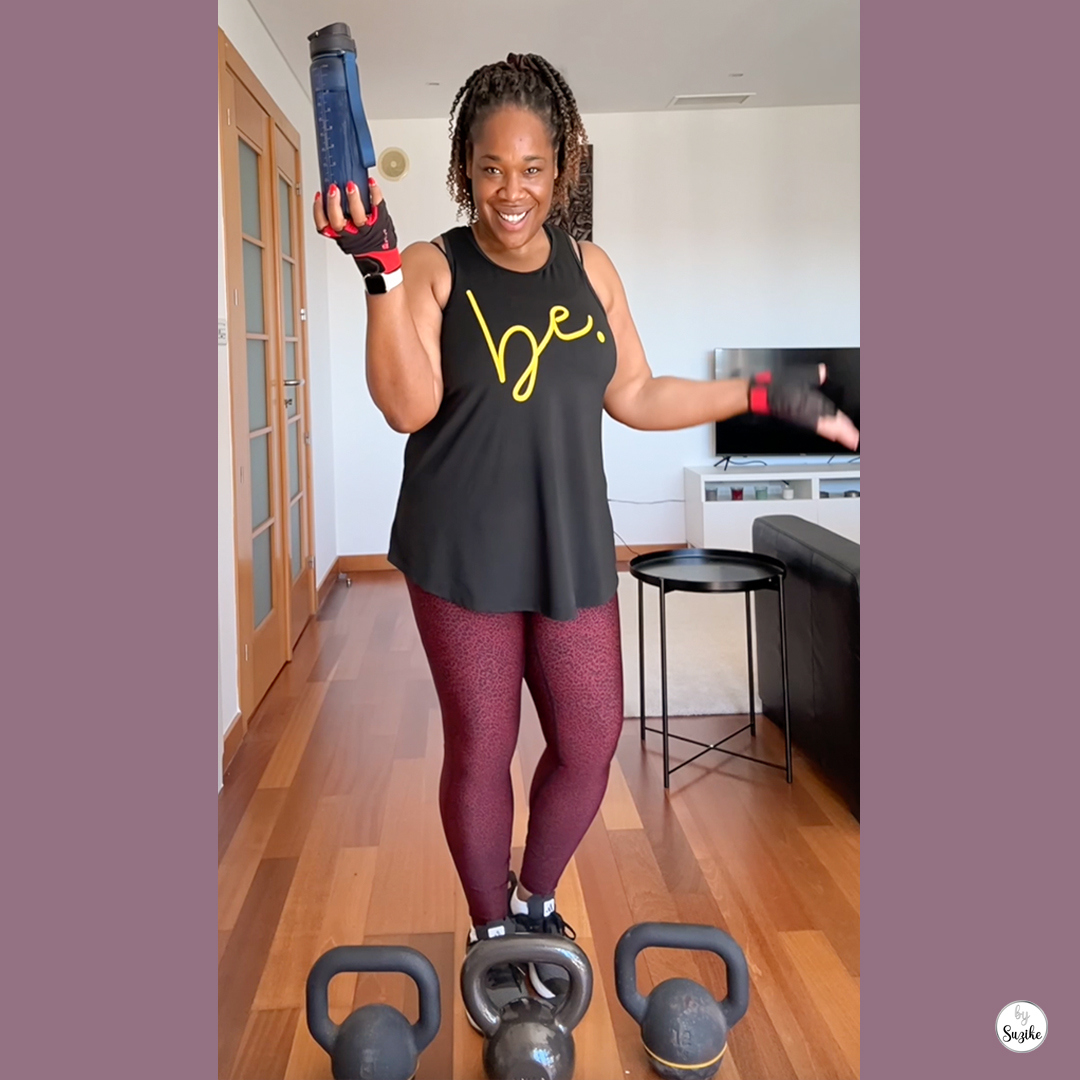
One detail in this post is more important than it may seem: you danced between sets.
That may sound lighthearted, but it actually matters.
When recovery is going well, the body often gives more than physical signals. It also gives emotional ones. Feeling free enough to move spontaneously, enjoy the session and stop training from feeling tense or fearful is part of the picture too.
That kind of joy is not random. It often appears when the body starts to feel safer again.
For a reader, this is useful because recovery is not only about pain levels. It is also about whether movement is starting to feel natural again.
Simple meals still support better recovery days

The meals on Day 8 were practical, filling and easy to repeat.
Breakfast included:
- scrambled eggs
- avocado and tomato salad
- espresso
Lunch and dinner included:
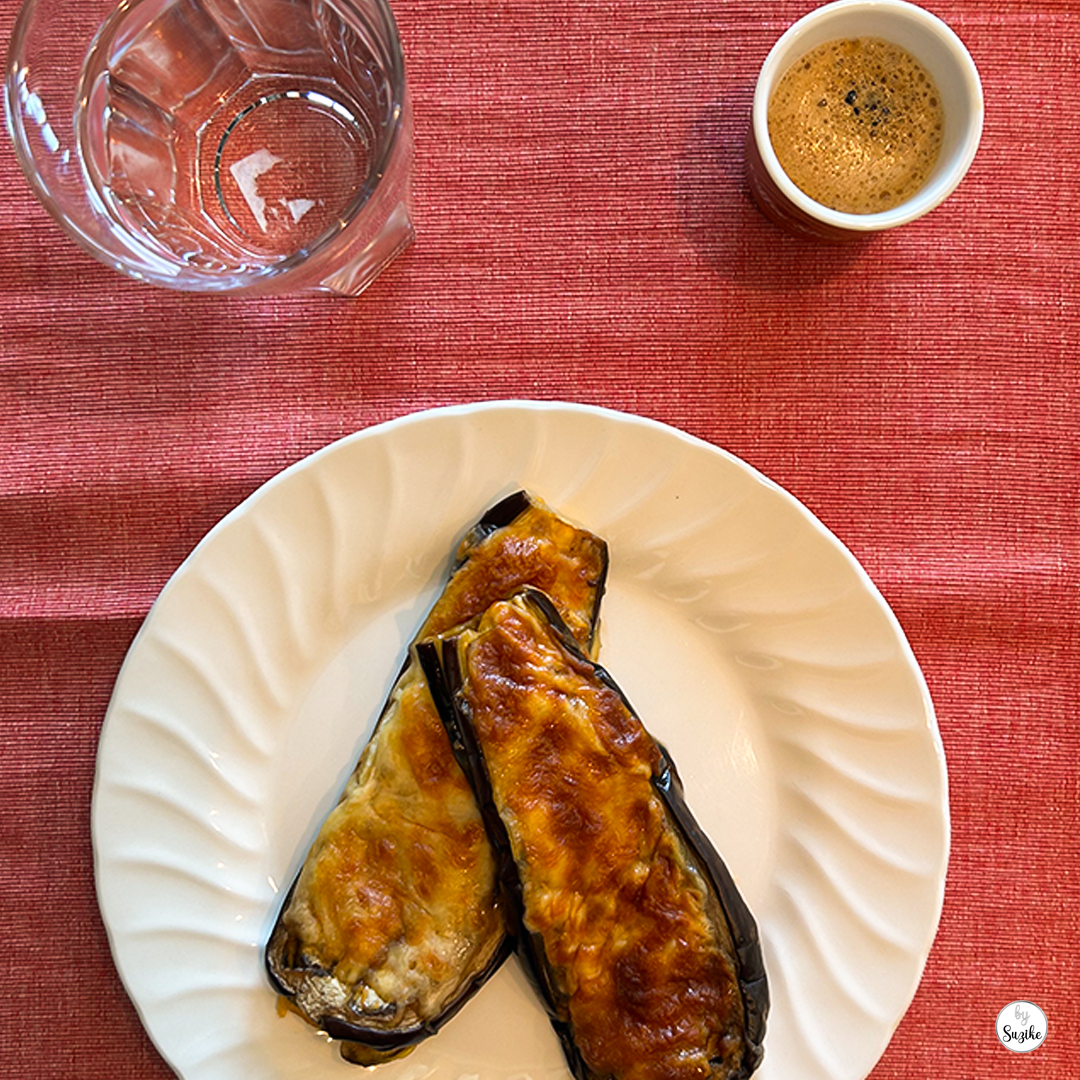
- baked stuffed eggplant with beef and cheese
- strong coffee and water
That matters because recovery is easier to sustain when food stays simple and supportive. High-protein, satisfying meals can reduce cravings, support energy and make the day feel more stable after training.
That is useful for readers too. Recovery nutrition does not need to be complicated. It needs to be realistic enough to repeat.
 Walk (30 min, varied terrain)
 Stretch (20–30 min)
 Walk with Felisberta (30–60 min)
 Complete Rest
What I used that day
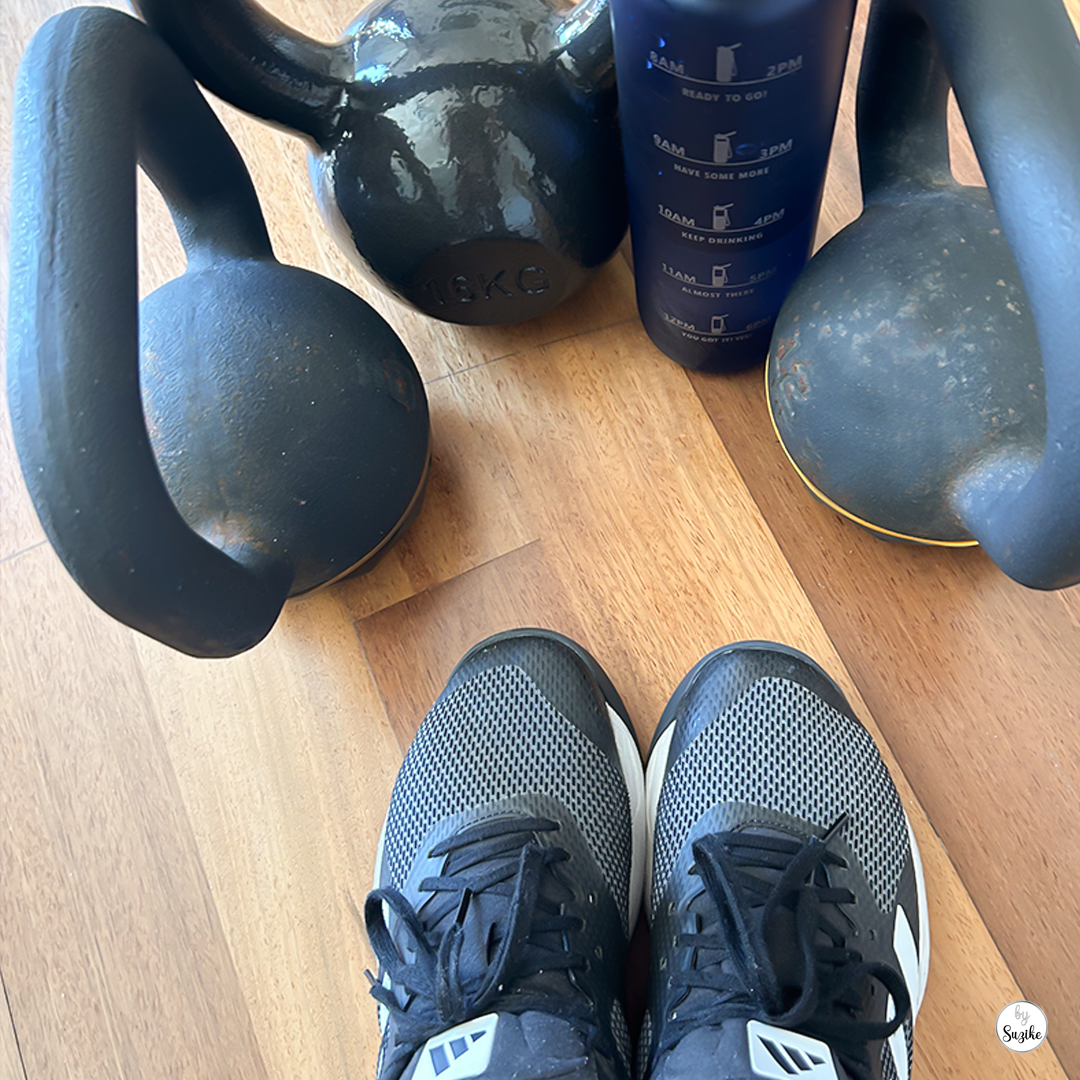
- Kettlebells
- Gloves
- Water bottle
- Adidas trainers
- My Recovery Checklist
What Day 8 may help you recognise in your own recovery
Day 8 showed that recovery progress can look like this:
- training with load and feeling safe
- moving with control instead of hesitation
- finishing a session without pain or joint tension
- feeling strong enough to enjoy movement again
- noticing that confidence is returning along with strength
That is useful because many women wait for a dramatic milestone before trusting their progress. Often the real milestone is simpler. Your body handles more, fears less and starts to feel like yours again.
Following a similar recovery phase? Download my free 2-Week Recovery Checklist here.