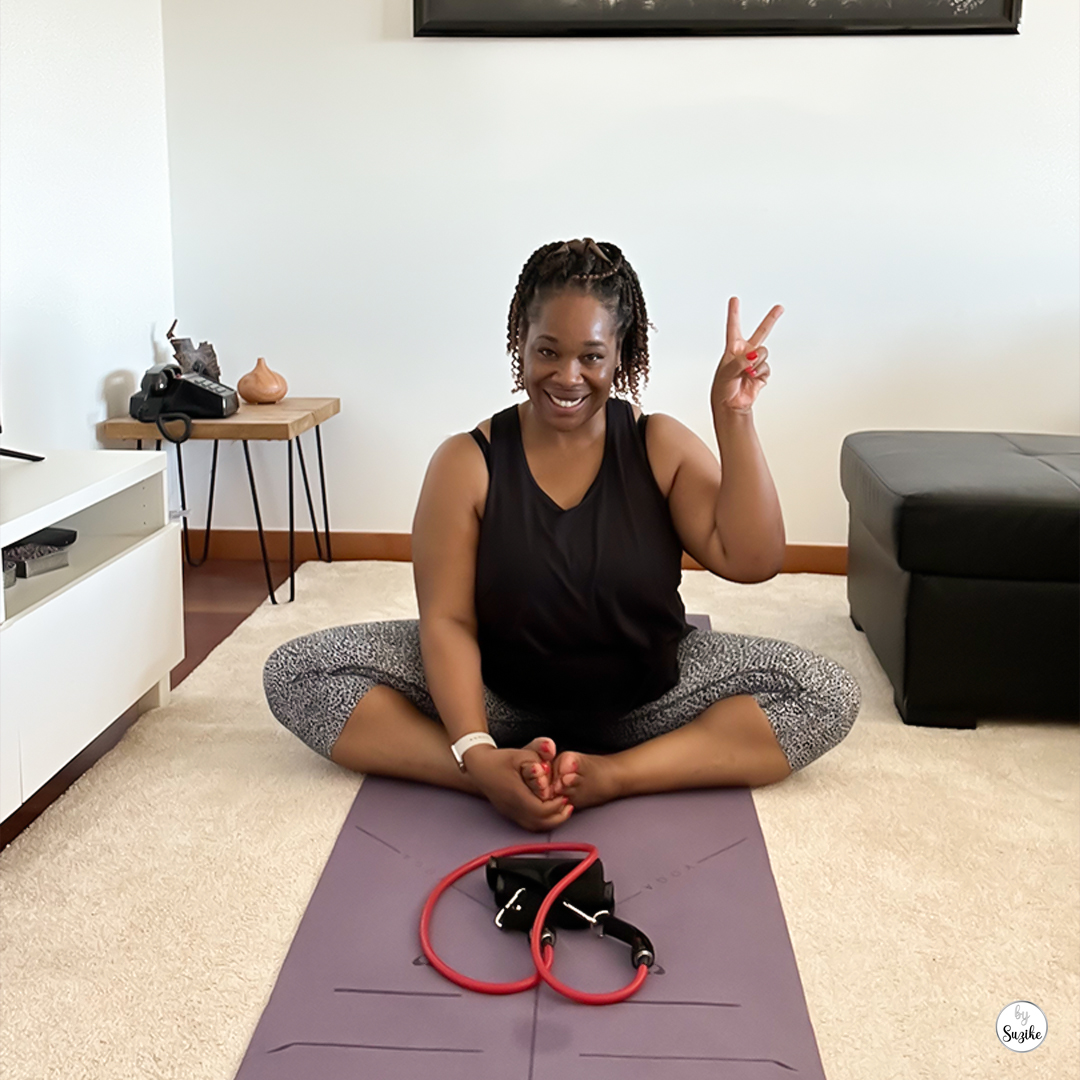
This was Recovery Day 9, and it was a good reminder that recovery is not only about pushing forward. Sometimes it is about responding well to what the body needs after a stronger session.
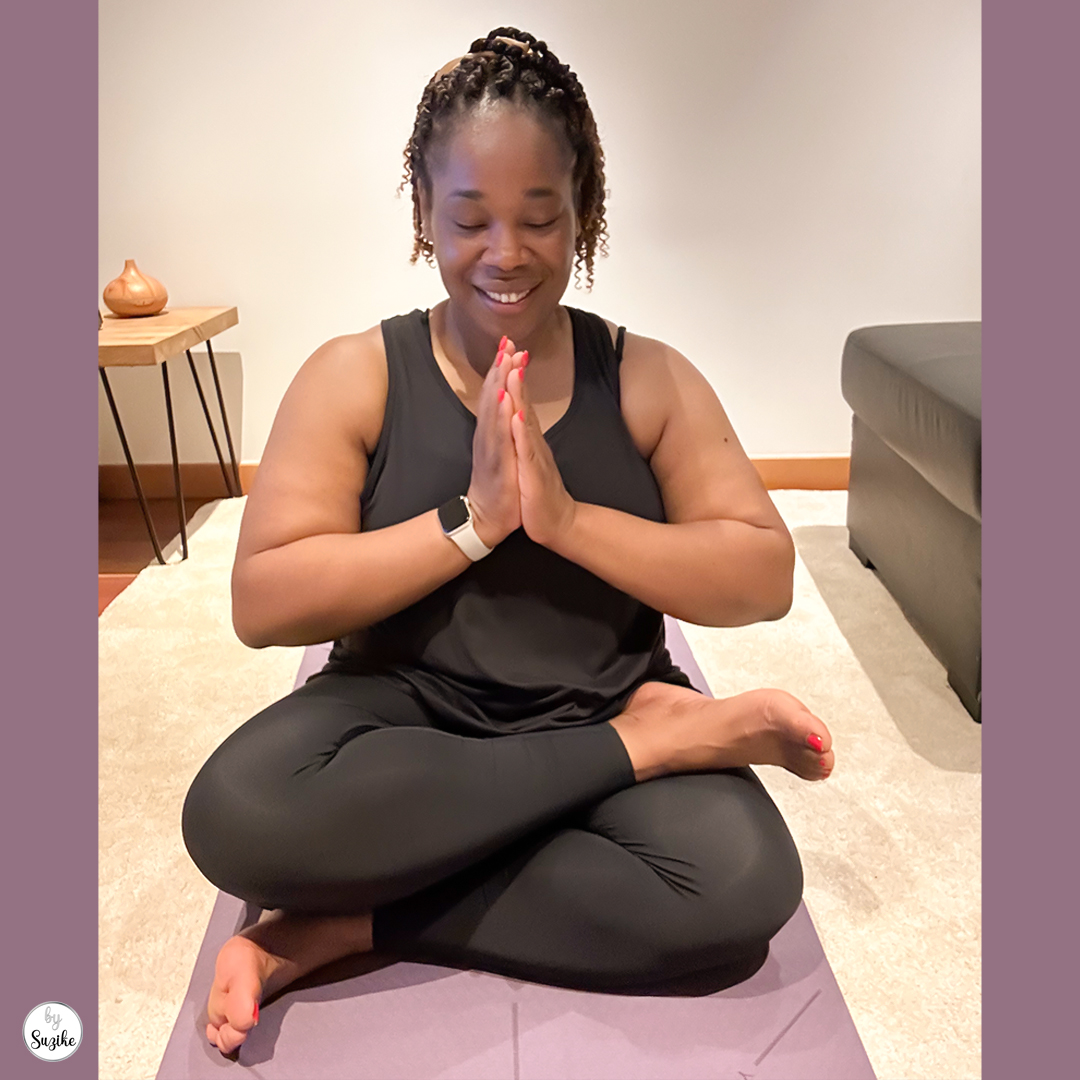
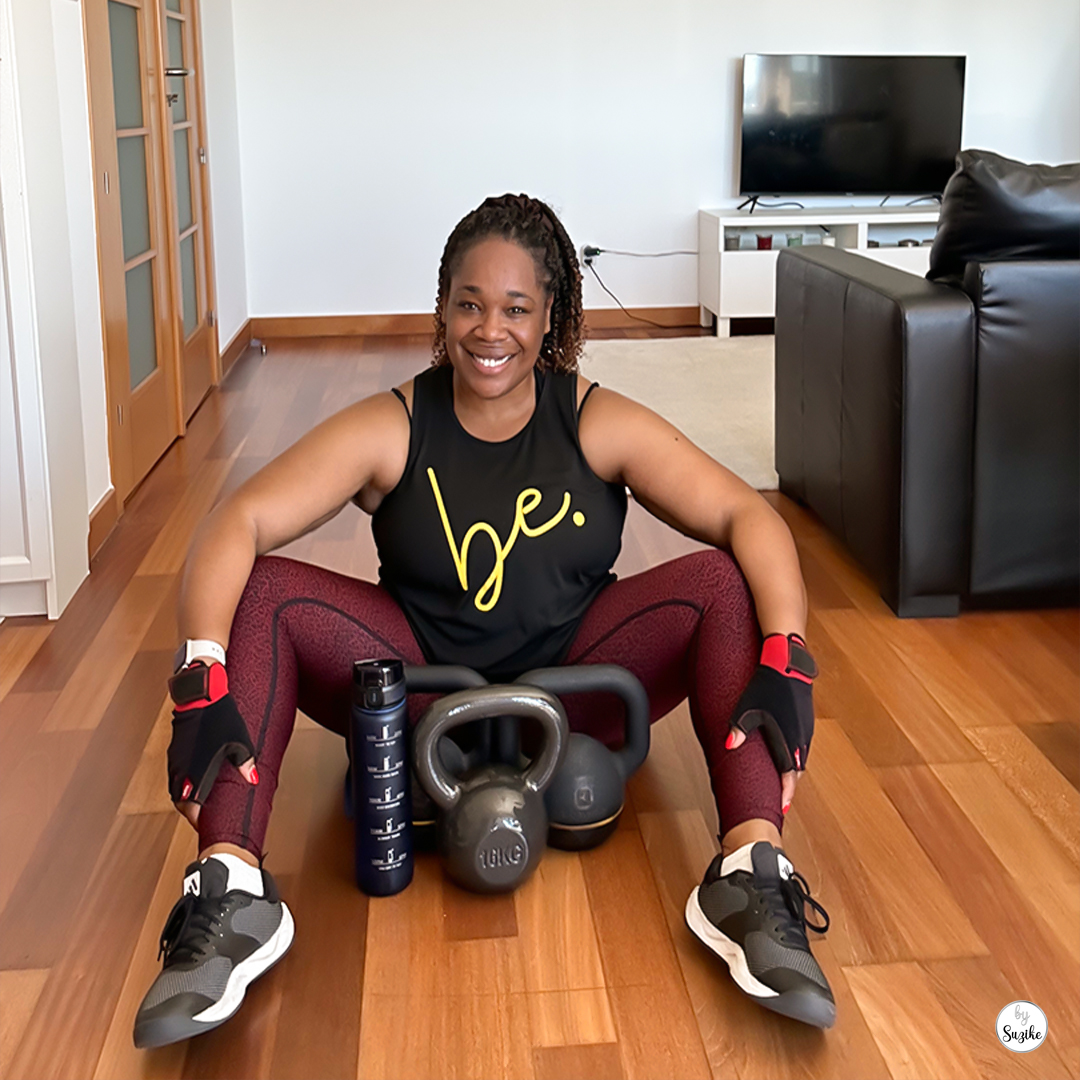
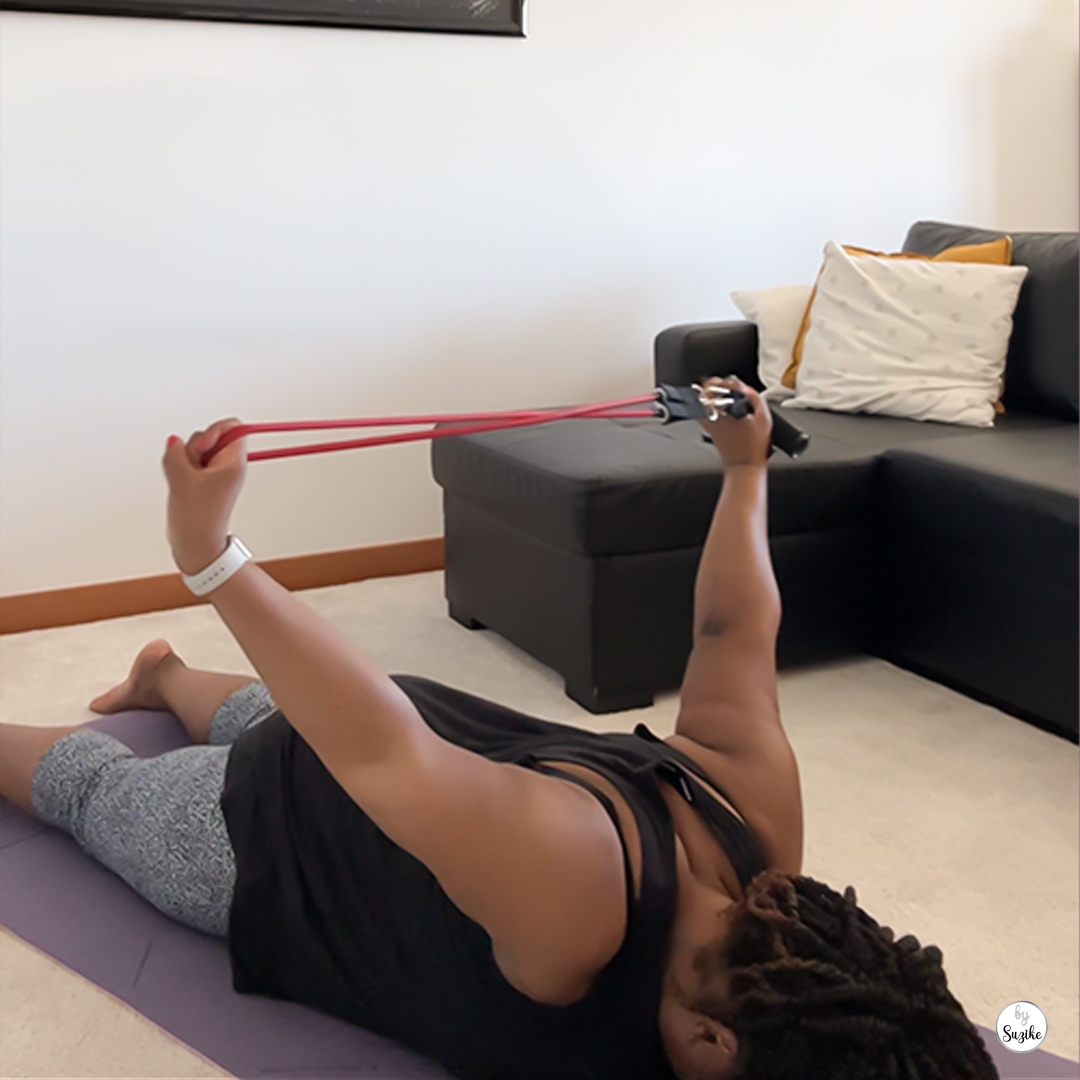
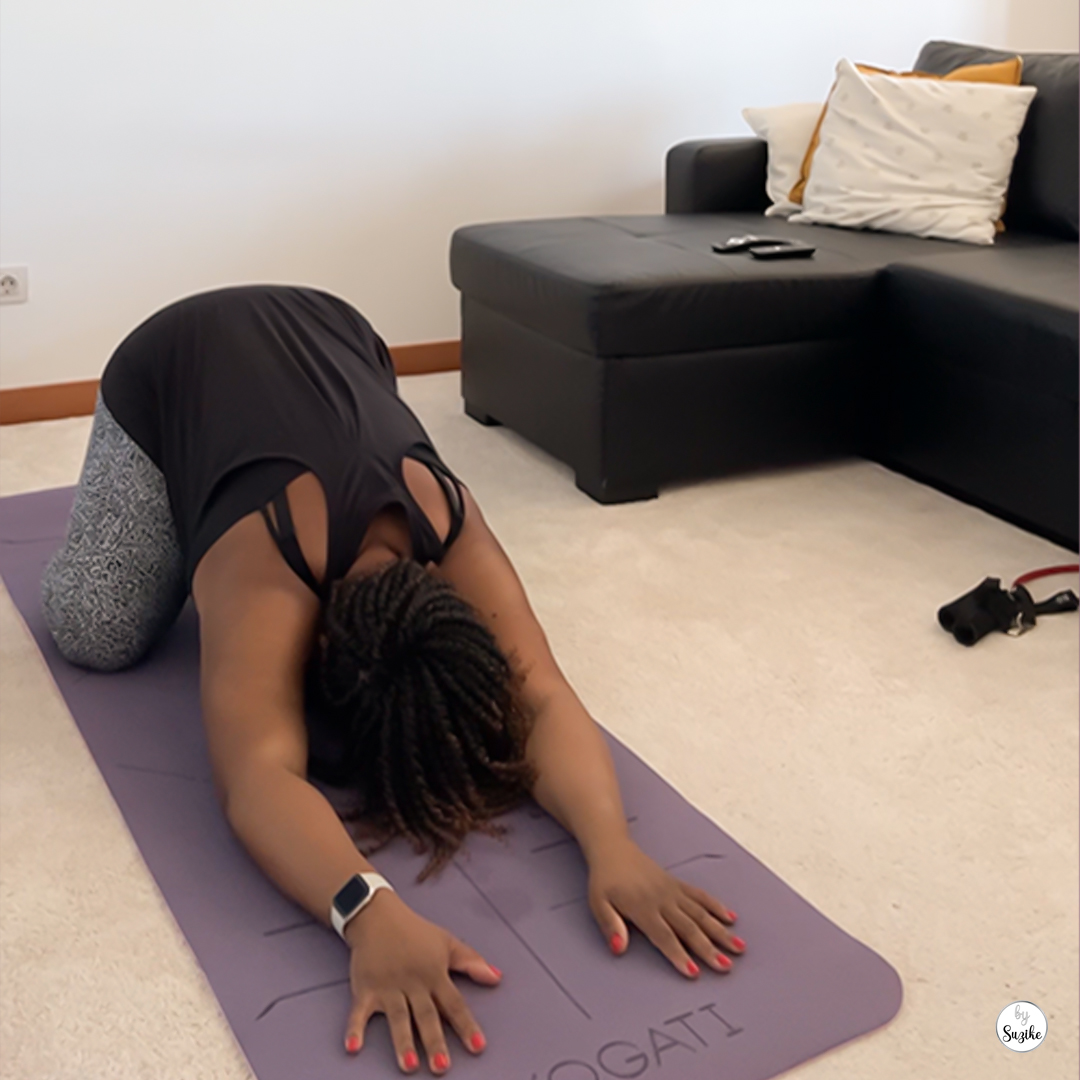
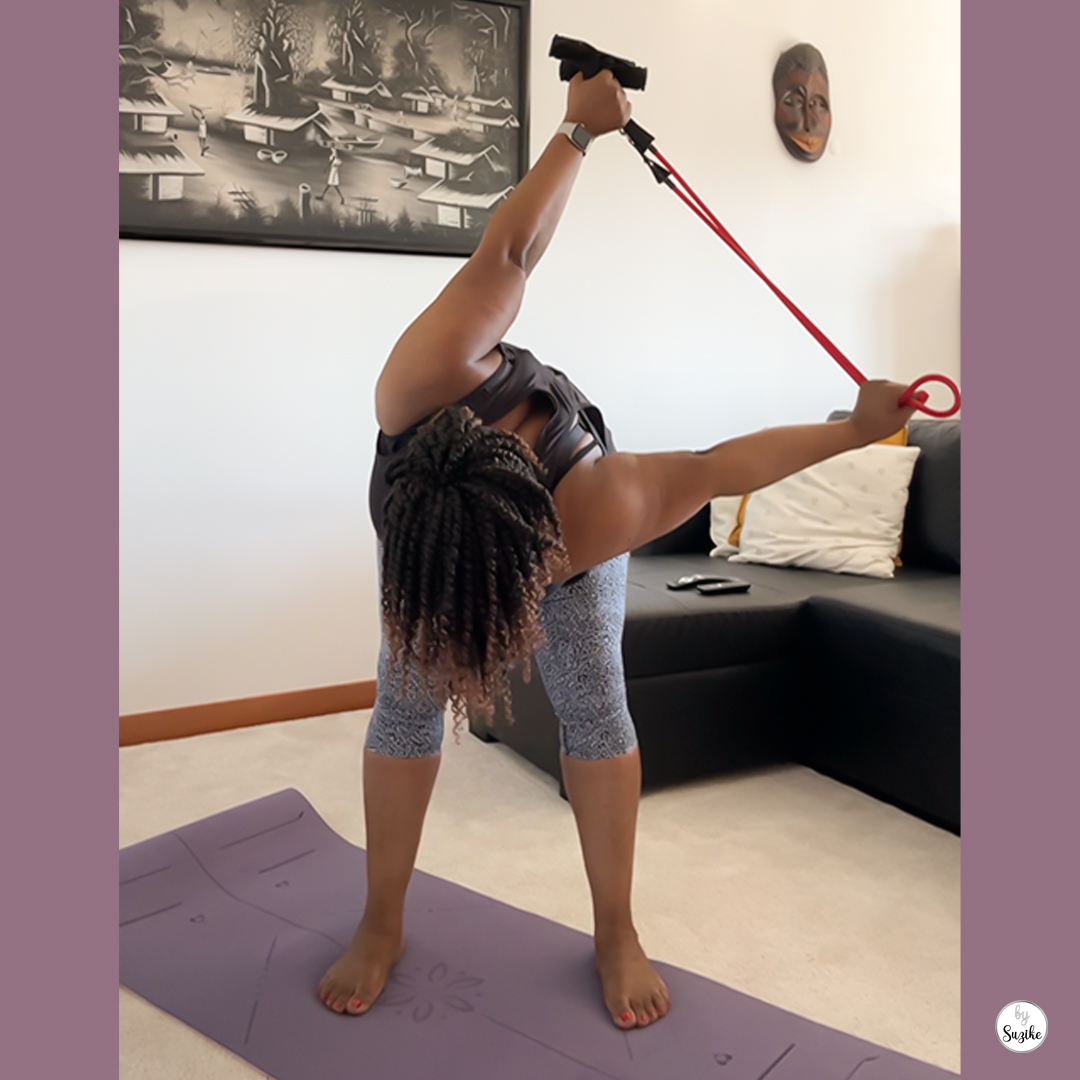
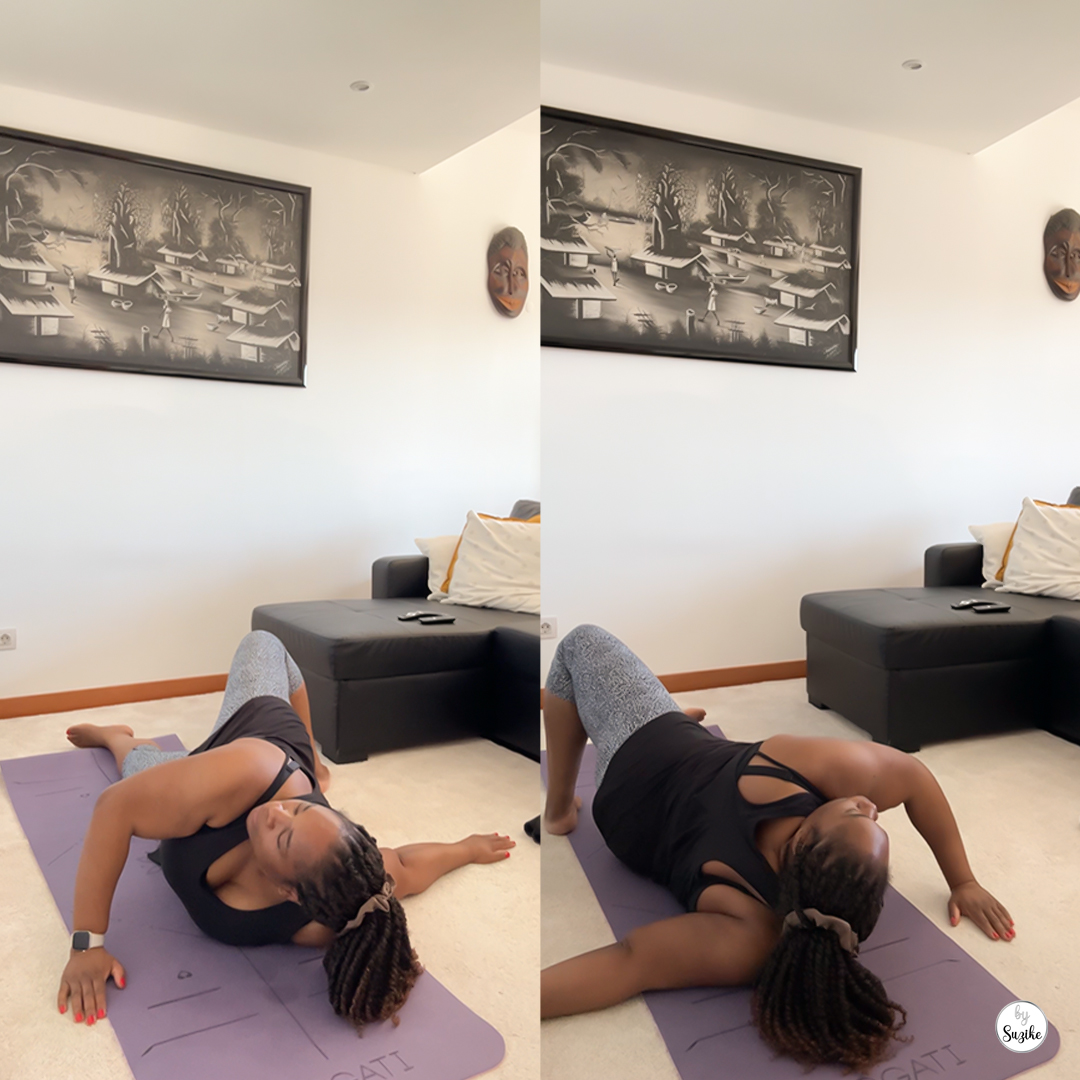
After the previous day’s kettlebell workout, I could feel soreness in my arms and shoulders, so I chose a gentle upper body stretch session instead. That decision mattered. The session helped release tension, restore movement and keep recovery progressing without adding stress.
This post is part of my Recovery Journey series, where I’m documenting what recovery looked like day by day, while also pulling out what may actually help other women who are trying to move consistently, recover well and listen to their body without losing momentum.
Start here: How My Recovery Journey Started
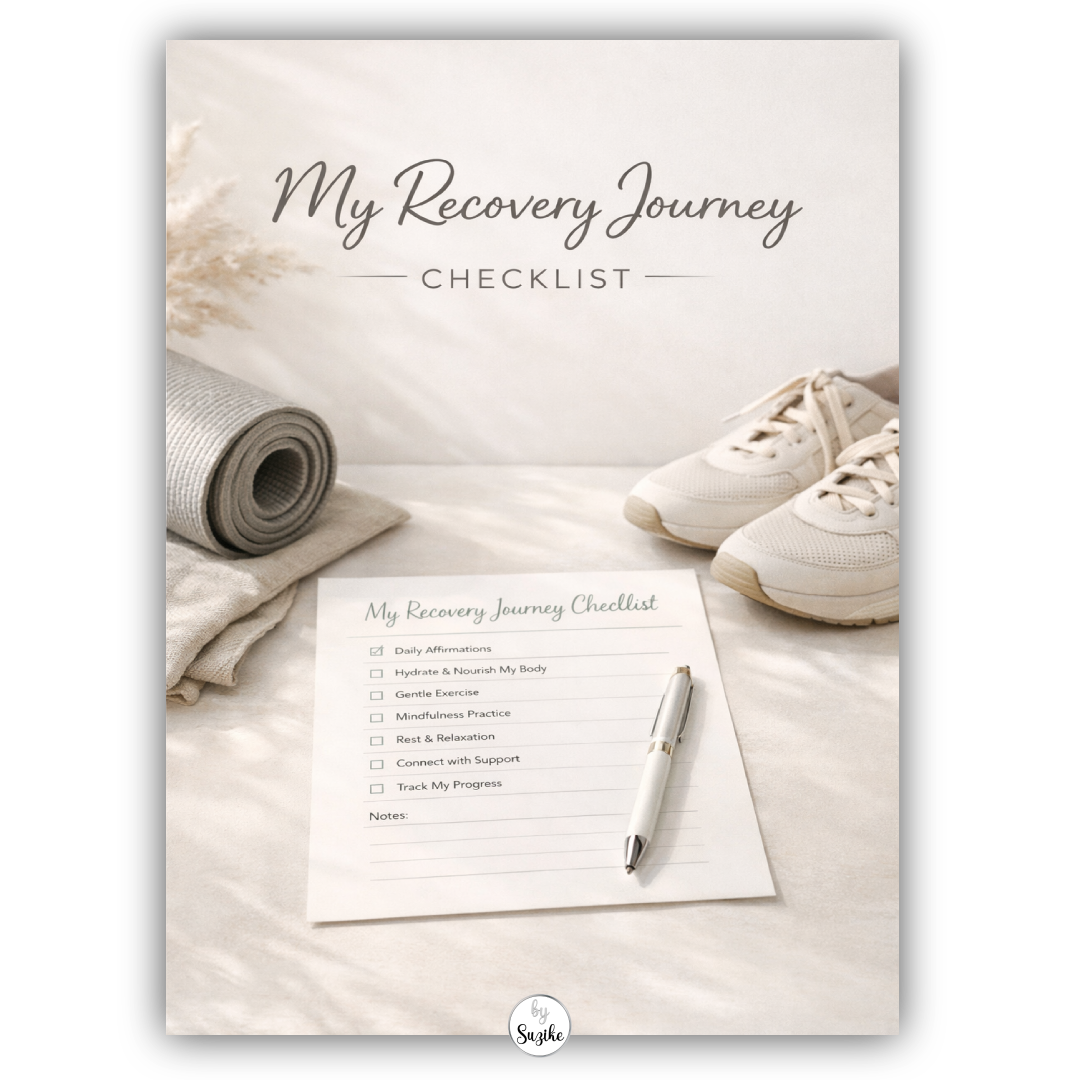
Get the free 2-Week Recovery Checklist
Why a lighter recovery day still matters
A lot of women assume progress only counts on the days when they train hard. That is not true in recovery.
Day 9 mattered because it showed that a lighter session can still be productive. After a strength-focused day, the goal was not to do more. The goal was to restore movement, reduce upper body soreness and stay connected to the body without overwhelming it.
That is useful because recovery works better when intensity and restoration are both respected.
What this stretch session may help you notice in your own body
The stretch session focused on the upper body, especially the areas that felt sore after kettlebell work.
That makes this kind of session useful for noticing:
- whether soreness is easing or building
- whether tension is localised or spreading
- whether gentle mobility brings relief
- whether the body responds better to softness than to more effort
- whether you can move without discomfort in other sensitive areas, such as the knee
This is practical information. Recovery becomes easier to manage when you stop guessing and start observing patterns.
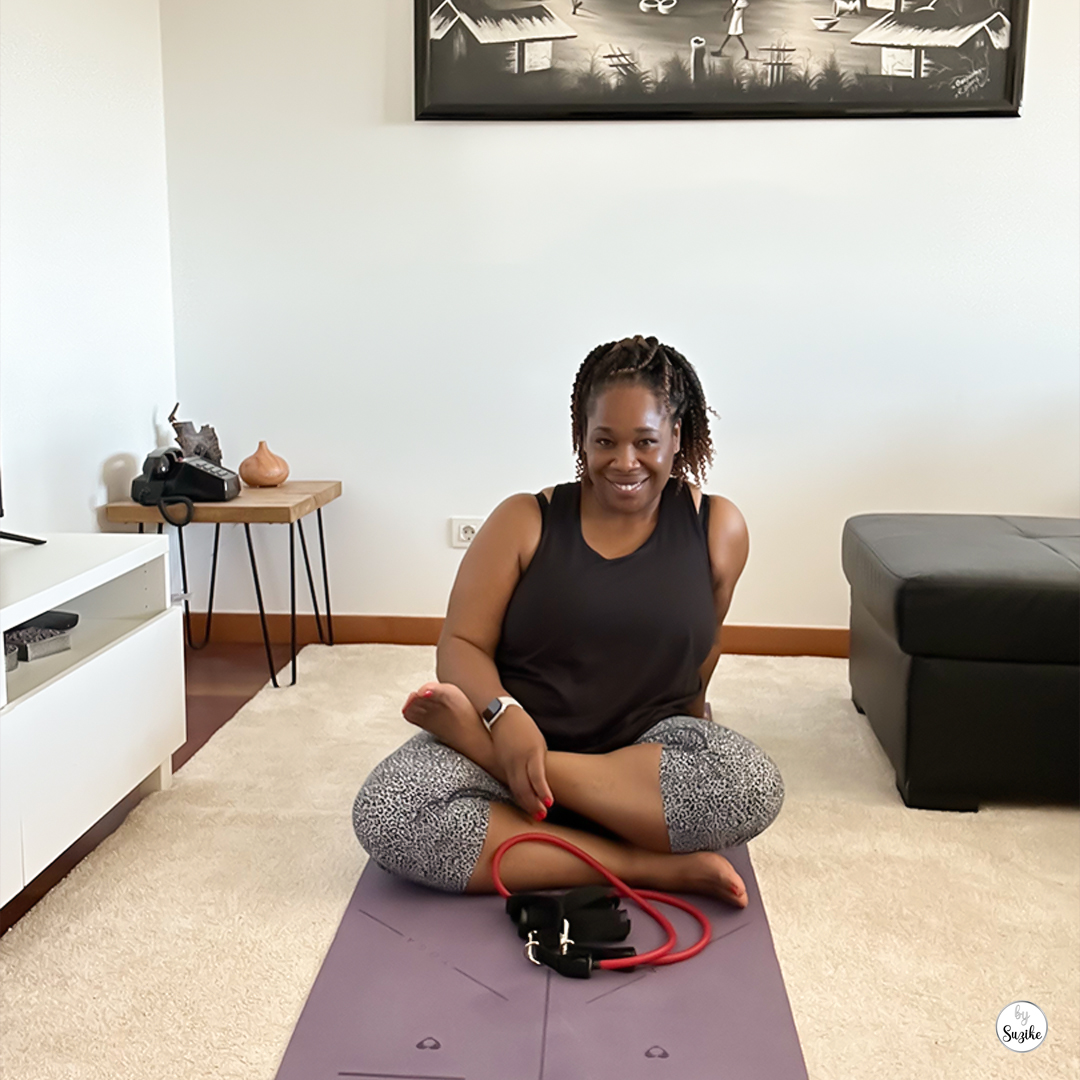
One useful recovery sign: no knee pain on a lighter day
One of the clearest points from Day 9 was this: no knee pain and no tension.
That matters even on a stretch day.
Sometimes lighter days reveal whether the body is actually settling well or whether hidden irritation is still there. In this case, the session felt good, controlled and supportive. The stretch was necessary, and it felt amazing afterwards.
That is useful for readers because recovery is not only measured by what happens on hard days. It is also measured by how the body feels when given space to release and reset.
Real food still supports recovery, even when meals are basic
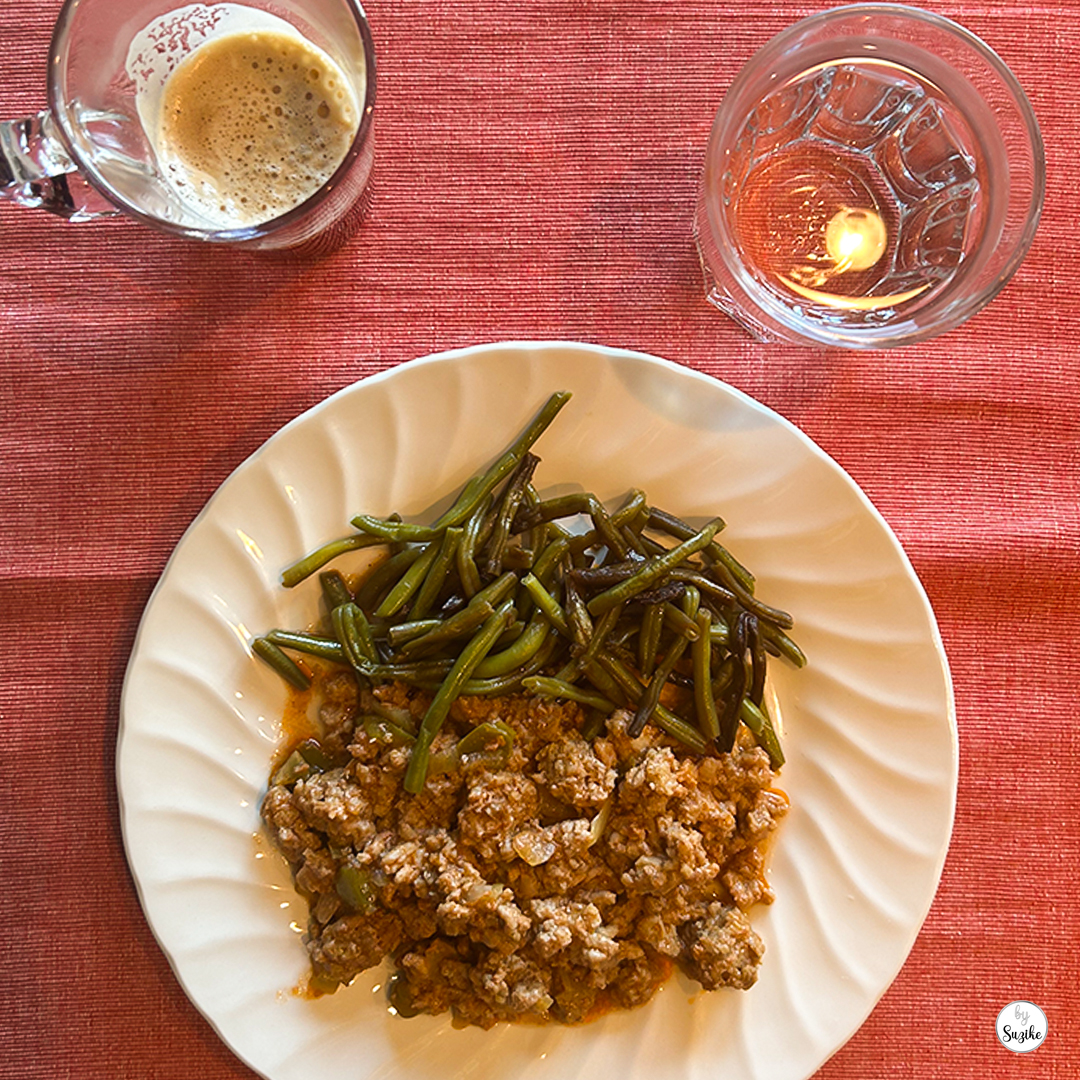
The food on Day 9 was very simple and very real.
Breakfast included:
- 2 fried eggs
- espresso
Lunch and dinner included:
- ground beef
- sautéed green beans
- water and coffee
That simplicity is actually useful. Recovery nutrition does not have to be elaborate to be effective. Some days, what helps most is easy food that supports energy, protein intake and consistency without creating more mental effort.
That is practical for readers too. Real recovery meals can be repetitive, basic and still do the job well.
 Walk (30 min, varied terrain)
 Body Balance (45 min)
 Walk with Felisberta (30–60 min)
 Complete Rest
What I used that day
- Yoga mat
- Resistance band
- My Recovery Checklist
What Day 9 may help you recognise in your own recovery
Day 9 showed that recovery progress can also look like this:
- choosing mobility instead of forcing intensity
- releasing soreness before it becomes a bigger issue
- moving without knee pain or tension
- finishing a session feeling lighter and more relaxed
- understanding that listening to the body is a productive skill
That is useful because many women treat recovery days as secondary. They are not. Often, they are what make consistent progress possible.
Following a similar recovery phase? Download my free 2-Week Recovery Checklist here.