If you’re building a home gym, adjustable dumbbells vs fixed dumbbells is the decision that changes everything. One option saves space and keeps progression simple. The other feels effortless every session because you grab and go. In this guide, I’m breaking down what matters in real life: cost, storage, training flow, comfort, and what to watch for in terms of durability and safety. By the end, you’ll know which setup fits your space, your training style, and your budget.
This post contains affiliate links. If you buy through them, I may earn a small commission, at no extra cost to you.
Quick verdict
-
Choose adjustable dumbbells if space is tight, you want one purchase that covers most weights, and you want easy progression.
-
Choose fixed dumbbells if you love fast circuits, supersets, drop sets, and you want the most stable feel in your hands.
-
Most realistic answer for many home gyms: a hybrid setup (adjustable for most weights, plus one or two fixed pairs for your most used weights).
Cost and space comparison for a home gym
Space: what it really looks like in a real home
-
One set usually lives in one small footprint (base or cradle).
-
No rack required.
-
Best choice when storage is the constraint.
-
A true fixed setup means multiple pairs plus a rack.
-
Takes more floor space and more visual space, which matters in a normal home.
Simple way to decide: if you do not have a dedicated gym room, adjustable dumbbells usually win on space.
Cost: why fixed sets get expensive fast
A full fixed dumbbell set typically costs more because you’re buying many individual pairs, and often a rack too. Adjustables compress that cost into one purchase, which is why they’re often the better entry point for a home gym.
One nuance: premium adjustable systems can get expensive too, depending on weight range and build quality. That is why it helps to shop by function first, then by tier.
Workout flow and “time to change weight”
This is where fixed dumbbells feel luxurious.
Fixed dumbbells
-
Faster supersets.
-
Easier drop sets.
-
No interruption. You grab and go.
Adjustable dumbbells
-
You pause to change weight.
-
Some systems are quick and smooth, others are slower.
-
The better the mechanism and build, the closer they feel to fixed.
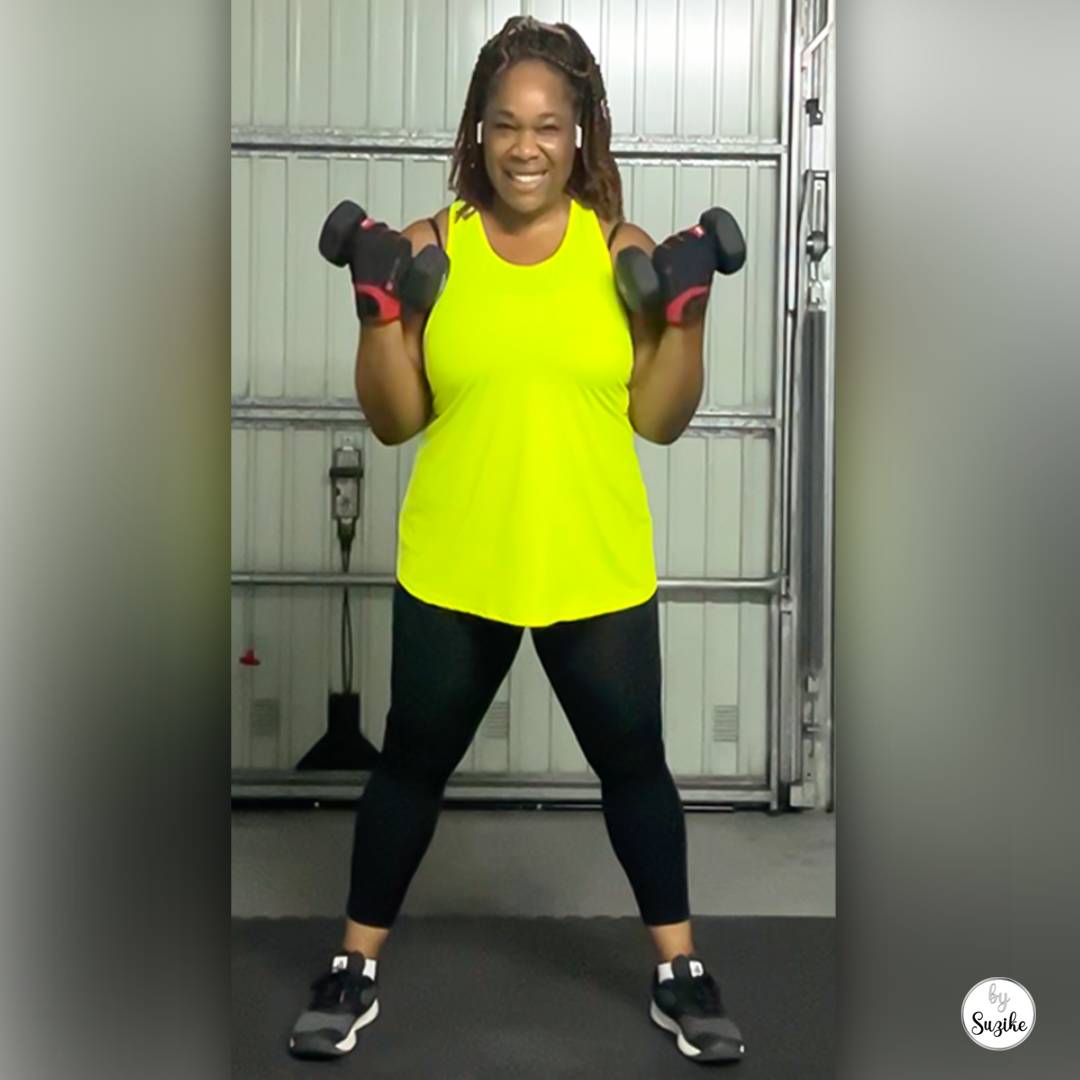
Here’s a quick look at what an upper body dumbbell session can feel like in real life, especially when you want fast transitions.
Comfort and feel in your hands
Fixed dumbbells usually feel more balanced and consistent across all weights.
With some adjustable designs, the weight distribution can feel different, which is why some trainers say they take time to get used to.
If you are sensitive to grip, balance, or wrist comfort, this matters more than people expect.
Durability and safety: what to watch for
Fixed dumbbells win on durability because there is less that can fail.
For adjustables, durability depends heavily on design. This is where build quality, the locking mechanism, and how the dumbbells sit on the base matter most.
If you’re buying an adjustable system, do one simple thing: scan recent reviews for locking issues, rattling, or plates not seating properly. It protects your readers and protects your credibility.
Which one is better for your goals?
If your goal is fat loss
Fat loss comes from consistency and total weekly training volume, so the best dumbbells are the ones you will actually use week after week. If space is tight, adjustable dumbbells usually make it easier to train consistently at home because you are not fighting clutter. Fixed dumbbells can feel faster for circuits, which helps if you like higher pace workouts and short rests.
Best pick for most home setups: adjustable dumbbells, because they remove the space barrier and keep progression simple.
If your goal is strength and visible muscle
Progressive overload is the game. You need a clear way to increase load over time.
-
Adjustable dumbbells are great if they offer small increments and a weight range that matches your lifts.
-
Fixed dumbbells feel better when you are training heavier, doing rows, presses, and anything where balance and a solid feel matter.
Strength training matters because it helps build strength, support muscle mass, and improve everyday function over time. If you want a simple evidence-based overview, this guide on strength training is a useful reference.
Best pick: if you have space and you care about training feel, fixed dumbbells feel best. If you are building strength at home with limited space, adjustable dumbbells are the most practical way to progress.
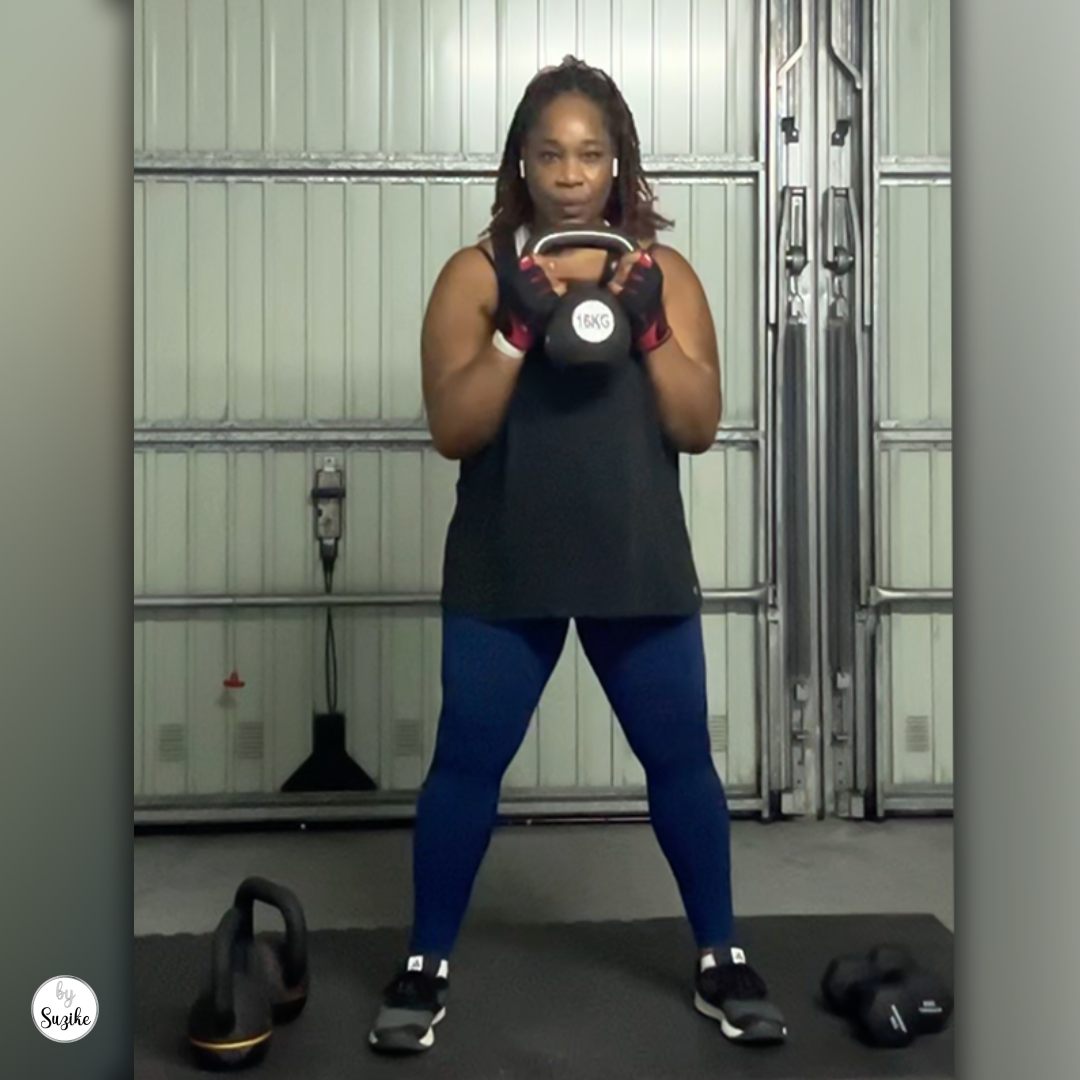
If your goal is strength at home and you want one tool that delivers full body results fast, here’s the best kettlebell for home workouts that I actually use.
If your goal is toning and shaping
Most women mean, I want to look tighter and more defined. That is still strength training, just with a slightly different focus. You will do moderate weights, good form, higher reps, and consistency.
Best pick: adjustable dumbbells, because you can match weights to each exercise without buying multiple pairs.
If your goal is rehab, joint friendly training, or getting back into it
The key is smaller load jumps and control. Adjustables can be perfect if they let you increase weight gradually. Fixed dumbbells are fine too, but you may end up needing several lighter pairs.
Best pick: adjustable dumbbells if the adjustment increments are small and the handles feel comfortable.
If your goal is menopause friendly training
The basics matter: strength training, consistency, and recovery. You want equipment that makes training easy to start and easy to maintain. The best setup is the one that reduces friction.
Best pick for most women at home: adjustable dumbbells, plus one fixed pair you love using for your most common weight.
The most realistic answer for many home gyms
A lot of people end up with a hybrid setup: an adjustable set for most weights, plus one or two pairs of fixed dumbbells for the weights they use constantly.
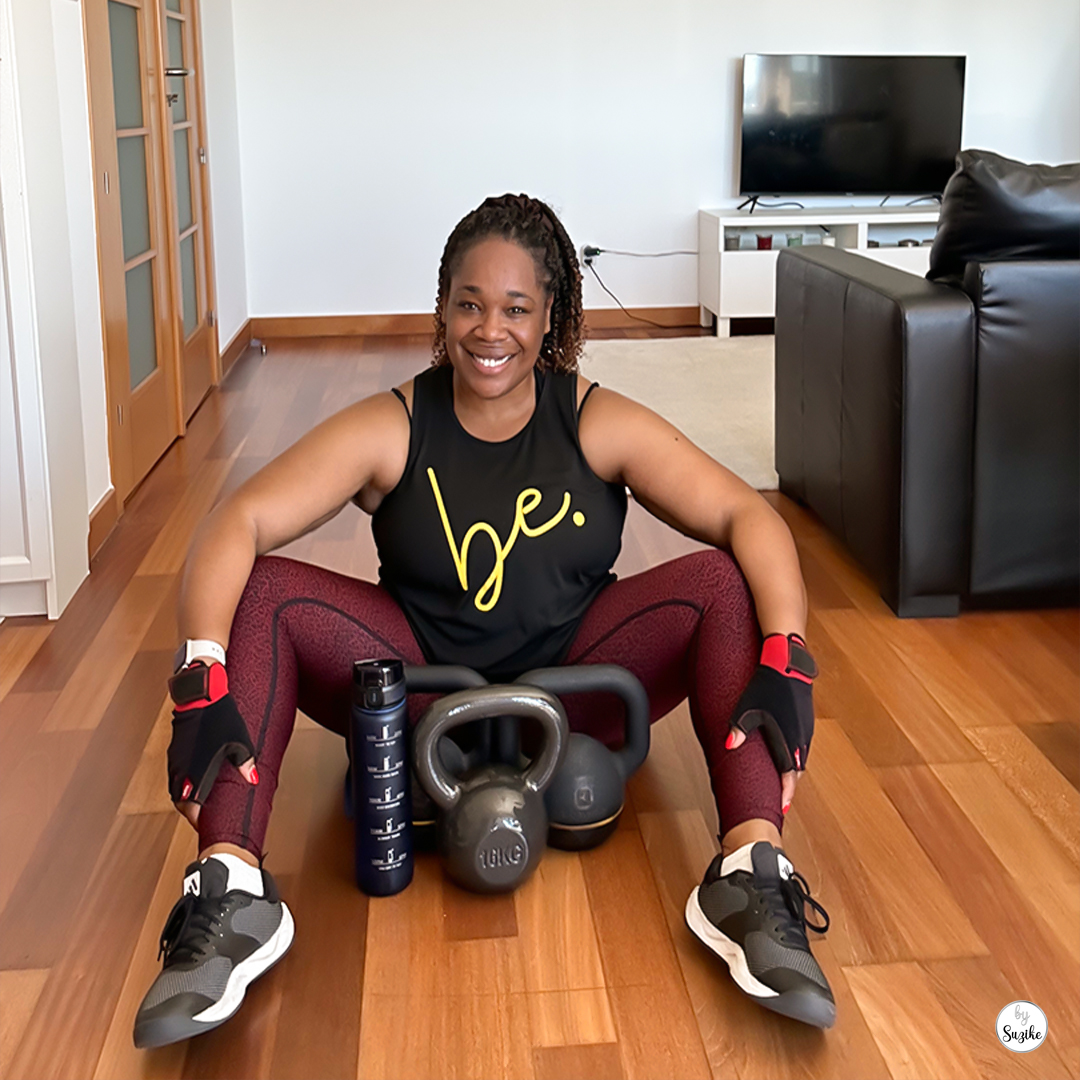
A realistic example: I train at home with a simple pair of dumbbells, and it works, but it also shows the limitation fast. Once you get stronger, lower body moves and stronger upper body exercises outgrow one pair quickly. That is where an adjustable set starts making sense, because it gives you a clean progression path without turning your space into a rack of pairs.
My recommended setup by budget tier
Budget option (spin lock + plates)
If you want the most affordable way to build real strength at home, a spin lock adjustable set with plates is usually the best value. It is simple, effective, and lets you progress without buying multiple pairs.
What to check before buying:
- Max weight per dumbbell
- Collar type and how secure it feels
- Plate material
- Handle length
Best for: structured strength workouts with planned rest, where changing plates is not a deal breaker.
Mid range option (quick adjust)
For most home gyms, the sweet spot is a quick adjust system that changes weight fast and stores neatly. This is the tier where adjustable dumbbells start feeling convenient, not like a compromise.
What to check before buying:
- Weight increments, especially at lighter loads
- Mechanism type and how smooth it feels
- Signs of rattle or wobble in user reviews
- Warranty information
- Replacement parts availability
Best for: busy home training, full body workouts, and anyone who wants progression without clutter.
Premium option (heavy duty, mostly metal)
If you want the closest feel to fixed dumbbells without owning a full rack, look for a heavy duty, mostly metal adjustable system. This is the tier where build quality matters most, especially as you lift heavier.
What to check before buying:
- Materials and overall construction
- Stability on the base
- Drop tolerance information
- Total footprint
- Brand support and warranty clarity
Best for: heavier training and anyone who wants a long term investment feel.
My recommended setup for most home gyms
Most people get the best results with one of these three setups. The right choice depends on space, training style, and how you like your workouts to feel.
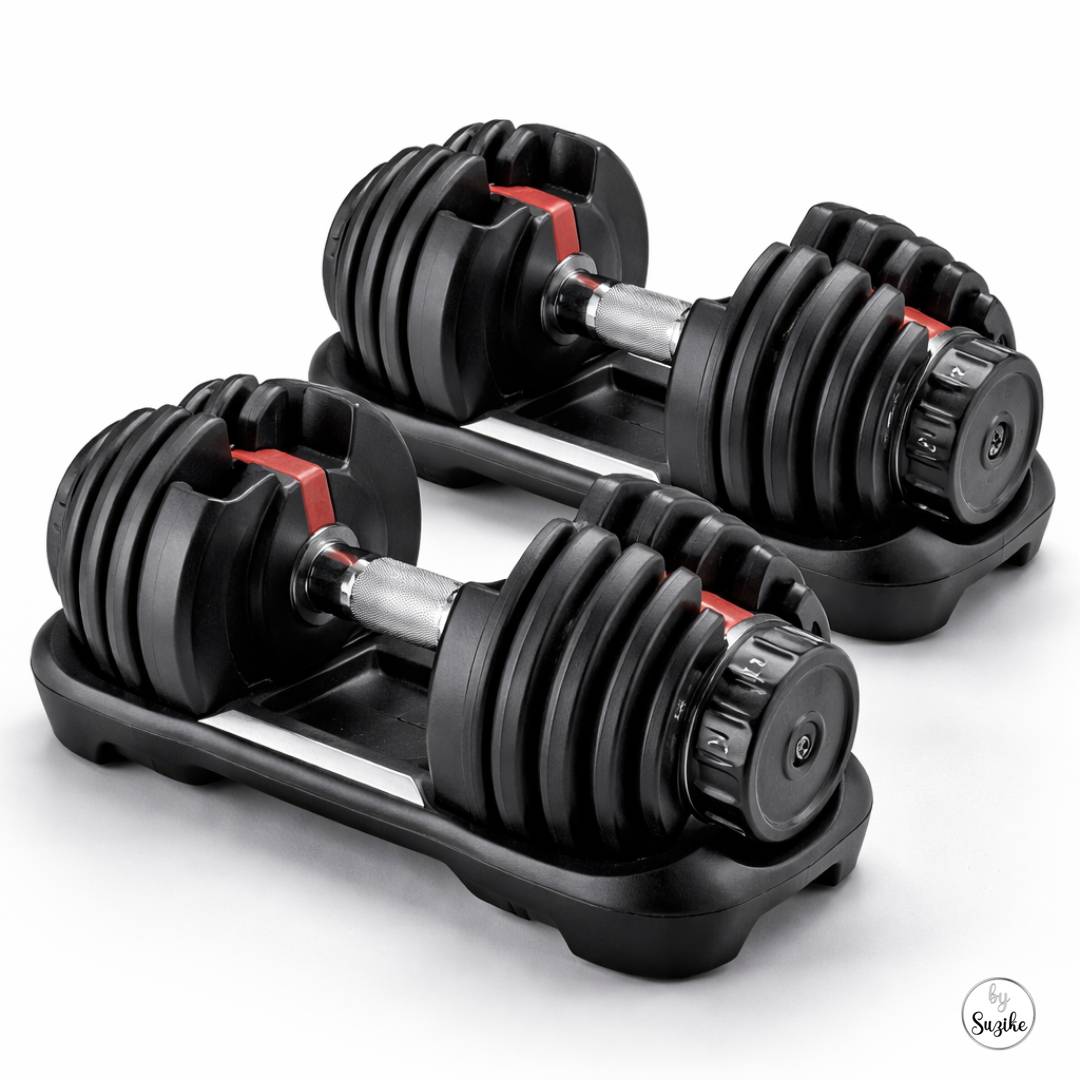
Option 1: Adjustable dumbbells only (best for small spaces)
This is the most practical home gym choice for most people. You get progression, variety, and minimal clutter. If you want to train consistently without turning your home into a storage room, start here.
Option 2: Fixed dumbbells only (best workout flow)
If you care about speed, supersets, drop sets, and grabbing weights instantly, fixed dumbbells feel better every session. This setup works best when you have enough space for multiple pairs and a rack.
Option 3: Hybrid setup (best overall experience for many people)
This is the sweet spot. Use adjustable dumbbells for progression and heavier work. Add one or two fixed pairs for the weights you use constantly and for fast workout formats. You get the convenience of adjustable plus the flow and feel of fixed where it matters most.
Bottom line: if space is tight, adjustable dumbbells are usually the smartest first buy. If you want the best training feel and you have room, fixed dumbbells are hard to beat. If you want both, hybrid is the long term setup that covers almost every home gym scenario.
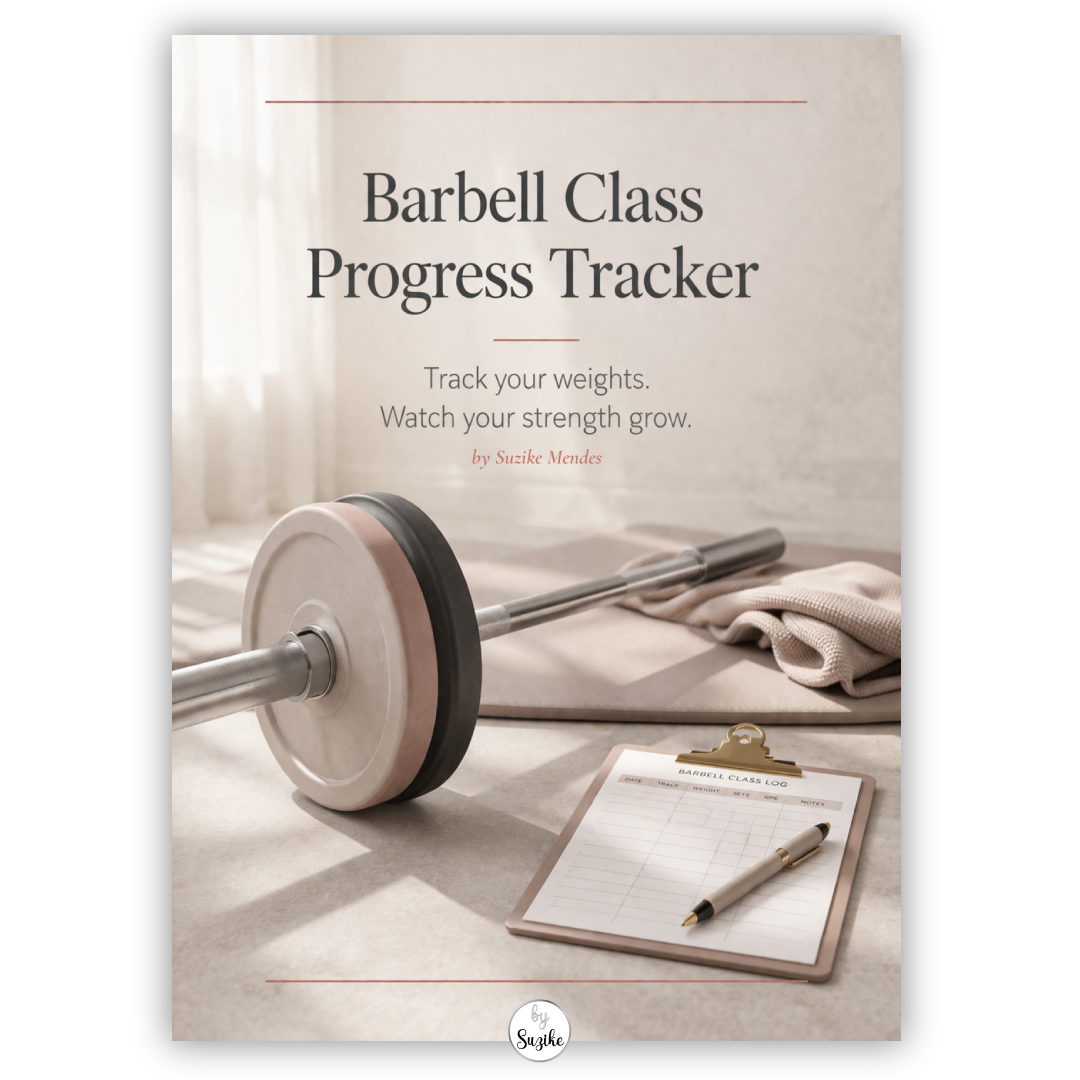
If you also train with a barbell, I created a simple tracker to log weights, stay consistent, and actually see your progress over time.
You can find it here: Barbell Class Progress Tracker for Women 40+.
FAQ
Are adjustable dumbbells safe?
They can be, but safety depends on the locking mechanism and build quality. Choose reputable brands, follow the instructions, and regularly check that plates are fully locked before lifting. Avoid buying used dial-style systems without checking the exact model and recall history.
Do adjustable dumbbells break more easily than fixed dumbbells?
Will dumbbells damage my floors?
What weight range is enough for women training at home?
Are adjustable dumbbells good for BodyPump style training?
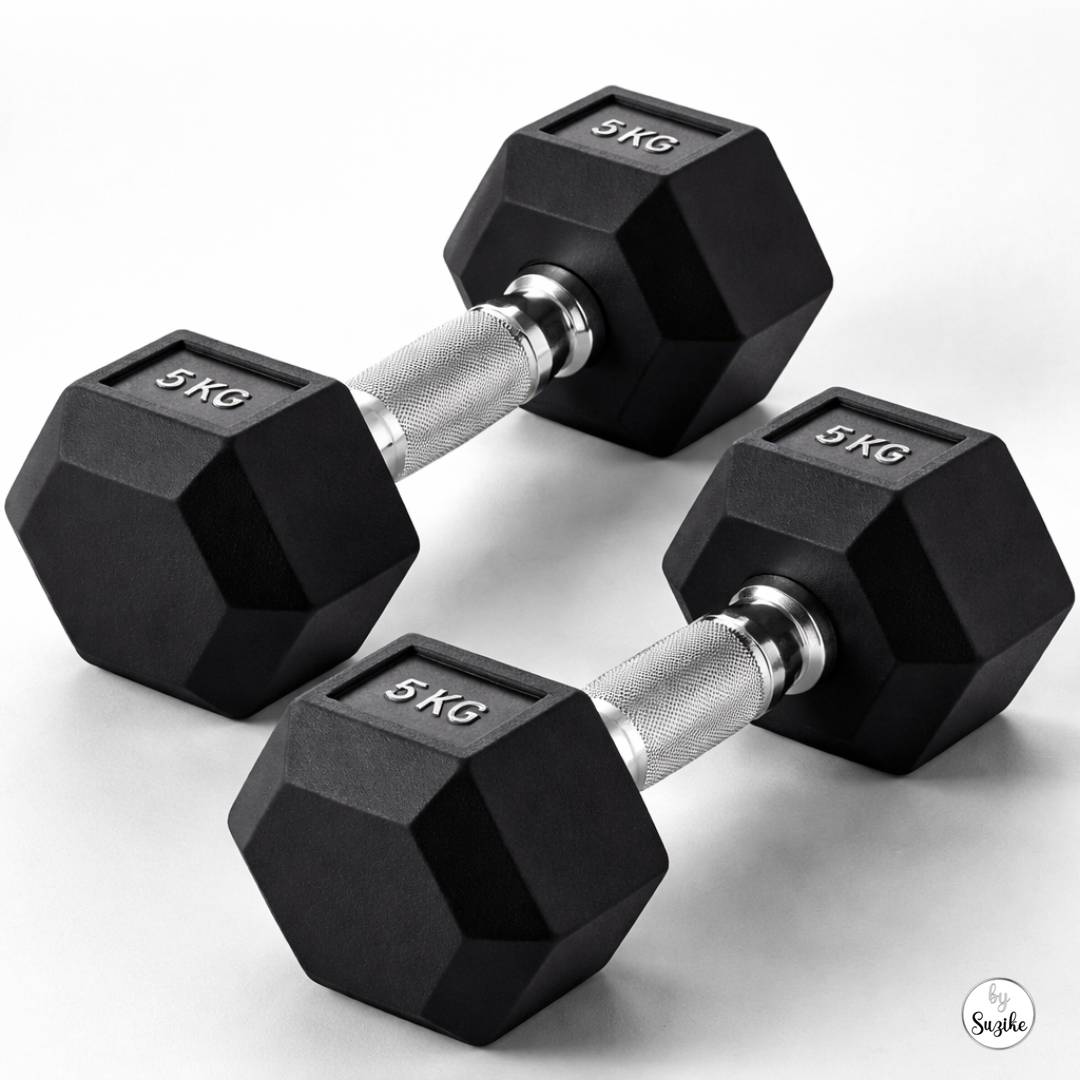
Should I get fixed dumbbells if I already own a pair like 5 kg?
Quick recap
If you want one purchase that saves space and still lets you progress, adjustable dumbbells are usually the smartest home gym move. If you love fast workouts and zero interruptions, fixed dumbbells feel better every session. Choose the setup that matches how you actually train, because consistency matters more than perfect equipment.