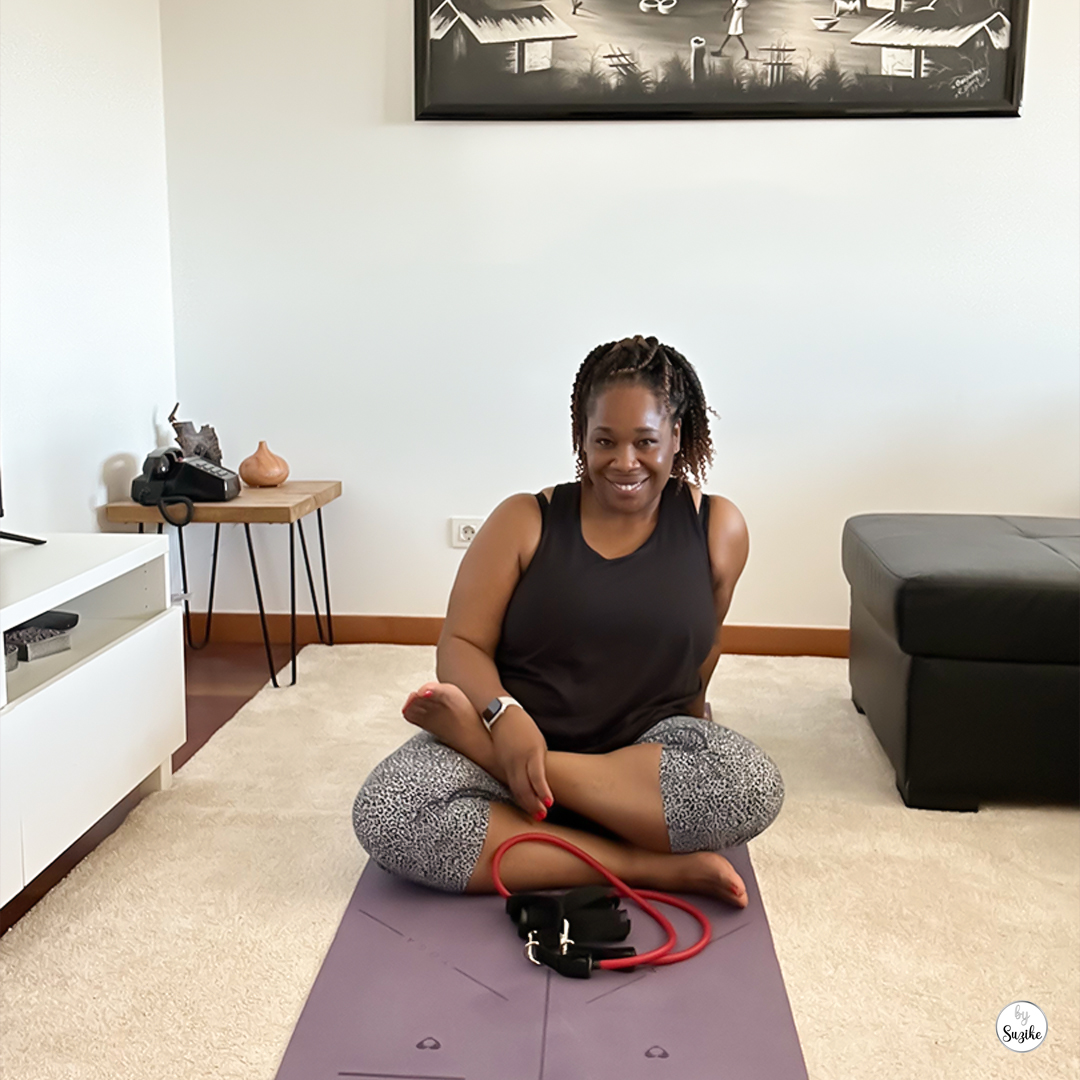
A good set of resistance bands can make home workouts more practical, more flexible, and much easier to repeat.
When you train at home, you do not always have access to machines, heavy weights, or a full gym setup. You need equipment that is simple, light, easy to store, and useful for different types of movement. That is where resistance bands can become one of the most useful pieces of home fitness equipment.
For me, resistance bands are part of my home routine because they work for warm-ups, mobility, strength exercises, recovery work, and even short sessions when I do not have time for a full workout. They are small, but they can add a lot of value to a simple home fitness setup.
This is especially useful after 40, when consistency, joint-friendly movement, muscle activation, and recovery matter more. You do not need a complicated home gym to train well at home. Sometimes, a mat, a pair of dumbbells or kettlebells, and a good set of resistance bands are enough to make your workouts feel more structured and effective.
Why Resistance Bands Matter at Home
Resistance bands are useful because they make home workouts more adaptable.
You can use them when you want to add resistance without using heavy weights. You can use them for warm-ups before strength training. You can use them for mobility work, glute activation, shoulder stability, stretching support, and low-impact strength sessions.
They also work well when you have limited space.
At home, this matters. You may not have a full training room. You may be working out in a living room, bedroom, garage, or small corner of the house. Resistance bands are easy to keep nearby, easy to use, and easy to include in different types of sessions.
That makes them practical.
And when equipment is practical, you are more likely to use it.
Resistance Bands Help You Add Intensity Without Heavy Equipment
One of the main reasons resistance bands are useful is that they add intensity without taking over your space.
You can make simple exercises feel more challenging by adding a band. Bodyweight movements, glute work, arm exercises, core movements, and mobility drills can all feel different when resistance is added.
This is useful if you are building strength at home but do not want to rely only on heavy weights.
Resistance bands can help with exercises like:
- Glute bridges
- Squats
- Side steps
- Standing leg work
- Shoulder activation
- Arm exercises
- Core control
- Mobility drills
- Stretching support
- Warm-ups before strength training
They are especially useful for small, controlled movements where you want to feel the muscle working without needing a machine or a large setup.
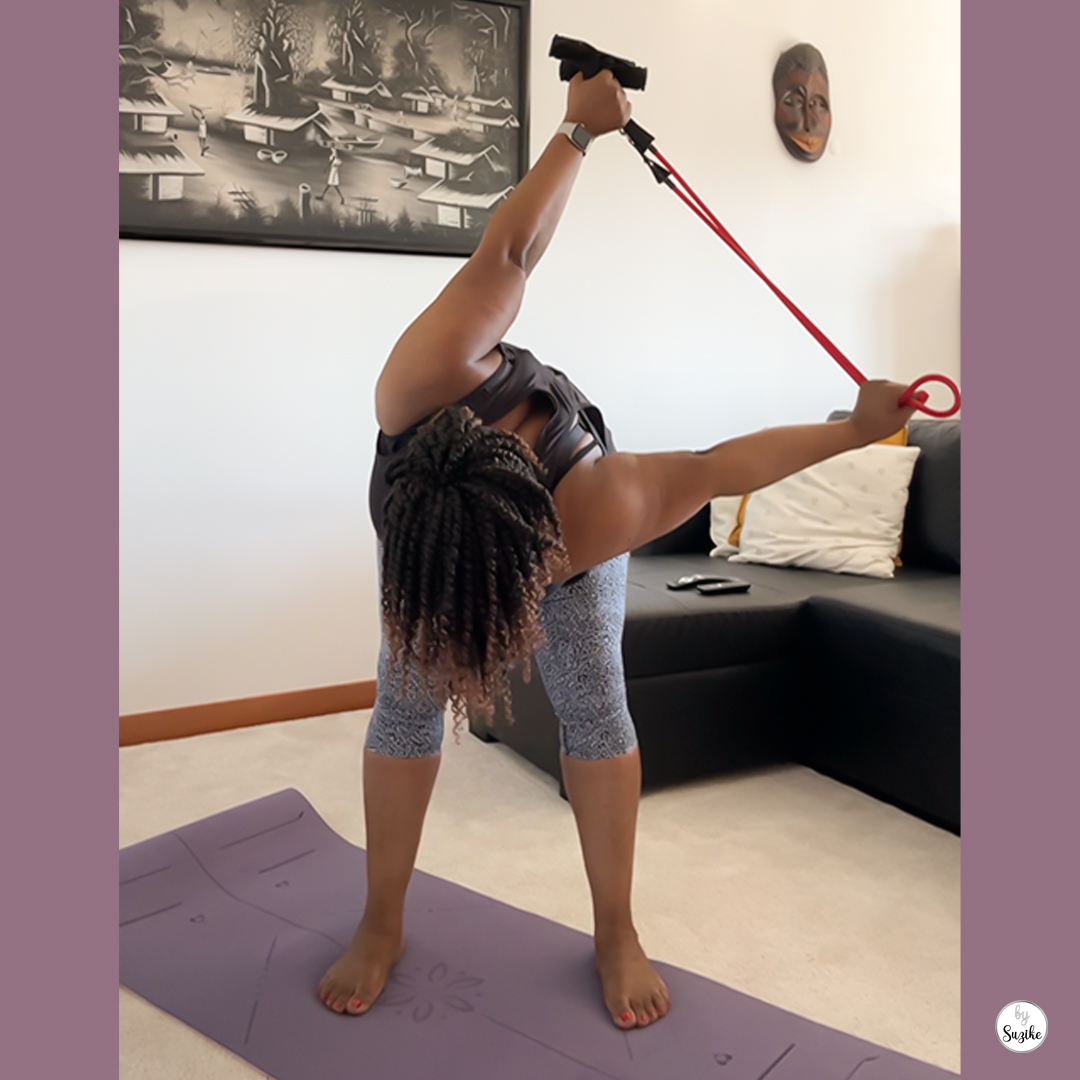
They Are Useful for Warm-Ups and Muscle Activation
Resistance bands are not only useful during the main workout. They can also be very helpful before the workout starts.
I use them for warm-ups when I want to activate my body before strength training, kettlebell work, or a home fitness session. A few simple band movements can help wake up the glutes, shoulders, hips, and core before moving into harder exercises.
This can make the session feel more controlled.
For women over 40, warm-ups become more important. The body often needs a little more preparation before stronger movement. Resistance bands can make that preparation simple and effective without requiring much time.
Even a short warm-up with a band can help you feel more connected to the muscles you are about to use.
Resistance Bands Can Support Mobility and Recovery
Another reason I like resistance bands is that they are not only for strength.
They can also support mobility, stretching, and recovery work. You can use them to assist certain stretches, create gentle resistance, or help guide movement when your body feels stiff.
This is useful on lighter training days, after walking, after running, after a class, or when you want to move without doing anything too intense.
A resistance band can help you slow down and work with more control. That makes it useful for recovery days, especially when you want movement but your body is not asking for a hard workout.
This is where resistance bands fit well into a realistic home fitness routine. They are useful for strong days and lighter days.
Watch It In Action.
They Make Short Home Workouts More Effective
Some days, there is no time for a long workout.
That is where resistance bands can be very useful. You can create a short home workout with just a few movements and still feel that your body worked.
For example, you can use bands for a quick lower-body session, a short arm workout, a glute activation routine, a core finisher, or a mobility session. You do not need to set up a lot of equipment. You do not need to move furniture around. You just need the band and enough space to move safely.
This is important because consistency often comes from sessions that are easy to start.
If a workout takes too much preparation, it becomes easier to skip. Resistance bands reduce that barrier.
How I Use Resistance Bands at Home
I use resistance bands in different ways, depending on the type of workout I am doing.
Sometimes I use them before kettlebell training to activate my glutes and hips. Sometimes I use them for extra resistance during bodyweight exercises. Sometimes I use them for stretching, mobility, or recovery work when I want something gentler.
They are also useful when I want to make a short workout feel more focused. If I only have a few minutes, adding a band can make simple movements feel more intentional.
For me, the value of resistance bands is their flexibility. They do not replace every other piece of equipment, but they make home workouts easier to adapt.
That matters when you are trying to stay consistent.
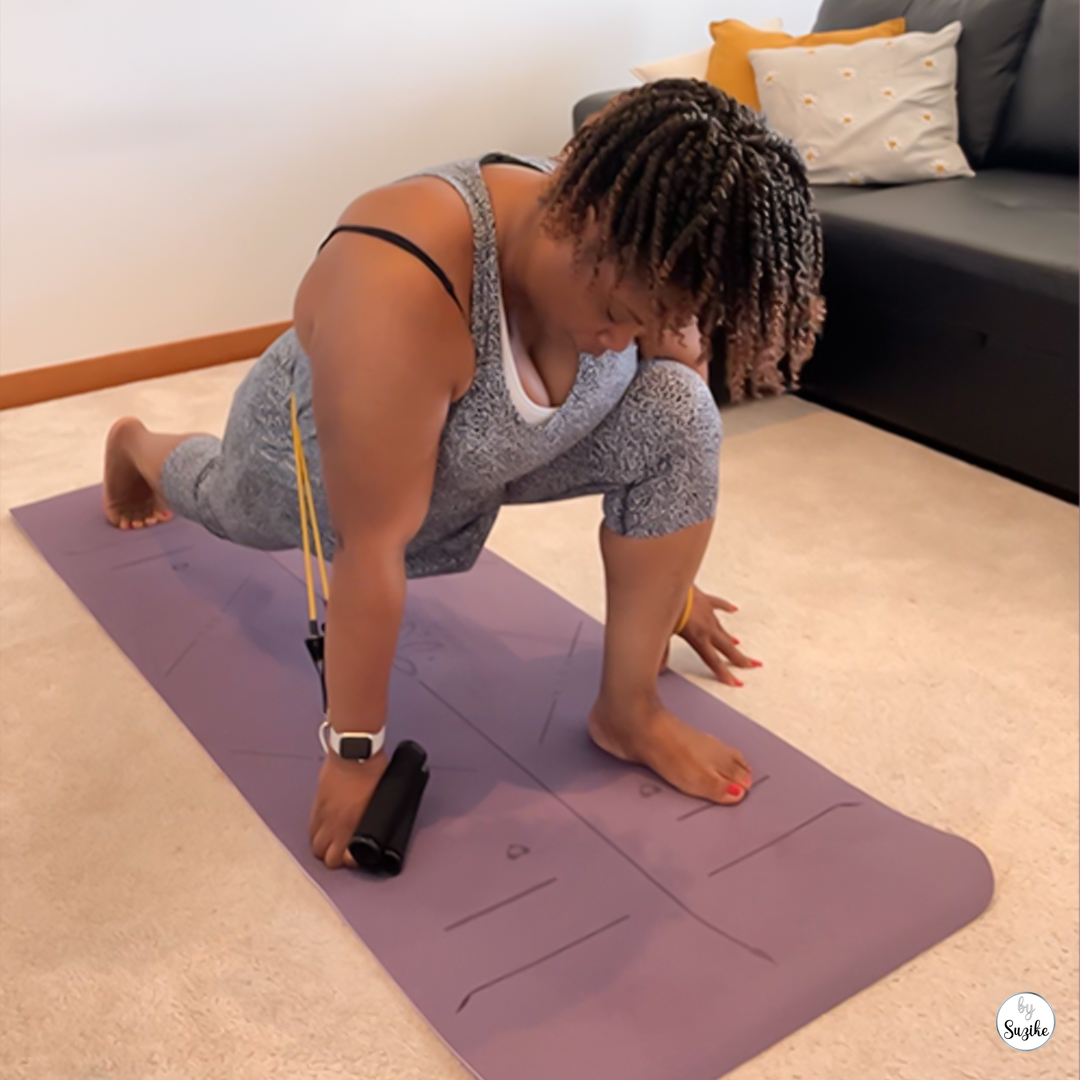
What to Look for in Good Resistance Bands
Resistance bands do not need to be complicated, but they do need to be comfortable, durable, and suitable for the way you train.
These are the things I would pay attention to.
1. Different Resistance Levels
A good set should offer more than one resistance level.
You may need a lighter band for warm-ups, mobility, arms, or shoulder work. You may need a stronger band for glutes, legs, and lower-body exercises.
Having different resistance levels makes the bands more useful because your body does not need the same resistance for every movement.
2. Comfort
Comfort matters, especially if you use bands around your thighs, ankles, hands, or arms.
Some bands roll, pinch, or dig into the skin. That can make the workout frustrating. If the band feels uncomfortable, you are less likely to use it often.
A good band should feel secure enough to work, but comfortable enough to keep using.
3. Grip and Stability
A resistance band should stay in place as much as possible.
If it keeps rolling, sliding, or twisting, it distracts you from the exercise. You start adjusting the band instead of focusing on the movement.
For home workouts, this matters because you want equipment that supports the session, especially when training alone.
4. Durability
Resistance bands need to handle repeated stretching.
If a band loses resistance quickly, stretches out too much, or feels like it could snap, it becomes unreliable. Durability is important if you plan to use the bands several times a week.
A good set should feel strong enough for regular use.
5. Easy Storage
One of the best things about resistance bands is how easy they are to store.
They can fit in a drawer, basket, gym bag, shelf, or small home gym corner. This makes them ideal for people who want practical equipment without clutter.
If your equipment is easy to reach, you are more likely to use it.
6. Versatility
A good set of bands should work for different types of movement.
You should be able to use them for strength, warm-ups, mobility, stretching, activation, recovery, and short home workouts. The more ways you can use them, the more valuable they become in your routine.
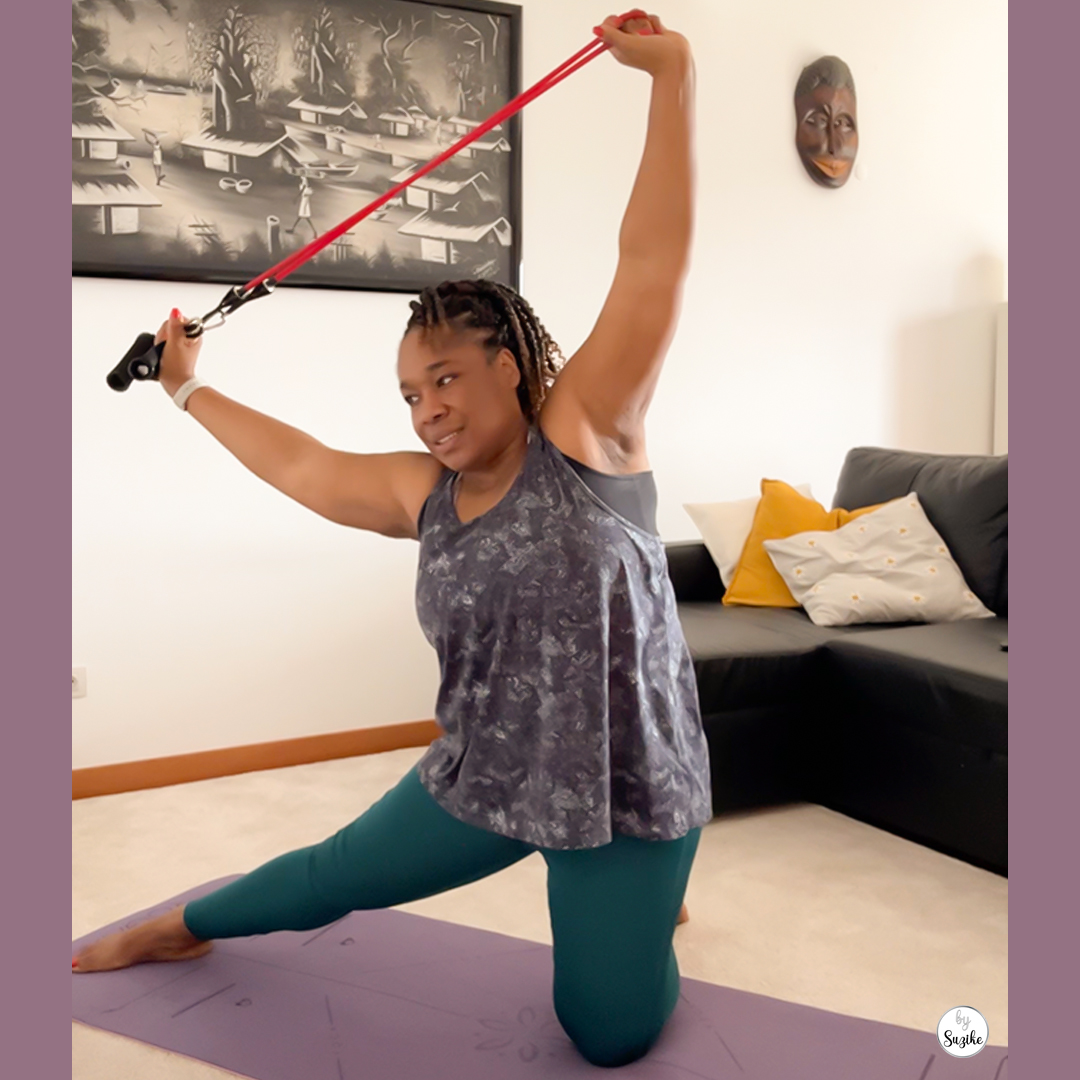
When Resistance Bands Are Especially Useful
Resistance bands are especially useful if you train at home and want equipment that does not require much space.
They are a good option for:
- Home workouts
- Warm-ups
- Glute activation
- Mobility work
- Low-impact strength training
- Recovery sessions
- Travel workouts
- Outdoor workouts
- Short workouts
- Extra resistance without heavy weights
They are also useful if you are building a simple home fitness setup and want equipment that can support different types of training.
When Resistance Bands Are Not Enough
Resistance bands are useful, but they have limits.
If your goal is heavy strength training, progressive overload with heavier loads, or building a complete strength programme, resistance bands may not be enough on their own. They can support your training, but they may not replace dumbbells, kettlebells, barbells, machines, or heavier equipment.
They are also not ideal for every exercise. Some movements feel better with weights. Some exercises require more stability. Some strength goals need more measurable load.
This does not make resistance bands less useful. It simply means they work best as part of a realistic home fitness setup.
For me, they are a strong support tool. They add resistance, variety, and control, especially when combined with other types of training.
Resistance Bands Can Help You Stay Consistent
One of the biggest benefits of resistance bands is that they make movement easier to start.
You do not need a lot of space. You do not need a long setup. You do not need a full workout plan every time.
You can pick up a band and do a few focused exercises.
That can be a five-minute warm-up. It can be a short glute session. It can be mobility before strength training. It can be recovery work after a walk. It can be a quick workout on a busy day.
This is why resistance bands can help with consistency. They make training feel accessible.
And for home fitness, accessibility matters.
Are Resistance Bands Worth It for Home Workouts?
Yes, if you want simple equipment that can support different types of movement.
Resistance bands are one of the most practical pieces of home fitness equipment because they are small, versatile, affordable, and easy to use. They can support strength work, warm-ups, mobility, stretching, activation, recovery, and short workouts.
For women over 40, I think they are especially useful because they allow you to train with control. You can add resistance without always needing heavy weights, and you can use them on both stronger and lighter training days.
You do not need a large home gym to benefit from resistance bands. You need a set that feels comfortable, reliable, and useful for your routine.
That is where they make sense.
Related Home Fitness Resources
If you are building a simple home fitness routine, you may also find these helpful:
- Why a Good Yoga Mat Matters for Home Workouts
- 12 kg or 16 kg kettlebell: which one should you buy first?
- Adjustable Dumbbells vs Fixed Dumbbells: Which Is Better for a Home Gym?
Final Thoughts
Resistance bands may look simple, but they can be one of the most useful tools in a home workout routine.
They help you add resistance. They support warm-ups. They make mobility and recovery easier. They work in small spaces. They are easy to store. They make short sessions feel more intentional.
If you are training at home and want equipment that is practical, flexible, and easy to use regularly, resistance bands are worth considering.
For me, they are one of those pieces of equipment that quietly fit into many different workouts. They do not need much space, they do not require a complicated setup, and they help me keep moving even when I want something simple.
That is exactly the kind of equipment that works well in a realistic home fitness routine.