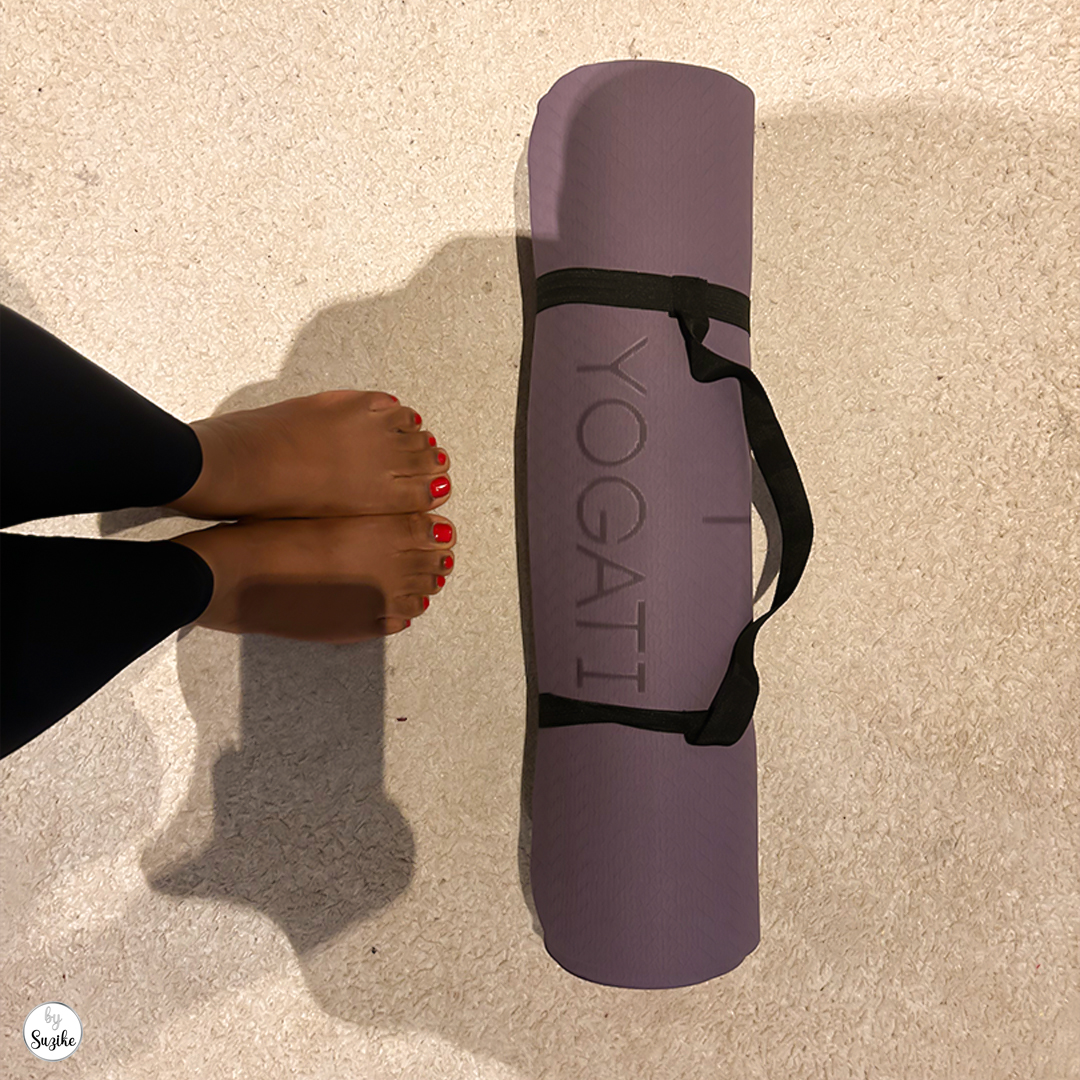
A good yoga mat for home workouts can make a bigger difference than many people expect.
When you train at home, your mat becomes more than something you roll out on the floor. It becomes your base for stretching, mobility, warm-ups, recovery work, floor exercises, low-impact strength sessions, and those quiet moments when you just need to reconnect with your body.
For me, a yoga mat is one of the simplest pieces of fitness equipment I own, but it is also one of the pieces I use the most. I use my mat almost every day, whether I am doing a short stretch, a Body Balance-style session, mobility before strength training, recovery work after walking, or just trying to move my body when I do not have time for a full workout.
Before thinking about a full home gym, heavier equipment, or complicated routines, having a mat that feels comfortable, stable, and easy to use can make home training feel much more realistic.
This is especially true after 40, when comfort, consistency, joint support, and recovery start to matter more. You do not need a perfect fitness setup to start moving at home, but having a good surface under your body can change the way you experience your workouts.
Why a Good Yoga Mat Matters at Home
When you work out at home, the floor is not always ideal.
Wooden floors can feel too hard. Tiles can feel cold. Carpet can move too much or make balance work feel unstable. If you are doing stretching, mobility, Pilates-style exercises, yoga-inspired flows, core work, or recovery sessions, the surface underneath you matters.
A good yoga mat gives you a defined place to train. It creates a simple boundary between daily life and workout time. You unroll the mat, step onto it, and your body understands that this is your space to move.
That may sound simple, but for home workouts, that kind of mental signal helps. Training at home already comes with distractions. There is laundry, family, noise, work, meals, and a hundred other things competing for your attention. A mat helps create a small but clear workout zone.
You do not need a large room. You do not need a perfect home gym. Sometimes, all you need is enough space to roll out your mat and begin.
Comfort Makes Home Workouts Easier to Repeat
Comfort is not a luxury when you train at home. It affects consistency.
If your knees hurt every time you kneel, you will avoid certain exercises. If your wrists feel uncomfortable during floor work, you will cut the session short. If lying on the floor feels unpleasant, you will be less likely to stretch, recover, or do mobility work regularly.
A good mat does not need to be extremely thick, but it should give enough cushioning to make floor exercises feel manageable.
This matters for exercises like:
- Kneeling stretches
- Child’s pose
- Seated stretches
- Hip mobility work
- Core exercises
- Glute bridges
- Pilates-style floor work
- Relaxation and recovery sessions
For women over 40, this becomes even more important. The goal is not to make everything soft. The goal is to make movement sustainable.
A mat that gives a little support can help you stay longer in stretches, move with more control, and return to your workouts more often.
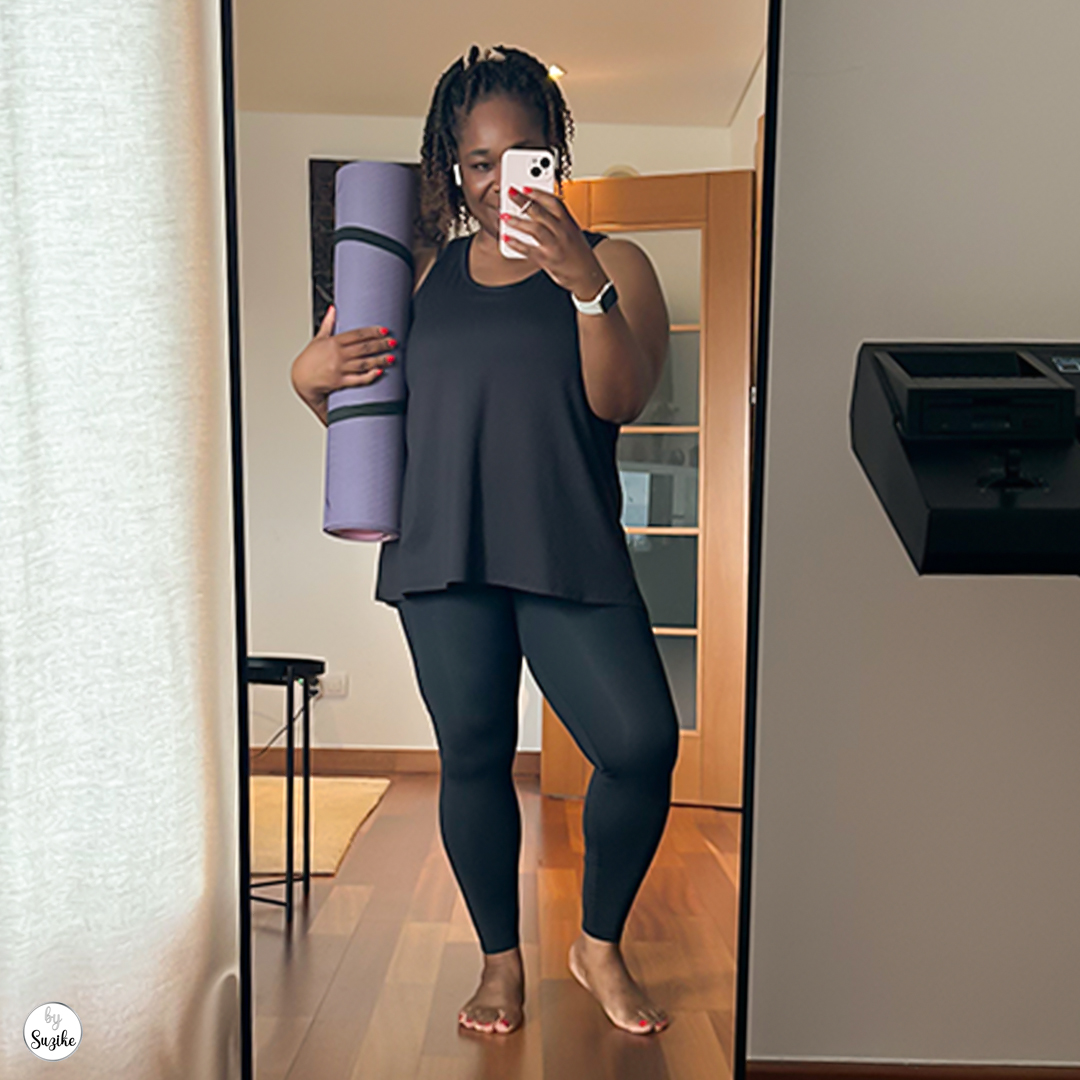
Grip Helps You Feel More Stable
Grip is one of those things you only notice when it is missing.
If your hands slide forward during a stretch, if your feet move when you are holding a position, or if the mat shifts under you, the whole workout feels less controlled. You start thinking about the mat instead of focusing on your body.
That is the opposite of what you want.
A good yoga mat should help you feel grounded. It should give you enough traction for movements where your hands and feet need to stay in place. This is useful not only for yoga, but also for mobility work, stretching, warm-ups, low-impact strength training, and recovery flows.
For home workouts, this stability matters because you are often training alone. There is no instructor in the room correcting your position. The equipment you use needs to support the session, not make it harder.
A mat with decent grip helps you move with more confidence.
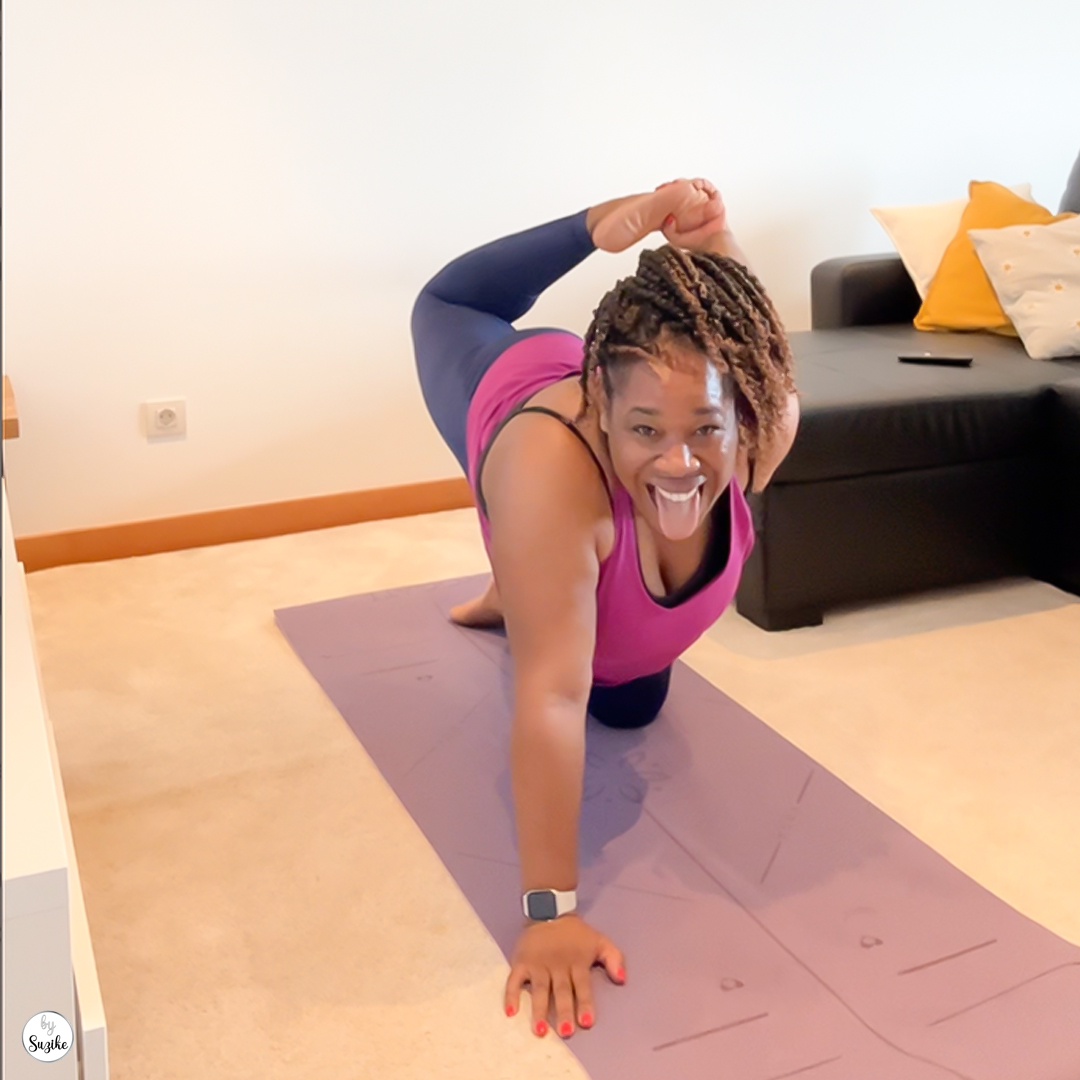
A Yoga Mat Creates a Clear Training Space
One of the biggest challenges with home workouts is the lack of separation between normal life and training time.
At the gym, the environment does part of the work for you. You enter the space, see the equipment, hear the music, and your mind switches into training mode.
At home, you have to create that switch yourself.
A yoga mat helps with that.
When I roll out my mat, I know exactly where my workout begins. Even if the session is short, the space feels intentional. It is no longer just the living room, bedroom, or corner of the house. It becomes my training space.
This is why a mat can be useful even if you are not doing traditional yoga. It creates structure.
You can use it for:
- Morning mobility
- Gentle stretching
- Home strength warm-ups
- Low-impact workouts
- Core sessions
- Recovery after walking
- Recovery after running
- Body Balance-style sessions
- Stretching after kettlebell training
- Relaxation at the end of the day
The mat becomes a visual reminder that movement is part of your routine.
How I Use My Yoga Mat at Home
I use my yoga mat for much more than yoga.
It is part of my home fitness routine because so many workouts start or end on the floor. Even when the main session is not mat-based, the mat still has a place.
I use it for warm-ups before strength training, especially when I need to wake up my hips, back, shoulders, and core. I use it for stretching after walks or home workouts. I use it for mobility work when my body feels stiff. I use it for recovery sessions when I want movement without intensity.
It is also useful for Body Balance-style workouts, stretching videos, gentle flows, breathing, and simple floor exercises.
For me, the value of a yoga mat is not that it makes a workout look aesthetic. The value is that it makes the workout easier to start and easier to repeat.
That matters. The best fitness routine is the one you can actually return to.
What to Look for in a Good Yoga Mat
A good yoga mat does not need to be expensive, trendy, or beautiful. It needs to work for your body and your routine.
These are the things I would pay attention to.
1. Comfort
The mat should feel comfortable enough for your knees, wrists, hips, and back. If you do a lot of floor exercises, comfort is one of the first things you will notice.
A very thin mat may be easy to roll up, but it can feel harsh on hard floors. A very thick mat may feel comfortable, but it can sometimes make balance work less stable.
The right choice depends on how you train.
2. Grip
Grip matters for safety and confidence.
If you do stretching, mobility, yoga-inspired movements, or plank variations, your hands and feet need to feel steady. A mat that becomes slippery too quickly can make the session frustrating.
This is especially important if you sweat easily or train in a warm room.
3. Stability
A mat should stay reasonably flat on the floor. If it curls, bunches, or moves too much, it becomes distracting.
For home workouts, stability is important because many people train in small spaces. You want the mat to help you feel secure, not make you adjust it every few minutes.
4. Size
Make sure the mat gives you enough space to move.
If you are taller, or if you use the mat for full-body stretching, a slightly longer mat may feel more comfortable. For basic floor work, a standard size may be enough.
The key question is simple: can you lie down, stretch, and move without constantly feeling limited?
5. Durability
A good mat should handle regular use.
If you are using it several times a week, it needs to cope with rolling, unrolling, stretching, shoes nearby, light equipment, and repeated movement. You do not want a mat that starts peeling, flaking, or losing shape too quickly.
Durability matters more when the mat becomes part of your daily routine.
6. Easy Cleaning
Home workout equipment needs to be easy to maintain.
A yoga mat should be simple to wipe down after use, especially if you sweat on it or use it for intense sessions. If cleaning it feels complicated, you are less likely to do it regularly.
Simple is better.
7. Easy Storage
If you train at home, space matters.
A mat that rolls up easily and can be stored in a corner, basket, wardrobe, or home gym area is more practical. The easier it is to access, the more likely you are to use it.
Equipment that is hidden too far away often gets forgotten.
When a Yoga Mat Is Not Enough
A yoga mat is useful, but it is not designed for everything.
It is not the same as proper gym flooring. If you are lifting heavy weights, dropping equipment, doing intense jumping workouts, or using heavy machines, a yoga mat will not give the same protection as proper floor mats.
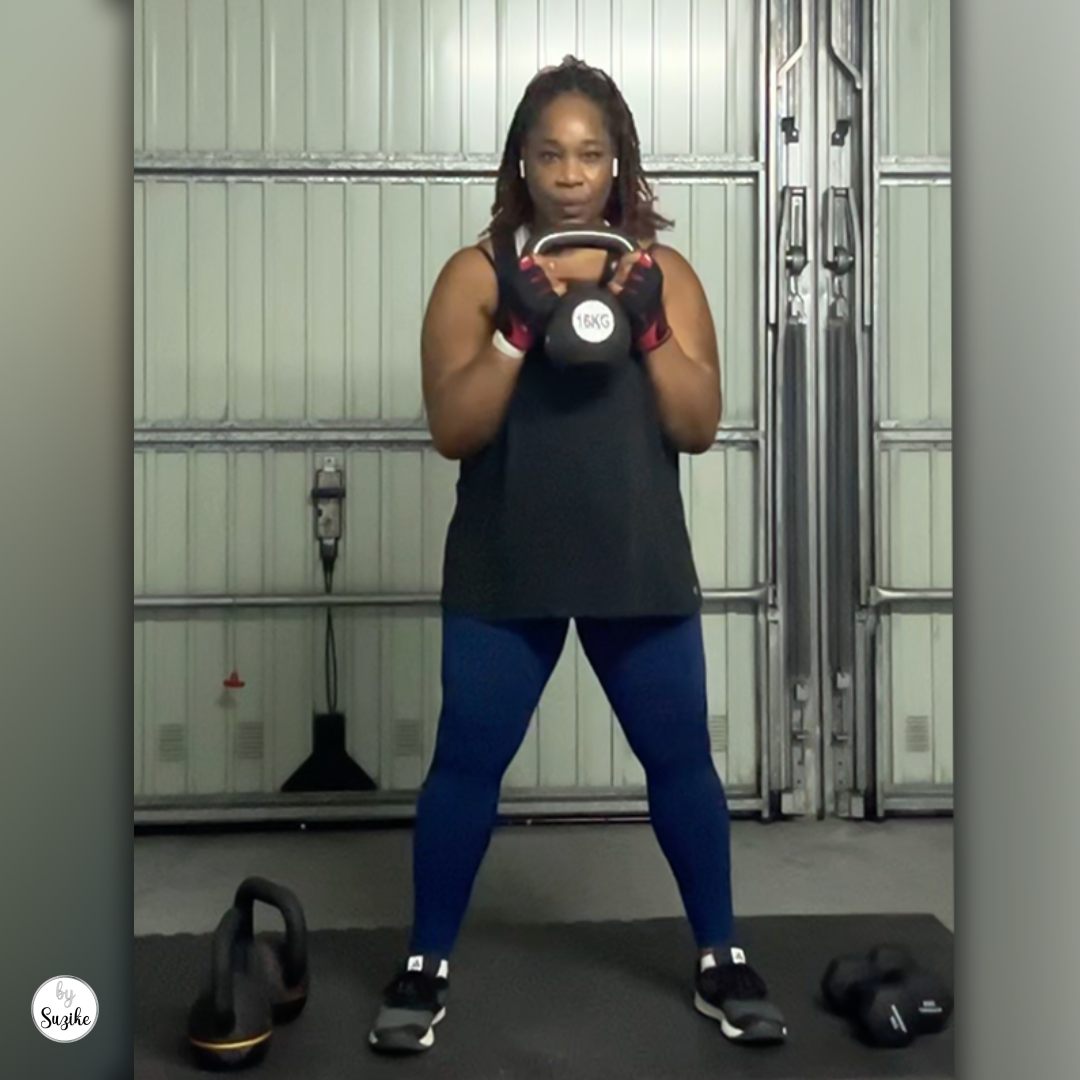
For kettlebell work, for example, I would not treat a yoga mat as floor protection. It can be useful for warm-ups, stretching, mobility, and recovery, but heavier strength work may need a more suitable surface.
This distinction matters because home fitness should be practical, but it should also be sensible.
A yoga mat is a strong starting point. It is not a complete home gym floor.
A Good Mat Can Help You Stay Consistent
One of the reasons I think a good yoga mat matters is because it lowers the resistance to starting.
You do not have to set up a lot of equipment. You do not have to prepare a complicated space. You do not have to wait for the perfect moment.
You roll out the mat and begin.
That can be a five-minute stretch. It can be a 20-minute mobility session. It can be a full home workout. It can be recovery after a walk. It can be gentle movement on a day when you do not have the energy for anything intense.
Consistency is often built through small decisions like this.
A mat makes movement accessible. It gives you a place to start, even on days when motivation is low.
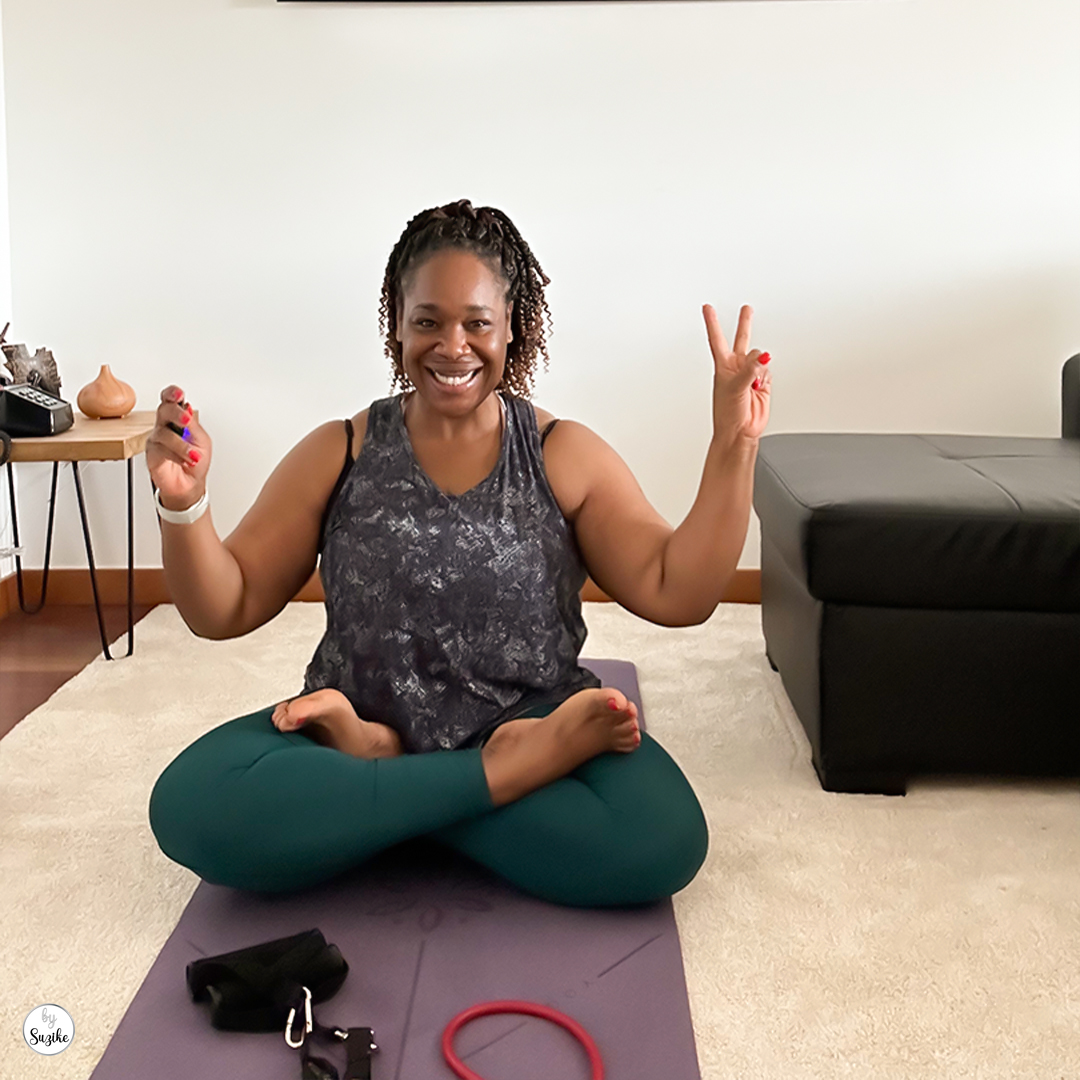
Is a Good Yoga Mat Worth It for Home Workouts?
Yes, if you train at home regularly.
A good yoga mat is one of the most useful pieces of basic home fitness equipment because it supports so many types of movement. It is not only for yoga. It can support stretching, mobility, recovery, warm-ups, floor exercises, low-impact workouts, and relaxation.
For women over 40, I think it becomes even more useful because comfort and consistency matter so much. You want your workouts to feel realistic enough to keep doing them.
You do not need the most expensive mat. You do not need the trendiest one. You need one that feels stable, comfortable, easy to clean, and easy to use often.
That is what makes the difference.
Related Home Fitness Resources
If you are building a simple home fitness routine, you may also find these helpful:
Final Thoughts
A good yoga mat may look like a simple piece of fitness equipment, but for home workouts, it can become the foundation of your routine.
It gives you comfort. It gives you grip. It gives you a defined space. It helps you start. It helps you return. It supports the quiet, consistent work that often matters more than the perfect workout plan.
If you are building a home fitness routine, starting with a good mat makes sense. It is simple, practical, and useful across many types of movement.
For me, it is one of those pieces of equipment that quietly earns its place because I use it again and again. And sometimes, that is exactly what good home fitness equipment should do.