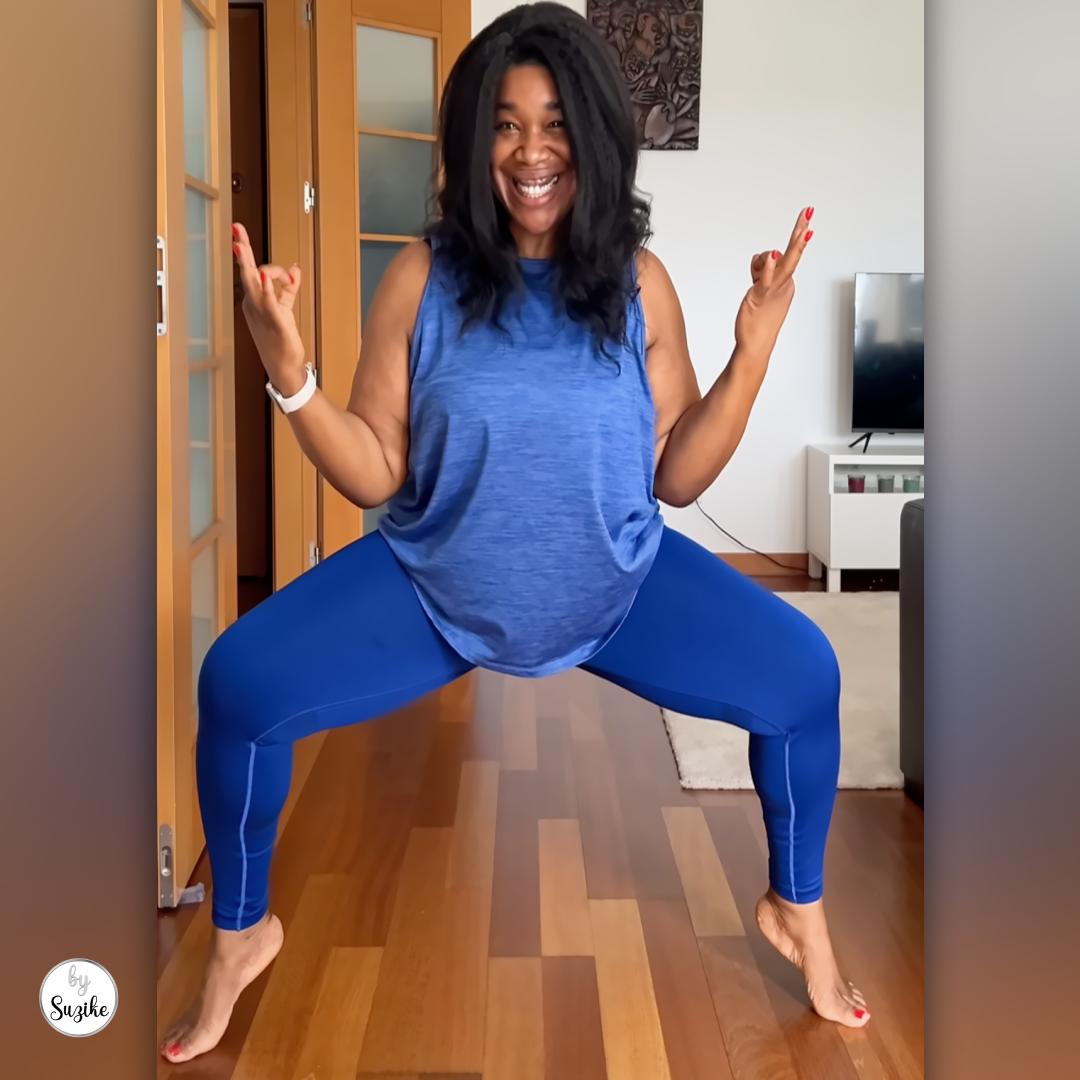
In this Pilates class review, I share what taking Pilates regularly, taught me about a class that looks calm and is anything but.
I first tried Pilates because my sister had been doing it for a while and kept telling me how good it was for overall health. Eventually, I decided to see for myself what all the fuss was about. A few classes later, I understood why she was such a fan. Pilates may look calm, but those slow, controlled movements can be far more demanding than they seem.
Quick Verdict
Pilates looked far gentler than it actually was. It is built around control rather than speed, and that control is exactly what makes it hard. I worked my core, glutes, back, balance and breathing in almost every class, and the exercises that looked simplest on paper were usually the ones that got me. It is beginner-friendly because instructors can offer easier and harder versions of the same move, but that does not make it easy for someone with more gym experience. It is one of the classes that taught me the most about my own body.
Class Snapshot
- Class type: Group Pilates class, mostly mat-based
- Duration in my experience: around 45 minutes
- Main focus I experienced: core control, posture, breathing, balance, glutes, back and controlled strength
- Equipment I used across different classes: mat, resistance bands and, in one class, a step
- Intensity: deceptively demanding. It looks calm from the outside, but I left sweating more often than not
- Beginner-friendly: yes, especially when the instructor offers easier and harder versions of the same exercise
- Best for: control, posture, core stability, body awareness, and people who prefer controlled movement over fast cardio
Watch What My Pilates Classes Looked Like
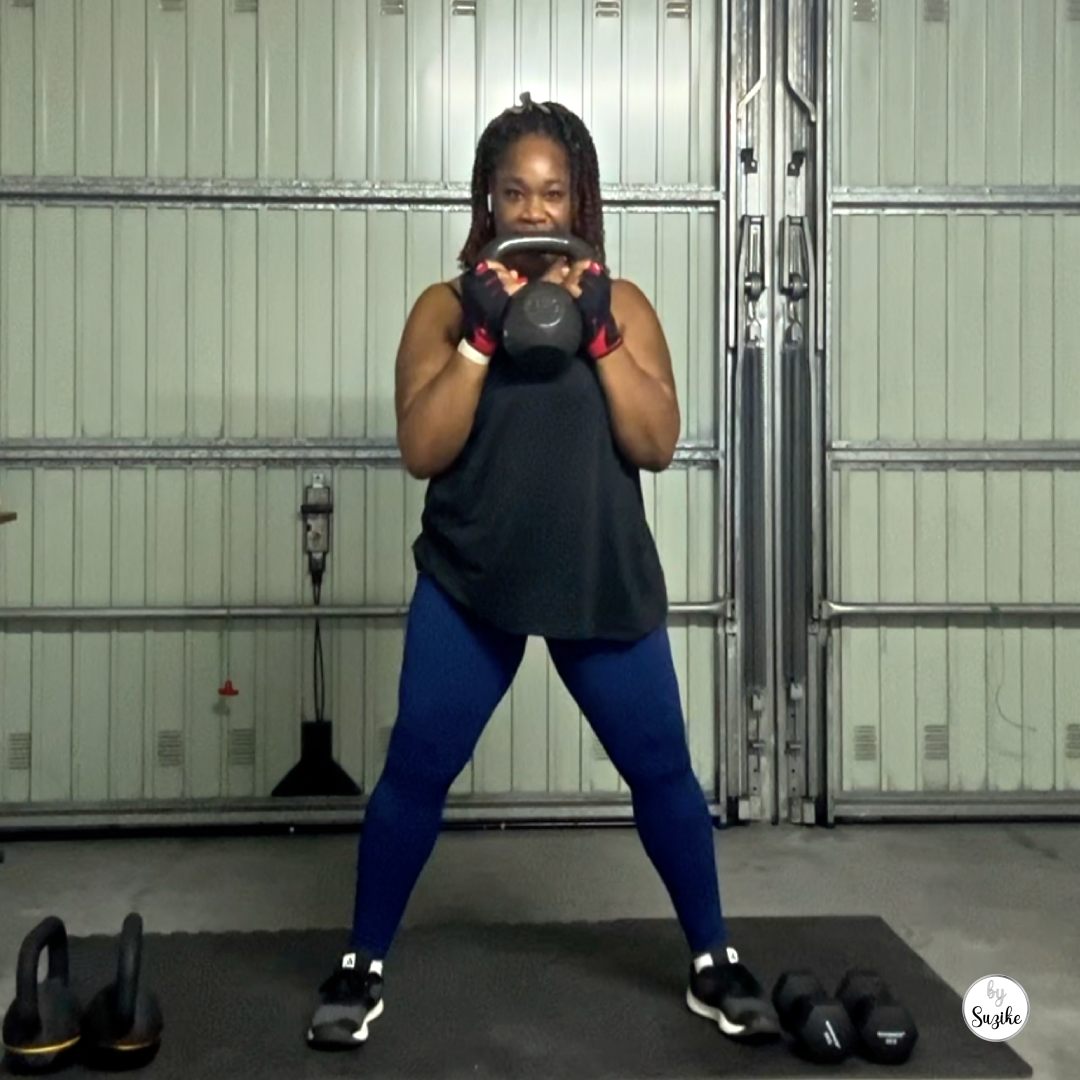
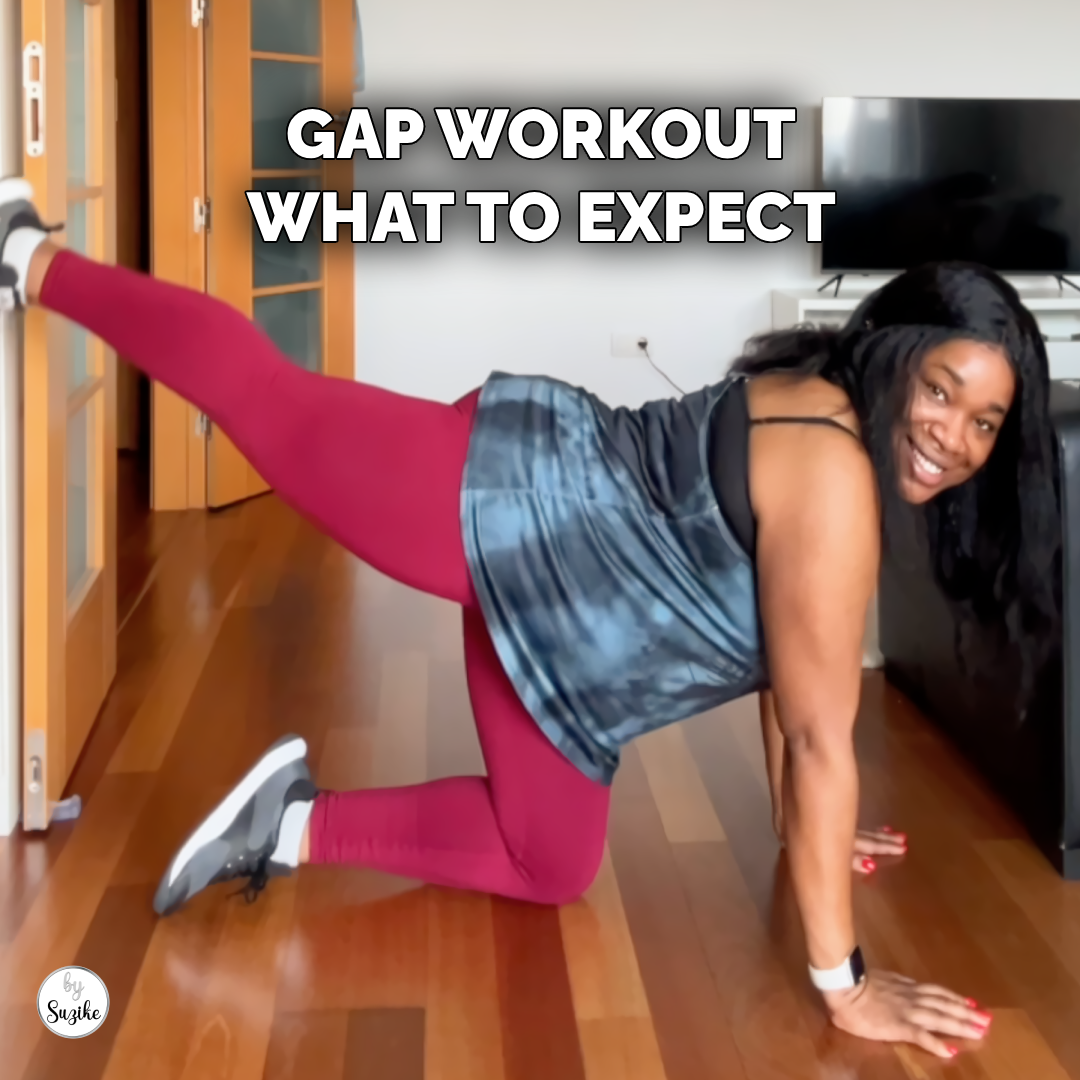
Here is a quick look at some of the movements and exercises I experienced during my Pilates classes.
What Is a Pilates Class Really Like?
The pace is slower than almost every other class on my timetable. That is the whole point. Instead of speed, the focus is on breathing, activating the right muscles at the right time, and holding good alignment while your body works. There is a lot of core activation, a lot of attention to posture, and a fair amount of balance work mixed in with controlled strength exercises.
What surprised me most is how much correction happens during a Pilates class. Instructors do not just demonstrate and move on. They circulate around the room, watch how everyone is executing each movement, and adjust posture, breathing and positioning individually. That level of attention is not something I got from most of my other classes.
Structure and pace can vary between instructors, which is exactly what I found once I started paying attention to who was teaching.
My Pilates Experience
I attended Pilates regularly at my gym in Portugal for months, mostly on Mondays, with Cláudia Teixeira and Hugo Lourenço Rocha, and my understanding of the class changed a lot over that time.
At first, Pilates was just the class that looked calm on paper. Then I noticed that “calm” and “easy” were not the same thing. I was working my abs, glutes, back and balance, and somehow still sweating, in a class that never once asked me to jump.
Over the following months I became a lot more aware of my breathing, of squeezing my abdominals and glutes at the right moment, of my posture and alignment, and of muscles I did not know I was supposed to be controlling. I started noticing my chin position, my torso alignment, whether my back stayed straight when it mattered. None of that was on my radar the first time I walked into that class.
The biggest shift, though, was realizing that Pilates was quietly changing how I moved in every other class on my timetable. My sister, who had been doing Pilates for longer than me, told me exactly that one day: Pilates makes the exercises in your other fitness classes easier. I brushed it off at first. Then I started noticing it myself.
Pilates With Cláudia Teixeira
I attended many Pilates classes with Cláudia Teixeira, and her teaching style gave those sessions a very distinctive feel.
Her classes were very focused on technique, posture and control. She demonstrated the exercises, moved around the room correcting alignment, and often explained which muscles we were working and why breathing mattered. The sessions also varied depending on the goal of the class, with equipment such as resistance bands and, on one occasion, a step.
What stood out most to me was how much difference a small correction could make. A slight change in posture, torso position or muscle activation could completely change how an exercise felt, and that was one of the things I came to appreciate most about her classes.
Pilates With Hugo Lourenço Rocha
Hugo Lourenço Rocha‘s Pilates classes had a slightly different feel. They seemed calmer on the surface, but I was still working my abs, glutes, back and balance, and usually discovering once again that a slower class did not necessarily mean an easier one.
What I particularly liked was the way he offered different levels of the same exercise. Beginners could stay with a more accessible version, while those who wanted an extra challenge could choose a harder variation. That made the class easy to adapt without taking away the opportunity to push myself.
His way of offering progressions made the classes feel accessible without ever becoming too easy. I could work at the level that suited me while still feeling challenged, and that balance was one of the things I appreciated most about his teaching.
What My Pilates Classes Actually Included
This is not one fixed Pilates sequence. These are the elements that kept showing up, in different combinations, across the classes I attended.
Breathing and Core Activation
Learning when and how to engage the abdominals, and how much breathing actually matters to every other part of the exercise.
Controlled Strength
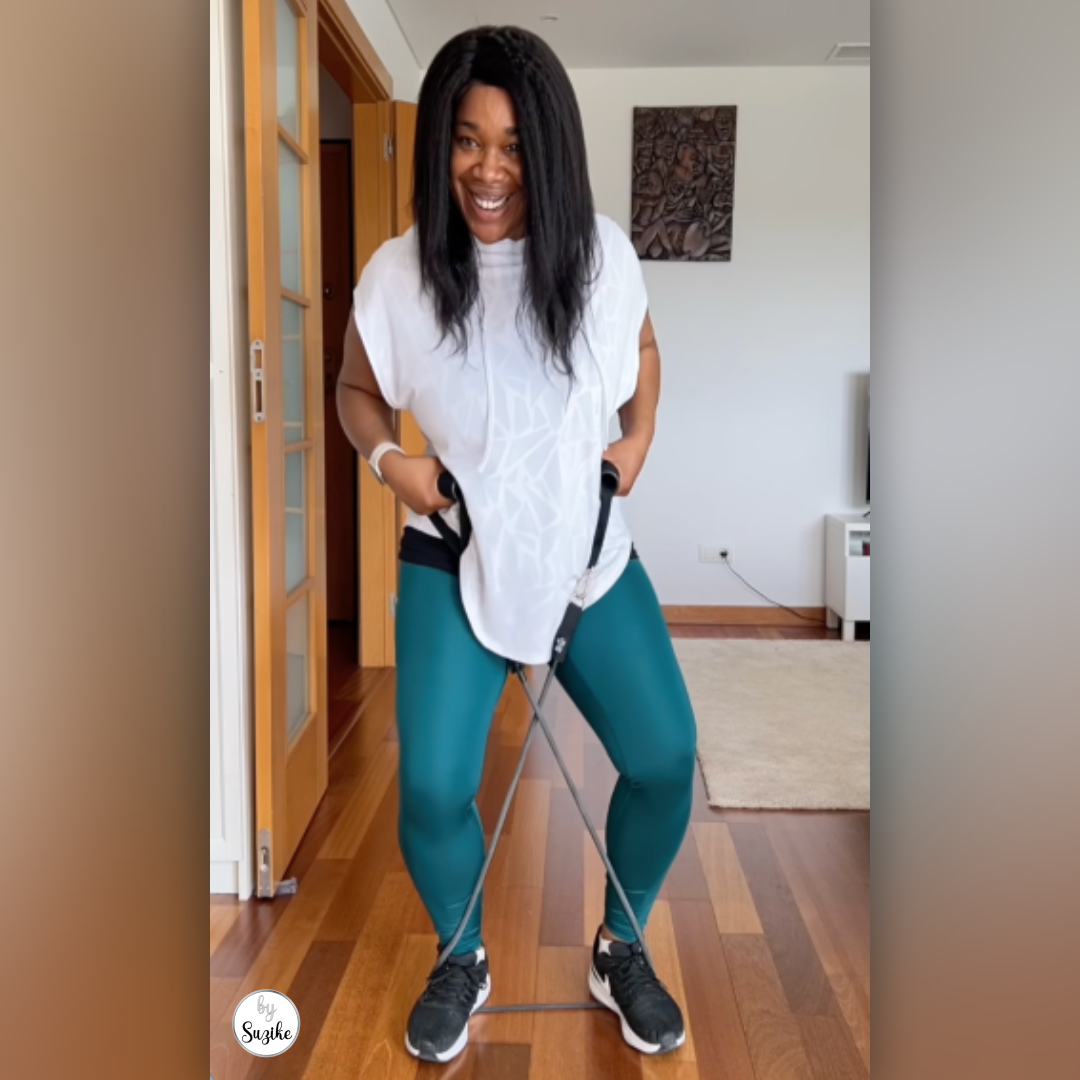
Resistance band work, slow strength movements, and exercises where control mattered a lot more than speed.
Glutes and Legs
Including lunges that became unexpectedly difficult the moment you slowed them down.
Back and Posture
Torso alignment, chin position, and a level of attention to posture I was not used to bringing into a workout.
Balance and Body Control
Exercises that asked for control rather than momentum, which is a different kind of tired than a fast-paced class. This is also where equipment like the step showed up, adding an extra balance challenge on top of the usual core work.
Mobility and Movement Quality
Less about finishing the repetitions and more about how well you performed each one.
Why Slow Pilates Movements Can Feel So Hard
I do lunges in a lot of my classes. GAP, BodyPump, Power Jump, you name it, there is usually a lunge somewhere in there. So why did the same movement feel so much harder in Pilates?
That question came up for me directly during one of my later classes, and the answer, as far as I can tell from my own experience, is momentum. In a faster class, you carry some of the movement forward without noticing. In Pilates, that shortcut disappears. Slow movement removes momentum and forces you to actually control the position the whole way through, instead of relying on speed to get you past the hard part.
It is not complicated physiology, it is just what happens when you take away the one thing that was quietly doing some of the work for you.
Is Pilates Beginner-Friendly?
Based on what I saw in Hugo’s classes especially, yes, with a caveat.
Beginners can absolutely work at an accessible level. Even a class labeled as beginner-friendly still offered more challenging options for anyone who wanted them, which means the same class can grow with you as your ability improves. What I would flag, though, is that “beginner-friendly” does not mean “easy.” Plenty of these exercises look simple right up until you try them, and good instruction and correction matter more here than in a lot of other formats, because bad form is easy to fall into when nobody is watching closely.
What Changed After I Started Doing Pilates Regularly
Looking back at months of these classes, a few things stand out.
I became more aware of my own body, in a way that felt different from what other classes gave me. My control over movements improved, and so did my attention to breathing. I understood the importance of core and glute activation in a way I had not before, and I paid more attention to my posture, both in and out of the gym. Movements that felt awkward the first few times gradually became more comfortable, and by one of my later classes I noticed it directly: sitting with my legs together and stretched forward was easier, and keeping my back straight took less effort than it used to.
And then there is the observation my sister made early on, that Pilates makes the exercises in other fitness classes easier. I agreed with her, based on what I noticed in my own body over these months, though I will say clearly that this is a personal observation from my own experience, not a scientific claim.
Pilates vs BodyBalance
Both classes work on control and body awareness, but from different directions.
Pilates focuses heavily on controlled movement, breathing, posture and core activation, without a fixed choreography to follow. BodyBalance combines yoga, tai chi and Pilates-inspired elements into a Les Mills choreographed format set to music. If Pilates is about building control from the ground up, BodyBalance is closer to moving through that control to music. Neither is better, they solve different things on a weekly timetable.
Pilates vs Les Mills Core
Another useful comparison, since both classes work the trunk and stabilizing muscles.
Pilates has a broader focus: control, posture, breathing and whole-body awareness, worked slowly. Les Mills Core is a more obviously structured strength and conditioning class built specifically around the trunk, glutes and supporting muscles, usually at a faster pace. I would not pick one over the other. They feel genuinely different, and I am glad both exist on my timetable.
What I Liked Most
The learning, more than anything. Most of my classes are about pushing effort or speed. Pilates was about understanding what my body was actually doing, which is a different kind of satisfying. I liked the corrections, even when they meant Cláudia was quietly informing me that my chin had wandered off somewhere. I liked seeing visible progress over months rather than weeks. And I liked that a slow class could still leave me challenged without a single jump involved.
What I Found Most Difficult
Maintaining control through an entire slow movement, without cheating my way through with momentum. Lunges, obviously, given how much they came up. Keeping correct posture once my muscles were already tired was its own separate battle. And more than once, I discovered that an exercise that looked completely simple from the sideline was anything but simple once I was the one doing it.
Who I Think Pilates Is Good For
Based on my own experience, I would recommend Pilates to:
- people who want something lower-paced than a cardio class, without it being an easy option
- people who enjoy precise, controlled exercise over fast-moving routines
- anyone interested in posture and body awareness
- beginners who appreciate having easier and harder versions of the same movement available
- experienced gym-goers who assume Pilates will be a breeze, because that assumption rarely survives the first class
- people who already do strength or group fitness classes and want something that complements the rest of their routine
Pilates for Women Over 40
This is exactly the kind of class I would point other women over 40 toward, based on what it actually gave me over these months. The focus on control rather than speed, the constant attention to posture and alignment, the balance work, and the slow progression I could feel building session after session. I was not chasing a heavier weight or a faster rep count here. I was learning to activate the right muscles, hold correct alignment, and notice when my form was slipping before it turned into a bad habit, which is a different kind of training effect than most of my other classes give me.
The instructor’s easier and harder versions of the same exercise also meant the class could be adapted without losing the structure or purpose of the workout.
This is not medical advice, just what has worked for me. If you have a specific joint issue or health condition, check with your doctor before adding a new class like this to your routine.
Equipment
Across the classes I attended, the main equipment was a mat, with resistance bands used in at least one session and a step brought in for another. Cláudia’s approach was to use whatever equipment actually served that day’s goal rather than defaulting to the same setup every week, so what showed up could genuinely vary. Not every class used bands or a step, so check with your gym what to expect before your first visit.
What I bring:
- comfortable workout clothes
- a mat, if the gym does not provide one
- a water bottle
- a towel
Equipment the gym may provide:
This post contains affiliate links. If you buy through them, I may earn a small commission, at no extra cost to you.
My Best Tips for Your First Pilates Class
Do not judge the class by how it looks from the sideline. It looks calm. It is not always calm.
A few more things I would tell a friend before their first class:
- tell the instructor it is your first class
- ask about easier versions of the exercises if you are new to this kind of movement
- focus on your breathing from the very first exercise, not just when someone reminds you
- prioritize control over speed, always
- expect the “simple-looking” exercises to be the hardest ones
- give it more than one class before deciding whether it is for you
FAQs About Pilates
Is Pilates a workout or is it just stretching?
Based on my experience, it is a real workout. It involves core activation, controlled strength work, balance and posture training. It is not the same as a stretching class, even though the pace can look similar from the outside.
Is Pilates good for beginners?
Yes, especially when the instructor offers easier and harder versions of each movement. Being beginner-friendly does not mean it will feel easy, though.
Does Pilates feel different depending on the instructor?
Yes. The two instructors I attended regularly had noticeably different styles, one leaned more into technique, correction and explanation, the other leaned more into offering clear progressions for different levels.
Is Pilates low impact?
In my experience, yes. I never jumped in a Pilates class, and most of the exercises were floor-based or standing controlled movements.
How long is a Pilates class?
In my experience, Pilates classes lasted around 45 minutes. Other gyms may run different durations, so check the timetable before attending.
Does Pilates help with other fitness classes?
Based on my own experience and my sister’s observation, yes, it seemed to make certain movements in my other classes, especially anything involving control or balance, noticeably easier over time. This is a personal observation, not a scientific claim.
My Final Verdict
Pilates was never going to be the class with the flashiest reputation on my timetable. It does not involve jumping, it does not have a countdown voice, and from the sideline it genuinely looks like the easy option between two harder classes.
It is not the easy option. It became one of the classes that taught me the most, not because it was the hardest workout in my week, but because it kept forcing me to pay attention to what my body was actually doing instead of just getting through the repetitions.
So if Pilates is sitting on your timetable and you have written it off as the calm class, I would ask you the same thing I once had to ask myself: have you actually tried keeping control through a slow lunge yet?
Explore More Fitness Modalities
If you want to see how Pilates compares to my other classes, my BodyBalance review and Les Mills Core review are the closest matches for control and core work. For something with more cardio, my Zumba review and BodyAttack review sit at the opposite end of my weekly timetable, while my GAP Workout Review covers the class I most often paired Pilates with on a Monday.
If you want to track your own classes instead of relying on memory, my free Group Fitness Class Tracker can help.
You can also browse the Fitness Modalities hub as I keep adding to this series.