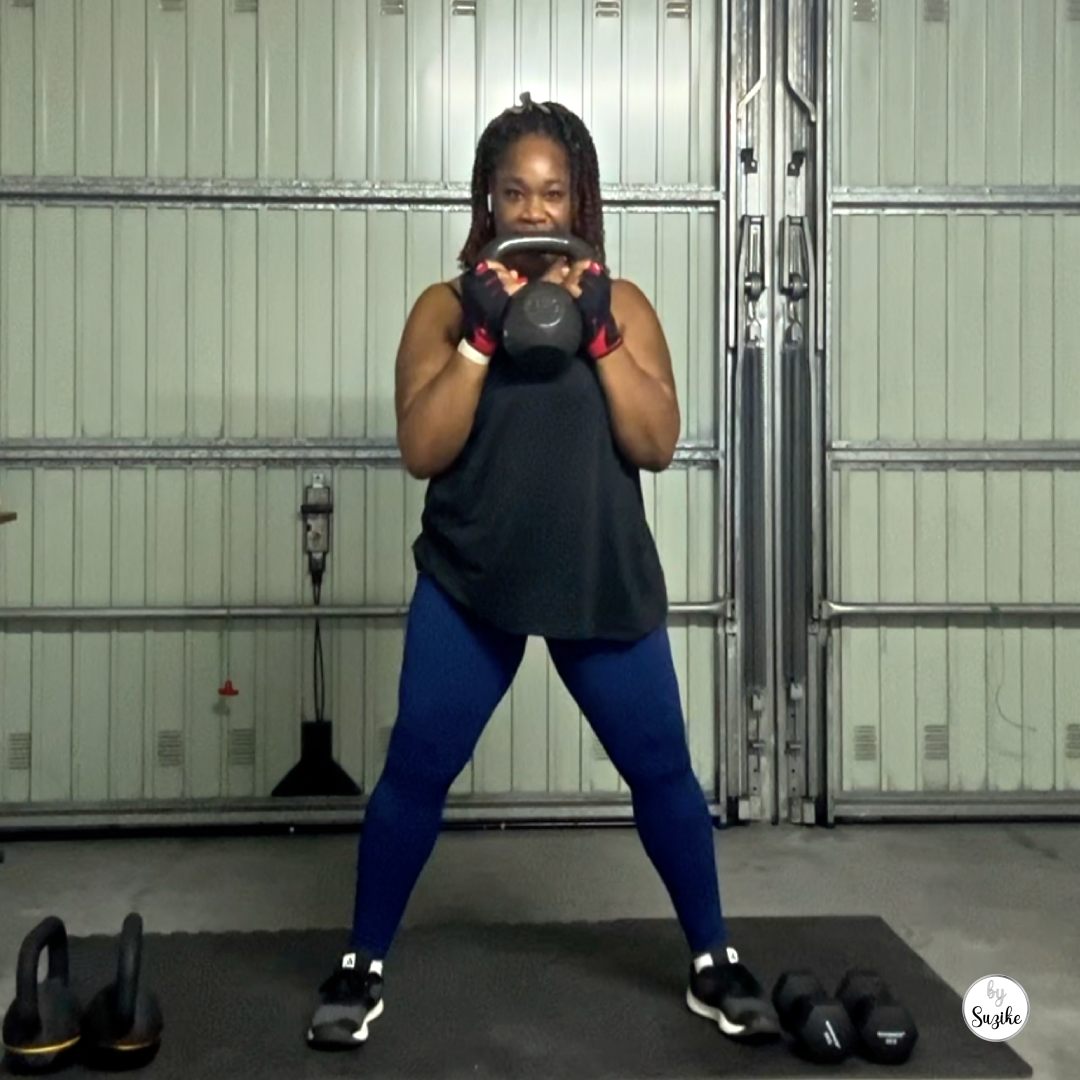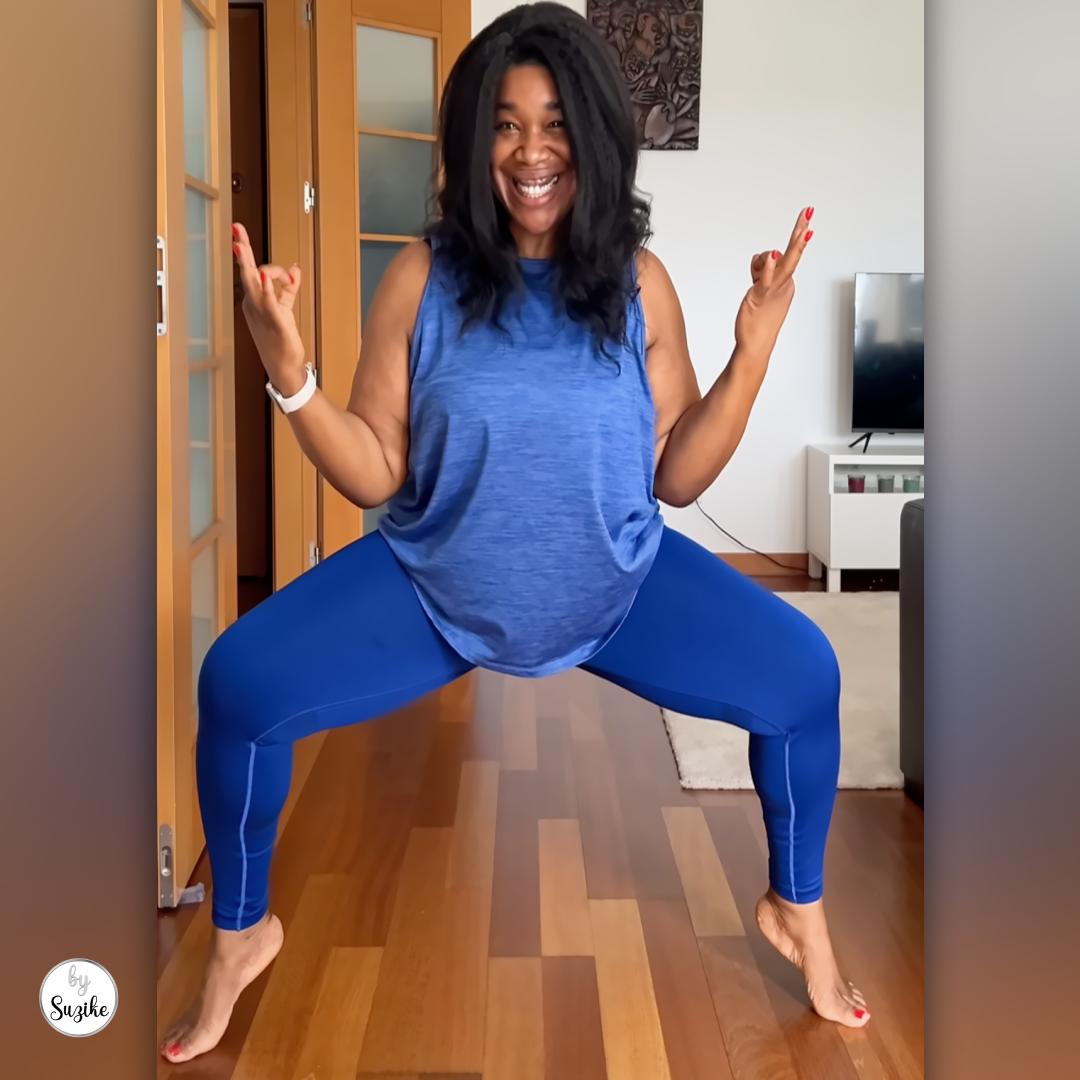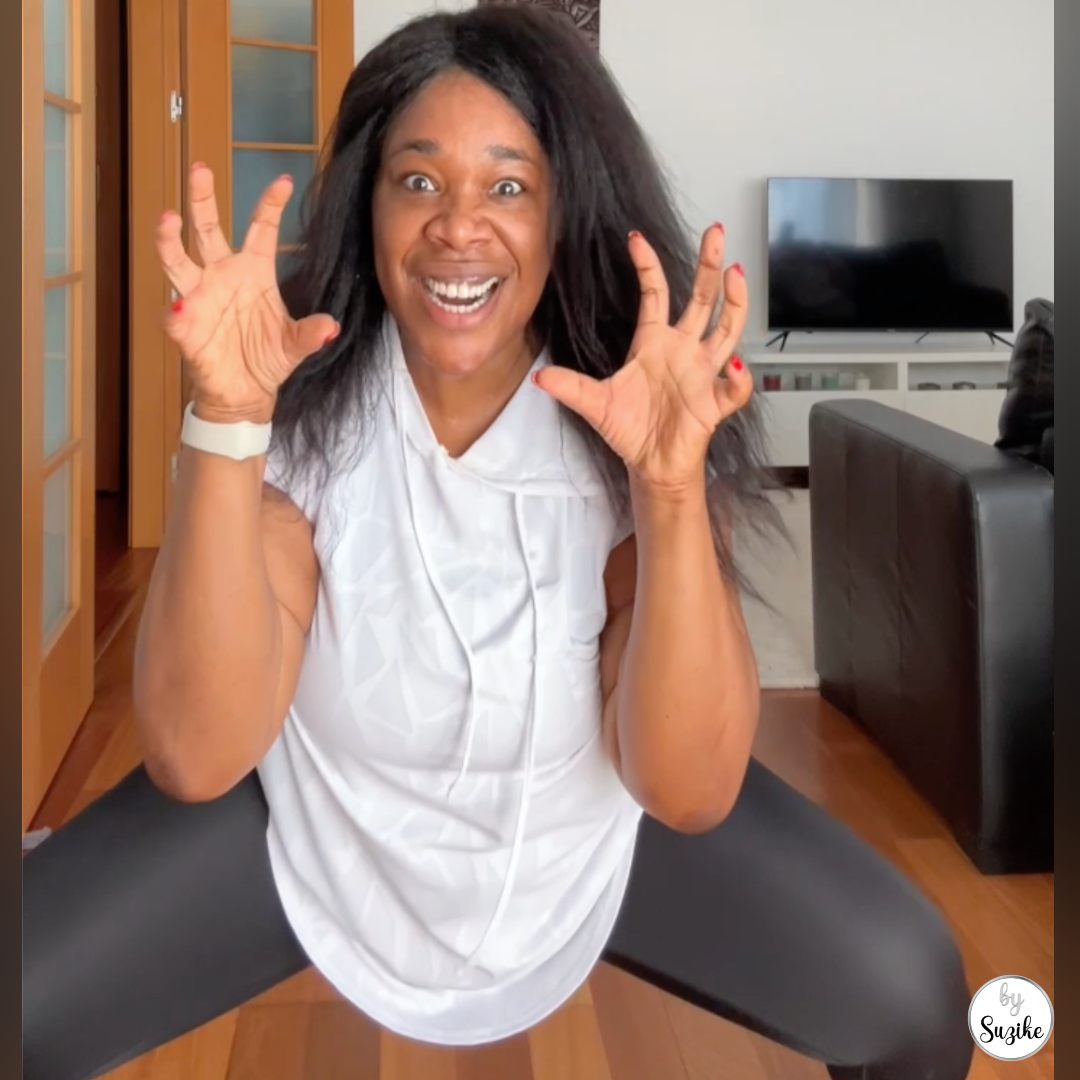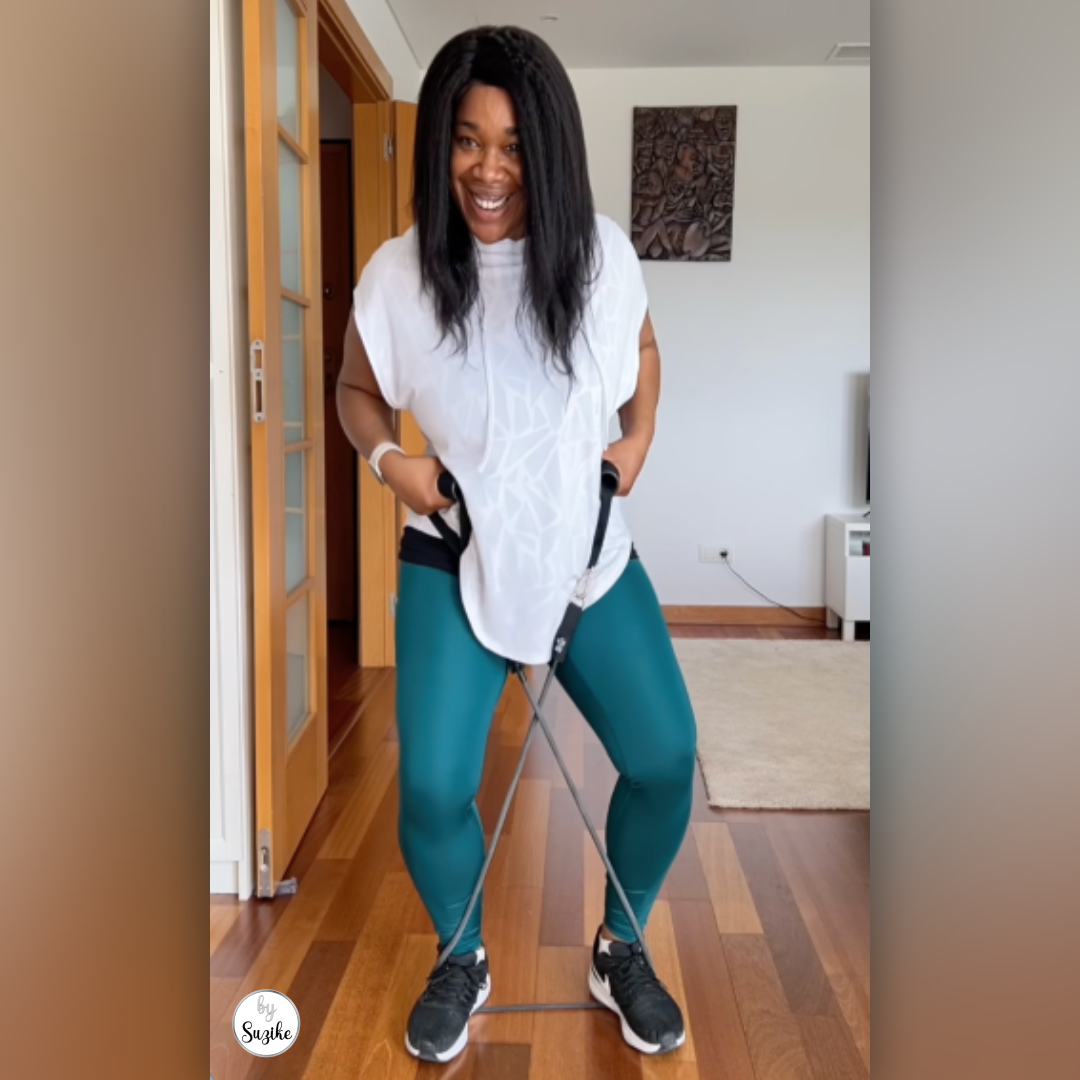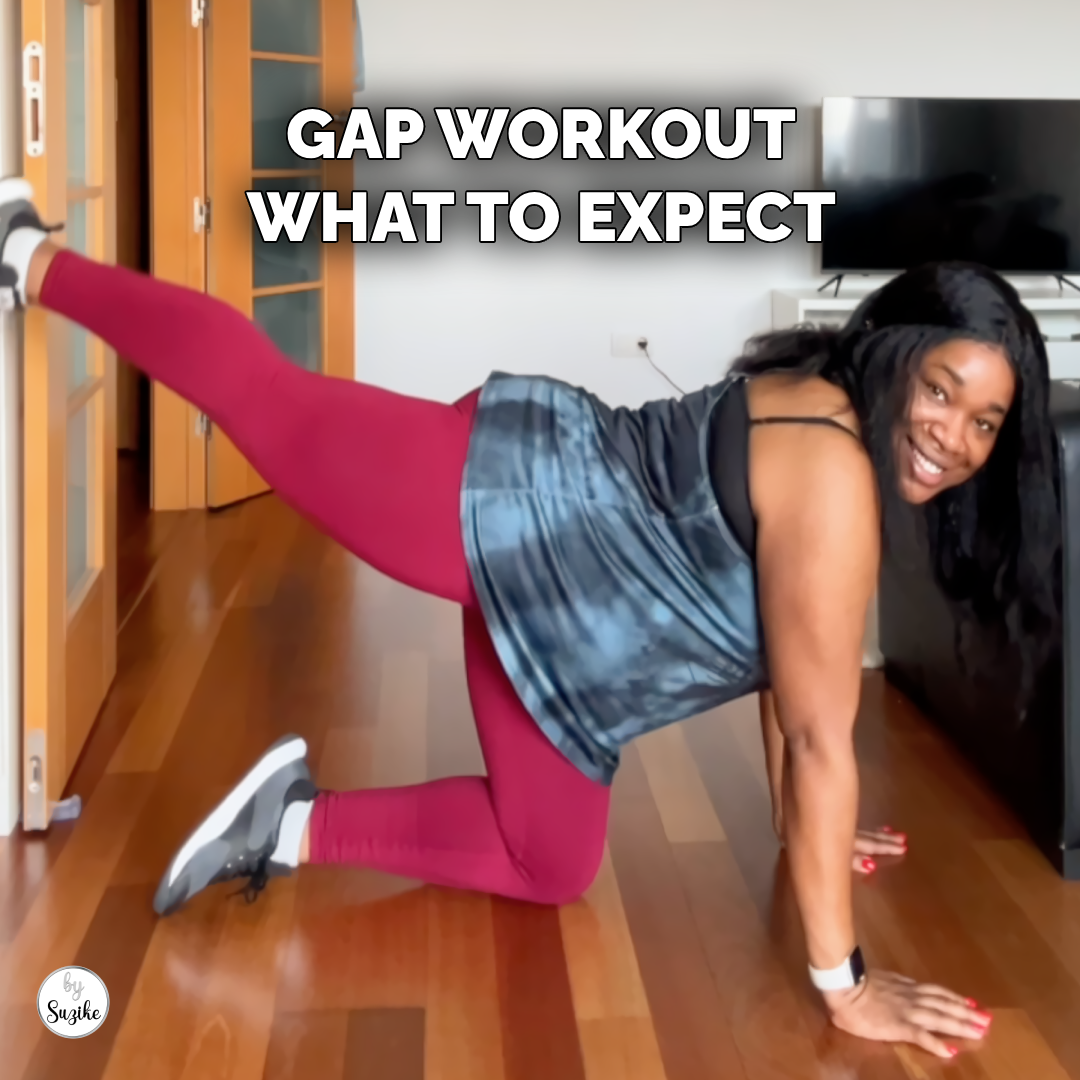
In this GAP workout review, I share what taking GAP regularly with four different instructors across many classes taught me about the format, and why it never became boring.
GAP was never the class I picked because it sounded exciting. It was simply the one already sitting on my timetable every week, tucked in before or after something bigger, and for a long time I barely thought about it as a workout in its own right. Then I started paying attention to how much the experience changed, and the class I thought I knew turned out to be four completely different workouts wearing the same name.
Quick Verdict
GAP looks simple on a gym timetable: glutes, abs and legs, usually packed into a short group class. In practice, it became one of the most demanding lower-body workouts in my weekly routine. It stands for Glúteos, Abdominais e Pernas, and at my gym it showed up week after week for one simple reason: it works. Around thirty minutes of squats, lunges and lower body work that could leave my legs burning before the class was even over. The exact format shifts depending on who is teaching, but the focus does not.
Class Snapshot
- Class type: targeted glutes, abs and legs group workout
- Duration in my experience: usually around 30 minutes
- Format: varies by instructor, and may combine strength, muscular endurance, core and cardio
- Equipment I used in different classes: step, weight plates, resistance bands, ankle weights and a mat
- Intensity: approximately 7.5 to 8.5 out of 10
- Beginner-friendly: potentially, with lighter loads, reduced range and suitable modifications
- Best for: lower-body endurance, glute work, core training and people who enjoy structured group exercise
Watch What a GAP Workout Can Feel Like
Here is a quick look at the exercises, equipment and variety I experienced across my GAP classes.
What Is a GAP Workout?
GAP stands for Glúteos, Abdominais e Pernas, glutes, abs and legs. It was a regular part of the timetable at my gym in Portugal. Unlike Les Mills programs, there is no single global brand behind it, so the format, pace and exercise selection can change between gyms and instructors, even though the goal stays the same: train the lower body and core through squats, lunges and targeted resistance work.
At my gym, the GAP classes I attended usually lasted around 30 minutes, although duration can vary, and used a mix of bodyweight and light equipment such as steps, weight plates and ankle weights. You usually do not need to memorize complex choreography, although some instructors may include simple dance or coordination sequences, as you will see below.
Even at the same gym, GAP rarely feels identical twice. The instructor decides the tools, the pace and how much choreography, if any, gets mixed in, which is exactly what I found once I started paying attention to who was teaching.
Is GAP the Same as Legs, Bums and Tums?
Broadly, yes. GAP and the international Legs, Bums and Tums format both focus on the glutes, abdominal area and legs, and both rely on squats, lunges and repeated lower-body work. Neither name represents one single universal program, though, so the exact exercises, pace and structure can vary a lot between gyms and instructors.
My GAP Workout Experience
I have taken GAP regularly with four different instructors across many classes, and that variety has taught me more about the format than any official description could.
Rui Duarte usually taught my first class of the week, and his sessions were the ones I actually looked forward to on a groggy Monday morning. He kept the room laughing while still working us hard, mixing cardio, jumps and ankle weights with the occasional mambo-inspired choreography between the squats and lunges. One week it was a step-and-kick combination that had me tripping over my own feet. Another week it was so much cardio that I left the class checking my arms for sweat, which for me is always a good sign.
André Godinho turned GAP into something closer to a dare. On one memorable Friday, he announced that we would be doing 300 squats, and by the end my legs were convinced it had been closer to 3,000. He added lunges, lateral lunges and more squat variations after warning us that we would suffer but leave happy. In another class, he announced that “surprises” were coming, something I had already learned to treat as a warning rather than good news. At the end of that session, after putting us through the workout, he still asked whether it had been difficult.
Maria João Lopes ran what I think of as the most varied version of GAP. Her classes moved through squats and their progressions, lunges, deadlifts, glute bridges, planks, resistance band work and exercises on all fours, and she rarely repeated a session the same way twice. Even on weeks when my legs were already wrecked from other classes, her GAP sessions found new angles to work the same muscles.
Igor Angélico became the instructor I associate most with my Friday booty training days, since GAP with him was almost always followed by Les Mills Core in the same room. His classes mixed dance-inspired warm-ups with weight plates, ankle weights, resistance bands, step work, squats, lunges, deadlifts, glute bridges, planks and the occasional burpee thrown in for good measure. He also borrows combinations from other group fitness formats, which keeps the class from ever feeling repetitive, and he has a booming voice that calls out “is it over? No, we have more” at the exact moment your legs were hoping otherwise.
The exercises changed, the energy changed, and the level of suffering definitely changed depending on who was teaching. But the focus stayed exactly the same: glutes, abs and legs, worked through repetition, resistance and very little sympathy from whoever was running the room.
What a GAP Class Can Feel Like
GAP does not follow one fixed structure. What follows is not a set sequence, just the blocks I have seen show up, in different combinations, depending on the instructor.
Warm-Up and Activation
Can include mobility work, bodyweight squats, side steps, knee raises, light cardio and, with instructors like Rui, dance or mambo-style moves worked in early.
Lower-Body Strength and Endurance
Can include squats, lunges, lateral lunges, deadlifts, pulses, step work, unilateral exercises and weight plates, repeated until your legs stop trusting you.
Glute-Focused Work
Can include glute bridges, resistance-band work, ankle-weight exercises, work on all fours and balance holds.
Abs and Core
Can include planks, abdominal exercises, oblique work and movements that combine core stability with leg work.
Cardio Elements
Depending on the instructor, can include jumps, skaters, burpees, knee raises, step combinations and dance-based movements.
Not every class includes every block above. The mix, and how hard each one is pushed, is really down to the instructor of the day.
Is GAP Low Impact?
In my experience, GAP can be mostly low impact, since exercises like squats, lunges, glute bridges, resistance-band work and floor exercises do not require jumping. That said, some instructors bring in jumps, skaters, burpees, step combinations or faster cardio movements, so the impact level really depends on who is teaching that day. If you need to keep things low impact, ask about modifications before class starts.
GAP vs Les Mills Core
Both classes work the glutes and core, but from different angles. GAP leans more on the legs and glutes, and shifts a lot depending on the instructor. Les Mills Core is a branded, structured program that concentrates more consistently on trunk stability, abdominals, glutes and back. I ended up pairing the two often: GAP first for the legs, Les Mills Core second for a more targeted core finish.
GAP vs BodyPump
GAP targets glutes, abs and legs using bodyweight, ankle weights, bands, a step or weight plates, depending on the instructor. BodyPump is a full-body barbell workout with a more standardized structure across gyms. Both lean heavily on muscular endurance and repeated movement, just applied to different parts of the body, so neither is objectively better. They simply solve different problems on your weekly timetable.
Real Benefits I Have Noticed
After making GAP a regular part of my routine, I noticed:
- better muscular endurance in my legs
- more confidence with squats and lunges
- better tolerance for repeated, high-volume lower body work
- improved glute endurance and overall stability
- more confidence walking into other group fitness classes
What I Liked Most About GAP
The variety between instructors is what kept me coming back. The focused lower-body work, the mix of strength and cardio depending on who was teaching, and the energy of training in a group. A thirty-minute class that still manages to feel genuinely effective is rare, and pairing GAP with Les Mills Core made it even more worth showing up for.
What I Found Most Difficult
Long squat sequences, and the lunges and lateral lunges that usually followed them. Pulses and small repeated movements were deceptively hard, and unilateral work always exposed which leg was weaker that week. Ankle weights made everything harder in a way that crept up on me. The real test was keeping good form once my legs were already fatigued, especially when the class moved straight into abdominal or plank work right after.
Who GAP Is Good For
GAP suits:
- anyone who wants a focused lower body and core workout, whether or not the class leans into choreography
- people short on time who still want a real training effect
- beginners who are comfortable with basic movements such as squats and lunges, provided suitable modifications are available
- anyone building a base before moving into more intense formats like GRIT or BodyAttack
Most of the class relies on repetition rather than complex sequencing, so beginners can generally join without feeling lost. The intensity comes mainly from effort and load, not from keeping up with the room.
GAP for Women Over 40
As a woman over 40, I approach GAP with more attention to load, technique, impact and recovery. I start with a manageable load and build up, rather than chasing the heaviest plate in the room. I prioritize technique over speed on squats and lunges, and I pay attention to how my knees and lower back feel as fatigue builds. I reduce impact when a joint asks for it, let myself actually recover between sessions, and stop comparing my pace to participants who are younger or more experienced. Using the instructor’s modifications is not a shortcut, it is what lets me keep showing up.
This is not medical advice, just what has worked for me. If you have a specific joint issue or health condition, check with your doctor before adding a new class like this to your routine.
Is GAP Good for Weight Loss?
GAP can support a weight-loss routine, but it is not a spot-reduction workout. Think of it as a muscular-endurance class rather than a pure cardio workout. It contributes to your total weekly activity and builds the kind of lower body strength and muscular endurance that supports everything else you do, but it cannot specifically remove fat from your stomach, legs or glutes. Pair it with cardio-focused formats like Zumba or BodyAttack, and let consistency across the week matter more than any single class.
Equipment
Across my different classes I have used a step, weight plates, resistance bands, ankle weights and a mat, though not all in the same session. In my classes, the gym provided the equipment, but this may vary, so check before your first session.
What I bring:
- supportive training shoes
- comfortable workout clothes
- a water bottle
- a towel
Equipment the gym may provide:
This post contains affiliate links. If you buy through them, I may earn a small commission, at no extra cost to you.
My Best Tips for Your First GAP Class
Start with a lighter weight plate than you think you need. The repetition, not the load, is what makes this class hard, and do not judge it from your first attempt. It tends to feel more manageable once you recognize the movements and how the instructor structures the workout.
A few more things I would tell a friend before their first class:
- tell the instructor it is your first class
- begin with bodyweight or a light load
- prioritize technique over speed
- reduce the range of motion when needed
- choose low-impact alternatives when they are offered
- stop if you feel sharp pain, as opposed to normal muscular fatigue
- try more than one instructor before deciding whether GAP suits you
FAQs About GAP
What does GAP stand for?
Glúteos, Abdominais e Pernas, or glutes, abs and legs in English.
How long is a GAP class?
In my experience, GAP classes usually lasted around 30 minutes. Other gyms may use different durations, so check the timetable before attending.
Is GAP a Les Mills class?
No. GAP is a general gym format rather than a branded Les Mills program. Its structure can vary between gyms and instructors.
Is GAP good for beginners?
Yes, with lighter weights and attention to form. Most classes rely on repeated moves rather than complex sequencing, which makes it easier to follow than a heavily choreographed class.
Does GAP feel different depending on the instructor?
Yes, significantly. The exercises, pacing and even the choreography can change a lot from one instructor to another, though the muscle groups targeted stay the same.
Is GAP cardio or strength training?
GAP is primarily a muscular-endurance workout, but some instructors add more cardio than others. My classes ranged from strength-focused sessions built around squats, lunges, bands and ankle weights to versions that also included jumps, skaters, step combinations or dance-inspired movements.
Does GAP burn belly fat?
No single class can target fat loss in one area. GAP builds core and lower body strength and adds to your total weekly activity, which supports fat loss overall, but it will not selectively burn belly fat.
Can GAP be done at home?
Movements like squats, lunges, glute bridges and planks translate well to a home workout with light weights or bands. You will lose the group energy and the instructor’s coaching, which is a real part of what makes the class work.
How often can you do GAP?
That depends on your training experience, recovery and the rest of your weekly routine. GAP places repeated demands on the legs and glutes, so enough recovery between sessions matters. I fitted it around my other group classes rather than treating it as a daily workout.
My Final Thoughts
GAP will never be the class with the flashiest reputation on the timetable. It does not have a global brand, a famous countdown voice or a single format that stays the same everywhere. What it has, in my experience, is around thirty honest minutes of squats, lunges and lower body work that changes completely depending on who is teaching it.
I have shown up to cardio-heavy mornings full of jumps and mambo with Rui, survived a 300-squat dare from André, worked through Maria’s endless variations on the same basic moves, and danced my way into a brutal leg track with Igor before moving straight into Core. Four instructors, four genuinely different classes, and the same result every time: worked glutes, tired legs and a strange urge to come back for more.
That is the real test of a format like GAP. It adapted to each of my four regular instructors because the format was flexible enough to hold their different styles, while the instructor’s quality decided whether the class felt repetitive or memorable.
So if your gym has GAP on the timetable and you have only tried it once, ask yourself this: have you actually taken it with more than one instructor yet?
Explore More Fitness Modalities
If you want to see how GAP fits alongside my other classes, my Les Mills Core review is the class I pair it with most for a full booty training day. For something more explosive, my BodyAttack review and Les Mills GRIT review cover the higher-intensity end of my timetable, while my Body Balance review and Zumba review are good next reads if you want a calmer or more playful contrast.
For real class days built around GAP, you can also read GAP and Les Mills Core on a challenging booty training day, or my original GAP class review from July 2024. And if you want to track your own classes instead of relying on memory, my free Group Fitness Class Tracker can help.
You can also browse the Fitness Modalities hub as I keep adding to this series.