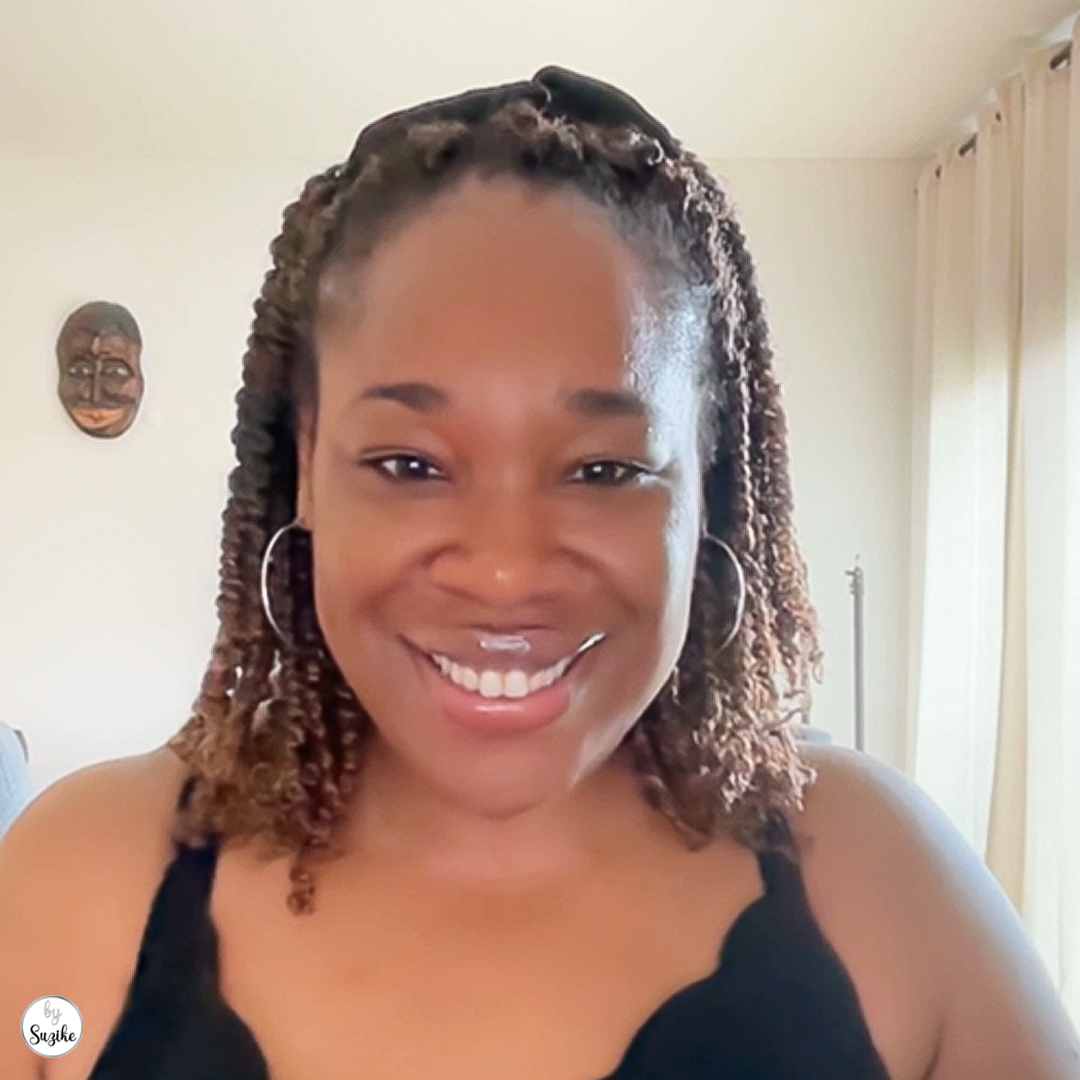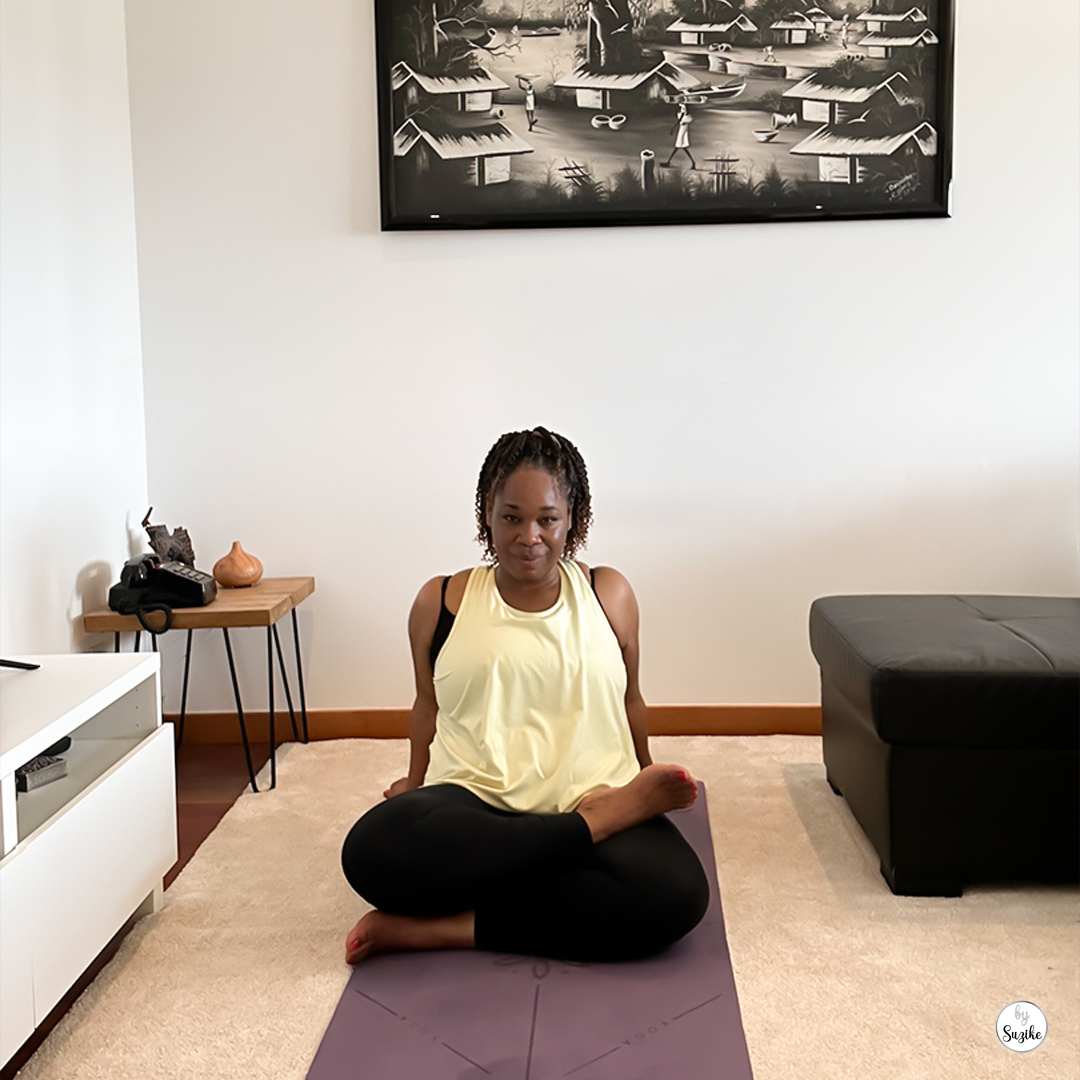
This was Recovery Day 7, and it turned into one of the clearest reminders that recovery progress is not always dramatic. Sometimes it shows up through better balance, calmer movement and the absence of pain in moments that used to feel uncertain.
This post is part of my Recovery Journey series, where I’m documenting what recovery looked like day by day, but also pulling out what may actually help other women going through a slower, more careful return to movement.
If you are recovering from pain, stiffness or loss of confidence in your body, this kind of day matters. It shows that gentle sessions can still reveal real progress.
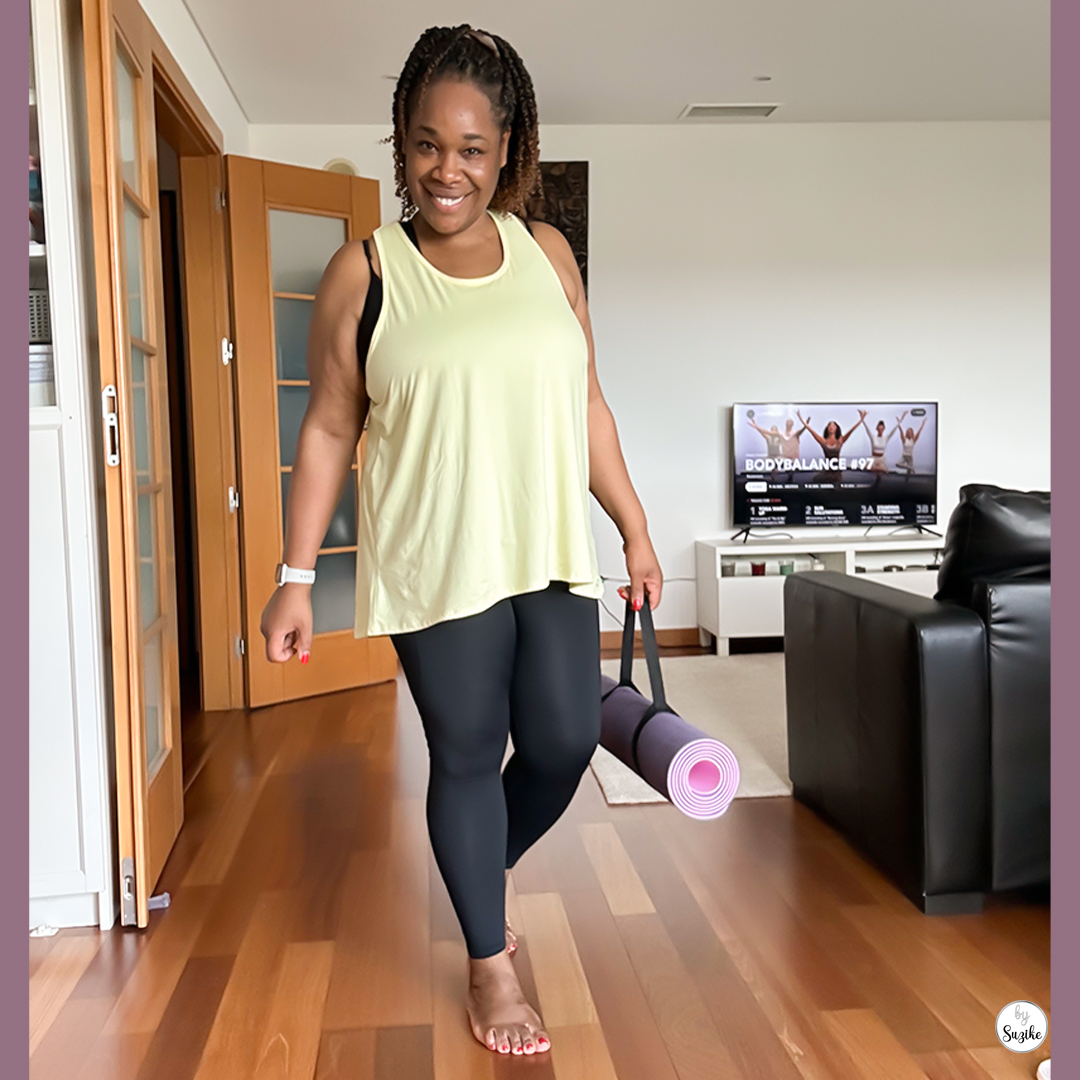
Why a gentle session can be more useful than it looks
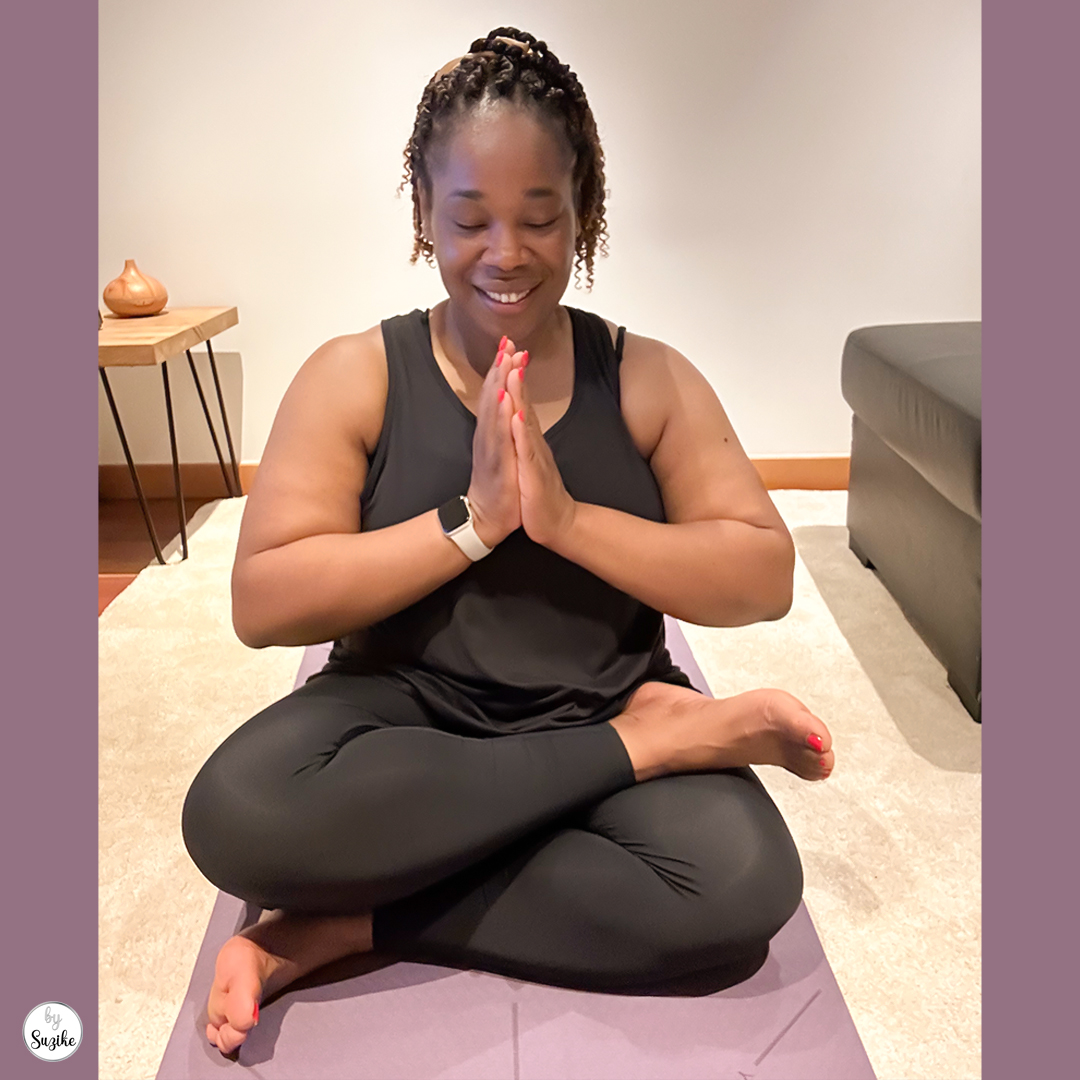
Today’s recovery session was a 30-minute Body Balance flow at home, focused on mobility, core strength and balance.
On paper, that may sound like a light day. But recovery is not only about intensity. It is also about what your body can now do with more control, less fear and fewer warning signs.
That is something many women overlook during recovery. They expect progress to look dramatic. Very often, it looks quieter than that. It looks like moving more smoothly, hesitating less and finishing a session feeling safe instead of frustrated.
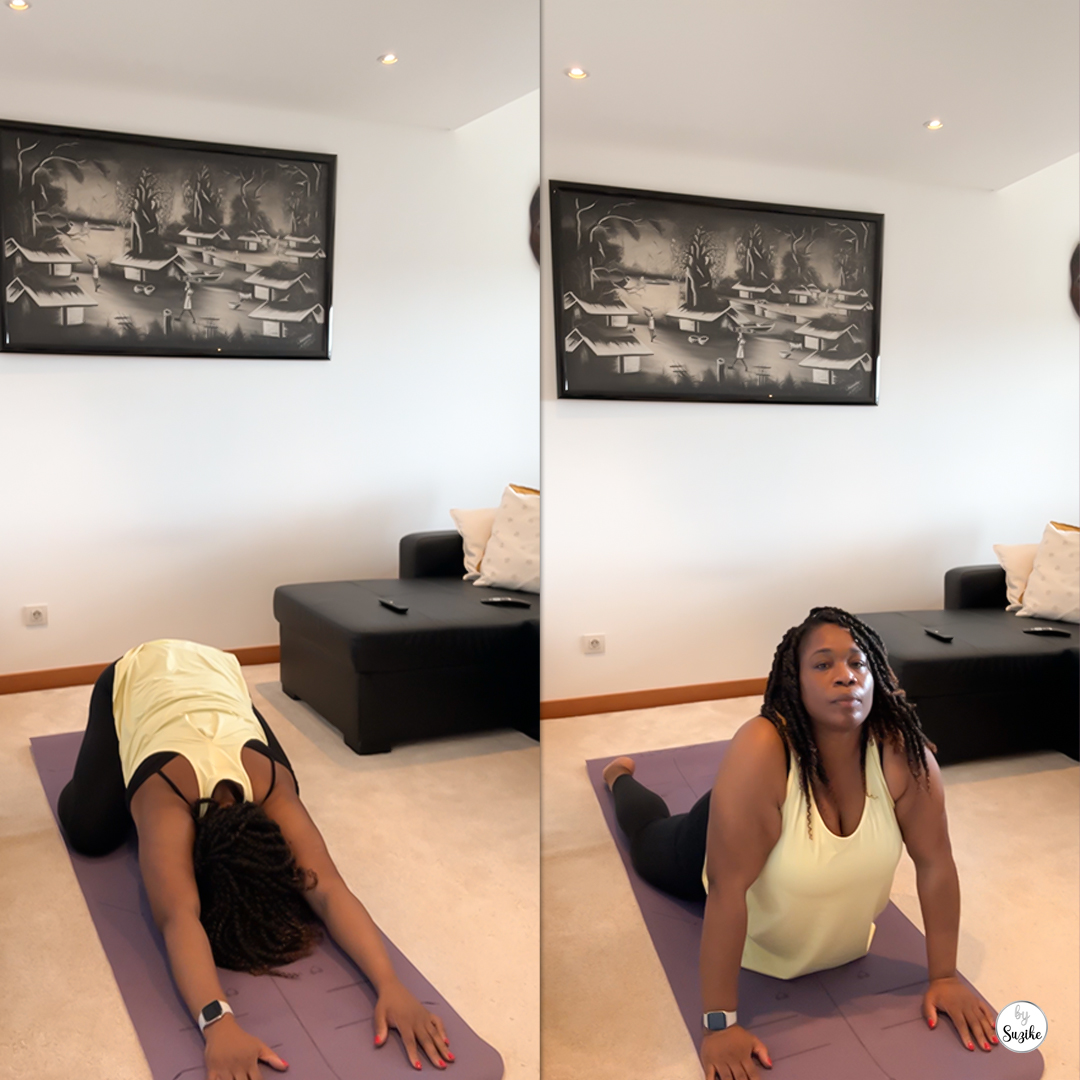
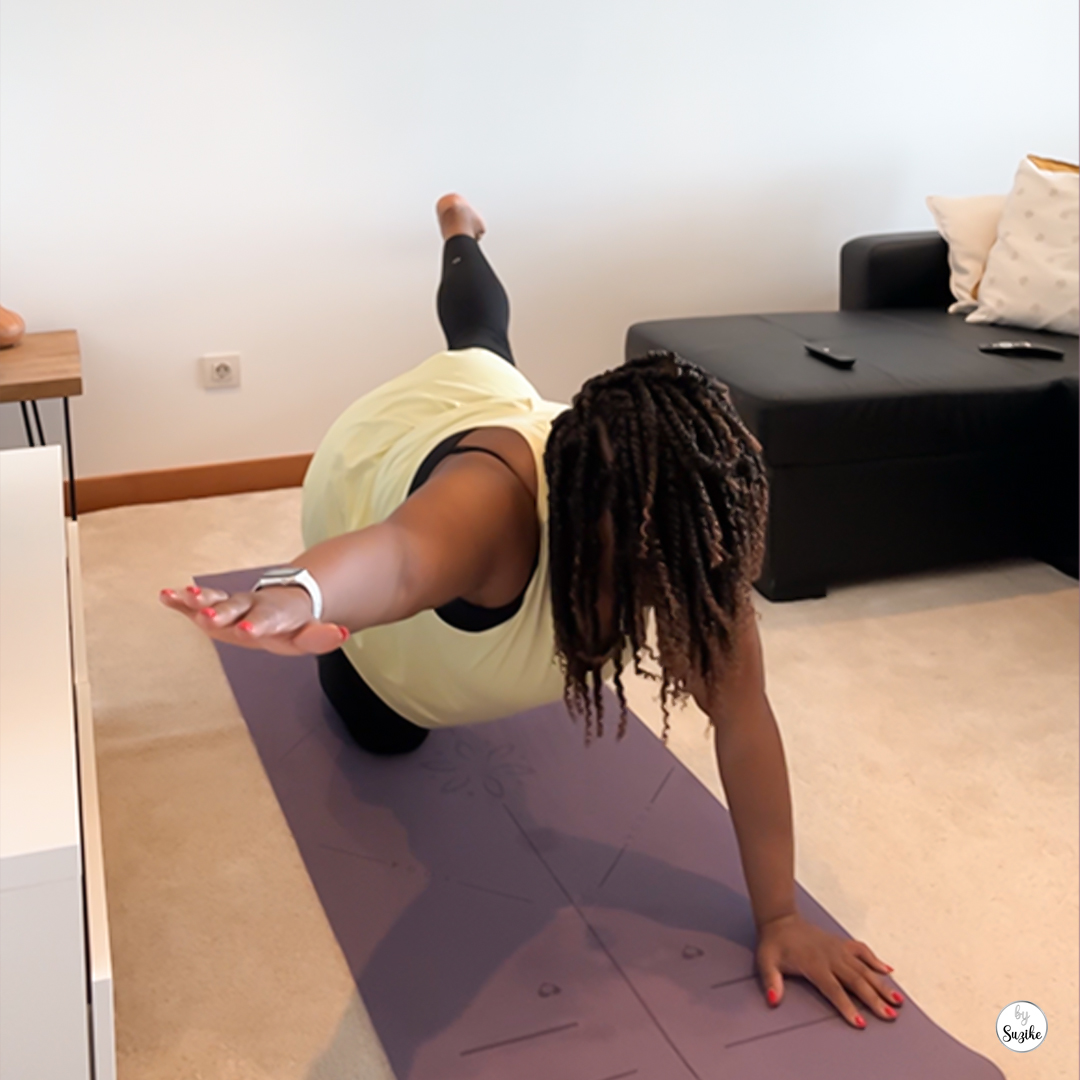
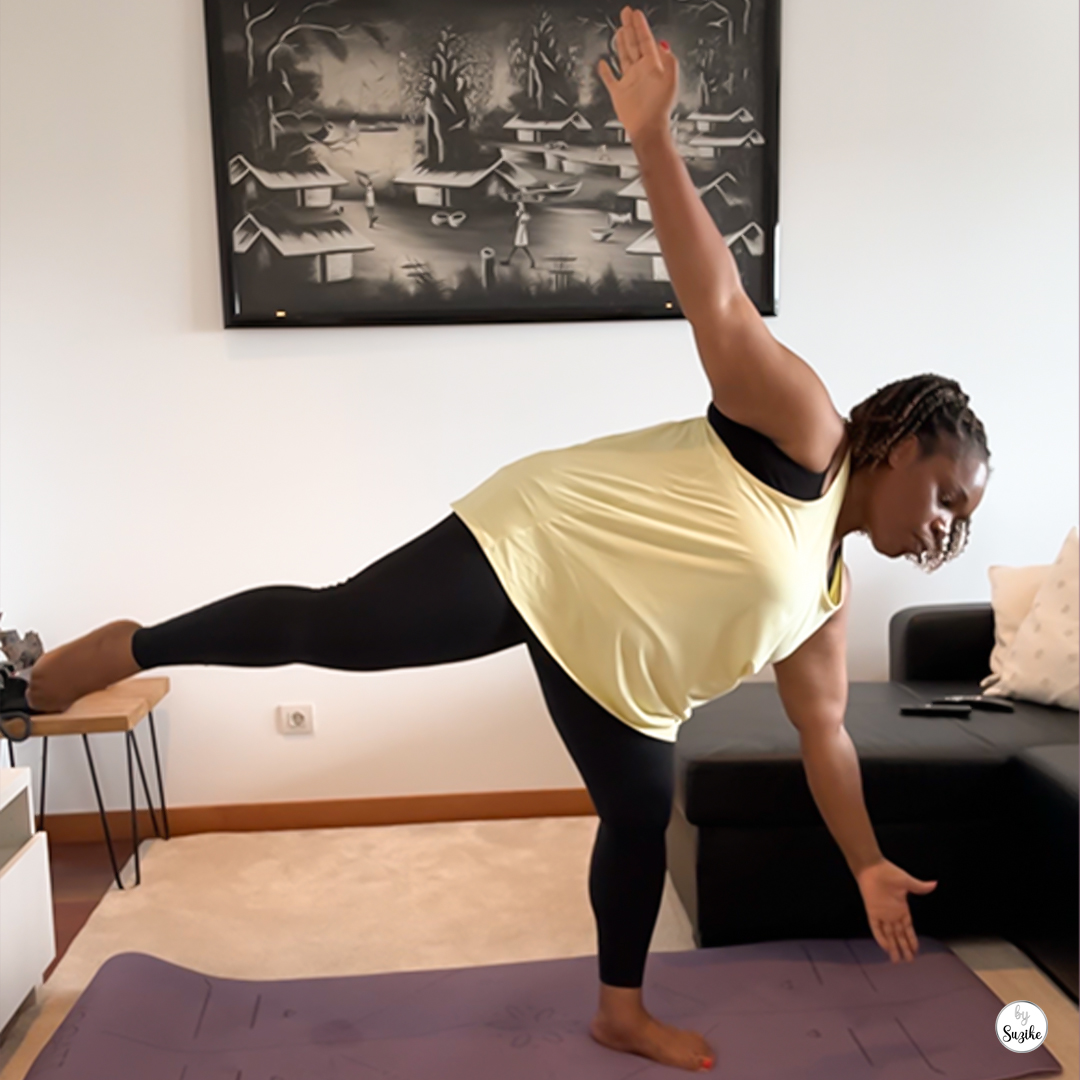
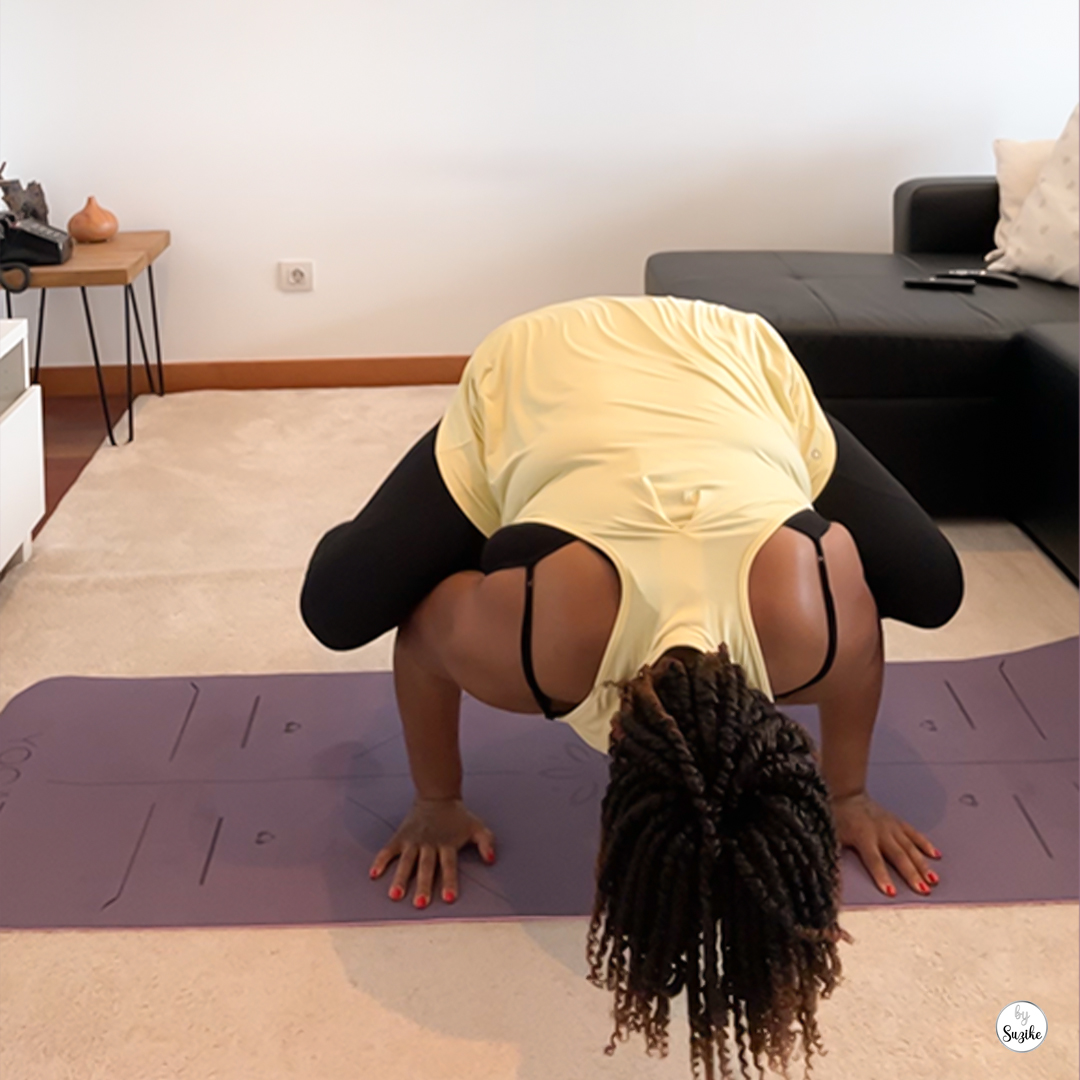
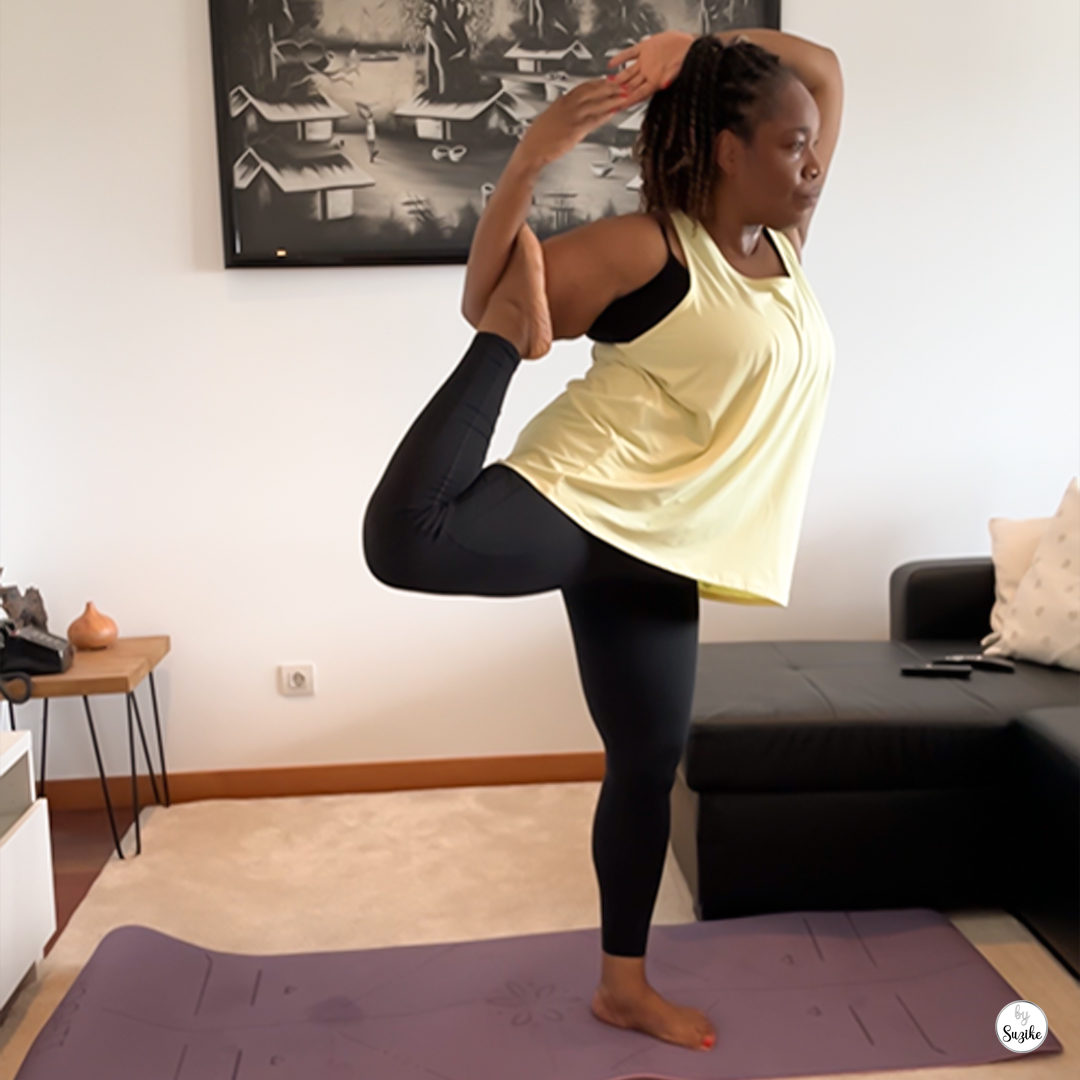
What movements like Mermaid, Half Moon and Bird can reveal
The key poses of the day were Standing Mermaid, Half Moon and Bird Pose.
These kinds of movements are useful during recovery because they reveal more than flexibility.
They can help you notice:
- whether one side still feels guarded
- whether your balance is improving
- whether you can activate the core without compensating
- whether your knee or another sensitive area reacts with tension, instability or pain
- whether you trust your body more than you did a few days before
That is why gentle balance work can be so valuable. It gives feedback. It shows whether recovery is only being hoped for, or whether it is actually becoming visible in the body.
One useful recovery sign: no pain during the session
The biggest takeaway from Day 7 was simple: no pain, no tension and no discomfort in my knee during the session.
That is an important recovery marker.
A lot of people only track recovery by asking, “Can I do more yet?” A better question is often, “How does my body respond while I move?”
If a movement session feels controlled, stable and pain-free, that is useful information. It does not mean recovery is finished. But it can mean the body is responding well to what you are doing.
For anyone in recovery, this is worth watching closely. Progress is often easier to spot in response quality than in performance.
What to pay attention to in your own recovery sessions
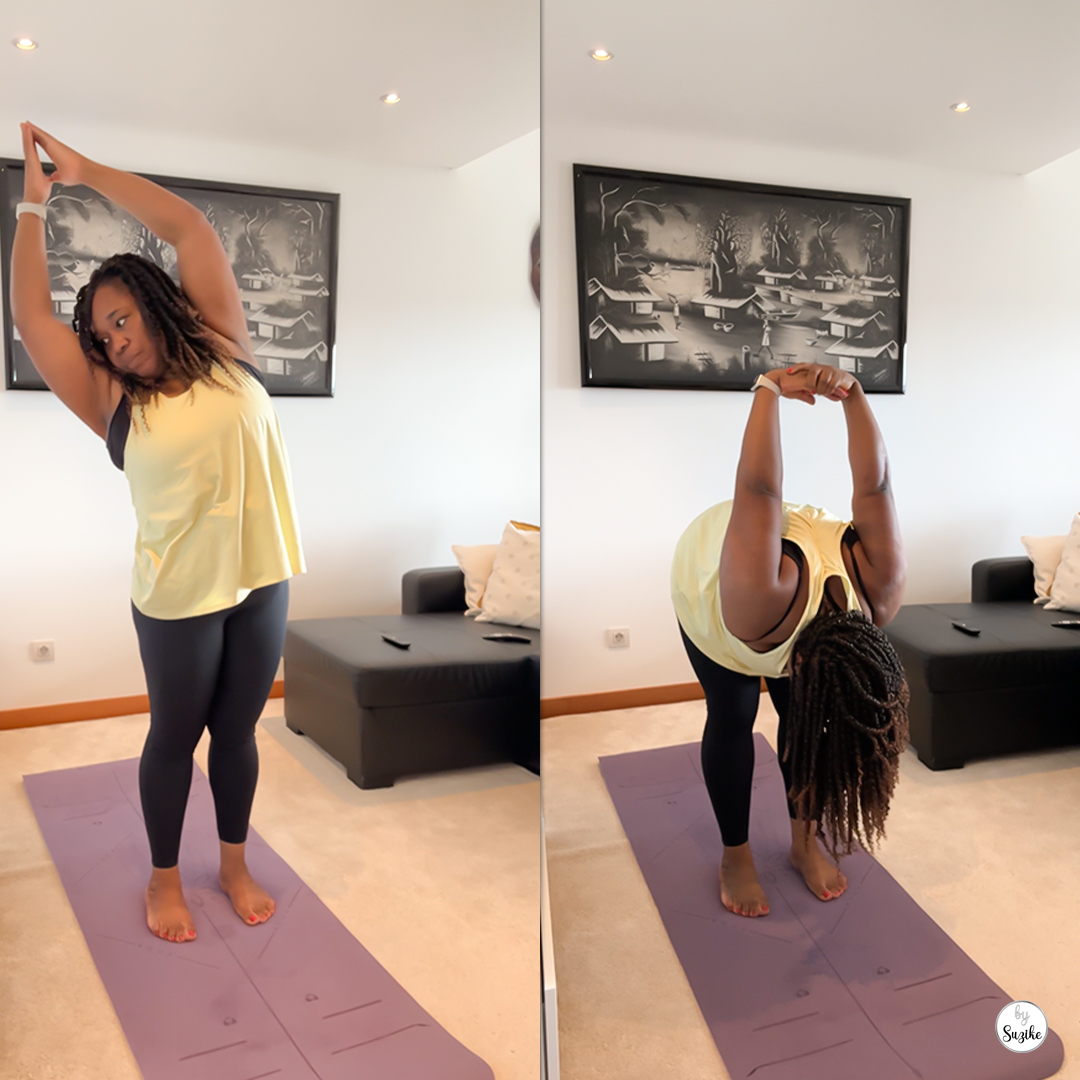
If you are doing yoga, Body Balance, stretching or other low-impact movement during recovery, these are some useful things to observe:
1. How you transition between movements
A pose can look fine in stillness, but transitions often show the truth. If you move in and out of positions with less stiffness, less wobbling or less hesitation, that is a meaningful sign.
2. Whether pain appears, disappears or stays the same
Do not only note whether you completed the session. Pay attention to whether discomfort changed during it. That gives you better information than duration alone.
3. Whether your confidence is changing
Recovery is physical, but it is also mental. If you are no longer bracing before certain movements, that matters. Fear reduction is part of progress too.
4. Whether your body feels supported afterwards
A good recovery session should leave you feeling steadier, not punished. If you finish feeling more open, more stable or more reassured, that is useful data.
Simple food helps recovery feel easier to sustain
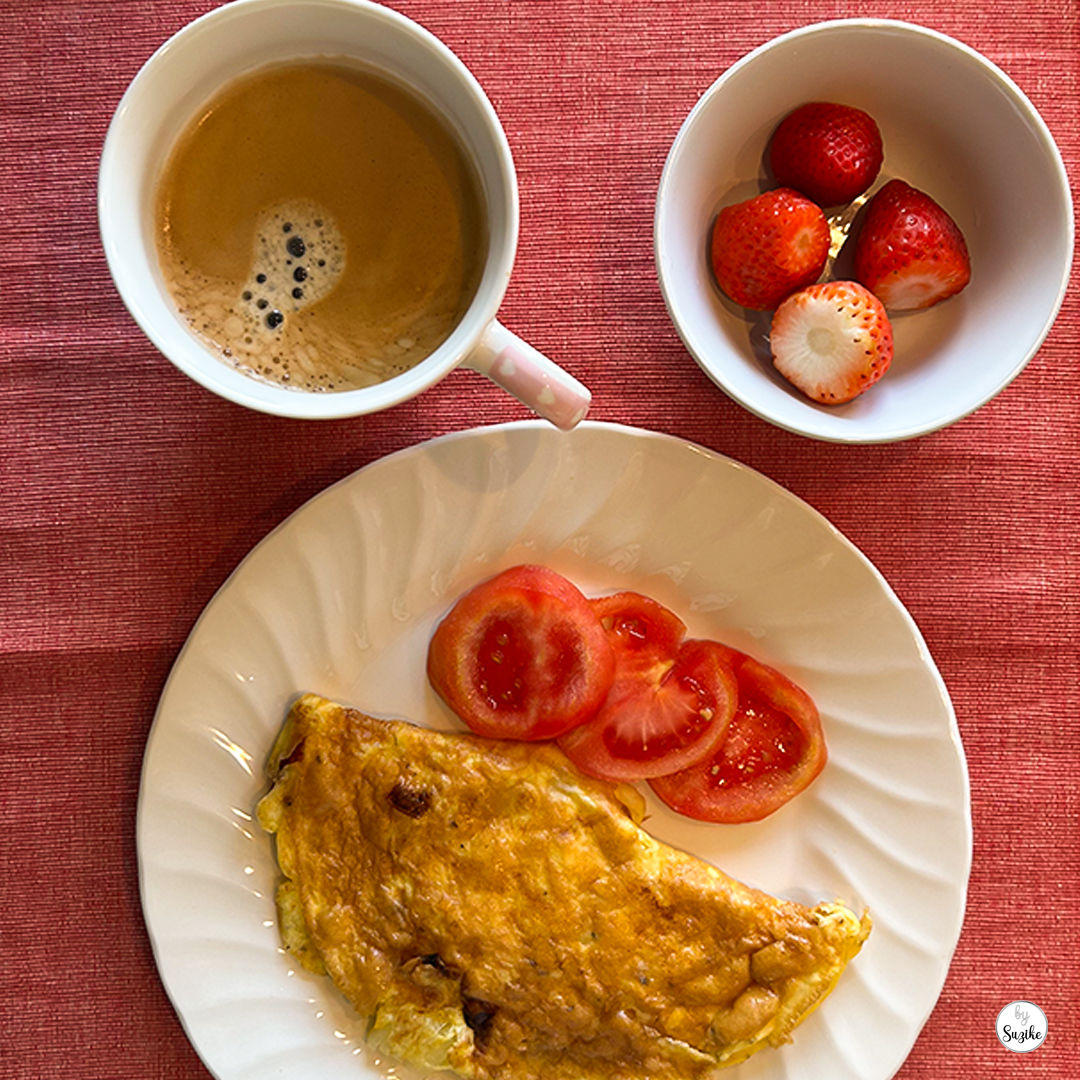
One of the most practical parts of recovery is removing unnecessary effort from the day.
Breakfast was simple, low carb and satisfying:
- cheese omelet
- fresh tomato slices
- strawberries
- espresso
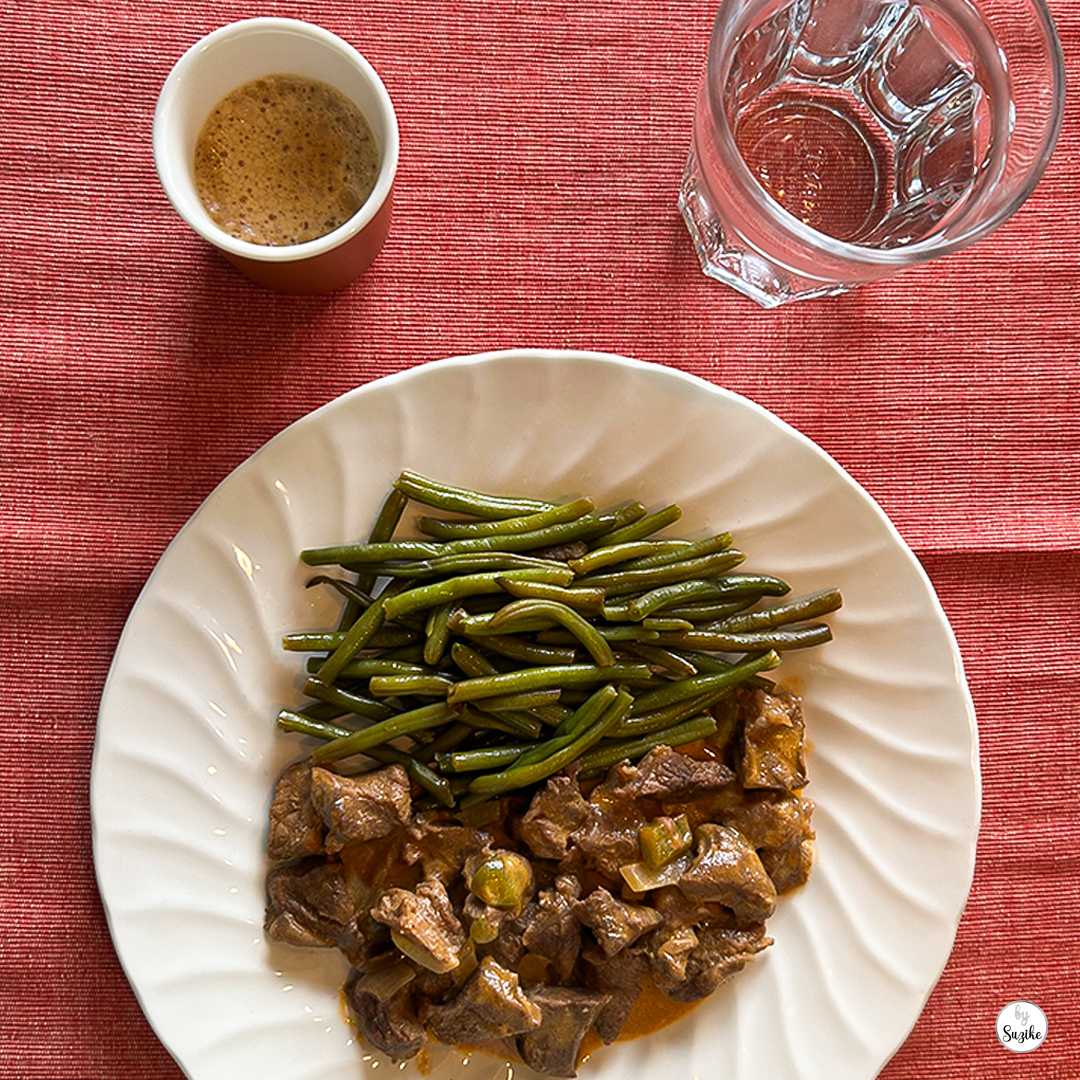
Lunch and dinner were equally straightforward:
- beef stew with cream
- sautéed green beans
- water and strong coffee
This matters because recovery often becomes harder when everything feels demanding. Simple, repeatable meals reduce decision fatigue and help keep the day manageable.
That is useful for readers too. You do not need elaborate wellness meals to support a recovery phase. You need food that is easy, satisfying and realistic to repeat.
 Walk (30 min, varied terrain)
 Kettlebell upper body workout (20–30 min) or Les Mills Core (30 min)
 Walk with Felisberta (30–60 min)
 Complete Rest
What I used that day
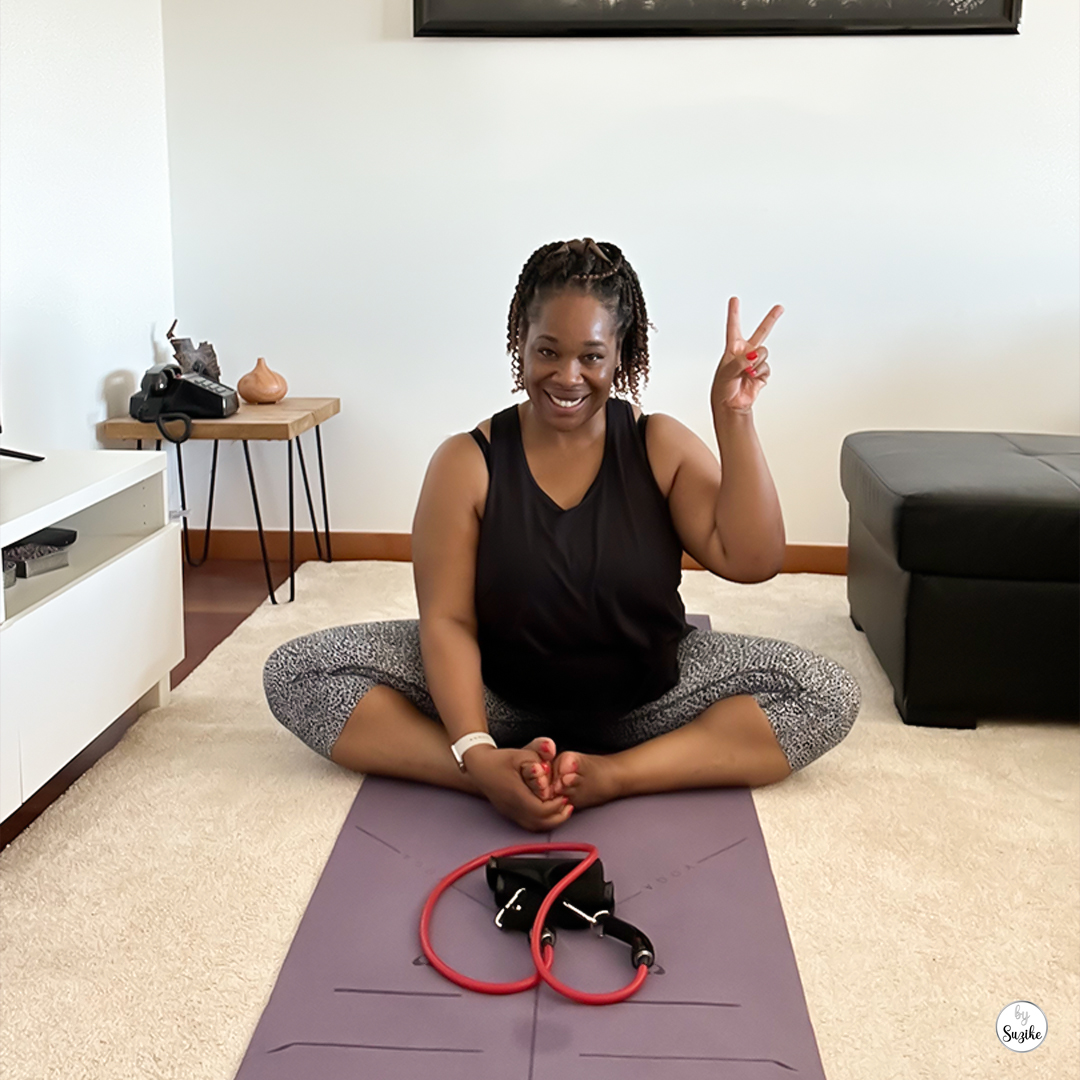
- Yoga mat
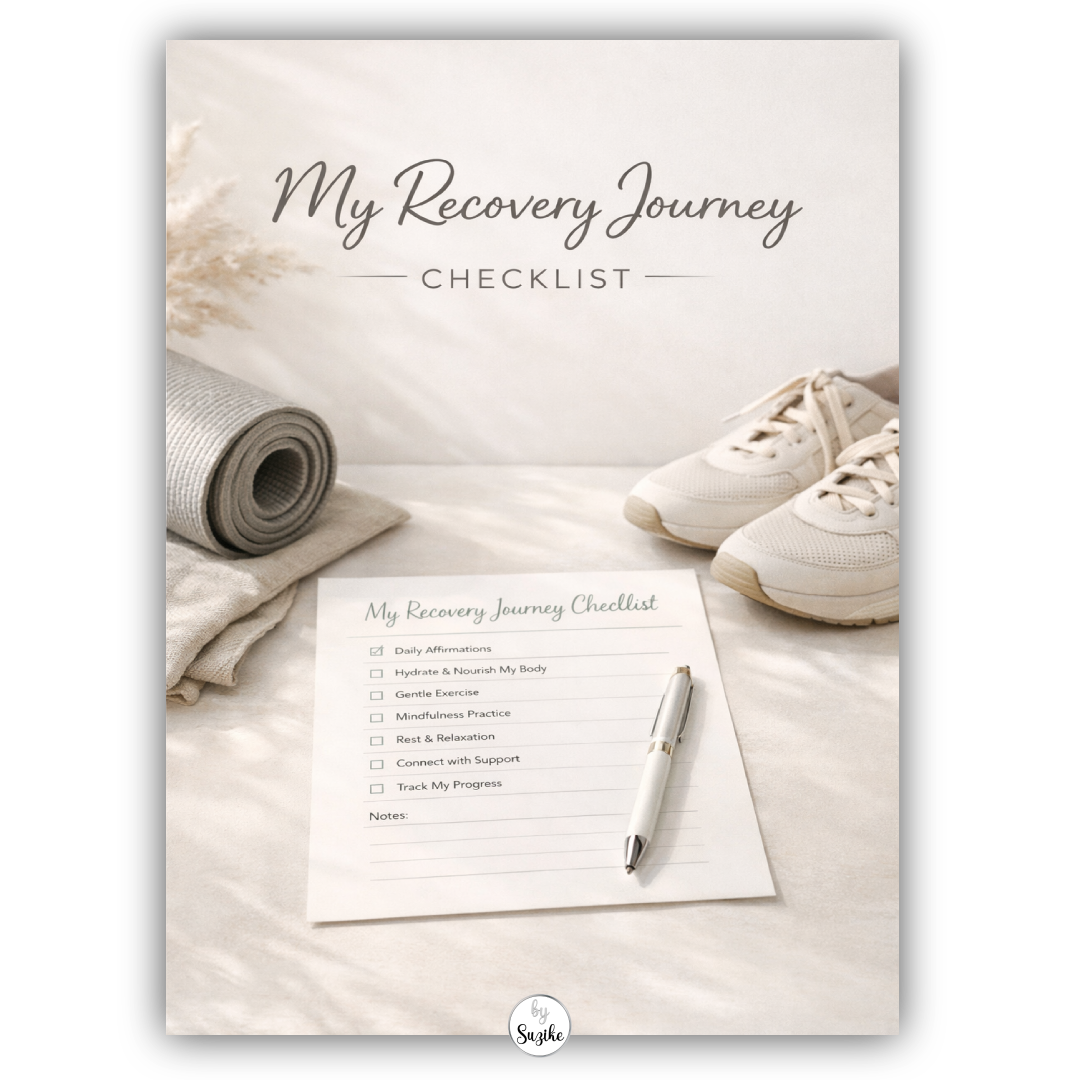
- My Recovery Checklist
What Day 7 may help you notice in your own recovery
Day 7 showed me that recovery progress can appear through control, balance and the absence of pain in movements that once felt uncertain.
That is useful because many women wait for a big sign before believing they are improving. Often, the more honest signs are smaller:
- steadier movement
- less guarding
- more confidence
- calmer sessions
- better physical response
That is still progress. And it counts.
Following a similar recovery phase? Download my free 2-Week Recovery Checklist here.