Strength training for women over 40 became much more practical for me when I stopped looking at fitness as something that needed perfect conditions.
I do not have hours to waste. I do not want to spend more time preparing to train than actually training. I do not want a routine that depends on driving somewhere, parking, changing rooms, coming back home and then still having the rest of the day waiting for me with a very innocent face.
This is where kettlebells make sense in my life. They save me time. A lot of time.
I can train at home. I can use a small space. I can do a session in 20 or 25 minutes and still feel that my body worked properly. I do not need a full gym setup. I do not need a complicated plan. I do not need to turn fitness into another project that consumes half the morning before I even start.
After 40, that matters. Time, energy and practicality matter. And when the body starts changing, I need something that helps me feel stronger without making my life more complicated.
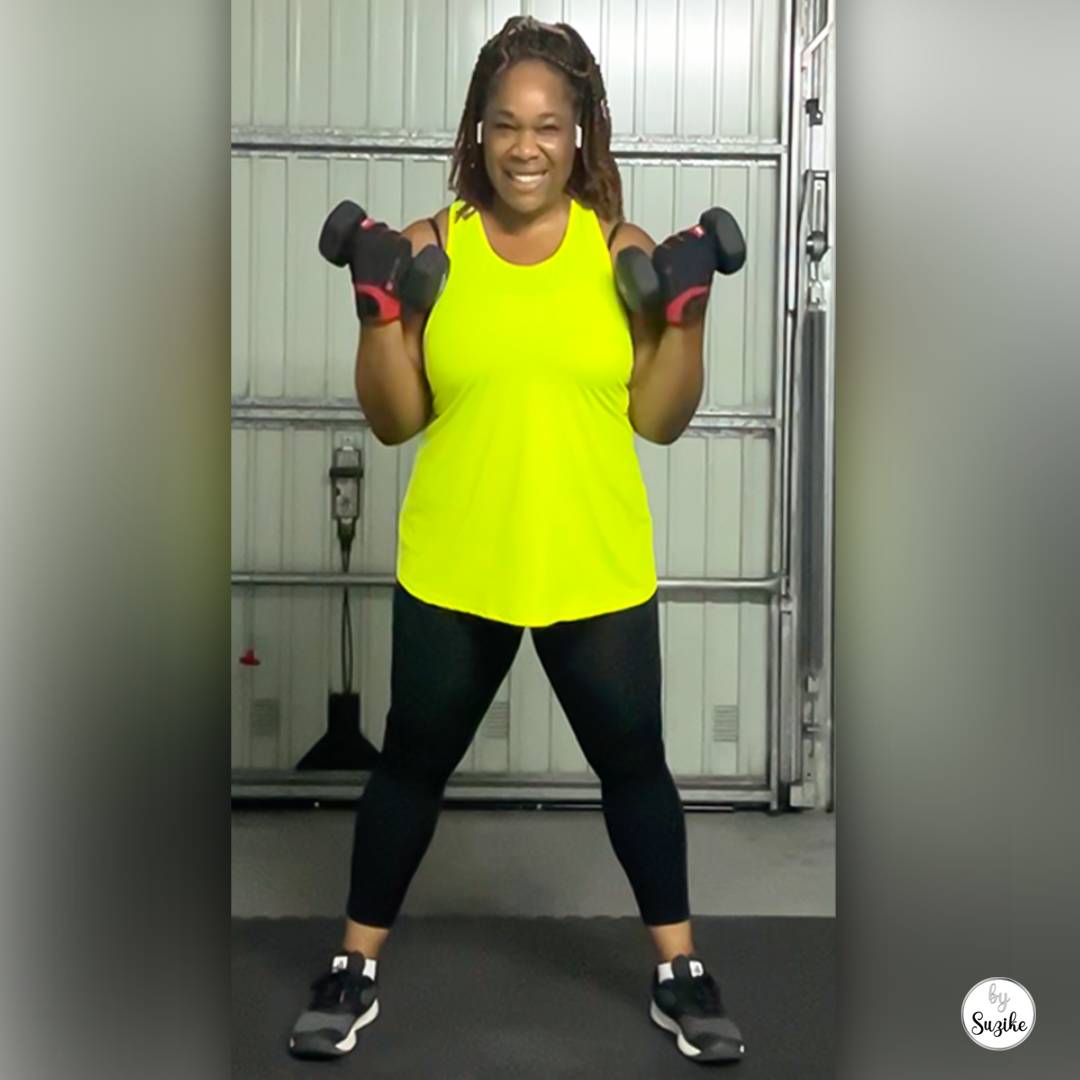
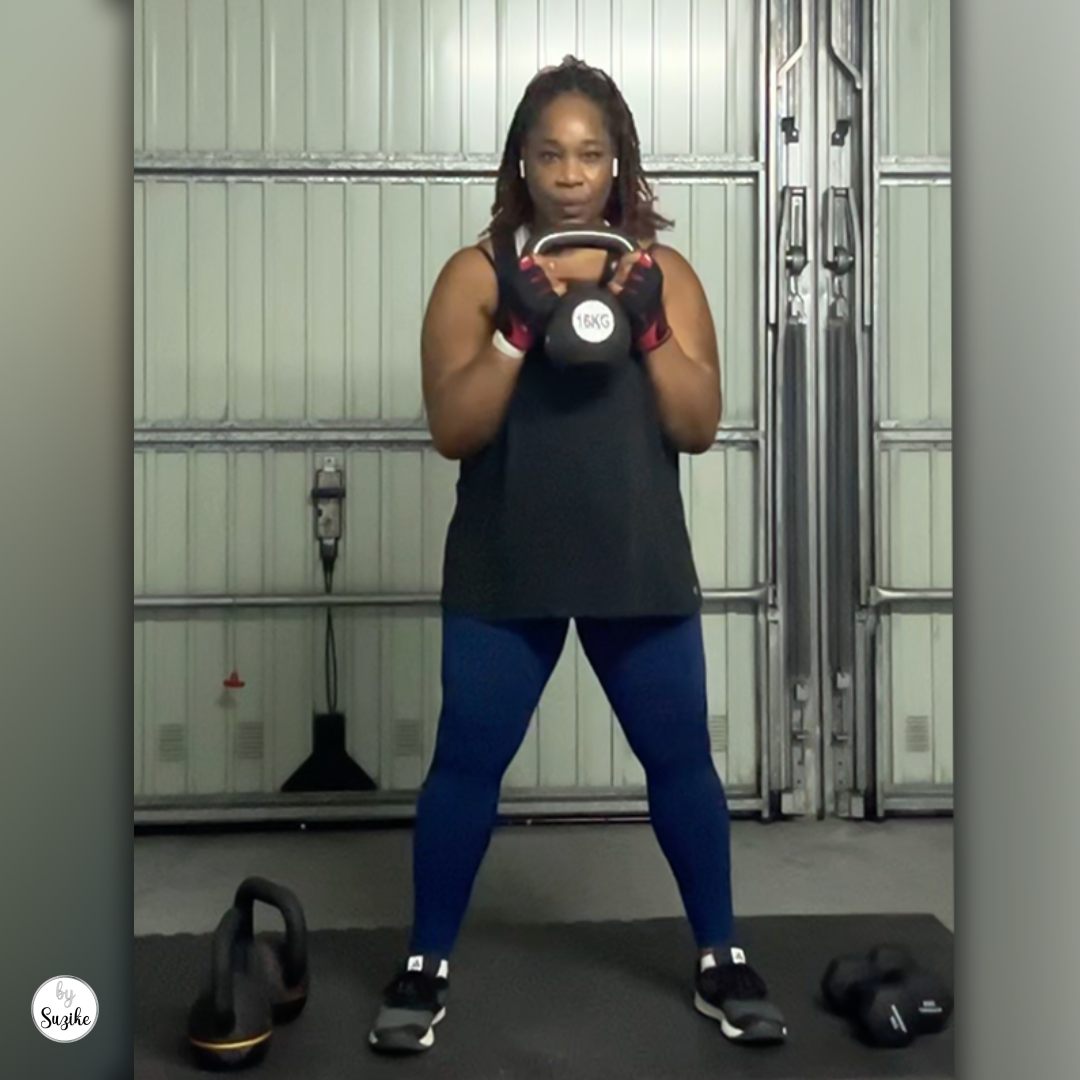
This short shows exactly why kettlebells make sense to me.
I am doing goblet squats with 16kg, in my garage, at home, and the whole thing is simple enough to fit into a real day. The legs still get the message, believe me. I do not need a perfect gym setup to feel that I trained properly.
Strength Training Feels Different After 40
After 40, I started seeing strength training in a much more practical way. I still care about the way my body looks, obviously. I like clothes, outfits, noticing changes, and I like looking in the mirror and feeling that my effort is showing somewhere other than in my level of exhaustion. I am not going to pretend appearance does not matter at all, because that would be ridiculous and deeply unconvincing coming from someone who clearly enjoys a good outfit moment.
Over time, strength became more important because it makes me feel capable in my own body. I want to carry shopping bags without feeling personally attacked. I want stronger legs, better posture and more energy to move through a day that already has enough things pulling from every side. Life after 40 is busy, loud, hormonal, emotional, practical and sometimes completely unreasonable, so having a body that feels solid and useful matters to me.
The body also changes, and pretending otherwise is pointless. The waist changes, the belly may become more present, recovery feels different, sleep affects everything and stress has a very special talent for sitting in the body as if it pays rent. Some days, even getting started feels like a negotiation with myself, and some parts of me clearly arrive at that negotiation with no intention of cooperating.
That is why strength training helps me so much. It gives my body a clear message: we are still using muscle, building strength, and still moving. For me, that matters more and more.
Why Kettlebells Work For My Life
Kettlebells work for me because they are efficient, and that matters a lot in this phase of life. A kettlebell workout may look simple from the outside, but the body quickly understands that this is not a decorative piece of equipment sitting in the garage. Legs, arms, core, balance, grip, posture, breathing and coordination all .
This is especially useful on busy days, when a long workout is unrealistic and I still want to feel that I did something for myself. A short session can be enough to move, sweat, lift some weight and feel my body waking up before the rest of the day takes over. A 20 minute kettlebell workout fits that perfectly, because it gives me the feeling of a real workout without stealing half my day.
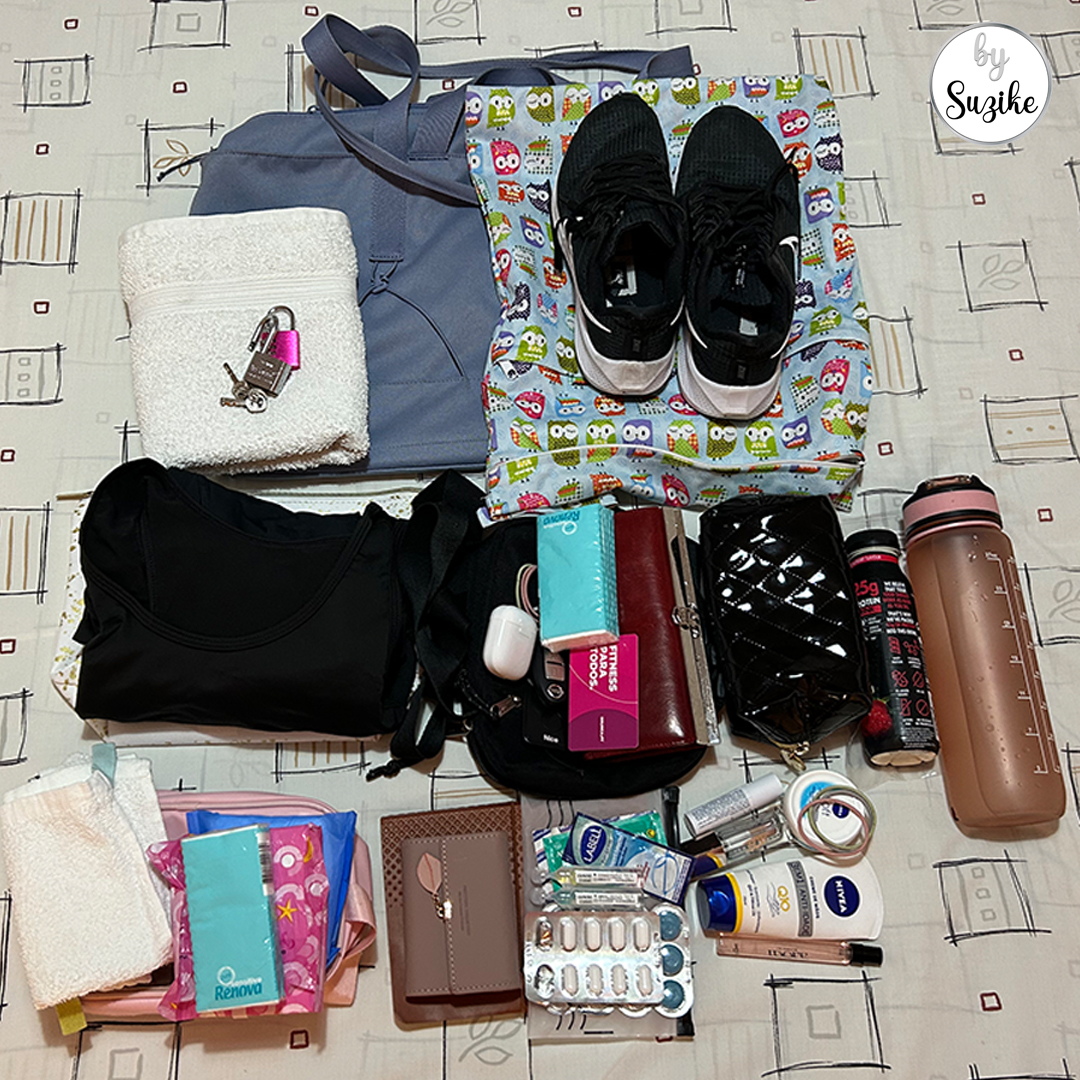
That is one of the reasons I keep coming back to kettlebells. They fit into home training, busy mornings and the kind of life where I am a mother, I work, I write, I run a blog, I deal with the house and I still want my body to feel like mine. The biggest advantage is the time I save. Going to the gym can be useful, of course, but it also comes with everything around the workout: getting ready, packing a bag, driving, parking, coming back and then return to the day. With kettlebells at home, I can train, finish and move on.
That makes consistency much easier. And consistency is already hard enough without adding traffic, parking and a bag full of things to the equation.
Home Workouts Remove A Lot Of Drama
Training at home removes a lot of drama from fitness, and I really appreciate that. I can go to the garage as I am, start quickly, pause if something needs my attention and choose a session that fits the energy I actually have that day. There is no need to turn the workout into a whole event before it even begins.
That also removes the social performance that can come with fitness. I am not getting ready to be seen by anyone, comparing my pace with someone else or wasting energy wondering if I look like I know exactly what I am doing. I just train. For women over 40, especially mothers, that simplicity matters because the day already has enough interruptions, enough decisions and enough things waiting to be handled.
A workout that needs too much preparation can disappear from the schedule very easily. A workout that is already available at home has a much better chance of actually happening, and that is why I like building strength in a way that fits the life I already have. I am not trying to create a perfect fitness routine that only works on perfect days. I need something realistic enough to survive normal life.
Some workouts start with energy, others start because I know I will feel better afterwards, and a few begin with very little enthusiasm and still end with that quiet satisfaction of having done the work. That is real fitness to me.
The Kettlebell Workouts I Actually Use
The best part of having several kettlebell workouts on the blog is that they serve different days.
Some days I want a short core session. That is where a post like Kettlebell Core Workout at Home fits well. It is useful when I want something focused, quick and manageable.
Other days, I want a workout that feels more complete. A post like Full Body Kettlebell Workout at Home makes sense because it gives that feeling of having worked the whole body without needing a long session.
For lower body days, the Leg Day Workout at Home with Kettlebell and Dumbbells connects well with the way I think about strength after 40. Stronger legs matter. They help with daily life, posture, walking, stairs and that general feeling of being more capable in the body.
Upper body sessions are also important, especially because women often underestimate how good it feels to build strength in the arms, shoulders and back. My Upper Body Kettlebell Workout at Home fits that need without turning the workout into something too complicated.
And for mothers or busy women, Kettlebell for Busy Moms is probably one of the most realistic angles because it speaks to the real problem: time. Most women do not need another perfect plan. They need something they can actually do.
Tracking Strength Helps Me See Progress
One thing I find genuinely useful with strength training is keeping track of what I do, in a simple and realistic way. I am not interested in turning fitness into another administrative department of my life, because I already have enough invisible departments running in the background, thank you very much. But I do like knowing which weight I used, which workout I did and whether something that used to feel difficult is starting to feel more manageable.
After 40, progress is not always obvious straight away. The scale can be annoying, the mirror can depend on the day, the light, the hormones and my patience, and sometimes the body changes in ways that are much quieter than we would like. Strength gives me a different kind of feedback. I can notice when the same kettlebell feels easier, when I finish a workout with better control, when my posture feels stronger or when normal daily things feel a little less heavy.
That is why a tracker can be useful. My Group Fitness Class Tracker and Barbell Class Progress Tracker for Women 40+ connect with this because they make progress visible in a very practical way. Strength can grow quietly, especially when life is busy, and having a written record helps me see what is actually improving instead of relying only on mood, memory or the bathroom mirror on a bad lighting day.
Honestly, women over 40 need more ways to recognise progress that are not based only on weight or body size. Feeling stronger, lifting better, moving with more control and showing up consistently all count, even when the change is not loud or dramatic.
Strength Is Practical Self Care
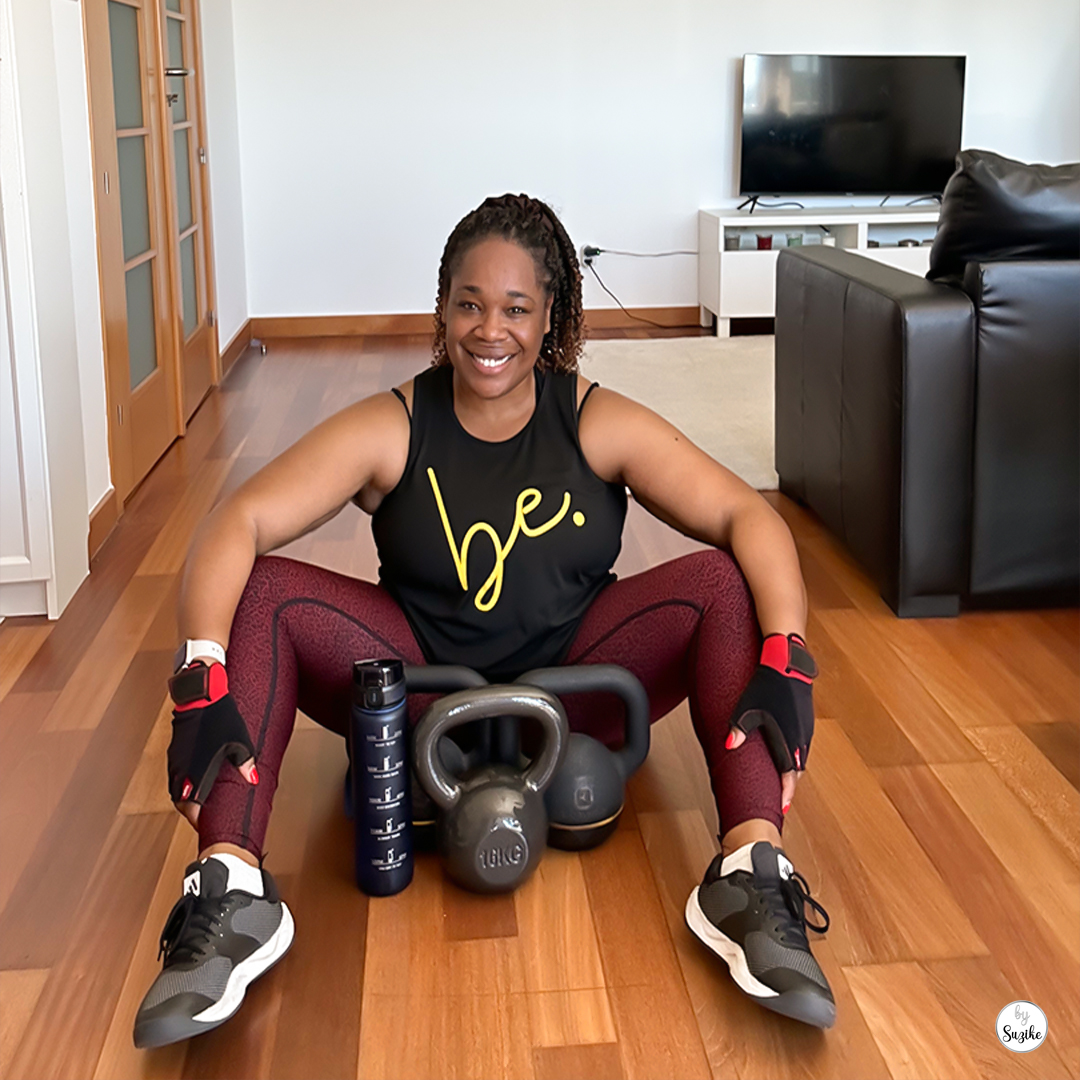
For me, strength training is one of the most practical forms of self care, because it gives me something concrete in a life that is often full of moving parts. A kettlebell workout can happen in the middle of a normal day, with trainers on, hair doing whatever it wants, the kettlebell on the floor and twenty minutes available before the next thing starts. It does not need a perfect morning to count. It counts because I showed up for my body in the middle of real life.
After 40, self care has to fit motherhood, work, fatigue, body changes, responsibilities and days that rarely go exactly as planned. Kettlebell training gives me a way to care for my body without waiting for ideal conditions or turning the workout into a major event. I get strength, time efficiency and a small sense of control over something, which matters more than it may seem.
There is something very grounding about finishing a short workout and knowing that, even with everything else going on, I did something useful for myself. My body worked, my energy changed and I moved through the day feeling a little more connected to myself. I like that.
Final Thoughts
Strength training for women over 40 makes sense to me because it is useful, practical and realistic. Kettlebells fit my life because they save time, work the whole body, take up little space and allow me to train at home without turning fitness into a major event. At this stage of life, that matters. I want workouts that help me feel stronger in the body I have now, with more energy, better posture, more confidence and a real sense that my body can handle daily life.
That is why kettlebells keep making sense to me. They are simple, efficient and available when I am ready to train, which makes them easier to return to consistently. I do not need fitness to become another complicated system in my life. I need something that works, fits into my day and gives me the feeling that I am taking care of myself in a practical way.
For me, sometimes that is enough: picking up the weight, doing the work and carrying on with the day feeling a little stronger than when I started.